
The Analysis of Game Usage for Senior High School Students to Improve Their Vocabulary Mastery
Enhancing English Vocabulary Learning through Engaging, Interactive Game-Based Strategies
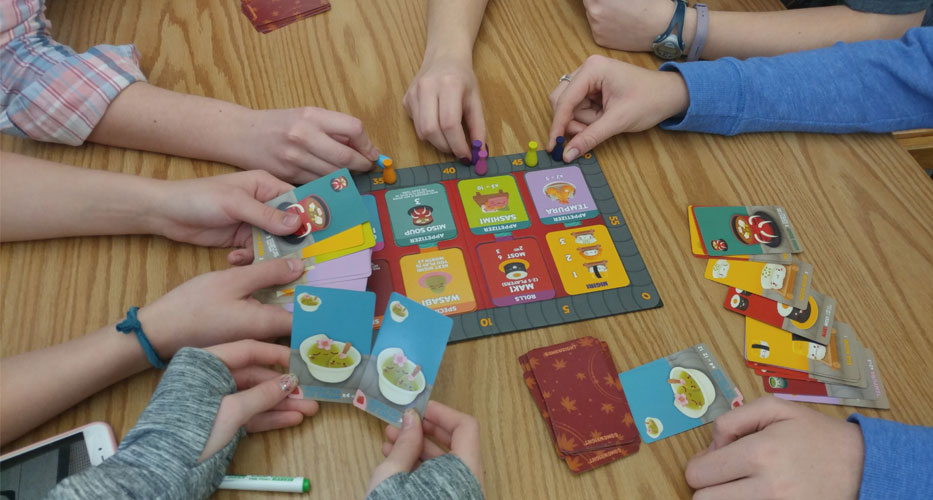
Key Takeaways
- Enhanced Engagement: Game-based learning creates a fun, interactive environment that motivates students to practice and explore vocabulary.
- Multimodal Learning: Incorporating visual, auditory, and kinesthetic elements in games caters to different learning styles, reinforcing retention and understanding.
- Curricular Integration: Well-selected and integrated games aligned with curriculum objectives can lead to measurable improvements in vocabulary mastery.
Introduction
In today’s dynamic educational landscape, traditional methods of vocabulary instruction are increasingly being complemented and, in some cases, replaced by innovative, interactive approaches. Among these strategies, game-based learning has emerged as a promising tool to improve vocabulary mastery among senior high school students. This method leverages the natural appeal of games to foster deeper engagement, enhance memory retention, and provide a low-pressure environment in which students can experiment with new vocabulary. By immersing students in contextual, real-life scenarios and encouraging peer collaboration, games help reduce the anxiety often associated with language learning and promote a more comprehensive understanding of vocabulary.
With the rapid advancement of technology, educators have begun to explore the potential of digital and analog games to transform how vocabulary is taught. Studies have shown that when integrated thoughtfully into curricula, games not only capture students’ interest but also provide repeated exposure to language in a manner that is both enjoyable and educational. Game-based strategies enable learners to build connections between words and their meanings through interactive problem-solving, immediate feedback, and contextual usage. This comprehensive analysis delves into the underpinning theories, methodologies, benefits, and practical considerations of using games to enhance vocabulary mastery among senior high school students.
Benefits of Using Games for Vocabulary Mastery
Increased Engagement and Motivation
One of the most significant challenges in language learning is capturing and sustaining students’ attention. Traditional lecture-based methods can often result in passive learning experiences, where students may struggle to connect with the material. Game-based learning, by contrast, introduces a competitive and playful component that naturally motivates students. When students participate in activities such as word puzzles, interactive quizzes, or team-based competitions, their involvement intensifies. The competitive elements in games—such as scoring, time limits, and challenges—provide immediate rewards and recognition, which in turn boost self-confidence and encourage continued participation.
Games also offer a safe, low-stakes environment for trial and error. This type of learning atmosphere diminishes the fear of making mistakes, thereby reducing performance anxiety. As a result, students are more likely to experiment with new words and phrases, leveraging the interactive nature of games to expand their vocabulary.
Multimodal and Contextual Learning
Vocabulary acquisition is most effective when learners are exposed to words in multiple contexts and through different sensory pathways. Games naturally integrate visual, auditory, and kinesthetic elements, making them ideal for students with diverse learning preferences. For example, a digital game may present a new word alongside images and audio pronunciations, while a physical board or card game might invite students to act out word meanings through role-play.
This multimodal approach reinforces the retention of vocabulary by allowing students to associate words with concrete images, sounds, and actions. Moreover, games often simulate real-life scenarios where words are used in context—helping students understand not just the definition of a term, but also its practical application. This contextual learning is crucial as it transforms rote memorization into a meaningful and memorable educational experience.
Stress Reduction and Increased Confidence
Learning vocabulary can be a daunting task, especially when students feel the pressure to perform correctly and quickly. Games function as a catalyst for stress reduction by altering the learning atmosphere from one of formal assessment to interactive participation. In a game setting, errors are viewed as part of the fun and learning process rather than setbacks. This perception allows students to relax, even as they are challenged to improve.
The immediate feedback provided by games helps learners quickly identify and correct mistakes, solidifying their understanding without the prolonged anxiety usually associated with traditional testing settings. As a result, students become more confident in using new vocabulary, and this increased self-assurance further motivates them to engage with the language in diverse contexts.
Methodologies and Research Approaches
Research Designs in Educational Settings
Studies aiming to analyze the effectiveness of game-based learning for vocabulary mastery typically adopt mixed-methods research designs. These designs combine quantitative measures—such as pre-test and post-test assessments of vocabulary proficiency—with qualitative feedback obtained from student interviews, focus groups, and classroom observations. This dual approach allows researchers to evaluate both the statistical improvement in vocabulary retention and the subjective experiences of students who participate in game-based activities.
In many studies, experimental designs involve using a control group that receives traditional instruction and an experimental group that engages with game-based learning methods. Researchers analyze the differences between the two groups to assess the impact of gaming on vocabulary acquisition. Additionally, qualitative research provides insights into the elements of games that most effectively contribute to learning—such as the aspects of competition, immediate feedback, and contextual immersion.
Data Collection and Analysis Techniques
The data collection methods employed in this field range from standardized vocabulary tests to in-depth interviews and focus group discussions. Quantitative assessments may include statistical analyses such as t-tests or ANOVAs to determine the significance of improvements in vocabulary mastery following the game-based interventions. These methods ensure that the observed gains are not only significant but also attributable to the interactive nature of the games.
Qualitative analysis, on the other hand, involves thematic coding of student feedback to identify recurring patterns and sentiments about the game-based learning experience. Themes such as enhanced motivation, reduced stress, improved collaboration, and increased enjoyment are commonly reported. The integration of these quantitative and qualitative findings provides a more comprehensive picture of how game usage positively impacts vocabulary mastery.
Illustrative Table: Comparison of Traditional and Game-Based Learning Methods
| Aspect | Traditional Learning | Game-Based Learning |
|---|---|---|
| Engagement | Often passive, lecture-based | Interactive, immersive, and competitive |
| Feedback | Delayed, test-based evaluations | Immediate, interactive responses |
| Learning Environment | Formal and high-pressure | Low-stress, experimental, and collaborative |
| Retention | Often reliant on memorization | Enhanced through contextual and multimodal exposure |
| Adaptability | Standardized and less adaptable to various learning styles | Customizable to support visual, auditory, and kinesthetic learners |
Game Strategies and Practical Implementations
Types of Games and Their Educational Roles
A variety of game types have been identified as particularly effective in boosting vocabulary mastery among senior high school students. These include:
- Digital Games: Popular online games like multiplayer battle arenas and sandbox environments offer contextual challenges that require players to communicate, strategize, and solve problems using language skills. These platforms naturally integrate vocabulary learning into gameplay, as players must understand and use new words to perform tasks.
- Word Puzzles and Bingo: Such games require students to match words with their definitions or to rearrange letters to form new words, reinforcing instant recall and active engagement with vocabulary.
- Role-Playing Games (RPGs): These games immerse students in narrative-driven scenarios where language and vocabulary usage are crucial to advance the storyline. Interaction among players often leads to dynamic discussions and debates, which further enrich vocabulary acquisition.
- Charades and Acting Out: Physical, in-class games that involve mime or role-play force students to internalize vocabulary by associating words with gestures and expressions.
By incorporating these varied game formats, educators can ensure that vocabulary instruction reaches students with diverse learning preferences. The versatility of such games allows for their adaptation to different curricular objectives and learning contexts.
Integrating Game-Based Learning into the Curriculum
To maximize the benefits of game-based vocabulary learning, it is imperative to align game activities with established curriculum goals. Educators must carefully select games that complement the language objectives of their courses. This includes ensuring that the content of the games corresponds with the vocabulary topics being taught and that the games are appropriately challenging for the student’s proficiency levels.
Integration can be achieved through several strategies:
- Scheduled Game Sessions: Allocating dedicated class time for interactive game sessions helps ensure that game-based activities are consistently implemented alongside traditional lessons.
- Homework Assignments: Encouraging students to engage with educational games as homework can reinforce classroom learning and provide additional practice in a self-directed manner.
- Blended Learning Approaches: Combining digital game-based exercises with classroom discussions and assessments allows for a more balanced and adaptive learning experience.
- Teacher Facilitation: Training educators in the effective use of game-based strategies is essential to help them guide students, assess performance, and incorporate feedback into future lessons.
When these practices are effectively implemented, students benefit from a more engaging learning environment that not only helps them master vocabulary but also builds critical thinking and collaborative skills.
Challenges and Considerations
Despite the evident benefits of game-based learning, several challenges must be addressed to ensure its success:
- Game Selection: The effectiveness of any game-based intervention largely depends on choosing games that are age-appropriate and aligned with curricular objectives. Not every game will be equally beneficial, and educators must discern which games effectively target vocabulary skills.
- Technological Limitations: Access to digital devices and stable internet connections can sometimes limit the use of online games, particularly in under-resourced educational settings. Alternative strategies, such as board games or offline digital resources, can help mitigate these limitations.
- Teacher Training: Teachers must be adequately trained not only in the technical aspects of using these games but also in integrating them pedagogically. This dual focus is crucial to maximize engagement and learning outcomes.
- Balancing Traditional and Innovative Methods: While games offer numerous advantages, it is important to maintain a balance with conventional teaching methods to ensure a well-rounded education. Overreliance on any single method may lead to gaps in other essential language skills.
Addressing these concerns requires careful planning, resource allocation, and ongoing assessment to continuously refine game-based learning strategies.
Future Directions and Research Opportunities
Expanding Research Methodologies
The current body of research on game-based vocabulary learning has provided encouraging evidence of its efficacy. However, there remains a significant need for more longitudinal studies that explore the long-term retention of vocabulary acquired through game-based methods. Future research should focus on:
- Following students over extended periods to evaluate whether the vocabulary gains achieved through games are sustained over time.
- Comparing various types of games (digital versus analog, competitive versus collaborative) to determine which elements most strongly contribute to retention and comprehension.
- Investigating the role of individual differences, such as learning styles and initial proficiency levels, in mediating the effectiveness of game-based learning.
- Evaluating the integration of game-based learning with emerging technologies (e.g., augmented reality, virtual reality) to further enhance vocabulary acquisition.
Enhanced Training and Curriculum Development
As game-based strategies become more embedded within educational practices, curriculum developers and teacher training programs will need to adapt. This means:
- Developing comprehensive training modules that help educators integrate game-based activities seamlessly with the standard curriculum.
- Creating adaptable game templates that can be customized to different vocabulary themes and educational levels.
- Instituting feedback mechanisms where both students and teachers can share insights on game effectiveness and suggest improvements.
Such enhancements in teacher preparation and curriculum design are essential to fully realize the potential of games as tools for vocabulary mastery.
Conclusion
Game-based learning strategies offer a highly effective approach to improving vocabulary mastery among senior high school students. Through immersive, interactive, and multimodal experiences, games have proven to enhance engagement, reduce learning anxiety, and facilitate deeper retention of new vocabulary. The integration of these methods into traditional curricula not only modernizes the learning process but also tailors instruction to meet the diverse needs of today’s learners.
Research employing mixed methodologies has demonstrated significant improvements in students' vocabulary through both quantitative assessments and qualitative feedback. As educators continue to explore digitally enriched environments and innovative teaching practices, game-based learning stands out as a transformative tool that aligns with modern pedagogical theories such as constructivist and game-based learning frameworks.
Future research will undoubtedly refine these practices, addressing current challenges like game selection and technological access, while expanding the scope to long-term analysis and broader implementation strategies. By balancing the innovative aspects of play with the rigor of traditional instructional methods, educators can create a robust learning environment that fosters language acquisition and prepares students for an increasingly digital world.
References
- Journal Article on Vocabulary Mastery - Undikma
- Scholarly Analysis of Game Usage - Semantic Scholar
- Research on Game Usage for Vocabulary - ResearchGate
- Downloadable Article on English Teaching - Teknokrat
- Academic Analysis of Game-Based Learning - Academia.edu
- Study on Vocabulary-Learning Problems - Arab World English Journal
- Impact of Online Video Games on English Acquisition - Journal of Positive School Psychology
- The Importance of Vocabulary in Language Learning - International Journal of Teaching and Education
- Perception of Vocabulary Acquisition Through Gaming - ELT Worldwide
- Mobile-Assisted Language Learning Study - English Review
- Study on Learning English Vocabulary with Quizlet - Journal of English Teaching
- Mobile Game Application for Vocabulary Motivation - IEEE Access
-
Research Design Approaches - Elsevier
- Interactivity in Music Video Games and Vocabulary Recall - Language Learning and Technology
- Effect of Online Games on Vocabulary Acquisition - Procedia Social and Behavioral Sciences
- Digital Game Preferences Based on Gender - Eğitim Araştırmaları
- Massively Multiplayer Online Games in Learning - Computers and Education Open
- Motivation Through Game-Based Learning in Higher Education - Computers & Education
- Digital Games for Enhancing EFL Grammar and Vocabulary - International Journal of Emerging Technologies in Learning
- Implementation of MMOGs to Boost Vocabulary - Journal of English Teaching and Learning Issues
- Serious Games Impact on Vocabulary and Content Learning - Computer Assisted Language Learning
- Flow Experiences in Digital Game-Based Vocabulary Learning - Computer Assisted Language Learning
- Learner Engagement and Language Learning Narratives - The Language Learning Journal
- Digital Game-Based Vocabulary Learning: Trends and Future Directions - Computer Assisted Language Learning
More
Last updated February 18, 2025