
Overview of Gamification Studies
Exploring Research Insights and Impacts Across Multiple Domains
Key Takeaways
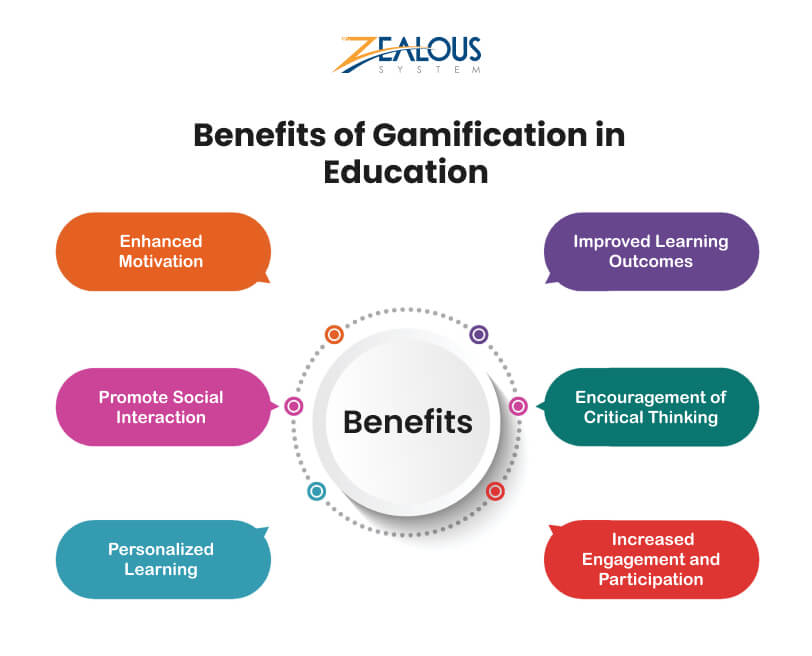
- Enhanced Motivation and Engagement: Gamification consistently boosts student and user motivation through clear goals, rewards, and interactive design elements.
- Effective Design and Context: The impact of gamification depends critically on design principles, context-specific strategies, and balancing intrinsic with extrinsic motivations.
- Broad Applications and Future Research: While gamification shows positive results in education, health, and business, further research is needed to investigate long-term benefits and personalized approaches.
Introduction to Gamification Research
Gamification, the application of game-design elements in non-game contexts, has become an increasingly popular subject in academic research. Its interdisciplinary appeal spans education, psychology, business, and health, driven by its potential to enhance motivation, engagement, and overall user experience. Over the past decade, studies have investigated varied aspects of gamification, such as its effects on behavior, academic performance, digital interactions, and social dynamics. In this comprehensive review, we synthesize findings from multiple research perspectives to offer clear insights into gamification’s benefits, challenges, and the underlying psychological mechanisms.
Core Areas of Study
Motivation and Engagement
One of the most widely recognized advantages of gamification is its ability to enhance motivation and engagement among users. Research has demonstrated that integrating game elements like points, badges, leaderboards, and immediate performance feedback can instill a sense of achievement and competition, which often leads to increased participation and sustained interest.
Studies emphasize that the effects of gamification are deeply influenced by the balance between intrinsic and extrinsic motivation. For example, extrinsic rewards, such as badges or points, can serve as useful initial incentives. However, the long-term success of gamification often relies on fostering intrinsic motivation—where the activity itself becomes engaging and enjoyable. This shift from extrinsic markers to intrinsic satisfaction is essential for enduring engagement, particularly in educational settings where deep learning, rather than superficial rewards, is the primary goal.
Educational Impact
In educational environments, gamification has been shown to improve various outcomes including student motivation, participation, and overall academic performance. A meta-analysis covering multiple studies with thousands of participants has confirmed a significant positive effect of gamified learning interventions. This improvement is frequently linked to enhanced student engagement and the establishment of clear, attainable learning objectives.
Educational research points out that gamification supports experiential learning through interactive challenges, contests, and real-time feedback systems. When designed carefully, game elements in curricula address cognitive, behavioral, and social aspects of learning simultaneously. The inclusion of competitive and collaborative elements not only boosts individual motivation but also fosters a supportive learning community, driving social interaction and peer collaboration.
Mechanisms in Educational Gamification
Specific design strategies, such as the incorporation of leaderboards, badges, and performance graphs, play a crucial role in meeting learners' needs for competence, autonomy, and relatedness—key components identified in self-determination theory (SDT). The gamified environment can be tailored to various subjects, including statistics and sciences, where real-time feedback, challenges, and problem-solving exercises yield measurable improvements in understanding and retention.
Health and Wellbeing Applications
Aside from education, gamification has found significant applications in health and wellbeing. Its use in apps designed to motivate physical activity or manage mental health has shown promising results. Gamified health apps often employ elements such as progress tracking, achievement unlocking, and social competition to encourage users to adopt healthier behaviors.
Research in this area evaluates the effectiveness of gamified interventions by monitoring adherence, behavioral change, and the overall impact on users’ lifestyles. Key insights include the importance of personalized challenges and adaptive difficulty levels to prevent user fatigue. By allowing users to set goals and by giving immediate, clear feedback, these applications align user behavior with broader health objectives.
Business and Consumer Engagement
In the business domain, gamification has become a tool for enhancing customer loyalty and engagement. Marketing strategies increasingly use gamified systems to incentivize repeated interactions with brands. Loyalty programs, enhanced by game-like mechanics, create a competitive yet enjoyable environment that encourages sustained customer interaction.
Studies in this area suggest that the careful design of gamified strategies is critical; without proper calibration, there is a risk of diminishing returns or over-saturation. Businesses must ensure that gamified elements align with the intrinsic motivations of their customer base, as simply stacking extrinsic rewards without a meaningful narrative can lead to temporary spikes in engagement rather than lasting loyalty.
Research Methodologies and Findings
Methodologies
Research on gamification employs a variety of methodologies, ranging from qualitative case studies to large-scale quantitative meta-analyses. Systematic literature reviews have aggregated results from multiple empirical studies, examining both the immediate and long-term effects of gamified interventions. These comprehensive reviews have highlighted the significance of context-specific design and the influence of individual differences on outcomes.
Controlled experiments are frequently implemented to test the efficacy of specific gamification elements. Variables such as task performance, user satisfaction, and behavioral adherence are measured pre-and post-intervention. Moreover, longitudinal studies contribute to understanding the sustainability of gamification effects, although more research is necessary to solidify conclusions about long-term benefits.
Key Findings and Effect Sizes
Empirical research has generally confirmed positive effect sizes for gamification interventions. One meta-analysis integrating data from numerous studies reported a significant large effect size, reinforcing the notion that gamification can meaningfully improve outcomes in various domains. Specifically, studies focusing on educational settings have documented improvements in student engagement, motivation, and academic performance.
Summary of Empirical Outcomes
| Domain | Impact | Key Elements |
|---|---|---|
| Education | Improved engagement, participation, and academic performance | Badges, leaderboards, feedback systems |
| Health | Increased physical activity and adherence to healthy behaviors | Challenges, progress tracking, social competition |
| Business | Enhanced customer loyalty and interaction | Loyalty programs, gamified marketing campaigns |
This table encapsulates the core findings of research across different fields, illustrating that while gamification is not a one-size-fits-all solution, its well-executed design can yield substantial benefits across various user groups and contexts.
Moderating Factors and Limitations
Despite its promising results, gamification research also acknowledges several moderating factors and limitations. The effectiveness of gamified systems can vary based on factors such as the type of user, the learning environment, and the duration of the intervention. Research has shown that individual differences—such as personality traits, learning styles, and even cultural backgrounds—play a significant role in how users respond to gamified experiences.
Additionally, the novelty of game elements may wear off over time, a phenomenon often referred to as the “novelty effect.” When the initial excitement fades, sustained engagement may decline unless the system is continually updated with new challenges and rewards. There is also ongoing debate regarding the balance between extrinsic and intrinsic motivation; if too heavily reliant on external rewards, gamification risks undermining the intrinsic desire to learn or engage for its own sake.
Researchers caution that while gamification demonstrates clear benefits in boosting short-term engagement, more longitudinal studies are needed to determine its long-term impact on behavior change and sustained motivation. Moreover, as gamification continues to be integrated into various domains, understanding its psychological underpinnings and contextual nuances remains a critical path for future research.
Future Directions in Gamification Research
As diverse fields continue to explore gamification, several key areas for future research have emerged. The personalization of gamified experiences is one such direction, with adaptive systems that customize challenges and rewards to individual user profiles garnering particular interest. This approach could potentially address the issue of declining novelty and ensure that interventions remain engaging over time.
Another promising avenue is the integration of advanced data analytics and machine learning to refine gamified systems in real time, ensuring that design elements remain aligned with evolving user needs. Studies aiming to explore the optimal balance between extrinsic incentives and intrinsic enjoyment are crucial for developing sustainable gamified interventions.
Additionally, the interdisciplinary nature of gamification calls for collaborative research that spans educational theory, psychological science, and technological innovation. By combining insights from these various fields, future research may yield a more nuanced understanding of how gamification can best serve diverse populations, from students to patients and consumers.
As gamification gains traction in digital learning platforms, its influence on the overall educational ecosystem invites further scrutiny. The potential to facilitate hybrid learning models that merge traditional educational techniques with innovative, interactive experiences is particularly appealing in the context of modern education. However, challenges such as equitable access to technology and varying levels of digital literacy continue to require thoughtful consideration.
Integrative Perspectives and Conclusion
In synthesizing the extensive body of research on gamification, several overarching themes emerge. Firstly, the ability of gamification to dramatically enhance motivation and engagement forms the bedrock of its application across numerous settings. Whether in education, health, or business, game elements—with appropriate design and implementation—offer substantial benefits in improving outcomes.
Secondly, the design of gamified interventions requires a careful balance between extrinsic rewards and the cultivation of intrinsic motivation. The success of these interventions depends on understanding user needs, tailoring experiences to fit the specific context, and keeping the system dynamic enough to remain engaging over time.
Lastly, while promising in its capabilities and reach, gamification is not without limitations. Ongoing research is essential to address issues such as the novelty effect, individual variability in response to game mechanics, and the long-term sustainability of positive outcomes. Future studies should leverage interdisciplinary approaches and advanced methodologies to further refine our understanding of gamification’s theoretical and practical foundations.
Conclusion
In conclusion, gamification represents a robust and versatile approach in enhancing motivation, engagement, and performance across multiple domains. With strong evidence supporting its efficacy in educational contexts and promising applications in health and business, gamification is an innovative strategy with far-reaching potential. However, the design and application of gamified systems must be sensitive to context, user diversity, and the balance between extrinsic and intrinsic motivations. Future research should focus on personalized, adaptive systems and long-term studies to further elucidate the enduring impact of gamification.
References
- Studies – Gamification Research Network
-
The impact of gamification on learning and instruction: A systematic review – ScienceDirect
- Exploring the Benefits and Challenges of Gamification in Enhancing Student Learning Outcomes – ResearchGate
-
Effectiveness of Gamification in Enhancing Learning and Attitudes – PMC
- Gamification in Education – Educational Technology Journal
Related Queries
Last updated February 19, 2025