
Gandhara: Cradle of Cultural Exchange and Artistic Splendor
Exploring the ancient crossroads where East met West
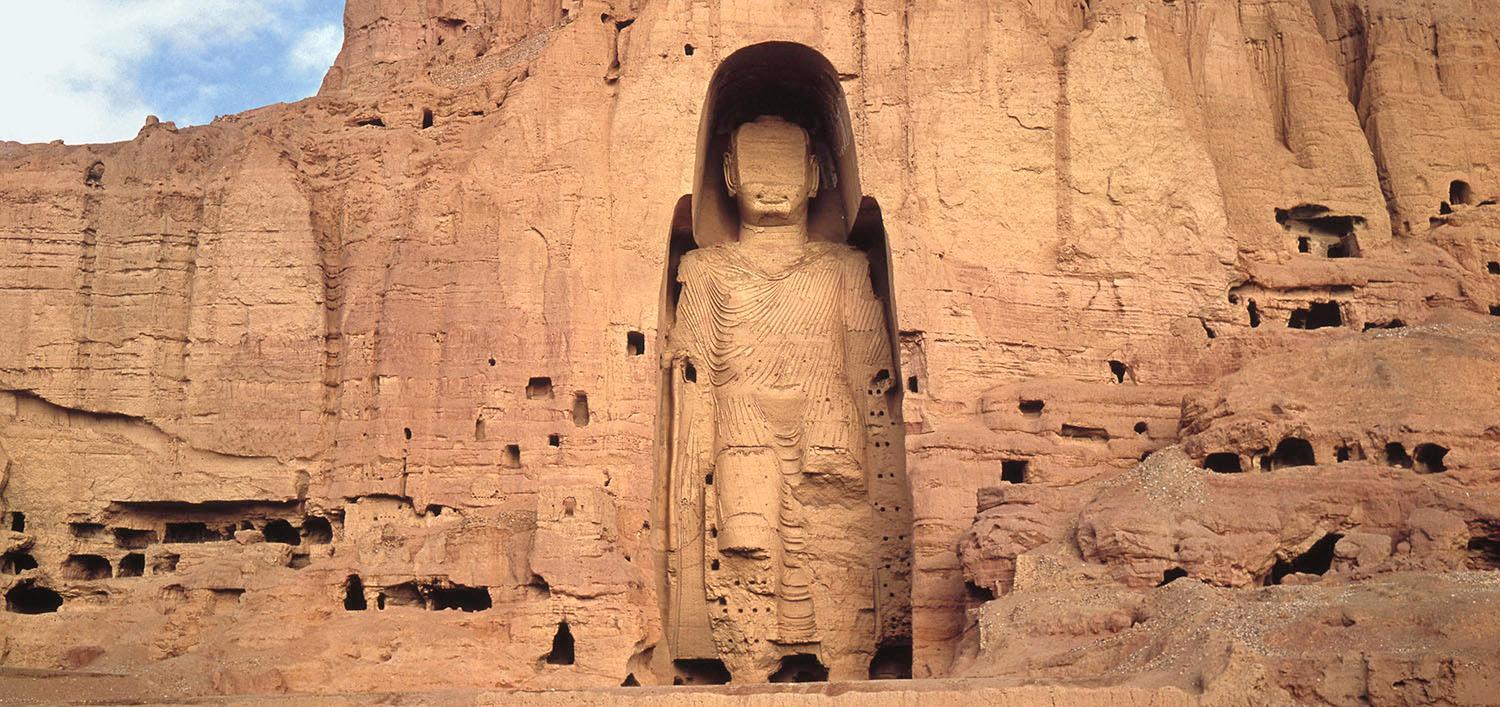
Highlights
- Rich Cultural Legacy: A melting pot of Greek, Indian, Persian, and Central Asian influences.
- Artistic Innovation: Origin of the iconic humanized Buddha imagery through a Greco-Buddhist artistic synthesis.
- Dynamic History: A region pivotal in trade, education, and the spread of Buddhism along the Silk Road.
Introduction to Gandhara
Gandhara was an ancient region that thrived as a cultural and commercial nexus between the Indian subcontinent, Central Asia, and the Middle East. Strategically positioned in what is today northwestern Pakistan and eastern Afghanistan, this region encompassed the Peshawar and Swat valleys and extended into the northern parts of the Indian subcontinent. Over centuries, Gandhara became a vibrant center for trade, education, and an intersection of diverse cultural traditions resulting from the conquests and influences of prominent empires such as the Achaemenids, the armies of Alexander the Great, the Mauryan dynasty, the Indo-Greeks, the Parthians, and the Kushan Empire.
The essence of Gandhara lies not only in its historical narrative but also in its pivotal role in the development of Buddhist art and philosophy. The region’s artistic traditions, which elegantly combined Greco-Roman realism with Indian sensibilities, played a key role in shaping Buddhist iconography. This article provides an in-depth look at Gandhara’s history, culture, art, and trade dynamics, enriched by a detailed question and answer segment to facilitate a comprehensive understanding.
Historical Overview
Early Beginnings and Cultural Foundations
The earliest roots of Gandhara can be traced back to the period known as the Gandhara grave culture (circa 1200–800 BCE). This phase was marked by distinctive burial practices along the Swat River which signified the emergence of early Indo-Aryan elements in the region. As these populations settled, they laid the groundwork for a society that would later be known for its forgiving embrace of diverse customs and ideologies.
The strategic location of Gandhara first attracted attention as it lay along critical trade routes. Its geographical prominence ensured that, during successive waves of migration and conquest, various peoples would pass through and leave an indelible mark on the cultural fabric of the region.
The Era of Conquests and the Kushan Golden Age
Over several centuries, Gandhara witnessed the ebb and flow of different empires. Among the most influential were the conquests of Alexander the Great, whose campaigns left behind pockets of Hellenistic influence. Later, the Mauryan dynasty further integrated the region into a larger politico-cultural realm. However, it was during the Kushan Empire – roughly spanning from the 1st to the 5th century CE – that Gandhara experienced its zenith, often referred to as the "Pax Kushana."
This golden period not only solidified Gandhara's role as a pivotal trade hub but also saw a profound cultural and artistic renaissance. During this era, Buddhist art flourished, with Buddhist monasteries, stupas, and statues emerging as key symbols of cultural identity. The cultural syncretism during this time was extraordinary; artists and scholars from different regions fused artistic styles and philosophical thought, resulting in a unique aesthetic and an inclusive intellectual atmosphere.
Geographical Importance and Trade Networks
The Region’s Geographical Extent
Gandhara's core regions were located in the fertile valleys of Peshawar and Swat, extending eastward to the Pothohar Plateau in modern-day Punjab. The cultural influence of what is sometimes referred to as “Greater Gandhara” spread westward into the Kabul Valley and northward towards the Karakoram range. This vast territory not only provided natural resources and arable land but also offered strategic passageways for military and commercial endeavors.
The region’s enviable location made it a key node on the ancient Silk Road, establishing strong commercial links between East and West. Traders carrying silk, spices, precious gems, and other commodities would traverse through Gandhara, ensuring a constant influx of wealth and artistic influences. This constant mix of goods, languages, and cultural norms contributed to shaping the cosmopolitan character that defined Gandhara.
Economic and Political Dynamics
Gandhara’s prosperity was intricately linked to its role as a vibrant commercial center. The region’s internal economy thrived on agriculture, pastoral activities, and craft production while simultaneously benefiting from extensive long-distance trade networks. Positioned on the northern trunk road, known historically as Uttarapatha, Gandhara connected regional markets that spanned the Indian subcontinent, Central Asia, and even the Mediterranean.
This economic prosperity made Gandhara a coveted prize for successive empires. However, while political control shifted between dominions, the underlying cultural and economic life often exhibited continuity. The blending of administrative practices, monetary systems, and urban planning approaches from different rulers contributed to the emergence of a uniquely syncretic state.
Cultural and Artistic Flourishing
A Melting Pot of Cultural Influences
Gandhara’s longevity and success are attributable in large part to its ability to absorb and synthesize elements from various cultures. The enduring influences of Greek, Roman, Persian, Central Asian, and Indian traditions are evident in every aspect of life in Gandhara, from language and literature to religion and the arts.
The region’s cultural landscape was further enhanced by its role as a major center for Buddhist learning. Cities like Taxila were renowned for their intellectual vibrancy, attracting scholars, monks, and students from across Asia. This cultural dynamism led to the geographical spread of Buddhist knowledge and fostered a climate of cross-cultural dialogue.
The Innovation of Gandhara Art
Perhaps the most visible and enduring legacy of Gandhara is its unique art style, commonly known as Gandhara art. This style is best exemplified by its Buddhist sculptures and narrative reliefs that combine the naturalism of Hellenistic art with traditional Indian motifs. Artists from the region used gray schist stone to carve figures that exhibit realistic human features, intricate drapery, and detailed facial expressions.
Prior to the Gandharan innovation, the Buddha was typically represented through a series of symbols such as the Bodhi tree or the Dharma wheel. The artists of Gandhara were responsible for transitioning from these abstract symbols to a fully humanized form of the Buddha. This redefinition of Buddhist iconography not only reinforced the spiritual significance of the Buddha but also underlined the synthesis of different artistic traditions.
One can observe a harmonious blend of Odonic elegance and Hellenistic realism in these sculptures. The aesthetic appeal of Gandhara art has resonated across cultures and epochs, influencing Buddhist sculpture in Central Asia, China, Korea, and Japan.
Key Characteristics of Gandhara Art
| Feature | Description |
|---|---|
| Material | Gray schist stone |
| Style | Fusion of Greco-Roman realism and Indian motifs |
| Depiction | Vivid human features, intricate drapery, realistic facial expressions |
| Subject | Buddha, Bodhisattvas, deities, scenes from Buddhist life |
This table illustrates the unique fusion of stylistic and technical elements that characterize Gandharan art. Through these artistic achievements, Gandhara not only redefined Buddhist iconography but also carved a niche that would influence artistic traditions across Asia.
Buddhism and Gandhara
A Center for Buddhist Learning and Practice
One of Gandhara’s most enduring contributions to history is its status as a center of Buddhist education and practice. The region was home to many monasteries and educational institutions, the most renowned among them being Taxila. Renowned as one of the greatest ancient centers for higher learning, Taxila attracted scholars, artists, and pilgrims throughout its existence.
The propagation of Buddhism from Gandhara was multifaceted. Buddhist monks and scholars traveled along established trade routes, spreading not only doctrines and literary texts but also innovative artistic depictions of the Buddha. The emergence of a humanized portrayal of the Buddha in Gandharan art further bolstered its appeal and helped standardize the iconography of Buddhism across distant regions.
Religious Syncretism and Language
The cosmopolitan nature of Gandhara led to a unique blend of religious practices. Although Buddhism became the foremost spiritual framework, the coexistence with local Hindu traditions and influences from Hellenistic and Persian cultures nurtured an environment of religious syncretism.
The widespread use of the Gāndhārī language, written in the Kharosthi script, facilitated communication and the dissemination of Buddhist teachings. This script served as the lingua franca of the region, linking communities and enabling a standardized transmission of both cultural and religious ideas.
Frequently Asked Questions (FAQs)
Q1: Where was Gandhara located?
Gandhara was situated in the region that today encompasses northwestern Pakistan and eastern Afghanistan. Its core areas included the Peshawar and Swat valleys, extending east to the Pothohar Plateau and west into the Kabul Valley.
Q2: What are the key historical periods of Gandhara?
The history of Gandhara spans several millennia. Significant phases include the early development during the Gandhara grave culture (circa 1200–800 BCE), successive influences from conquests by Alexander the Great and the Mauryan dynasty, and a golden age during the Kushan Empire (approximately 1st to 5th century CE) when Buddhist art and learning flourished.
Q3: What role did Gandhara play in trade and commerce?
Gandhara was a vital hub on the ancient Silk Road. Its strategic location on major trade routes enabled the exchange of goods, ideas, and cultural practices between the Indian subcontinent, Central Asia, and the Mediterranean world. This trade network not only enriched the local economy but also facilitated cultural and artistic exchanges.
Q4: Why is Gandhara art so significant?
Gandhara art is celebrated for its innovative synthesis of Greco-Roman and Indian styles. It played a crucial role in establishing the humanized image of Buddha, moving away from earlier symbolic representations. The art from this region is characterized by realistic depictions, intricate drapery, and a blend of cultural influences that have left a lasting legacy across Asia.
Q5: How did Buddhism spread from Gandhara?
The spread of Buddhism from Gandhara was largely facilitated by its monasteries and centers of learning, such as Taxila. Buddhist scholars and monks traveled along trade routes, disseminating teachings, texts, and artistic conventions. The standardization of Buddhist imagery in Gandharan art further helped in propagating Buddhism throughout Central Asia and into East Asia.
Q6: What caused the decline of Gandhara?
While Gandhara flourished for centuries, its decline began in the 5th century CE, notably due to invasions by groups such as the White Huns (Hephthalites). These incursions not only led to political instability and destruction of infrastructure but also contributed to a gradual decline in Buddhist patronage, as new religious currents emerged in the region.
Q7: How did Gandhara influence other regions?
Gandhara’s influence extended far beyond its geographic boundaries. Its artistic styles, especially the humanized portrayal of the Buddha, had a profound impact on Buddhist art throughout Central Asia, China, Korea, and Japan. Additionally, the teachings and scholarly traditions developed in Gandhara helped shape the intellectual landscape of Buddhism in many distant lands.
These frequently asked questions encapsulate the essence of Gandhara’s historical and cultural legacy, offering insights that highlight why this ancient region continues to fascinate historians, archaeologists, and art enthusiasts alike.
Legacy and Continuing Influence
A Lasting Cultural Heritage
Gandhara remains a compelling example of cultural syncretism and artistic innovation. Its contributions to Buddhist art and iconography have transcended time, influencing artistic traditions across Asia. Today, archaeological sites like Taxila and the valleys of Swat offer tangible evidence of the region’s grandeur and serve as a reminder of the far-reaching implications of cultural exchange in the ancient world.
The Gandharan legacy is not confined solely to art and trade. It also embraces an enduring spirit of learning and philosophical inquiry. This intellectual heritage continues to inspire contemporary scholars and enthusiasts, reminding us that the fusion of different cultures can lead to transformative new ideas and expressions.
Modern Significance and Research
In recent decades, renewed archaeological efforts and scholarly research have shed light on many aspects of Gandhara’s history that were previously obscured. Innovative technologies, such as digital imaging and remote sensing, have allowed researchers to rediscover lost urban layouts, forgotten inscriptions, and artistic details that further underscore the region’s historical importance.
Additionally, the study of Gandhara offers broader lessons in cultural resilience and exchange. As globalization reshapes modern interactions, Gandhara serves as an ancient reminder that cultural cross-pollination can yield profound artistic and intellectual achievements.
Conclusion
Gandhara, as an ancient crossroads of civilization, epitomizes the dynamic interplay of cultural, economic, and artistic forces in the ancient world. From its early formative years marked by the distinctive practices of the Gandhara grave culture to its flourishing golden age under the Kushan Empire, Gandhara’s evolution is a story of resilience and visionary synthesis. Its strategic location along the Silk Road not only facilitated extensive trade but also promoted an unparalleled exchange of ideas that influenced religious practices, art, and education across continents.
The artistic innovations from Gandhara, particularly in the depiction of the Buddha, continue to influence and inspire contemporary art and religious iconography. The region’s intellectual vigor, demonstrated through centers of learning like Taxila, remains a symbol of the enduring power of cultural dialogue. As modern scholars continue to uncover layers of its history through research and archaeological discoveries, Gandhara stands as a timeless testament to the enduring value of cross-cultural exchange.
In sum, Gandhara is far more than a historical footnote; it is an emblem of cultural fusion, artistic brilliance, and economic dynamism. Its legacy provides abundant insights into ancient globalization and reminds us of the universal human quest for knowledge, expression, and interconnection.
References
- Gandhara - Wikipedia - Wikipedia
- Gandhara Kingdom: Rich History and Cultural Influence - AncientPedia
- Gandhara Civilization - World History Encyclopedia
- The Art of Gandhara in The Metropolitan Museum of Art - The Met
- Gandhara - Asia Society
Recommended
Last updated February 23, 2025