
Profitability of the Garbage Business
In-depth analysis of the revenue, margins, and growth factors in waste management
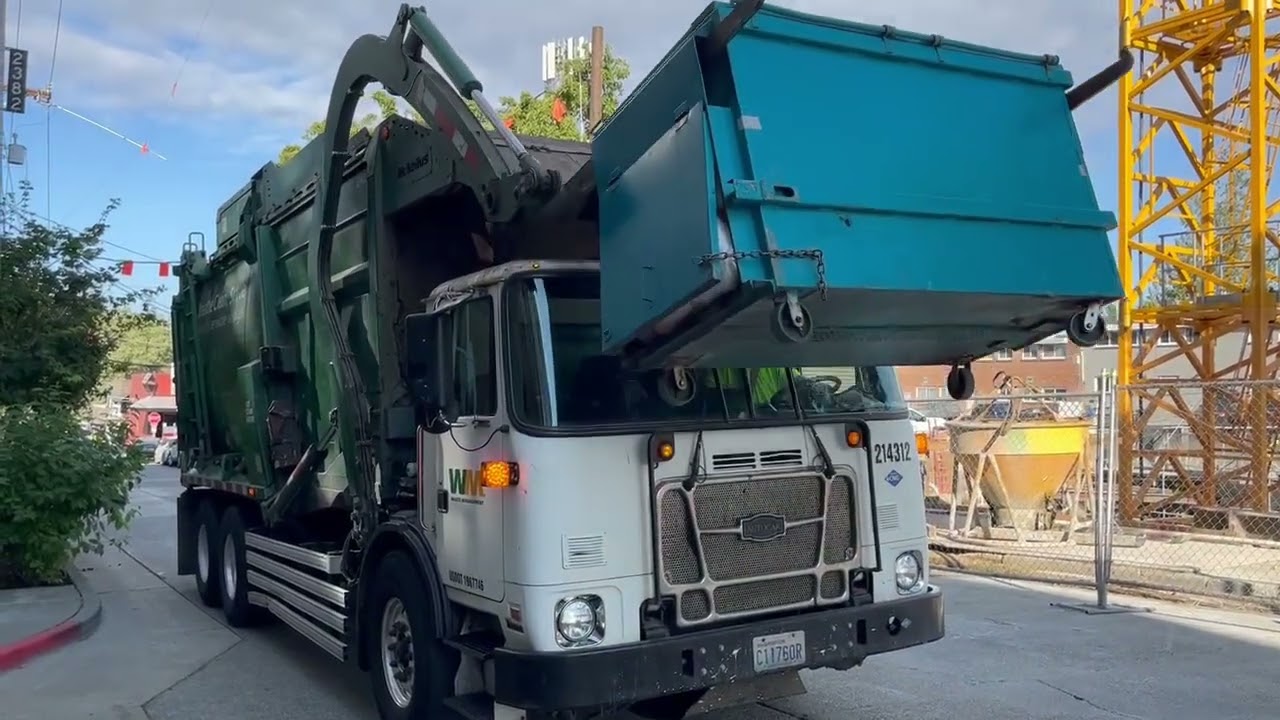
Highlights
- Revenue Scale: Businesses range from small operators earning around $500,000 annually to large companies making over $10 million.
- Profit Margins: Net margins range from 5% to 20%, with EBITDA margins often reaching 25% after managing operating costs.
- Growth Opportunities: Steady growth is driven by urbanization, environmental initiatives, and increasing demand for sustainable waste management.
Overview of the Garbage Business Profitability
The garbage collection business, encompassing various segments of waste management including collection, disposal, recycling, and waste-to-energy conversion, can be highly profitable depending on several key factors. These factors include the scale of operations, cost management, regional market demand, and adherence to environmental sustainability practices. The industry has evolved significantly with technological applications improving operational efficiency and reducing costs, contributing to robust profitability metrics.
Revenue Streams and Business Scale
The waste management industry offers diverse revenue streams that cater to different market segments. Large-scale companies typically generate revenues exceeding $10 million annually, while medium-sized operations can bring in between $1 million and $5 million per year. Even smaller or niche operators can achieve annual revenues of around $500,000 or more, especially when tapping into specialized services like recycling, waste-to-energy, or innovative landfill management projects.
Revenue Characteristics
The revenue in the garbage business is primarily derived from the fees charged for collecting and processing waste. Depending on regional demand and service contracts, companies might also see income from recycling initiatives and strategic partnerships with municipal authorities or private enterprises. These revenue streams benefit from recurring contracts which help stabilize cash flow and support long-term operational planning.
Profit Margins in Waste Management
Profitability in the garbage business is often analyzed through various margin metrics. The net profit margins for waste management companies generally range from 5% to 20%. In addition to this, operating profit margins, often referred to as EBITDA margins, can reach about 25% after accounting for the operational expenses, such as salaries, fuel, maintenance, and administrative costs. Maintaining a healthy margin requires optimizing routes, reducing idle time, and integrating technology to streamline the logistics.
Cost Management and Operational Efficiency
Effective cost management plays a crucial role in sustaining profitability. Waste management businesses often face high initial capital investments for equipment, licensing, and operational setup. However, after overcoming these startup costs, continuous investment in modern technology—such as GPS route optimization and automated scheduling systems—can lead to significant savings in fuel and labor expenses, directly improving the overall margin. Additionally, companies that focus on eco-friendly practices can leverage government subsidies or incentives to further enhance their bottom line.
Market Trends and Growth Opportunities
The waste management industry benefits from a steady growth pattern driven by increasing urbanization, environmental concerns, and heightened regulatory requirements. As cities expand and waste production increases, the demand for reliable and efficient waste services grows concurrently. Moreover, there is a rising consumer and governmental preference for companies that adopt sustainable practices, which can also lead to improved customer retention and a competitive advantage.
Market Growth and Future Projections
Industry forecasts predict a compound annual growth rate (CAGR) of approximately 5.4% to 5.5% in the near future, reflecting the resilience and steady expansion of the sector. The global market valuation continues to climb, underlining the increasing investment in infrastructure and environmental initiatives. Investors and entrepreneurs are increasingly attracted to this industry, not only for its profitability potential but also for its positive environmental impact.
Detailed Profitability Metrics
| Metric | Details |
|---|---|
| Annual Revenue (Large-scale) | > $10 Million |
| Annual Revenue (Medium-scale) | $1 Million - $5 Million |
| Annual Revenue (Small-scale) | ≈ $500,000+ |
| Net Profit Margin | 5% - 20% |
| EBITDA Margin | \(25\%\) (after operating expenses) |
| Growth Rate (CAGR) | \(5.4\% - 5.5\%\) (2023–2030/2032) |
| Average Operating Revenue | \(\approx \$376,000\) in gross revenue (varies widely) |
Key Factors Influencing Profitability
Operational Efficiency
One of the most critical aspects of maintaining profitability is operational efficiency. Optimized collection routes, strategic scheduling, and proper maintenance of equipment can significantly reduce operational costs. Leveraging modern technologies such as GPS tracking and real-time monitoring helps in achieving better route planning and reducing fuel costs, thereby improving overall earnings.
Sustainable Practices
The integration of sustainable and eco-friendly practices not only supports environmental stewardship but also enhances profitability. Companies that adopt recycling and waste-to-energy programs often experience better customer loyalty. These initiatives can also attract government incentives and potential subsidies, further boosting profit margins.
Cost Structures and Initial Investments
A significant challenge in the garbage business is the initial capital investment required for starting up. Costs such as high-end equipment, licensing, fleet management, and training add to the financial requirements. However, many successful companies recoup these investments quickly as the recurring revenue and operational improvements compound over time.
Market Demand and Regulatory Environment
The ongoing regulation concerning environmental safety and mandatory waste management practices has a positive impact on the industry. Municipal contracts and increasing private sector reliance on waste management services ensure a steady and predictable income stream. As regulations become more stringent, there will likely be further consolidation and professionalization within the market.
Summary Table of Profitability Factors
| Factor | Impact on Profitability |
|---|---|
| Scale of Operations | Higher revenue potential in large-scale operations; diverse contracts increase earnings. |
| Operational Efficiency | Optimized routes and equipment maintenance reduce operating costs and boost margins. |
| Sustainable Practices | Adoption of eco-friendly technologies can lead to incentives and improved customer retention. |
| Regulatory Environment | Strict waste management laws ensure consistent demand and stable revenue streams. |
| Initial Investment | High startup costs, but with efficient cost management, these are quickly offset by recurring revenue. |
References
- Garbage Collection Services Profitability - BusinessPlan Templates
- Profitability in Garbage Collection - FinModelsLab
- Garbage Collection Business Revenue - Profitable Venture
- Waste Management Profitability Insights - SharpSheets
- Waste Management EBITDA & Valuation Multiples - FirstPageSage
Recommended Further Queries
Last updated March 18, 2025