
Textile Production from Garlic Peels into Bio-Textiles
Exploring Innovative Sustainable Approaches in Bio-Based Textile Design
Highlights
- Innovative Bio-Materials: Transforming garlic peels into versatile and biodegradable textiles.
- Sustainable and Eco-Friendly: Reducing food waste and environmental pollution by harnessing agricultural by-products.
- Academic and Industry Collaboration: Projects from academic institutions and design professionals paving the way for new materials in various industries.
Introduction
Over the last few years, innovative research has emerged focusing on transforming agricultural waste into eco-friendly, sustainable materials. One exciting area of study is the utilization of garlic peels—a by-product of the food industry—as a raw material for creating bio-textiles. This research not only provides a solution for minimizing food waste but also introduces new avenues for developing textiles with natural antibacterial properties and biodegradability. This comprehensive overview explores several pioneering studies and projects that investigate the conversion of garlic peels into textile materials, highlighting their potential applications in fashion, medical industries, and sustainable design.
Historical Context and Motivation
The textile industry has long been associated with high environmental costs such as pollution and significant resource consumption. With global awareness about sustainability on the rise, researchers and designers are actively seeking alternatives that minimize environmental damage. Agricultural by-products like garlic peels are gaining attention because they are rich in cellulose, hemicellulose, and lignin—components that can be processed into fibrous fabric materials.
Traditionally discarded as waste, garlic peels now represent an abundant and renewable resource that can be transformed into bio-based textiles. In addition to environmental benefits, these materials offer unique properties including natural antibacterial effects that can be particularly beneficial in applications requiring hygiene and durability, such as medical textiles.
Key Projects and Academic Studies
The Sacalho Project
One of the most discussed initiatives in this field is the Sacalho Project, led by a brilliant master's student in Industrial and Product Design. The project involved transforming garlic peels into a bio-textile that was ultimately used to manufacture a fully biodegradable tote bag. Under the guidance of seasoned mentors in design and materials engineering, the project showcased how waste materials could be reimagined as functional products.
Project Overview
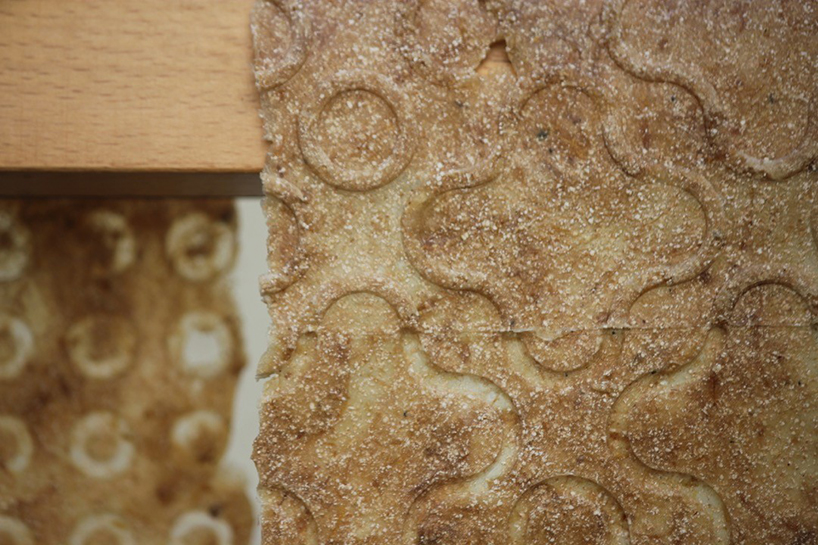
The Sacalho Project’s methodology entailed several critical steps. Initially, garlic peels were collected and processed to extract their fibrous components. These components were then mixed with biodegradable binders to create a pliable and homogenous mixture suitable for molding. The mixture was poured into modular molds, where it set over the course of two days. After unmolding, the resulting material possessed mechanical properties that made it comparable to conventional fabrics.
Not only did the project demonstrate the feasibility of creating leather-like textiles from garlic peels, it also emphasized customization in design. By adjusting the dimensions and patterns during the molding process, designers could produce textiles with varied textures and appearances, further expanding the potential applications of these materials.
University of Porto's Bio-Textile Development
An important academic collaboration took place at the University of Porto. This study was notable for its comprehensive approach in integrating design innovation with robust scientific inquiry. The project aimed at developing textiles comparable to traditional fabrics by capitalizing on the natural composition of garlic peels.
Methodology and Outcomes
The research process involved extensive experimentation with various agricultural by-products before prioritizing garlic peels due to their optimal properties for fiber extraction. Researchers conducted detailed analyses, comparing the mechanical properties—such as tensile strength and flexibility—of the bio-textile with those of conventionally produced materials. The success of this initiative was validated through prototypes like the Sacalho tote bag. The resultant material not only met aesthetic and practical requirements but also offered excellent biodegradability, aligning with sustainability objectives.
The project demonstrated that academic collaborations can lead to tangible advancements in sustainable material science. The interplay of industrial design, chemistry, and environmental engineering was key. Notably, the involvement of design experts and materials engineers provided the dual benefit of ensuring the product's functionality while retaining an innovative design.
Academic Theses on Composite Materials
Beyond the highlighted projects in Europe, other academic studies have explored the broader potential of garlic peels as composite materials. One such project was undertaken by a design student whose thesis title was centered on the exploration of composite materials derived from garlic peels. This study not only reinforced the material’s structural integrity but also showcased its versatility in creating home accessories such as lamps, tapestry dividers, and end tables.
Experimental Approaches and Findings
In the thesis project, the process began with the characterization of garlic peels through chemical composition analysis. The breakdown of cellulose, hemicellulose, and lignin provided clues about the material's suitability for composite formation. The processed garlic peels were combined with biodegradable polymers to craft materials capable of withstanding daily wear and tear. Comparative testing involved both laboratory-scale experiments and real-life applications, leading to promising results that demonstrated both durability and functional aesthetics.
This work not only contributed to academic knowledge but also offered potential for practical applications in sustainable design. By offering an alternative to conventional plastics and textiles, garlic peel-based composites contribute to environmentally responsible manufacturing practices. Their usage may extend into sectors such as interior design, where sustainability is a growing requirement.
Technological Processes and Material Properties
The transition of garlic peels from waste to textile involves several technological processes and analyses of material properties. The process usually follows these major phases:
1. Collection and Pre-Treatment of Garlic Peels
The initial phase involves the collection of garlic peels from processing plants and kitchens. These peels are then subjected to cleaning procedures to remove impurities. Following cleaning, they often undergo drying and sometimes grinding to enhance their suitability as raw materials.
2. Extraction and Modification of Fibrous Components
Post pre-treatment, the next critical phase is the extraction of fibrous elements such as cellulose. Various chemical or mechanical methods can be applied to separate the fibers from other unwanted components. Subsequent modification steps, like blending with biodegradable binders or enzymes, help improve the mechanical properties and moldability of the resulting bio-material.
3. Molding, Setting, and Finishing
After obtaining a uniform bio-material mixture, the material is poured into molds designed for the intended textile product. The setting process typically occurs over a period of two days, during which the material hardens into a flexible sheet. The final phase involves demolding and further treatments like sewing or heat-setting to stitch the bio-textile into finished products like tote bags.
Table: Comparative Overview of Key Projects
| Project | Institution/Designer | Product Developed | Key Features |
|---|---|---|---|
| Sacalho Project | University of Porto / Gui Giantini | Tote Bag | Biodegradable, customizable geometry, sustainable design |
| Academic Thesis on Composite Materials | Design Student (University of Philippines Cebu) | Home Accessories (Lamps, Dividers, Tables) | Versatile composite, exploration of mechanical properties |
| Biodegradable Packaging Study | Various Research Groups | Packaging Materials | Rich in cellulose, hemicellulose, and lignin; high sustainability |
Sustainability and Environmental Impact
The utilization of garlic peels in textile production has profound sustainability implications. One of the central challenges in traditional textile manufacturing is its heavy reliance on non-renewable resources and the generation of pollution throughout the production process. By contrast, bio-textiles stemming from garlic peels provide several environmental benefits:
- Waste Reduction: By repurposing agricultural waste, these projects significantly cut down on the volume of material discarded in landfills.
- Lower Carbon Footprint: Utilizing natural fibers that require less energy-intensive processing reduces the overall carbon emissions associated with textile production.
- Eco-Friendly Production: The processes employed typically involve biodegradable mixtures and fewer harmful chemicals, contributing to a cleaner production chain.
- Natural Antibacterial Properties: Garlic-based textiles naturally contain antibacterial compounds, making them suitable for contexts where hygiene is critical.
Economic and Social Considerations
Transitioning to bio-based textiles not only addresses environmental concerns but also brings economic and social benefits. Local communities and small-scale industries can harness these sustainable practices to create job opportunities and promote local innovation. Further, as consumer awareness grows regarding the environmental impacts of fast fashion, products made from recycled or alternative resources can capture a niche market interested in sustainable design.
Additionally, the involvement of academic institutions and design labs fosters a culture of interdisciplinary collaborations. Such collaborations are vital for ensuring that the development and scaling of bio-textile production methods are both economically viable and environmentally sustainable.
Challenges and Future Research Directions
Despite the promising advancements, there are challenges to be addressed before garlic peel-based textiles can become mainstream. Among the primary challenges:
- Scalability Issues: While lab-scale experiments and prototypes have demonstrated success, scaling the production process to meet industrial demands remains a challenge. Future research should focus on optimizing processing techniques to ensure consistency and cost-effectiveness.
- Durability and Performance: Although initial tests reveal mechanical properties comparable to traditional fabrics, further long-term testing is necessary to understand how these bio-textiles perform under various conditions over time.
- Standardization: Industries require standardized material properties and processing protocols. Establishing such certifications for garlic peel textiles will be key in encouraging broader adoption.
- Market Penetration: Consumer acceptance of bio-based textiles is still in an initial phase. Initiatives that educate consumers on the benefits of sustainable materials could help bolster demand and push further innovation in this area.
Emerging Trends and Innovations
Future research may focus on enhancing the properties of garlic peel bio-textiles by experimenting with bio-polymer composites and advanced binding agents. Innovations in processing and post-treatment techniques could lead to textiles with improved durability, moisture resistance, and adaptability. Furthermore, integrating advanced technologies like nanotechnology might further reinforce the fibers and expand their application range into high-performance fabrics suitable for specific industrial requirements.
Comparative Analysis and Market Potential
A detailed comparative analysis illustrates that while traditional textiles form the mainstream due to established manufacturing processes, garlic peel bio-textiles hold distinct advantages in sustainability and unique functional properties. As market interest in eco-design grows, these bio-textiles might disrupt conventional supply chains.
Material Comparison
The following table provides a side-by-side comparison of garlic peel bio-textiles and traditional textiles:
| Property | Garlic Peel Bio-Textile | Conventional Textile |
|---|---|---|
| Environmental Impact | Low, biodegradable, derived from waste | High carbon footprint, non-renewable inputs |
| Antibacterial Properties | Natural antibacterial compounds present | Depends on chemical finishes |
| Production Energy | Potential for lower energy use | High energy processes |
| Customization Potential | High due to mold casting techniques | Limited by traditional manufacturing |
With continued research and cumulative improvements in processing techniques, the market potential for garlic peel bio-textiles is extremely promising. Adoption by mid-sized eco-friendly brands and innovations in material science could soon bring these advanced alternatives to mainstream fashion and industrial applications.
Innovative Applications and Future Prospects
Although the initial applications of garlic peel bio-textiles have largely focused on items like tote bags and home accessories, the scope for future applications is vast. With modifications in the treatment process, these bio-textiles may find use in several innovative domains:
Medical Textiles
The inherent antibacterial properties of garlic-derived textiles make them an appealing option for medical applications. They could be used to produce bandages, surgical gowns, or wound dressings, reducing the risk of infections and providing a biodegradable solution for disposable medical supplies. Continued research in this area might focus on optimizing material properties to meet the stringent requirements of medical standards.
Fashion Industry
Sustainable fashion is an area where bio-textiles can make a significant impact. Designers and brands dedicated to eco-friendly practices can integrate textiles created from garlic peels into their collections, offering products that tell a story of sustainability and innovation. By leveraging the natural antibacterial properties and distinctive textures of these materials, fashion houses could reimagine everything from casual wear to high-end design pieces.
Industrial and Packaging Applications
Beyond clothing and accessories, research has also explored the use of garlic peels for creating biodegradable packaging materials. The structural integrity of these materials makes them suitable for protective packaging, food containers, or even insulation materials. This diversification underscores the potential for garlic peel derivatives to transcend traditional textile applications and contribute broadly to sustainable manufacturing practices.
Conclusion
The field of bio-textiles derived from garlic peels embodies a fascinating convergence of sustainability, design innovation, and waste valorization. By transforming an abundant agricultural by-product into a commercially and environmentally viable material, researchers and designers are opening new frontiers in textile production. The Sacalho Project and other academic initiatives, including extensive compositional studies and experimental designs, have demonstrated that garlic peel bio-textiles are not only biodegradable and customizable but also possess comparable mechanical properties to traditional fabrics.
Although challenges such as scalability and long-term durability require further research, the multifaceted benefits—from reducing food waste to offering antibacterial properties—affirm the potential of these bio-textiles in meeting modern demands for sustainability. As research continues and interdisciplinary collaborations intensify, garlic peel bio-textiles may soon become a staple in sustainable fashion, medical textiles, and even industrial design.
In conclusion, the innovative use of garlic peels for textile production represents a promising shift towards environmentally responsible manufacturing. The ongoing advancements in processing techniques, combined with enthusiastic academic and industrial support, provide a roadmap for future developments. As consumers and industries increasingly embrace sustainability, the integration of bio-based materials such as those derived from garlic peels will likely become an integral part of the global shift toward a greener economy.
References
-
Sacalho Tote Bag Initiative - B2BChief
- Garlic Husk Bio-Textile Sacalho Tote Bag - Designboom
- University of Porto Bio-Textile Development - Tjornal International
- Unique Garlic-Based Textiles - Garlic Store
- College Student Garlic Peel Thesis - Nylon Manila
Recommended
Last updated February 23, 2025