
Efficacy of Using Garlic Peels as a Sustainable Material for KEARCEN Fabric
Exploring Innovative Sustainable Approaches in Textile Production
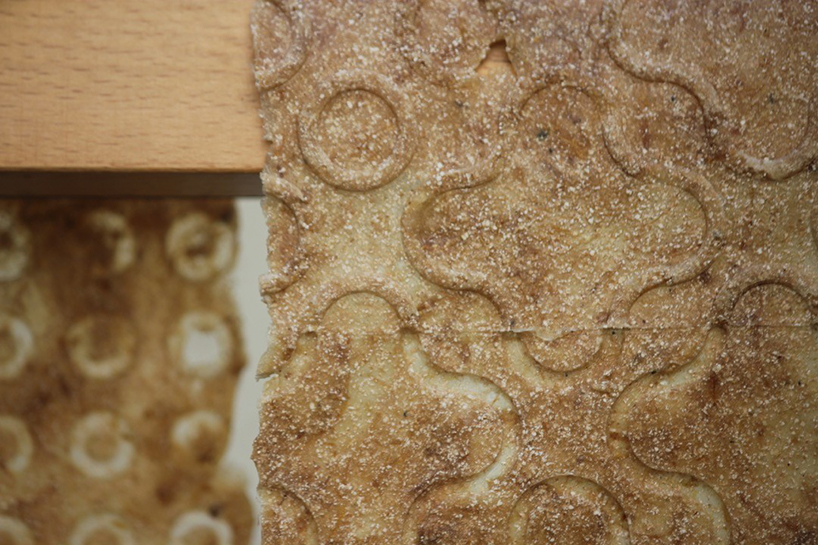
Key Highlights
- Innovative Material Sourcing: Utilizing garlic peels reduces food waste and promotes circular economy principles.
- Multi-faceted Applications: The inherent properties of garlic peels contribute to antibacterial, anti-oxidant, and biodegradable features in textiles.
- Potential for Sustainable KEARCEN Fabric: Research into garlic peel-based materials provides a promising foundation for developing eco-friendly, high-performance textiles like KEARCEN fabric.
Overview and Context
The search into sustainable and eco-friendly textile alternatives has evolved significantly over recent years. One promising area involves the exploration of agricultural waste, such as garlic peels, to produce biodegradable and robust material components. The concept of KEARCEN fabric is inspired by these findings, seeking to integrate natural fiber sources with advanced textile engineering.
Garlic peels are by-products of garlic processing and are ordinarily discarded as waste. However, recent studies have demonstrated that these peels contain a high concentration of fibers and bioactive compounds that can impart various beneficial properties to textiles. These properties include antibacterial and antioxidant effects, making them highly attractive for use in medical, fashion, and other industrial applications. Although there are no direct experiments on KEARCEN fabric as a product, the extensive research on garlic peel material utilization provides a strong foundation for considering its effectiveness as a sustainable material component.
In assessing the efficacy of using garlic peels, it is vital to analyze multiple dimensions of the material—from its physicochemical properties and ease of processing to its environmental benefits and end-use performance. In this review, we delve into detailed studies and experiments that support the use of garlic peels in various sustainable applications, and how these findings extrapolate to the development of KEARCEN fabric.
Scientific and Material Properties Analysis
Physical and Chemical Characteristics of Garlic Peels
Garlic peels are found to contain an impressive proportion of natural fibers, with reported fiber content reaching as high as 62.23%. This fibrous nature makes them an excellent candidate for conversion into a variety of bio-materials. Additionally, garlic peels possess a moderate protein content (approximately 8.4%) and very little lipid matter (around 0.86%), characteristics that favor their processing into composite materials or textiles. The high cellulose content, along with other biopolymers, provides structural strength, rendering them suitable for high-stress fabric applications.
The intrinsic qualities of garlic peels are further augmented by their natural antibacterial and antioxidant compounds. These bioactive substances can offer a protective layer to the fabric, potentially inhibiting microbial growth. In the context of KEARCEN fabric, integrating garlic peels could create textiles that not only are sustainable but can also resist bacterial degradation, a property with significant implications for medical textiles and other high-hygiene applications.
Technical Processing and Extraction Methods
To harness the full potential of garlic peels in material applications, researchers have developed several extraction and processing methods. Techniques such as solvent extraction, composite film formation, and nanocellulose isolation have shown promising results. In one study, garlic peel fibers were combined with other biodegradable polymers to create composite films, showing excellent mechanical properties and flexibility. This research is directly relevant to fabric production, as the raw garlic peel fibers can be processed into yarns or film-like sheets that form the basis for novel, biodegradable textile materials.
Additionally, natural dye extraction from garlic skins has been explored. This dyeing process utilizes organic mordants, allowing for the coloration of fabrics without harsh chemicals, further enhancing the eco-friendly image of the final product. Such approaches in dye extraction using organic compounds from garlic peels hold potential for adding aesthetic and functional value to KEARCEN fabric.
Comparative Mechanical and Durability Evaluations
Comparative studies have been conducted to evaluate garlic peel-based materials against conventional alternatives. In experiments where garlic peel fibers were processed into paper and composite materials, the resulting products exhibited comparable or superior mechanical properties. For instance, paper produced from garlic peels showed similar ink absorption and thickness compared to commercial paper, while exhibiting higher tear strength. Although the tactile texture and opacity were somewhat lower, these characteristics are currently being refined through advanced processing techniques.
The mechanical testing of garlic peel-based composites indicates that these materials could achieve the durability necessary for fabric production. When processed correctly, the composites exhibit flexibility, tensile strength, and resilience – all crucial attributes for the development of KEARCEN fabric, especially if the material is to be used in applications requiring repeated stress, washing, or outdoor exposure.
Applications and Functional Attributes in Textile Production
Garlic Peel Bio-Textiles in Design and Fashion
In the realm of sustainable design, bio-textiles fabricated from garlic peels have made notable strides. A creative project involved the production of a tote bag crafted from a bio-textile derived from garlic husks. This tote bag—a project aimed at promoting sustainable design—showcased how simple agricultural waste could be leveraged to produce a resilient, biodegradable fabric suitable for everyday use. The initiative itself served as a proof-of-concept demonstrating that sustainable design can drift away from conventional industrial materials without compromising on aesthetics or functionality.
The manufacturing process involved mixing garlic peels with other natural binders and forming a moldable compound that could be sewn into a fabric. The end result was a material that retained the natural texture and warmth of organic textiles while also introducing unique properties such as reduced microbial growth. This process insightfully informs the development of KEARCEN fabric, suggesting that similar bio-composite methods could be utilized to ensure both durability and eco-compatibility.
Eco-Friendly Packaging and Home Accessories
Beyond textiles, garlic peels have been integrated into various sustainable applications, including biodegradable packaging materials. The conversion of garlic peels into packaging demonstrates an alternative pathway for completely diverting organic waste away from landfills. In these studies, garlic peel fibro material was combined with biopolymers to form composite films that were chemically stable and mechanically robust enough to serve as an eco-friendly packaging option.
This technology is highly transferable to fabric production. The methodologies used to extract fibers and subsequently create packaging films overlap significantly with those needed to produce fabric yarns. In essence, the same principles of bio-composite formation, fiber integrity, and biodegradability apply. Projects that have adapted garlic peel compositions into home accessories like lamps, tableros, and decorative panels have further validated the versatility of the material, hinting at the promise of introducing similar attributes into KEARCEN fabric.
Antibacterial and Antioxidant Features
Unique to garlic peels is their natural repository of antibacterial and antioxidant compounds. These properties are highly desirable in fabrics that are intended for frequent human contact or usage in environments where bacterial growth is a concern. Natural antibacterial properties can significantly extend the lifespan of textiles by preventing the onset of microbial decay. For KEARCEN fabric, leveraging these compounds would result in clothing or cover materials that maintain both hygiene and longevity.
By retaining the naturally occurring bioactive components during the processing stage, manufacturers can develop fabrics that offer built-in resistance to bacteria, potentially reducing the need for additional chemical treatments which are often detrimental to the environment. Additionally, antioxidant properties can help slow down the degradation process due to oxidative stress, thus preserving the fabric's structural integrity over time.
Environmental and Economic Benefits
Sustainable Waste Management and Circular Economy
One of the primary motivations behind research into garlic peels as a sustainable material is their role in waste management. Garlic peel waste is abundant due to the widespread culinary use of garlic across the globe. Typically, these peels are discarded without purpose; however, their potential as a raw material redefines waste as a valuable resource. By diverting garlic peels from landfills and repurposing them in textile manufacturing, the overall environmental footprint of garment production can be significantly reduced.
The adoption of garlic peels in fabric production is consistent with the principles of the circular economy, where resource efficiency and recycling are fundamental. This model emphasizes turning waste materials into high-value products and minimizing environmental degradation in the process. In the broader context of sustainable development, using garlic peels to produce KEARCEN fabric not only addresses issues of food waste and excess biomass but also reduces dependence on fossil-based materials traditionally used in the textile industry.
Cost-Effectiveness and Scalability
From an economic standpoint, transforming garlic peel waste into fabric material presents a cost-effective solution. Since the raw material is essentially an abundant waste product, the initial costs of acquisition are minimal. When scaled appropriately, reduced input costs paired with innovative processing techniques can translate into affordable, eco-friendly textiles that may even outperform traditional fabrics in certain applications.
Moreover, as industries globally are under continuous pressure to adopt sustainable and ethical practices, investing in bio-based materials such as garlic peel-derived textiles can enhance brand reputation and compliance with increasingly stringent environmental regulations. Scalability is supported by ongoing improvements in processing technology, ranging from fiber extraction to composite formation, which collectively drive down production costs.
Comparative Analysis: Garlic Peel-Based Materials vs. Conventional Textiles
Comparison Table
The table below details a comparison between the material properties of garlic peel-based composites and conventional textiles, highlighting their relative strengths and current challenges in adopting them for purposes such as KEARCEN fabric production.
| Property | Garlic Peel-Based Materials | Conventional Textiles |
|---|---|---|
| Fiber Content | High (up to 62.23%) | Varies widely (cotton typically 70-80%, synthetics vary) |
| Mechanical Strength | Comparable tensile strength with potential for enhanced tear resistance | Well-established and optimized |
| Antibacterial Properties | Natural antibacterial and antioxidant compounds present | Typically require treatment or additives |
| Biodegradability | Fully biodegradable with eco-friendly processing | Dependent on material (natural fibers vs. synthetic materials) |
| Processing Complexity | Requires advanced extraction and composite techniques | Well-understood, standardized processes |
| Cost Efficiency | Potentially cheaper due to abundance of raw waste | Varies; synthetic fibers may require more energy |
The comparative analysis illustrates that while garlic peel-based materials are promising in many respects, their full commercial adoption in fabrics such as KEARCEN fabric depends on further innovation in processing and scalability. However, the environmental and functional benefits present a compelling case for continued research and development.
Integrating Research Insights into KEARCEN Fabric Development
Potential Advantages for KEARCEN Fabric
By integrating garlic peels as a core material component, KEARCEN fabric could inherit several inherent advantages. The natural antibacterial properties may lead to textiles that are better suited for sanitary environments, while its biodegradability aligns perfectly with aesthetic and regulatory trends favoring environmentally friendly production methods. Additionally, the use of waste material supports broader sustainability initiatives, reducing the overall environmental footprint of textile manufacturing.
Moreover, the unique textural qualities imparted by garlic peel fibers may offer new aesthetic opportunities, making KEARCEN fabric both functionally superior and visually distinct. The possibility of incorporating natural dye processes using garlic skin further opens avenues for producing unique fabric colors without synthetic chemicals, enhancing both its market appeal and ecological value.
Challenges and Research Gaps
Despite the promising attributes associated with garlic peel-derived materials, several challenges remain before they can be fully integrated into commercial products like KEARCEN fabric. Current studies underscore the need to refine the processing methods to improve tactile quality, opacity, and consistency of the final product. While garlic peel-based paper and composite films have demonstrated favorable mechanical properties, additional research is required to optimize these processes for fabric production.
Also, scaling up production poses its own set of challenges. Laboratory-scale experiments show potential; however, transitioning these processes to an industrial scale must ensure that the benefits of sustainability and cost-effectiveness are maintained. More research is needed on the long-term durability and performance of textiles manufactured from garlic peels, including tests under various environmental conditions and repeated usage cycles.
Overall, while initial research and pilot projects have provided encouraging results, further detailed studies are necessary to overcome current limitations. In particular, research focusing on aligning fiber extraction techniques with modern textile manufacturing processes would be critical to the successful development of KEARCEN fabric as a market-ready eco-friendly textile.
Economic and Environmental Impact Analysis
Environmental Benefits
The environmental benefits of using garlic peels as a sustainable material are substantial. Utilizing waste garlic peels reduces the environmental footprint associated with the disposal of agricultural by-products. This waste-to-resource approach not only alleviates landfill pressures but also minimizes greenhouse gas emissions that result from the decomposition of organic waste.
Additionally, the production of KEARCEN fabric using garlic peels could significantly reduce reliance on non-renewable resources. Since traditional textiles often involve energy-intensive processes and synthetic chemical treatments, a bio-based alternative promises lower emission levels throughout its production cycle. Incorporating renewable agricultural waste contributes to a broader sustainability strategy, aligning with global initiatives for cleaner production methods.
Economic Considerations
Economically, the use of garlic peels represents a promising avenue for cost savings and added value. Since garlic peels are largely considered waste products, their acquisition cost is minimal compared to conventional textile fibers. The potential for generating a high-value product from otherwise discarded material supports both economic and environmental sustainability.
Industries embracing this innovation may also benefit from improved brand reputation and consumer approval, as the shift towards eco-friendly materials is becoming a critical market differentiator. Moreover, the production processes, once optimized, could lead to lower manufacturing costs, making KEARCEN fabric not only a sustainable choice but also a financially viable option in a competitive market.
Future Directions and Research Needs
Advancing Processing Techniques
A key direction for future research involves refining the processing techniques used to extract fibers and bioactive compounds from garlic peels. Innovations in solvent extraction, enzymatic treatment, or mechanical separation could improve the quality and consistency of the derived material. Such advancements would be essential to ensure that the resultant fabric meets the rigorous demands of both consumer expectations and industrial applications.
Future studies should also explore the integration of garlic peel-based fibers with other bio-polymers to enhance desirable properties such as flexibility, durability, and water resistance. The development of a standardized processing framework will support scalability and help transition laboratory successes to commercial viability.
Comprehensive Testing and Validation
To thoroughly assess the efficacy of garlic peel-derived materials for KEARCEN fabric, comprehensive testing is required. This includes testing the fabric’s performance under various conditions such as prolonged UV exposure, repeated washing, and mechanical stress tests. Evaluating the long-term resilience and biodegradability of the fabric will be crucial for ensuring that it can serve as a reliable alternative to conventional textiles.
In addition, studies should focus on the synergy between the natural compounds present in garlic peels and other fabric constituents. Understanding how these compounds interact during the lifecycle of the fabric will provide valuable insights into wear and degradation processes, helping to further optimize the product's performance.
Market Integration and Consumer Perception
Beyond laboratory research, there is a need for market-oriented studies that assess consumer perceptions and readiness to adopt products like KEARCEN fabric. The sustainability narrative often influences purchasing behavior, and an emphasis on eco-friendly production from locally sourced agricultural waste could drive market success.
In-depth market studies that compare the performance, cost, and environmental benefits of garlic peel-based textiles with traditional textiles will help build the business case for KEARCEN fabric. Partnerships between academic researchers, industry experts, and technology developers will be vital to bridge the gap between innovation and implementation.
Conclusion and Final Thoughts
The exploration of garlic peels as a sustainable material presents a compelling vision for the future of eco-friendly textiles, particularly for innovative products like KEARCEN fabric. Research has highlighted numerous advantages, including high fiber content, natural antibacterial properties, and significant environmental benefits derived from waste valorization.
Although direct studies on KEARCEN fabric remain limited, the collective body of research on garlic peel-derived materials forms a robust foundation for future investigations. The multifaceted approach—encompassing product design, composite material analysis, and environmental impact studies—demonstrates that garlic peels can be transformed into high-quality, biodegradable textiles with practical applications. The processing methods are steadily improving, and ongoing refinements in extraction, fiber integration, and composite formation promise to overcome current challenges.
Integrating such sustainable practices into textile production not only contributes to waste reduction and environmental sustainability but also offers a competitive edge for innovative fabric products. With continued research, optimized processing technology, and comprehensive market studies, KEARCEN fabric could emerge as a pioneering example of sustainable design, merging performance with ethical production practices. The future of textile innovation lies in these eco-friendly materials, and garlic peels stand out as a resource that marries environmental mindfulness with advanced material science.
References
- Sacalho Tote Bag - Designboom
- Unique Garlic-Based Textiles - Garlic Store
- Organic Dyeing Research - IJRPR
- Alternative Fiber Source - Scribd
- Paper Production Study - PDFCoffee
- Sustainable Garlic Peel Thesis - Nylon Manila
-
Biocomposite Films Research - ScienceDirect
-
Packaging Application Research - ScienceDirect
- Antimicrobial Property Study - PubMed
Recommended Further Queries
Last updated February 23, 2025