
Efficacy of Using Garlic Peels as a Sustainable Material for KEARCEN Bio-Textile
Exploring the Science, Sustainability, and Applications of Garlic Peel Bio-Textiles
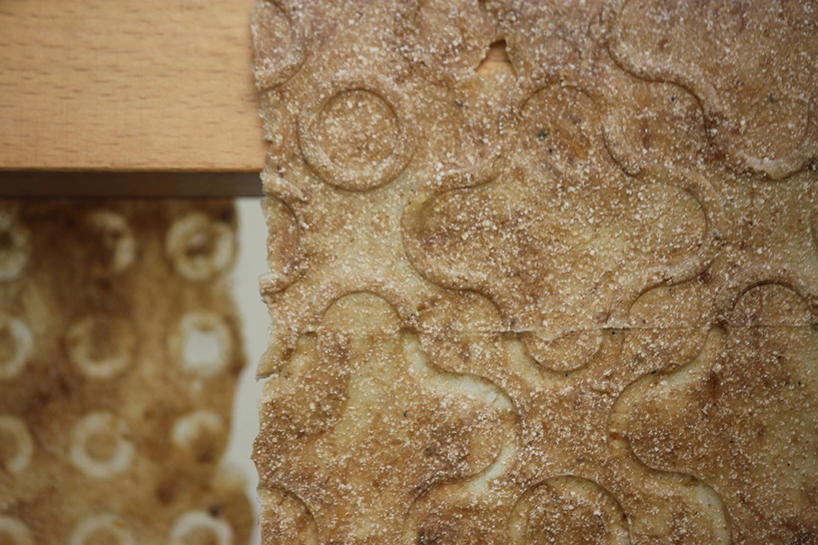
Key Highlights
- Sustainability Impact: Garlic peels are repurposed agricultural waste that reduces environmental impact.
- Material Properties: The inherent cellulose-rich composition and natural antimicrobial properties make garlic peel textiles durable and functional.
- Innovative Applications: KEARCEN bio-textiles showcase versatility in products, from fashion to home accessories, using sustainable processing techniques.
Introduction to Garlic Peel-Based Bio-Textiles
The textile industry has long searched for sustainable, eco-friendly alternatives to traditional synthetic and natural fibers. Among the many innovative solutions is the utilization of garlic peels, which are commonly discarded as waste. Recent developments in sustainable material research have paved the way for garlic peels to be transformed into high-performance bio-textiles, spearheaded by projects such as those under the KEARCEN initiative. This approach not only reduces agricultural waste but also offers significant environmental and practical benefits.
Garlic peels possess a unique combination of characteristics including antimicrobial properties, durability, and biodegradability. They can be processed into pulp, then reassembled into a composite material suitable for various textile applications. In addition to reducing waste, the incorporation of garlic peels supports a circular economy by giving a second life to what would otherwise be discarded.
Material Characteristics and Composition
Garlic peels are characterized by their high content of cellulose, hemicellulose, and lignin. These components serve as the backbone for the material, providing essential structural integrity while ensuring the product remains biodegradable. Typically, garlic peels consist of:
Cellulose, Hemicellulose, and Lignin
The high concentrations of cellulose (approximately 41-50%), hemicellulose (16-26%), and lignin (26-30%) render garlic peels particularly suitable as a natural fiber source. These biopolymers offer a firm molecular structure that supports the manufacturing processes necessary for bio-textile production. The resilience and durability of the material are directly linked to this biochemical composition.
Antimicrobial Properties
Another significant advantage of garlic peel-based bio-textiles is the presence of natural antimicrobial compounds. Derived from the garlic itself, these traits not only inhibit bacterial growth but also mitigate the development of unpleasant odors, making these fabrics particularly attractive for applications requiring hygienic standards, such as healthcare textiles, sportswear, and other consumer products.
Biodegradability and Sustainability
Biodegradability is one of the central appeals of using garlic peels. Given that garlic peels are an agricultural by-product, their use in textile production contributes to waste reduction and lowers the environmental footprint. The materials produced are completely biodegradable, promising a reduction in the reliance on fossil-based synthetics and other non-renewable resources while promoting an eco-friendly lifecycle.
Textile Production Process Using Garlic Peels
The transformation of garlic peels into a viable textile material involves several clearly defined stages. Each step is essential for ensuring that the final product meets durability and sustainability standards.
Collection and Pulp Formation
Initially, garlic peels are collected, often from agricultural waste streams. The transformation process begins with the pulping of the peels, where they are cleaned and processed into a fibrous pulp. This step is critical, as it lays the groundwork for uniform material consistency and influences the quality of the final product.
Sheet Formation and Molding
Once the pulping process is complete, the fibrous mixture is formed into sheets. These sheets resemble paper in their texture and properties, yet they are much more robust due to the inherent strength provided by the lignin and cellulose. The material is then subjected to a molding process, often using parametric design techniques, which allow for the customization of shapes and patterns. This process typically takes around two days, during which the sheets are allowed to set and dry, enhancing the material's durability.
Composite Development and Fabrication
In certain applications, garlic peel pulp is mixed with other natural or biodegradable composites. This approach is particularly useful for enhancing specific properties like strength, flexibility, and aesthetic quality. The composites can be engineered to meet the needs of different applications, from robust fashion accessories to intricate home decor items. The flexibility of the composite development process allows designers to tailor the material characteristics to specific requirements without compromising on sustainability.
Natural Dye Application
An additional advantage in the processing is the potential for garlic peels to serve as a source of natural dyes. During or after the processing phase, the inherent pigments in garlic peels can be utilized to impart color to the fabrics. This eliminates the need for synthetic dyes, further enhancing the eco-friendly nature and reducing chemical pollution that is often associated with conventional textile dyeing processes.
Production Challenges and Industrial Scalability
While the promise of garlic peel-based bio-textiles is compelling, achieving industrial scalability and consistency in production presents unique challenges that require further research and development.
Material Stabilization and Consistency
One of the significant hurdles in the commercialization of garlic peel textiles is ensuring the stabilization of the material. Variations in garlic peel composition, depending on the source and agricultural conditions, can result in inconsistencies in quality. The process must therefore include rigorous quality control and material stabilization steps to ensure that the final product meets industry standards. Research continues into developing standardized methods and treatment protocols to address these variations.
Scalability and Production Costs
Another important consideration is the scalability of production processes. The transition from laboratory or artisanal production environments to large-scale manufacturing involves significant technical and financial challenges. Cost-effectiveness is crucial for the commercial viability of these bio-textiles. Factors influencing scalability include:
| Aspect | Consideration | Potential Impact |
|---|---|---|
| Resource Availability | Garlic peel supply chain from agricultural waste | Improved waste management and reduced raw material costs |
| Processing Technology | Adapting lab techniques to industrial production | Increased consistency and production volume |
| Quality Control | Standardization of pulp processing and sheet formation | Enhanced product reliability and consumer trust |
| Cost Efficiency | Integration of sustainable technologies | Competitive pricing in the market |
Addressing these challenges is critical for moving from prototype production to mass manufacturing. Investment in research and development, coupled with partnerships between academia and industry, can help overcome these obstacles.
Environmental and Economic Benefits
The utilization of garlic peels in bio-textiles stands to offer multiple environmental and economic advantages:
- Environmental Benefits: Reduction in agricultural waste, lower reliance on synthetic materials, and decreased chemical usage in production lead to a smaller environmental footprint.
- Economic Savings: Repurposing waste materials not only saves on disposal costs but also provides a cost-effective raw material alternative when scaling up production.
- Promotion of Circular Economy: The model encourages circular practices by integrating waste reduction and material reuse, contributing to a more sustainable industry framework.
Case Studies and Innovative Applications
Several innovative applications have already emerged from the research and development of garlic peel bio-textiles. These case studies illustrate the potential of this material in various sectors.
Home Accessories and Decor
Researchers and designers have developed a range of home accessories utilizing garlic peel textiles. Products such as lampshades, tapestry dividers, and end tables have been manufactured using the bio-material. The paper-like properties of processed garlic peels allow the creation of visually interesting and functionally durable items that stand out in modern interior design. The blend of natural aesthetics with engineered durability adds a new dimension to sustainable home decor.
Fashion and Personal Accessories
The inherent antimicrobial and biodegradable properties of garlic peel-based textiles have inspired designers to create innovative fashion items. A notable example is the development of tote bags using a composite material derived from garlic husks. These products not only highlight the ecological benefits of repurposing agricultural waste but also cater to a growing market niche that values sustainability. A reusable, biodegradable tote bag designed from these materials exhibits exceptional durability without the need for additional fabric softeners.
Healthcare and Protective Equipment
The antimicrobial traits inherent to garlic peel textiles open avenues for their use in healthcare settings. In environments where hygiene is of paramount importance, these textiles can effectively inhibit bacterial growth. For applications such as hospital bed linens, uniforms, or protective equipment, the natural antibacterial properties add an extra layer of functionality, helping to maintain sterile conditions and reducing the risk of infection.
Scientific Rationale and Efficacy Assessment
The efficacy of garlic peels as a sustainable material is underpinned by both its biochemical composition and the successful execution of experimental trials in textile applications. Rigorous research has focused on quantifying the material’s performance against conventional standards used in textile manufacturing.
Chemical and Physical Analysis
Detailed analysis reveals that the key components in garlic peels, namely cellulose, hemicellulose, and lignin, contribute directly to its strength, elasticity, and durability. Chemical stabilization techniques have been employed to enhance consistency across batches. The natural fibers exhibit a unique balance:
- A high degree of crystallinity thanks to the well-ordered cellulose chains that lend mechanical strength.
- Ample availability of reactive sites for composite formation, ensuring a good interface with other natural materials.
- Inherent antimicrobial properties that extend the functional lifespan of the fabric.
Experimental Trials and Pilot Projects
Pilot projects have demonstrated the practical applications of garlic peel bio-textiles. In controlled experimental setups, the production process was optimized to yield consistent material sheets with the desired properties. These pilot projects have documented:
- Replication of process parameters that ensure the bio-textile retains its mechanical properties over time.
- Successful integration of pulped garlic peels with natural composites to create flexible yet strong materials.
- The achievement of fully biodegradable end products that maintain integrity under normal usage conditions.
The outcomes of these studies highlight the material’s potential not only as a sustainable alternative but also as a competitive choice in markets traditionally dominated by non-biodegradable fibers. Continuous reassessment through experimental trials ensures that any challenges related to processing inconsistencies or quality are proactively addressed.
Future Directions and Research Opportunities
While the current findings are promising, ongoing research is vital for advancing the technology of garlic peel bio-textiles. Future directions include:
Advanced Material Treatment
Future research may focus on enhancing the durability and stability of garlic peel fibers through advanced chemical treatments and novel composite formulations. Strategies that optimize fiber alignment and bonding can further improve mechanical properties and expand the range of applications.
Scalability Studies
It is essential to conduct further studies on industrial scalability. By developing cost-effective, high-volume production techniques, researchers aim to bridge the gap between laboratory successes and commercial applications. Collaborations among research institutions, industry partners, and government agencies can facilitate the transition to large-scale manufacturing.
Integration with Digital Fabrication Techniques
The intersection of digital fabrication and sustainable material science presents exciting opportunities. The use of parametric design and other digital tools allows for precise control over texture, strength, and design aesthetics. Integration of such technologies may result in greener production methods that not only reduce waste but also enhance product customization.
Consumer Perception and Market Adoption
Additionally, research exploring consumer perception and market trade-offs will contribute to understanding the acceptance and potential impact of garlic peel bio-textiles on a larger scale. Studies that investigate the sustainability narrative along with product performance are likely to drive broader adoption in various sectors including fashion, home decor, and healthcare.
Comparative Analysis: Garlic Peel Textiles vs. Conventional Materials
To further illustrate the potential of garlic peel bio-textiles, it is useful to compare them with conventional textile materials on several key parameters. The following table provides a side-by-side comparison:
| Characteristic | Garlic Peel Bio-Textile | Conventional Textile |
|---|---|---|
| Environmental Impact | Low; utilizes agricultural waste and is biodegradable | High; often relies on fossil fuels and chemical dyes |
| Antimicrobial Properties | Natural antimicrobial compounds inherent to garlic | Typically requires chemical treatments to achieve similar properties |
| Durability | Comparable strength with proper composite formulation | High, but often involves non-renewable additives |
| Sustainability | 100% biodegradable and renewable | Varies, often relies on synthetic, non-degradable processes |
| Production Challenges | Standardization and scalability require further research | Established industrial processes with a long development history |
This comparative analysis underscores the potential environmental benefits of adopting garlic peel bio-textiles while also framing the technical challenges that need to be addressed for widespread commercial use.
Conclusion and Final Thoughts
In summary, the utilization of garlic peels as a sustainable material for KEARCEN bio-textiles represents a significant step forward in the realm of eco-friendly manufacturing. This innovative approach leverages the abundant availability of garlic peels—an agricultural by-product—and transforms them into durable, biodegradable textiles via a well-defined process that includes pulping, sheet formation, molding, and composite enhancement.
The inherent advantages of garlic peels, such as their high cellulose, hemicellulose, and lignin content, provide a robust biochemical foundation for textile applications. Combined with natural antimicrobial properties, these bio-textiles offer both functional and aesthetic benefits, making them suitable for a wide range of applications—from fashion accessories to home decor and even healthcare textiles.
Despite their promise, challenges such as material stabilization, consistency across batches, and the need for scalable production processes remain. Addressing these challenges through further research, innovative treatment techniques, and partnership-driven industrial applications is essential for realizing the full potential of garlic peel bio-textiles.
Future research directions, including advanced material treatments, the integration of digital fabrication methods, and comprehensive market studies, will be vital for the broader adoption of these sustainable materials. Overall, garlic peel-based bio-textiles embody a promising leap toward a closed-loop, circular economy that not only reduces waste but also provides eco-friendly alternatives to conventional textiles.
References
- Unique Garlic-Based Textiles - Garlic Store
- College Student Turns Garlic Peels into Sustainable Products - Nylon Manila
- Garlic Husk Bio-Textile Sacalho Tote Bag - Designboom
- University of Porto Develops Bio-Textile from Garlic Peels - T-Jornal International
- Fabric Bag from Food Waste - Matrec
Recommended Related Queries
Last updated February 23, 2025