
Comparative Histological Analysis and Its Global Impact
An in-depth review on rat vs. human stomach structure, with global health relevance
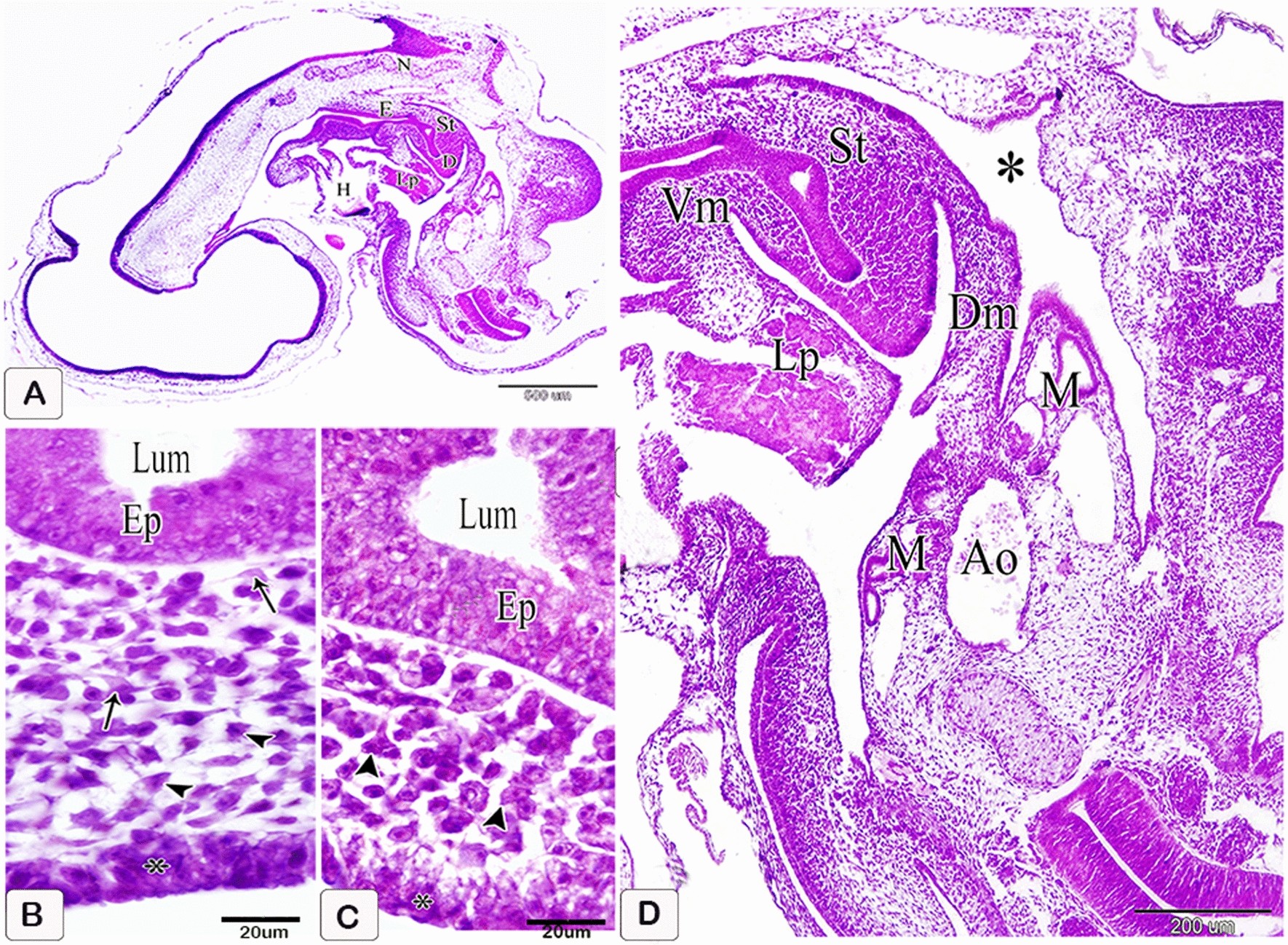
Key Highlights
- Structural Similarity: Both rat and human stomachs possess longitudinal, circular, and oblique muscle layers essential for gastric motility.
- Distinct Features: The presence of paired muscular oesophago-pyloric ligaments, prominent muscularis mucosae, and striated muscle in rats contrasts with the human stomach’s features.
- Global and Scientific Relevance: Understanding these differences aids WHO’s efforts to combat gastric diseases and advances scientific knowledge in gastrointestinal research.
Introduction
Comparative histological studies between rat and human stomachs have long provided valuable insights for biomedical research. By focusing on the muscular structure and mucosal layers, researchers have identified both striking similarities and definitive differences that impact how these models are used in scientific investigations. This detailed analysis not only assists in understanding gastric function and pathology but also informs global public health strategies, particularly those articulated by the World Health Organization (WHO). In this discussion, we will explore the anatomical and histological nuances of rat and human stomachs, examine their respective scientific and global health relevance, and discuss how these models contribute to advancing treatment and prevention strategies for gastric disorders.
Comparative Anatomical Overview
Muscular Structure
Both the rat and human stomachs share three primary muscle layers—the longitudinal, circular, and oblique muscles—which are crucial for the peristaltic movement and mixing of gastric contents. These muscular layers are fundamental to the digestive process, ensuring that food is properly churned and moved along the digestive tract.
Similarities in Muscle Organization
The basic architectural layout of the muscular layers in both species points to a preserved evolutionary design geared towards efficient digestion. This structural similarity forms the basis for using the rat model in studies that aim to extrapolate findings to human gastric function:
- Both species have well-organized longitudinal, circular, and oblique muscle layers.
- Muscle layer interaction facilitates the mechanical breakdown of ingested materials.
- The coordination of muscle contractions is critical for advancing chyme through the digestive tract.
Distinctive Features in the Rat Stomach
Despite their overall similarity, the rat stomach exhibits several important differences:
- Paired Muscular Oesophago-Pyloric Ligaments: These unique ligamentous structures in rats provide additional support by linking the oesophagus to the pyloric region, a feature absent in human stomachs. They play a role in spatial organization and stabilization of the stomach during peristaltic contractions.
- Prominent Muscularis Mucosae: In rats, the muscularis mucosae is considerably more developed throughout the stomach. This additional muscle layer provides enhanced folding and structural integrity of the mucosa, likely contributing to specialized functional demands.
- Striated Muscle in the Esophageal Wall: Unlike humans, whose stomach musculature is composed exclusively of smooth muscle, rats exhibit striated muscle fibers in the esophageal wall extending into the stomach. Striated muscle fibers contract more rapidly and can influence the dynamics of gastric emptying and the overall rate of mechanical digestion.
Mucosal Layer Analysis
Histological Comparison
The mucosal layer in both species comprises the epithelial lining, lamina propria, and the muscularis mucosae. However, there are noticeable differences that bear on both function and disease susceptibility:
Human Stomach Mucosa
In humans, the mucosa is characterized by the presence of glandular cells responsible for secreting acid, enzymes, and mucus, all of which maintain the digestive environment. The human stomach lacks a distinct forestomach, leading to a more uniform glandular structure throughout its interior.
Rat Stomach Mucosa
The rat stomach, on the other hand, is divided into different regions with distinct histological features, including a forestomach lined by stratified squamous epithelium and a glandular stomach. The forestomach acts primarily as a storage and initial breakdown area for ingested food, while the glandular region continues with secretory functions similar to humans. The more pronounced muscularis mucosae enhances the folding capability of the mucosa, potentially affecting absorption and protection.
Relevance to WHO and Global Health Initiatives
Global Health Challenges and Gastric Disorders
Gastric cancer and other gastrointestinal disorders continue to be significant global health challenges. According to global health predictions, the incidence of gastric cancer is expected to increase dramatically in the coming decades. The World Health Organization (WHO) has underscored the critical need to understand the pathophysiology of gastric diseases in order to develop effective prevention and treatment strategies.
The integration of animal models, particularly the rat stomach, into research protocols has been instrumental in this endeavor. Although the rat stomach exhibits certain unique features, its overall physiological and structural similarities to the human stomach make it a valuable proxy for understanding complex gastric processes. This is especially relevant when considering the following points:
Disease Progression and Epidemiology
Gastric cancer remains one of the leading causes of cancer mortality worldwide. The WHO and several international health agencies have identified gastric cancer as a major public health priority. Projections indicate a significant rise in both new cases and mortality rates in the coming years. Detailed studies using rat models help to:
- Examine how variations in anatomy and physiology contribute to the onset and progression of gastric diseases.
- Understand the influence of dietary factors and lifestyle choices on gastric cancer risks.
- Investigate gene mutations (such as CDH1, TP53, and others) that are implicated in gastric cancer development through controlled animal studies.
Mechanistic Insights into Gastric Function and Pathology
Scientific investigation using rat models has advanced our knowledge of the mechanistic basis of gastric pathologies. Specific areas where these models have proven invaluable include:
- Gastric Motility Disorders: The unique presence of paired muscular oesophago-pyloric ligaments in rats offers insights into the regulation of gastric motility. Studies can observe how mechanical support and muscle fiber composition affect the timing and strength of gastric contractions.
- Mucosal Defense Mechanisms: The enhanced muscularis mucosae and the partitioned nature of the rat stomach facilitate studies on mucosal folding, protection, and regeneration. This plays a role in understanding how the stomach defends itself against acidic and enzymatic damage.
- Drug Development and Therapeutics: The rat stomach is crucial in pharmacological studies that screen potential drugs for gastrointestinal diseases. The differences in muscle composition, particularly the presence of striated muscle, influence how drugs may affect motility and secretion, aiding in the development of targeted therapies.
- Microbiome Research: Recent studies have increasingly focused on the gastric microbiome’s role in health and disease. Animals, such as rats, serve as models to evaluate the interplay between microbial populations and gastric tissues, helping to design interventions that could prevent or treat conditions like Helicobacter pylori-induced gastritis.
Preventive Strategies and Policy Implications
The research outcomes derived from studies on rat models have significant policy and preventive strategy implications. They inform WHO recommendations that focus on:
- Screening and Early Detection: Insights into the molecular pathology of gastric diseases guide the development of screening protocols that may help detect early changes in the gastric mucosa indicative of cancer or other disorders.
- Dietary and Lifestyle Interventions: Understanding the role of dietary factors, such as salt intake and obesity, in gastric pathology encourages the promotion of lifestyle modifications. These findings are integrated into public health campaigns aiming to reduce the incidence of gastric cancer.
- Targeted Therapeutic Development: By elucidating the biochemical pathways and genetic mutations involved in gastric disease progression, research on rat models can spur the development of novel therapeutic agents tailored to specific molecular targets.
- Global Health Equity: The accessibility and reproducibility of animal model research contribute to bridging gaps in global health knowledge, particularly in resource-limited settings where establishing baseline epidemiological data is challenging.
Detailed Comparative Table
| Feature | Rat Stomach | Human Stomach |
|---|---|---|
| Muscle Layers | Longitudinal, circular, and oblique; features striated muscle in the esophageal wall | Longitudinal, circular, and oblique; entirely smooth muscle |
| Oesophago-Pyloric Ligaments | Paired muscular ligaments provide extra support | Absent |
| Muscularis Mucosae | Prominent and well-developed across the stomach | Less pronounced |
| Mucosal Regions | Distinct forestomach (squamous epithelium) and glandular stomach | Uniform glandular mucosa without a forestomach |
| Functional Implications | Enhanced mechanical support and variable contractility, beneficial for experimental paradigms | Consistent secretory and mechanical function tailored to human dietary patterns |
Bridging the Gap: From Laboratory to Global Health Policy
Scientific Innovation and Translational Research
The comparative histological analysis of the rat and human stomach provides a fundamental basis for translational research—an area where laboratory findings inform clinical practice and public health policy. The unique muscular and mucosal characteristics observed in the rat model have spurred a series of experiments that elucidate:
- The role of distinctive muscle groupings in regulating gastric motility. Detailed studies on the action of striated versus smooth muscle fibers broaden our understanding of how contractions may be modulated therapeutically.
- The effects of morphological differences on drug absorption and tissue regeneration. For instance, the enhanced folding mechanism provided by the prominent muscularis mucosae in rats offers clues about mechanisms of mucosal repair post-injury.
- Genetic and molecular pathways that underlie the development and progression of gastric diseases. By mapping gene mutation patterns in controlled rat studies, researchers can better predict how similar molecular anomalies might manifest in human gastric pathologies.
These research areas are critical as they provide a biochemical framework that is subsequently applied to human studies. Further, they support the identification of biomarkers for early detection of gastric disorders—a core focus of many WHO-led initiatives worldwide.
Alignment with WHO Priorities
The World Health Organization places significant emphasis on understanding and mitigating the burden of non-communicable diseases, including gastrointestinal cancers. The insights derived from rat stomach models contribute significantly to these global priorities in several key ways:
Monitoring and Surveillance
Epidemiological data collected in conjunction with animal studies have shed light on how specific environmental, dietary, and genetic factors may predispose populations to higher risks of gastric cancer. As an example, the correlation between high salt intake, lifestyle choices, and the activation of carcinogenic pathways are well-documented in animal models and are now being used to inform targeted surveillance programs globally.
Intervention Strategies
The development of early intervention strategies is often predicated on preclinical data obtained from animal models. Researchers have explored chemopreventive agents and novel pharmaceuticals using the rat stomach model to suppress or reverse early pathogenic changes in the gastric mucosa. These studies underscore the potential usefulness of proactive dietary guidelines, improved screening techniques, and the aggressive treatment of Helicobacter pylori infections within WHO policy frameworks.
Resource for Global Educational Initiatives
In many developing regions, where healthcare resources may be limited, the findings from rat model studies are instrumental in devising straightforward, cost-effective diagnostic methodologies. Community-level public health strategies, informed by detailed laboratory findings, empower local health practitioners to institute early preventive measures.
Case Studies and Research Impacts
Advancing Gastric Cancer Research
Globally, gastric cancer represents a formidable healthcare challenge with an anticipated increase in both incidence and mortality over the next few decades. Comprehensive research using the rat stomach as a model has provided several breakthroughs:
- Molecular Profiling: Detailed histological examinations in rats have enabled researchers to identify specific molecular markers and gene mutations that are involved in the transformation of normal gastric tissue into malignant cells. These findings facilitate the development of genetic screening programs.
- Therapeutic Efficacy Studies: Preclinical trials on rats help in evaluating the efficacy of both conventional chemotherapies and novel biological agents. Insights relating to the differential muscle types—striated versus smooth—can provide valuable data on how drugs might be tailored to address specific functional impairments.
- Preventive Approaches: Studies on the rat gastric model have emphasized the importance of early detection and preventive interventions. The direct correlation between anatomical changes in the mucosa and the risk of cancer development supports WHO initiatives focusing on early screening and diagnosis.
Insights into Gastrointestinal Physiology
Beyond its implications for cancer research, the use of the rat stomach model has also advanced our understanding of broader gastrointestinal physiology:
- The analysis of gastric motility has illuminated the interplay between muscle fiber composition and the regulation of digestive processes, contributing to the development of more refined surgical techniques and post-operative care strategies.
- Comparative mucosal studies have revealed the dynamics of mucosal regeneration, which plays a central role in healing gastric ulcers and protecting against chronic inflammatory conditions.
Discussion
Implications for Research and Clinical Practice
The distinct differences in the muscular and mucosal architecture between rat and human stomachs offer both opportunities and challenges. While the rat model presents unique features such as the oesophago-pyloric ligaments and the mixed muscle types, these very differences fortify its role as an indispensable research tool. They enable scientists to dissect the complexities underlying gastric conditions in a controlled setting and provide translational insights that are adapted into clinical practice.
These findings have furthered the development of targeted therapeutic approaches, particularly in the context of personalized medicine. By understanding the precise mechanisms by which muscle structure influences gastric motility and mucosal integrity, researchers can identify critical intervention points to halt or reverse the progression of dysfunctional gastric states.
Long-Term Global Health Impact
In the long term, the integration of comparative anatomical insights into public health strategies will not only improve the detection and treatment of gastric disorders but will also significantly reduce global cancer mortality rates. As laboratories worldwide harness the potential of the rat stomach model, WHO and other global health organizations are better positioned to advocate for prevention strategies, educate clinicians, and develop guidelines that are responsive to the rapidly evolving landscape of gastrointestinal research.
Continuous investment in basic and translational research, supported by international collaborations, is essential for combating the growing burden of gastric cancers and other digestive disorders. The advancements made possible by these studies underscore the importance of sustaining research infrastructure and fostering new partnerships across borders.
Conclusion
In summary, the comparative histological analysis of the rat and human stomach underscores significant commonalities and distinct differences that have broad implications for both scientific research and global public health. The rat model, with its distinctive paired muscular oesophago-pyloric ligaments, prominent muscularis mucosae, and the presence of striated muscle, serves as a powerful tool in unraveling the complexities of gastric function and pathology.
These insights directly support WHO initiatives by informing strategies for early detection, intervention, and the development of targeted therapeutics aimed at mitigating the global impact of gastric cancer and related diseases. Moreover, the scientific community continues to derive critical mechanistic insights that propel advances in our understanding of gastrointestinal physiology, pharmacology, and personalized medicine.
Ultimately, the collaborative interplay between experimental research using animal models and global health policy paves the way for innovative therapeutic approaches that hold promise for reducing the burden of gastric diseases worldwide. Continued research and advocacy, combined with a commitment to understanding the fundamental biological differences across species, will further enhance our capability to prevent and treat these debilitating conditions.
References
- Comparative histological structure of the gastrointestinal mucosa in human and white rat - PubMed
- Organisation of the musculature of the rat stomach - Wiley Online Library
- IARC: Gastric Cancer Incidence and Mortality Projections
-
Musculature details in rat stomach studies - PMC
- Gastric Pathophysiology - NCBI Bookshelf
Recommended
Last updated February 22, 2025