
Navigating Gastritis: Comprehensive Strategies for Relief and Healing
Understanding, Managing, and Overcoming Stomach Lining Inflammation
Gastritis, the inflammation of the stomach lining, can manifest as acute (sudden and severe) or chronic (long-lasting) and brings discomforts such as abdominal pain, indigestion, nausea, and bloating. While sometimes mild and self-resolving, certain types of gastritis can lead to serious complications like stomach ulcers if left untreated. Addressing gastritis effectively involves a multifaceted approach, combining medical treatments, targeted dietary changes, and beneficial lifestyle modifications. The key to relief and healing lies in identifying and managing the underlying causes, which can range from bacterial infections like Helicobacter pylori (H. pylori) to the overuse of NSAIDs (nonsteroidal anti-inflammatory drugs) or excessive alcohol consumption, and even autoimmune responses.
Key Insights for Gastritis Management
- Tailored Treatment Approaches: Effective gastritis treatment is highly individualized, depending on the specific cause. This can range from antibiotics for H. pylori infections to discontinuing NSAIDs or alcohol, and may include specific medications to reduce stomach acid.
- Dietary Adjustments are Crucial: Modifying your diet by avoiding trigger foods (e.g., spicy, acidic, fatty, fried) and incorporating soothing, anti-inflammatory foods (e.g., lean proteins, low-acid fruits/vegetables, whole grains) is a cornerstone of managing gastritis symptoms and promoting healing.
- Lifestyle Modifications for Sustained Relief: Beyond diet and medication, lifestyle changes such as stress management, eating smaller, more frequent meals, avoiding smoking, and ensuring adequate hydration play a significant role in alleviating symptoms and preventing future flare-ups.
Understanding Gastritis: Causes and Symptoms
Gastritis occurs when the stomach lining, known as the mucosa, becomes inflamed, irritated, or eroded. This protective layer is vital for shielding the stomach from its own strong digestive acids and enzymes. When this lining is compromised, it can lead to a range of uncomfortable symptoms. The underlying causes are diverse, influencing the type and severity of gastritis.
Common Causes of Gastritis
Identifying the root cause of gastritis is paramount for effective treatment. Some of the most prevalent causes include:
Helicobacter pylori (H. pylori) Infection
This bacterium is the most common cause of chronic gastritis. H. pylori infects the stomach lining, leading to inflammation and, if untreated, can result in ulcers or even stomach cancer.
NSAID Use and Alcohol Consumption
Long-term or excessive use of nonsteroidal anti-inflammatory drugs (NSAIDs) such as ibuprofen or naproxen can irritate and damage the stomach lining, leading to acute gastritis. Similarly, excessive alcohol intake directly irritates the stomach mucosa.
Stress and Autoimmune Disorders
Severe stress, whether from physical trauma, critical illness, or psychological factors, can contribute to gastritis. In some cases, the body's immune system mistakenly attacks the stomach lining, leading to autoimmune gastritis, which may necessitate specific supplements like B12, folic acid, or iron.
Other Factors
Less common causes include bile reflux (backflow of bile into the stomach), viral or parasitic infections, and certain medical conditions like celiac disease or Crohn's disease. Irregular eating times and food allergies can also exacerbate symptoms for some individuals.
Recognizing Gastritis Symptoms
While some people with gastritis may not experience any symptoms, common indicators include:
- Tummy pain or indigestion, often described as gnawing, aching, or burning in the upper middle abdomen (epigastric area).
- Feeling full and bloated after eating, even small amounts.
- Nausea and vomiting.
- Loss of appetite.
Severe symptoms, such as dizziness, rapid heartbeat, vomit resembling coffee grounds, or blood in stool, warrant immediate medical attention.
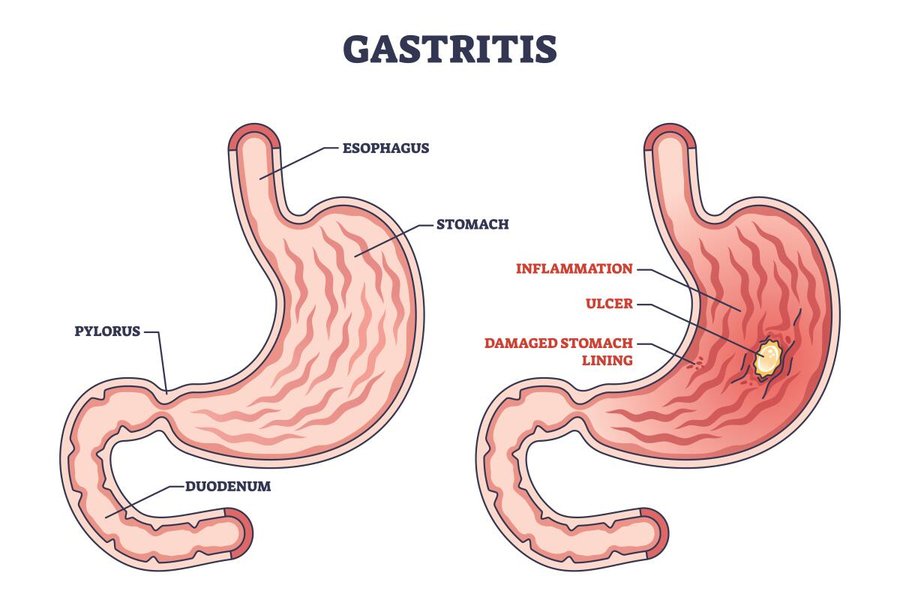
Anatomical illustration highlighting the stomach and its inner lining, depicting inflammation associated with gastritis.
Medical and Lifestyle Treatments for Gastritis
The approach to treating gastritis is highly dependent on its specific cause. A healthcare professional will typically start by assessing your medical history and performing an exam, possibly followed by diagnostic tests to pinpoint the exact cause.
Pharmacological Interventions
Medications primarily aim to reduce stomach acid and treat any underlying infections.
Acid Reducers and Neutralizers
- Antacids: Over-the-counter medications like calcium carbonate (Tums) can provide quick relief by neutralizing stomach acid.
- H2 Blockers: These medications, available both over-the-counter and by prescription, decrease acid production.
- Proton Pump Inhibitors (PPIs): PPIs are powerful acid blockers that prevent stomach acid production, allowing the stomach lining to heal. Examples include omeprazole (Prilosec).
- Surface Coating Agents: Drugs like sucralfate (Carafate) protect damaged stomach tissue from acid and enzymes, aiding healing.
Antibiotics for H. pylori
If H. pylori infection is confirmed, doctors typically prescribe a course of antibiotics, often in combination with a PPI, to eradicate the bacteria. This "triple therapy" is crucial for clearing the infection and preventing recurrence.
Specific Treatments for Other Causes
- If gastritis is due to NSAID use or alcohol, stopping these substances is often the first and most effective step. Alternative pain relievers like acetaminophen may be recommended.
- For autoimmune gastritis, supplements such as Vitamin B12, folic acid, or iron may be prescribed to address deficiencies.
- In rare cases of severe injuries or critical illness, medicines to reduce stomach acid may be prescribed to prevent or treat stress gastritis.
- For bile reflux causing reactive gastropathy, doctors might prescribe ursodiol or, in some instances, surgery to stop bile flow into the stomach.
Lifestyle Modifications for Healing
Beyond medication, several lifestyle adjustments can significantly aid in managing gastritis symptoms and promoting stomach lining healing.
Dietary Adjustments
Eating smaller, more frequent meals can ease the digestive process and reduce symptoms. Avoiding trigger foods is crucial, while incorporating beneficial foods can support gut health. This will be explored in detail in the next section.
Stress Management
Since stress can exacerbate gastritis, finding healthy ways to manage it is important. Techniques like mindfulness meditation, yoga, and deep-breathing exercises can be beneficial.
Avoiding Irritants
Limiting or avoiding alcohol and quitting smoking are vital, as these substances directly irritate the stomach lining. Similarly, avoiding caffeine and highly acidic beverages can help.
Hydration
Drinking plenty of water and clear liquids, such as herbal teas and broths, can soothe the digestive tract and aid in healing. Warm water with honey, particularly Manuka honey, may offer additional benefits.
Dietary Strategies to Alleviate Gastritis Symptoms
Diet plays a pivotal role in managing gastritis symptoms and supporting the healing process. While diet alone may not "cure" gastritis, especially if an underlying cause like H. pylori is present, it can significantly reduce irritation and discomfort.
Foods to Embrace for Gastritis Relief
Focus on a diet rich in anti-inflammatory foods, lean proteins, and low-acid options.
Anti-Inflammatory and Gut-Soothing Foods
- Low-Acid Fruits and Vegetables: Bananas, apples, berries, pumpkins, carrots, green leafy vegetables. These are less likely to irritate the stomach. Bananas can also help by stimulating mucus production, which protects against stomach acid.
- Whole Grains: Whole-wheat breads, oatmeal, cereals, pasta, and brown rice provide fiber and are generally easier to digest. Fermentable fibers can also be beneficial.
- Lean Proteins: Skinless chicken and turkey, fish, beans, eggs, and tofu (if no soy allergy) are good sources of protein without excessive fat.
- Healthy Fats: Olive oil and avocados are preferred over saturated or fried fats, as they are less likely to irritate the stomach lining.
- Probiotics: Foods containing good bacteria, such as fermented foods (yogurt, kefir, sauerkraut), or probiotic supplements can help balance gut flora and may inhibit H. pylori.
- Herbal Teas: Ginger, turmeric, and peppermint teas are known for their soothing properties and can help ease stomach upset. Green tea with Manuka honey also has potential benefits for healing.
- Clear Liquids: Broths and clear soups are easy to digest and help maintain hydration.
Nutrient-Rich Foods for Healing
For individuals with autoimmune gastritis, or those who might develop deficiencies due to gastritis affecting nutrient absorption, foods high in folate and Vitamin B12 are important. Examples include leafy greens, fortified cereals, and lean meats.
This video offers practical advice on foods to incorporate and avoid when managing gastritis, providing visual examples and explanations to guide dietary choices for symptom relief.
Foods to Avoid or Limit
Certain foods and drinks can aggravate the stomach lining and worsen gastritis symptoms. It's crucial to identify and avoid your personal triggers.
Common Irritants to Steer Clear Of
- Acidic Foods and Drinks: Tomatoes, citrus fruits (lemons, oranges, pineapple), carbonated drinks, coffee (both caffeinated and decaffeinated), and fruit juices with citric acid can increase stomach acidity.
- Spicy Foods: Capsaicin, found in many spicy foods, can irritate the stomach lining and intensify pain.
- High-Fat and Fried Foods: Fatty foods, including fast foods (burgers, fries, pizza), full-fat dairy, and fried items, slow down digestion and can exacerbate inflammation.
- Refined and Sugary Foods: White breads, pastas, sweets, candies, cookies, cakes, and highly processed foods (like chicken nuggets, fish sticks, breakfast cereals) contribute to inflammation and can worsen symptoms.
- Alcohol and Caffeine: These are direct irritants to the stomach lining.
- Processed Meats: These often contain high levels of salt and unhealthy fats, which can be detrimental.

A visual representation of balanced food groups, emphasizing choices beneficial for gut health and gastritis management.
Dietary Considerations Table
This table summarizes key dietary recommendations for managing gastritis:
| Food Category | Recommended (Eat) | Avoid (Limit/Avoid) |
|---|---|---|
| Fruits & Vegetables | Bananas, apples, berries, pumpkin, carrots, green leafy vegetables, celery, onions, garlic (in moderation) | Tomatoes, citrus fruits (lemons, oranges, pineapple), hot peppers, chilis, highly acidic juices |
| Grains & Carbs | Whole-wheat bread, oatmeal, brown rice, whole-grain pasta, fermentable fibers | White bread, refined pasta, sugary cereals, pastries, cakes, cookies |
| Proteins | Lean meats (skinless chicken/turkey), fish, eggs, beans, tofu | Fatty meats, processed meats, fried proteins |
| Fats & Oils | Olive oil, avocados | High-fat foods, fried foods, full-fat dairy, butter, unhealthy oils |
| Beverages | Water, herbal teas (ginger, turmeric, peppermint), green tea with Manuka honey, clear broths | Alcohol, coffee (caffeinated and decaffeinated), carbonated drinks, acidic fruit juices |
| Other | Probiotic-rich foods (yogurt, kefir), anti-inflammatory spices (ginger, turmeric) | Spicy foods, sugary foods, fast food, highly processed snacks |
The Gastritis Treatment Landscape: A Forward Look
The global gastritis treatment market is a dynamic and expanding sector, reflecting the widespread prevalence of the condition and ongoing advancements in medical diagnostics and therapies. This market is driven by several key factors, including the increasing incidence of H. pylori infections, the rise in NSAID-induced gastritis, and a growing geriatric population that is more susceptible to the condition.
Market Trends and Growth
The global gastritis treatment market was valued at approximately USD 2.6 billion in 2023 and is projected to grow at a compound annual growth rate (CAGR) of about 5.8% from 2024 to 2032, potentially reaching an estimated USD 4.6 billion by 2032. This growth is fueled by:
- Increasing Awareness: Greater public awareness about gastrointestinal health and easier access to information lead more people to seek medical advice for gastritis symptoms.
- Technological Innovations: Advancements in diagnostic tools enable earlier and more accurate detection of gastritis and its underlying causes.
- Therapeutic Innovations: Ongoing research and development are leading to novel therapies and combination treatment regimens with enhanced efficacy and safety profiles. Precision medicine and tailored therapies are becoming more prevalent, especially for conditions like H. pylori infection and autoimmune disorders.
- Aging Population: As the global population ages, the susceptibility to gastritis increases, further driving market demand.
Market Segmentation and Dominance
The market is segmented by drug class, with acid suppressants (PPIs, H2 blockers, antacids) being the dominant segment due to their widespread use and proven efficacy in managing symptoms. Antibiotics also represent a significant segment, particularly with the increasing understanding of H. pylori's role in gastritis. Geographically, North America leads the gastritis treatment market, followed by Europe and Asia Pacific, attributed to advanced healthcare infrastructure, high healthcare spending, and the presence of major pharmaceutical companies.
This radar chart illustrates the relative impact and effectiveness of different approaches to gastritis management. The "Pharmaceutical Approach" typically excels in immediate symptom relief and direct treatment of underlying causes like infections. In contrast, the "Dietary & Lifestyle Approach" demonstrates stronger influence on long-term healing, significant dietary impact, and overall lifestyle contribution, which are critical for sustained well-being and preventing recurrence. Both approaches contribute to varying degrees across all aspects of gastritis management, highlighting the benefits of a combined strategy.
Frequently Asked Questions (FAQ)
What is gastritis?
What are the main causes of gastritis?
Can gastritis be cured permanently?
What foods should I avoid with gastritis?
Are there home remedies for gastritis?
When should I see a doctor for gastritis?
Conclusion
Effectively addressing gastritis requires a holistic strategy that integrates medical treatments, precise dietary adjustments, and supportive lifestyle changes. By understanding the underlying cause, whether it's an H. pylori infection, NSAID use, or stress, individuals can work with healthcare providers to develop a personalized treatment plan. Medications such as acid reducers and antibiotics are often crucial for alleviating symptoms and healing the stomach lining. Simultaneously, adopting a gastritis-friendly diet—rich in low-acid, anti-inflammatory foods and free from common irritants—plays a vital role in symptom management and long-term recovery. Furthermore, managing stress, avoiding smoking and excessive alcohol, and maintaining proper hydration are essential lifestyle modifications that contribute significantly to overall digestive health and the prevention of gastritis flare-ups. By embracing this comprehensive approach, individuals can achieve substantial relief from gastritis and promote lasting well-being of their digestive system.
Recommended Queries
- Understanding Helicobacter Pylori Infection and Treatment
- Benefits of Probiotics for Digestive Health
- Managing Stress for Gastrointestinal Health
- Foods that Reduce Inflammation in the Body
References
Last updated May 22, 2025