
Acknowledgment and Next Steps on Gelidium-derived Agar Samples
Your update on receiving the agar samples and QC testing progress is well noted.
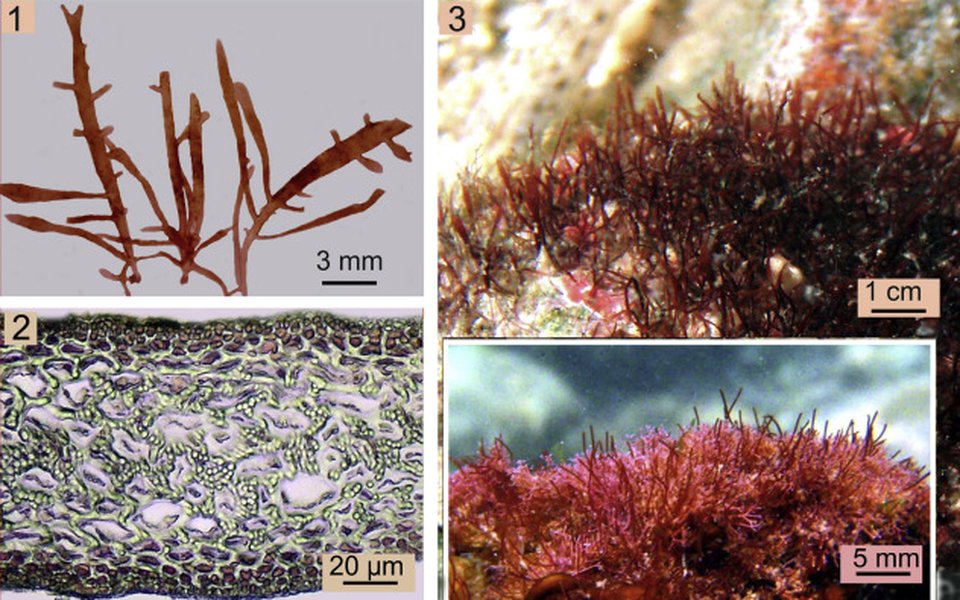
Key Highlights
- Receipt Confirmation: Three gelidium-derived agar samples have been received and acknowledged.
- Quality Control Process: Comprehensive QC testing covering physical, chemical, and microbiological parameters is planned.
- Future Commercial Discussions: Post-QC test results will form the basis for commercial negotiations.
Overview of the Process
The receipt of the three Gelidium-derived agar samples has been confirmed. With these samples at hand, the subsequent Quality Control (QC) testing phase is paramount. QC testing ensures that the agar samples meet the strict specifications required for their intended uses in various industries such as food, biotechnology, and microbiology. Critical parameters include gel strength, viscosity, pH, purity, and sterility, all of which are essential to confirm that the product is fit for its intended applications. After the thorough QC evaluation, there will be informed discussions regarding the commercials including pricing, order quantities, and potential service details.
Quality Control Testing Details
Importance of QC Testing
The QC testing phase will assess key aspects of the agar such as:
- Physical Attributes: Evaluation of texture, appearance, and consistency to ensure product uniformity.
- Chemical Composition: Analysis of agarose and agaropectin ratios using spectroscopy or chromatography to assess purity and gel strength.
- Microbiological Safety: Using sterility tests to ensure that the material is free from contaminants; this is crucial for applications in microbiology, tissue culture, and pharmaceuticals.
QC Methodologies
Analytical methods such as chromatography, mass spectrometry, and various spectroscopic techniques may be employed. Additionally, the use of syringe filters during sample preparation can help in removing particulates and microbial contaminants before test initiation. These assessments are designed to guarantee that the final product is of a high standard.
Commercial Discussions and Future Steps
Integrating QC Results into Commercial Negotiations
Once QC testing is completed, the results will serve as a critical benchmark to evaluate the performance of the agar samples. Based on these outcomes, discussions regarding:
- Pricing structures and bulk order discounts
- Lead times and delivery schedules
- Potential customization options or technical modifications
In essence, a product that meets or exceeds the predefined quality criteria can form the basis for a robust commercial agreement. Maintaining open communication with the supplier throughout the process is equally important to ensure clarity, set expectations, and establish a trusted business relationship.
Visualizing Key Parameters with a Radar Chart
The radar chart below provides a visual representation of various quality parameters as they may be evaluated during QC testing. It reflects relative performance across aspects such as gel strength, viscosity, purity, sterility, and consistency. This visualization aids in a quick comparative analysis of the sample quality based on expected testing outcomes.
Mindmap of the Agar Sample Process
This mindmap diagram summarizes the overall process from the receipt of samples, through QC testing, and leading up to the upcoming commercial discussions. It provides a clear overview of the steps involved and helps unify the different aspects of this workflow.
Summary Table of Key QC Testing Parameters
The following table outlines the essential QC parameters and their significance in evaluating the quality of the agar samples.
| Quality Parameter | Description | Relevance |
|---|---|---|
| Gel Strength | Determines the firmness and stability of the gel | Key for microbiological media and food applications |
| Viscosity | Affects the ease of handling and mixing | Impacts application performance in various products |
| Purity | Assessed via chemical analysis methods | Ensures absence of contaminants |
| Sterility | Microbial testing ensures sample is contamination-free | Essential for safe use in biological processes |
| Consistency | Uniform texture and appearance | Important for repeatability in experiments |
FAQ Section
References
- Gelidium Agar Overview - LifeTech India
- Agar Composition and Uses - Wikipedia
-
Agar Extraction Process - ScienceDirect
-
Sustainable Extraction Methods - ScienceDirect
- QC Sample Preparation Techniques - Sartorius
Recommended Related Queries
Last updated April 1, 2025