
Unleashing Dominance: Mastering Offensive Cores in Pokémon Gen 9 OU
A strategic blueprint for constructing and deploying potent offensive Pokémon pairings in the Scarlet & Violet OverUsed metagame.
In the dynamic landscape of Pokémon Scarlet and Violet's OverUsed (OU) tier, commonly referred to as Gen 9 OU, offensive cores are the lifeblood of teams aiming for decisive victories. These synergistic groups of Pokémon are meticulously chosen to dismantle opponents through coordinated attacks, exploiting weaknesses, and maintaining relentless pressure. Understanding how to build and utilize these cores is paramount for competitive success.
Essential Insights: Key Takeaways
- Synergy is Paramount: Effective offensive cores consist of Pokémon that complement each other's typings and offensive capabilities, covering weaknesses and overwhelming shared defensive checks.
- Momentum and Pressure: The primary goal is to maintain offensive momentum through strategic switching, hazard control, and applying constant pressure, forcing the opponent into reactive plays.
- Adaptability with Terastallization: The Terastal phenomenon adds a crucial layer of strategy, allowing Pokémon within a core to gain new STAB attacks or defensive typings, turning potential checks into KOs or surviving otherwise fatal blows.
Deconstructing Offensive Cores: The Foundation of Power
An offensive core in Pokémon battling, particularly within the Gen 9 OU metagame, typically comprises two or three Pokémon selected for their ability to work in concert to break through an opponent's team. Unlike defensive cores that focus on walling and outlasting opponents, offensive cores aim to dictate the pace of the battle and secure knockouts efficiently.
Defining Characteristics of Potent Offensive Cores
Complementary Typing and Coverage
Pokémon within an offensive core are chosen to cover each other's offensive and defensive shortcomings. For instance, a Pokémon walled by Steel-types might be paired with a partner that can effectively threaten those Steel-types. This ensures broader offensive coverage against the diverse OU metagame.
Overwhelming Shared Checks
A common strategy involves identifying Pokémon that are checked or countered by similar defensive Pokémon and then including a third member specifically designed to eliminate or severely weaken those shared checks. This "overload" principle makes it difficult for opponents to defensively pivot effectively.
Maintaining Offensive Momentum
Offensive cores thrive on momentum. This can be achieved through fast pivots (like U-turn or Volt Switch users), speed control (Tailwind, priority moves, naturally fast Pokémon), entry hazard support (Stealth Rock, Spikes) to chip down switch-ins, or setup sweepers that can capitalize on forced switches.
Archetypes of Offensive Cores in Gen 9 OU
Several strategic blueprints underpin successful offensive cores in the current metagame. These archetypes provide a framework for teambuilding, allowing for adaptation based on specific threats and team goals.
Type Spam Cores
This strategy involves using multiple Pokémon of the same powerful offensive type (e.g., multiple strong Dragon-types or Fire-types) or types that share common checks. The goal is to overwhelm the opponent's limited answers to that specific typing. While less common for full type-stacking, focusing on types with few resistances like Ghost can be very effective.
Physical/Special Balance Cores
Pairing potent physical attackers with formidable special attackers prevents opponents from easily walling the core by stacking either physical or special defense. This forces a more balanced defensive approach from the opponent, which can be exploited if one side of their defense is weaker.
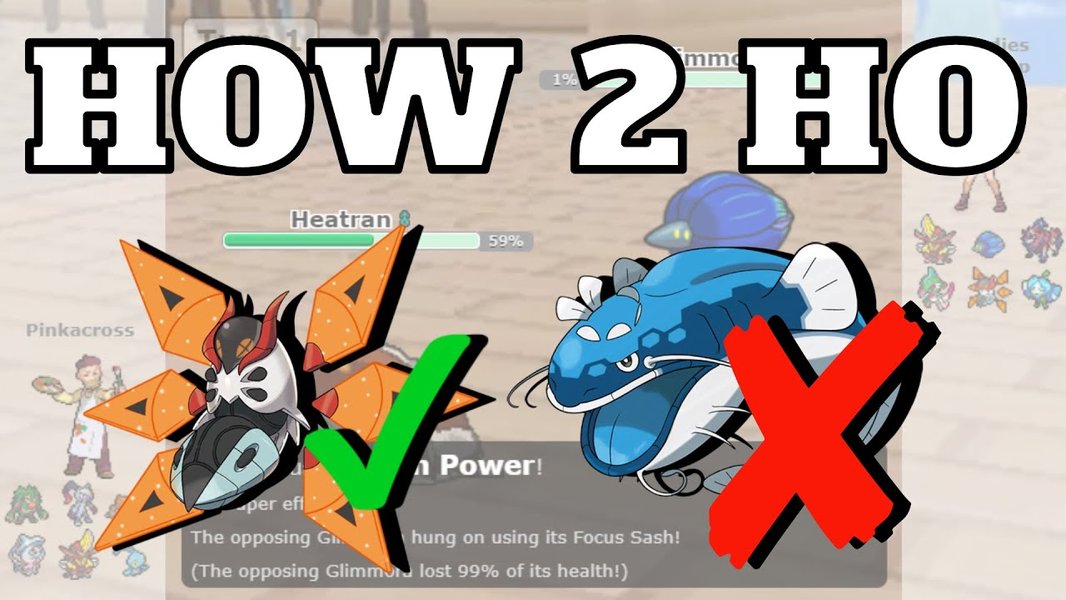
Hyper Offense teambuilding often relies on a mix of powerful physical and special attackers to break through diverse defensive setups.
Hyper Offense (HO) Cores
Hyper Offense teams focus on overwhelming the opponent with relentless offensive pressure from the get-go. These cores often feature multiple fast, hard-hitting sweepers and wallbreakers, frequently supported by suicide leads that set up entry hazards or dual screens. Priority moves are also crucial in HO to pick off weakened foes or revenge kill threats.
Bulky Offense Cores
These cores utilize Pokémon that possess significant offensive presence alongside respectable bulk. These Pokémon can take a hit while dishing out substantial damage, making them resilient threats that can sustain pressure over several turns. They often appreciate hazard control and can wear down defensive teams effectively.
Exemplary Offensive Cores in Gen 9 OU
The Gen 9 OU metagame has seen the rise of several potent offensive pairings. These examples illustrate the principles discussed above and are commonly seen in high-level play.
Gholdengo + Iron Valiant
Composition and Roles:
- Gholdengo: A Steel/Ghost-type special attacker. Its ability, Good as Gold, grants immunity to status moves, making it an excellent setup sweeper or wallbreaker with moves like Nasty Plot and Make It Rain or Shadow Ball. Tera Steel or Tera Ghost further boosts its offensive output.
- Iron Valiant: A Fairy/Fighting-type versatile attacker. It can function as a physical, special, or mixed sweeper with access to a wide movepool including Close Combat, Moonblast, Knock Off, and Swords Dance or Calm Mind. Its high Speed and offensive stats make it a premier threat.
Synergy and Strategy:
This core excels at breaking down common defensive structures. Gholdengo pressures Pokémon that might resist Iron Valiant's STABs (like Amoonguss or Toxapex, depending on sets), while Iron Valiant can dismantle special walls or Dark-types that trouble Gholdengo. Gholdengo's immunity to status prevents disruption, while Iron Valiant's speed and power can clean up late-game or break holes early. Both appreciate hazard support to wear down checks.
Ogerpon-Wellspring + Kingambit
Composition and Roles:
- Ogerpon-Wellspring: A Water-type (Grass/Water when Terastallized) physical attacker. With its Wellspring Mask, it gains a Water typing and Water Absorb. It's known for its powerful Ivy Cudgel (Water-type) and Horn Leech, often utilizing Swords Dance to become a fearsome sweeper.
- Kingambit: A Dark/Steel-type physical attacker. Its ability, Supreme Overlord, boosts its Attack for each fainted ally, making it an exceptional late-game cleaner. Kowtow Cleave and Sucker Punch are staple moves, often augmented by Swords Dance. Tera Dark or Tera Flying are common.
Synergy and Strategy:
Ogerpon-Wellspring can break through physical walls that Kingambit might struggle with, particularly Ground-types. It also threatens Water- and Ground-types that could check a non-Tera Flying Kingambit. In return, Kingambit can handle special walls that might otherwise sponge Ogerpon's attacks, and its Sucker Punch provides crucial priority. This core is excellent at applying pressure and has strong comeback potential with Kingambit.
Landorus-Therian + Magearna
Composition and Roles:
- Landorus-Therian: A Ground/Flying-type physical attacker and pivot. Its Intimidate ability weakens physical attackers, and it provides Stealth Rock support or can act as a potent attacker with moves like Earthquake and Stone Edge, or pivot with U-turn.
- Magearna: A Steel/Fairy-type special attacker. Known for its Soul-Heart ability, which boosts its Special Attack with each KO it or an ally achieves. It often runs setup sets with Shift Gear or Calm Mind, or an Assault Vest set for immediate power and bulk.
Synergy and Strategy:
Landorus-T's Intimidate and Ground typing provide a good switch-in to Electric-type attacks aimed at Magearna, and it can weaken physical threats that might otherwise pressure Magearna. Magearna, in turn, handles Dragon-, Ice-, and Fairy-types that can threaten Landorus-T. Landorus-T can set up Stealth Rock to aid Magearna's sweep, or use U-turn to bring Magearna in safely. This core combines utility, pivoting, and immense sweeping potential.
Visualizing Offensive Core Attributes
Different offensive core archetypes bring varied strengths to a team. The radar chart below provides an opinionated comparison of common archetypes across several key battling attributes. This can help in selecting a core style that aligns with your preferred playstyle and team composition.
This chart highlights how Hyper Offense cores typically excel in "Raw Power" and "Speed & Priority" but may lack "Resilience," while Bulky Offense cores offer a more balanced spread with higher "Resilience." "Type Spam" can be very powerful but might be less flexible against well-prepared teams. "Balanced Phys/Spec Cores" aim for high "Synergistic Coverage."
Mastering Offensive Core Construction and Usage
Building and effectively piloting offensive cores requires careful planning and strategic insight. Beyond simply picking strong Pokémon, understanding their interplay and the broader metagame context is key.
Core Building Principles
Hazard Control is Crucial
Entry hazards like Stealth Rock, Spikes, and Toxic Spikes significantly aid offensive cores by chipping away at opposing Pokémon, breaking Focus Sashes, and punishing switches. Conversely, hazard removal (Rapid Spin, Defog, Mortal Spin) for your own side is vital to ensure your offensive threats can switch in multiple times without being worn down too quickly. Pokémon like Great Tusk are invaluable for their ability to both set and remove hazards.
Speed Tiers and Priority
Understanding and manipulating speed tiers is fundamental. Fast Pokémon can pressure opponents, while slower, bulkier attackers need support to function optimally. Priority moves (e.g., Sucker Punch from Kingambit, Aqua Jet from Urshifu-Rapid-Strike, Extreme Speed from Dragonite) can bypass speed tiers to revenge kill faster threats or finish off weakened foes.
The Role of Terastallization
Terastallization is a game-changing mechanic in Gen 9. Offensively, it can be used to:
- Boost the power of a Pokémon's STAB attacks (e.g., Tera Water Ogerpon-Wellspring's Ivy Cudgel).
- Gain a new STAB and surprise an opponent (e.g., Tera Fairy on Iron Valiant for stronger Moonblasts, or Tera Blast of an unexpected type).
- Change typing to break through a specific check (e.g., Tera Grass on a Fire-type to beat a Water-type counter).
Pivoting for Positioning
Moves like U-turn, Volt Switch, and Flip Turn allow Pokémon to deal damage and then switch out, maintaining offensive momentum and bringing in a teammate safely. Pivots are excellent for scouting the opponent's team and positioning your core members advantageously.
This video provides insights into building Hyper Offense teams in Gen 9 OU, a strategy heavily reliant on potent offensive cores.
The embedded video delves into the specifics of constructing Hyper Offense teams. Key concepts discussed often include selecting appropriate leads to set up hazards or screens, identifying powerful wallbreakers and sweepers that form the offensive core, and incorporating late-game cleaners. Such strategies emphasize proactive play, forcing the opponent to react and creating opportunities to overwhelm their defenses before they can stabilize.
Mapping the Elements of Offensive Core Success
The following mindmap illustrates the interconnected components that contribute to building and utilizing successful offensive cores in Pokémon Gen 9 OU. It highlights the thought process from conceptualization to strategic execution on the battlefield.
This mindmap shows how "Core Concepts" like synergy and pressure lead to selecting "Key Pokémon Roles" such as wallbreakers and sweepers. These choices are then influenced by "Strategic Considerations" like team archetype and hazard control, ultimately forming "Common Core Pairings" seen in the metagame. Terastallization acts as an overarching strategic layer impacting all facets.
Prominent Pokémon in Gen 9 OU Offensive Cores
Certain Pokémon consistently feature in top-tier offensive cores due to their exceptional stats, abilities, movepools, and typing. The table below summarizes some of these key players and their typical roles.
| Pokémon | Primary Role(s) | Common Offensive Typing(s) | Notable Attribute/Move for Offense | Typical Core Partners |
|---|---|---|---|---|
| Gholdengo | Special Wallbreaker, Setup Sweeper | Steel, Ghost | Good as Gold (Ability), Make It Rain, Shadow Ball, Nasty Plot | Iron Valiant, Great Tusk, Dragapult |
| Iron Valiant | Mixed Sweeper, Physical Sweeper, Special Sweeper | Fairy, Fighting | Quark Drive (Ability), Moonblast, Close Combat, Swords Dance, Calm Mind | Gholdengo, Walking Wake, Heatran |
| Kingambit | Late-game Cleaner, Physical Wallbreaker | Dark, Steel | Supreme Overlord (Ability), Kowtow Cleave, Sucker Punch, Swords Dance | Ogerpon-Wellspring, Volcarona, Great Tusk |
| Ogerpon-Wellspring | Physical Sweeper, Wallbreaker | Water (Grass/Water when Tera) | Ivy Cudgel (Water), Swords Dance, Horn Leech | Kingambit, Heatran, Zapdos |
| Great Tusk | Physical Wallbreaker, Hazard Setter/Remover, Pivot | Ground, Fighting | Headlong Rush, Close Combat, Rapid Spin, Stealth Rock | Gholdengo, Iron Moth, Zapdos |
| Dragapult | Special/Physical Attacker, Pivot, Speed Control | Dragon, Ghost | High Speed, Dragon Darts, Shadow Ball, U-turn, Hex | Gholdengo, Kingambit, Iron Valiant |
| Landorus-Therian | Physical Attacker, Pivot, Hazard Setter | Ground, Flying | Intimidate (Ability), Earthquake, Stone Edge, U-turn, Stealth Rock | Magearna, Heatran, Tornadus-T |
| Magearna | Special Sweeper, Bulky Attacker | Steel, Fairy | Soul-Heart (Ability), Fleur Cannon, Volt Switch, Shift Gear, Calm Mind | Landorus-T, Urshifu-RS, Heatran |
| Chien-Pao | Physical Sweeper, Revenge Killer | Dark, Ice | Sword of Ruin (Ability), Icicle Crash, Sucker Punch, Sacred Sword | Dragapult, Gholdengo, Skeledirge (to handle its checks) |
This table illustrates how various Pokémon contribute to offensive strategies. For example, Gholdengo's ability to ignore status and hit hard specially makes it a prime candidate for breaking down defensive Pokémon, often paving the way for a partner like Iron Valiant to sweep. Kingambit, with Supreme Overlord, thrives in the late game when supported by teammates who can weaken the opposing team.
Frequently Asked Questions (FAQ)
What's the main difference between an offensive core and a defensive core?
Offensive cores aim to proactively break through the opponent's team using high-power attacks, type synergy to overwhelm checks, and maintaining offensive momentum. Their goal is to secure KOs and control the pace of the battle. Defensive cores, on the other hand, focus on resisting enemy attacks, stalling, and gradually wearing down the opponent through status, residual damage, or entry hazards. They prioritize longevity and reactive play, aiming to counter specific threats.
How many Pokémon should an offensive core ideally have?
Offensive cores typically consist of two or three Pokémon. A two-Pokémon core (a duo) focuses on direct synergy between the pair. A three-Pokémon core (a trio) allows for more complex interactions, such as two attackers that share common checks, and a third member designed to dismantle those specific checks, or a combination of a wallbreaker, a sweeper, and a pivot/support Pokémon that enables them.
How does Terastallization impact building offensive cores in Gen 9?
Terastallization adds a massive layer of depth. For offensive cores, it can:
- Enhance STAB: Terastallizing into one of the Pokémon's existing types boosts the power of those STAB moves significantly.
- Gain New STAB/Coverage: A Pokémon can Terastallize into a new type to gain STAB on a coverage move (via Tera Blast or an existing move of that type), surprising opponents and breaking through walls. For example, a Gholdengo might use Tera Fighting Tera Blast to hit Dark-types like Kingambit.
- Defensive Utility: An offensive Pokémon can use Tera defensively to shed its weaknesses, survive a hit it normally wouldn't, and then continue to apply pressure or set up. For instance, a Dragon-type might Tera into a Steel-type to resist Fairy or Ice attacks.
Are entry hazards always necessary for offensive cores?
While not strictly "always" necessary for every single offensive strategy, entry hazards (Stealth Rock, Spikes, Toxic Spikes) are extremely beneficial for most offensive cores. They punish switches, break Focus Sashes and Sturdy, and provide chip damage that can turn 2HKOs into OHKOs, or 3HKOs into 2HKOs. This consistent pressure significantly helps offensive Pokémon in their role of breaking through the opponent's team. Hyper Offense teams, in particular, almost always rely on hazards to facilitate their sweeps. Some very fast-paced, all-out attacking cores might forgo dedicated hazard setters if they aim to win in very few turns, but generally, their inclusion strengthens offensive game plans.
Recommended Further Exploration
To deepen your understanding of Gen 9 OU and offensive strategies, consider exploring these related queries:
- What are some effective hazard control strategies for Gen 9 OU offensive teams?
- How can I effectively use Terastallization with offensive Pokémon in Scarlet and Violet OU?
- Which Pokémon define the top speed tiers and what are the best priority users in the Gen 9 OU metagame?
- What are the step-by-step considerations for building a successful Hyper Offense team in Gen 9 OU from scratch?
References
Last updated May 10, 2025