
Empowering Gender Equality through Inspiring Speeches
Celebrating the voice of Africa's foremost advocate for gender equality
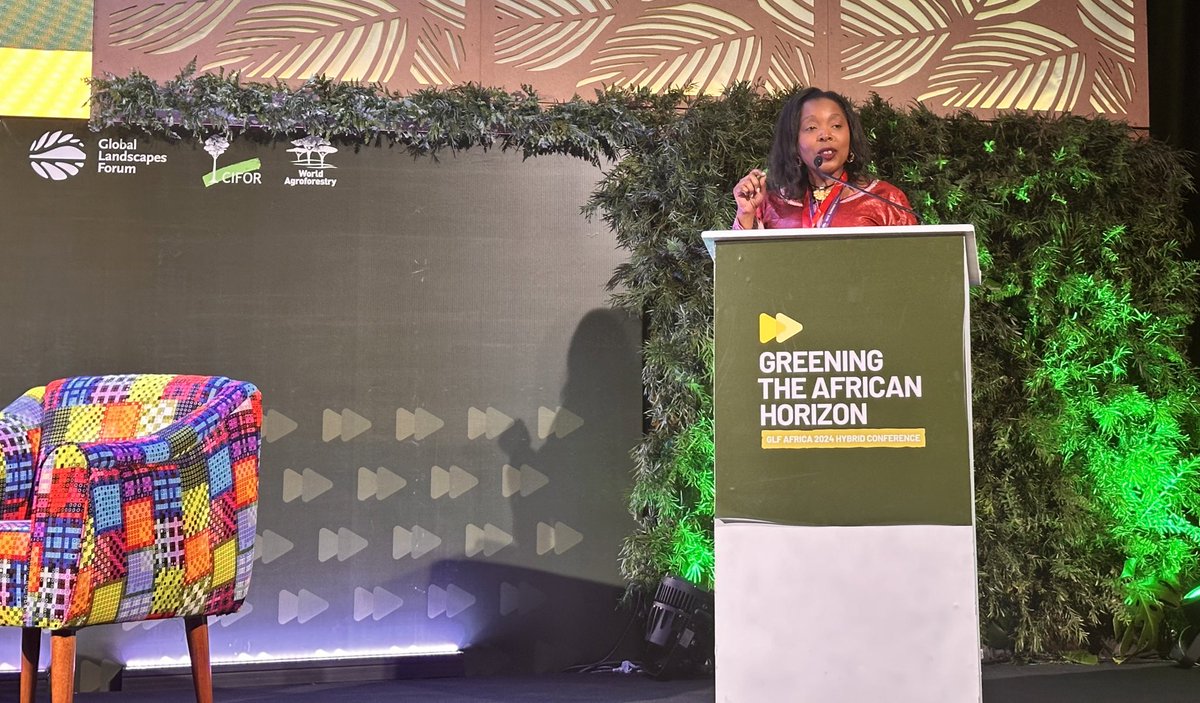
Key Highlights
- Impactful Narratives: Blending personal experiences with analytical insights on gender disparity.
- Call for Inclusive Action: Advocating for shared responsibility in breaking down cultural and systemic biases.
- Empowerment and Economic Growth: Demonstrating how gender equality fosters social justice and economic progress.
Overview of the Speech
In addressing gender equality, Africa's most influential public speakers channel personal stories, statistical realities, and a vibrant call for action into messages that resonate across diverse audiences. Drawing inspiration from the prowess of speakers such as Chimamanda Ngozi Adichie, the speech is designed to shine a light on the challenges and possibilities inherent in the journey towards gender equity. The narrative interweaves accounts of systemic marginalization with uplifting testimonials of women's contributions to every sphere of societal life – be it politics, education, business or culture.
Structure and Themes of the Speech
Introduction
The opening delves into the vital nature of gender equality, establishing the significance of this dialogue in the context of Africa’s evolving socio-political landscape. With warm and inclusive language, the speaker calls on the audience to transition from passive observation to active participation in cultivating an environment where every voice, irrespective of gender, is heard.
Narrative of Personal Journeys
Sharing Lived Experiences
The heart of the speech rests upon personal narratives that underscore overcoming societal prejudices. Anecdotes are shared to illustrate everyday struggles and triumphs in the face of gender discrimination. These captivating stories not only highlight the human cost of inequality but also serve as a template upon which listeners can project their aspirations for change. By interweaving these narratives with statistical insights and cultural metaphors, the public speaker creates a compelling argument that speaks directly to the realities faced by women across Africa.
Addressing Systemic Barriers
Breaking Longstanding Stereotypes
A significant portion of the discourse is dedicated to analysing the systemic challenges that perpetuate gender inequality. These include cultural stereotypes that restrict opportunities for women, patriarchal socio-economic structures that marginalize female leadership, and the traditional norms that hinder both men and women from embracing a more equitable future.
Economic and Social Implications
The speaker eloquently connects gender equality with tangible economic benefits. Highlighting that excluding women from decision-making roles not only dampens societal progress but also curtails economic growth, the speech promotes a vision where inclusion leads to enhanced creativity, balanced leadership, and sustainable development. This section calls attention to the notion that real change cannot be achieved unless every segment of society works in unison to deconstruct the existing hierarchy.
Strategies for Change
Educational Initiatives and Policy Reforms
To catalyse reforms, the speech emphasizes the importance of education in dismantling ingrained biases. It advocates for comprehensive educational programs that promote gender sensitivity from an early age. Furthermore, the speaker stresses the role of policy frameworks that support women's empowerment and facilitate equal access to resources and opportunities. The focus is on enacting measures that reform legal and institutional structures which have long maintained gender imbalances.
Community Engagement and Mentorship
Beyond policy, the speech recognizes grassroots participation as essential. It calls for building robust support networks, community mentorship programs, and establishing safe spaces where women can share their experiences and learn from each other's journeys. By highlighting successful community-led initiatives, the message underscores that change often begins at the local level and can radiate outward to inspire national and continental transformations.
The Call to Action
The final segment of the speech is a fervent call to action. It challenges each individual, regardless of their gender, to join the quest for a world where equality is not merely an ideal but a daily reality. The speaker uses persuasive rhetoric to mobilize societal sectors, urging stakeholders—be they citizens, leaders, or influencers—to take decisive steps in advocating for equality, reform, and justice.
Key Elements in a Visual Overview
| Section | Focus | Outcome |
|---|---|---|
| Introduction | Establish the significance of gender equality | Engagement and awareness |
| Narrative | Personal stories and lived experiences | Emotional connection and motivation |
| Systemic Analysis | Cultural and institutional challenges | Understanding barriers and implications |
| Strategies | Educational, policy, and community actions | Roadmap to actionable change |
| Call to Action | Mobilize and unite efforts | Movement towards gender equality |
Style and Delivery
Chimamanda Ngozi Adichie’s Influences
The speech takes cues from the renowned style of Chimamanda Ngozi Adichie, a beacon for gender equality whose public addresses have changed the discourse on feminism. Her approach, characterized by clear articulation, compelling narratives, and a blend of intellectual and emotional appeal, serves as a template for this speech. The delivery is both assertive and empathetic, making complex socio-political ideas accessible to all.
Delivery Techniques
Voice Modulation and Pausing
Effective public speaking requires not only well-crafted content but also a commanding delivery. A measured pace, strategic pauses, and varying tone levels are essential to emphasize critical points, allow the audience to process the messages, and evoke emotional responses. This method ensures the speech is engaging and memorable.
Visual and Non-verbal Communication
Complementing the verbal narrative, body language and visual cues play a significant role. Strong eye contact, confident gestures, and appropriate facial expressions help to reinforce the message, making the demands for equality feel tangible and immediate.
References
- Africa's Top 9 Influential Speakers - Africa Speech Association
- Life Changing Speeches by Iconic African Women - Marie Claire Nigeria
- Speech on Gender Inequality - UN Women Africa
- 11 Powerful Speeches by African Women - Amaka Studio
- Gender Equality Speakers - SpeakerHub
Recommended for Further Exploration
Last updated March 10, 2025