
Beyond Binary: Why Dismissing Gender-Neutral Writing Overlooks Its Crucial Role
Exploring the compelling reasons why inclusive language is essential for respect, clarity, and progress in communication.
The idea that gender-neutral writing is "unnecessary" overlooks a significant body of evidence and evolving societal understanding. Far from being a mere trend, adopting gender-inclusive language is increasingly recognized as a fundamental aspect of respectful, accurate, and effective communication in professional, academic, and everyday contexts. This response delves into why gender-neutral writing is considered necessary by many, exploring its benefits, techniques, and addressing common counterarguments.
Key Insights on Gender-Neutral Writing
- Promotes Inclusivity and Respect: Gender-neutral language actively includes individuals of all genders, including non-binary and transgender people, fostering a sense of belonging and acknowledging diverse identities.
- Enhances Clarity and Reduces Bias: By avoiding assumptions about gender, it leads to more precise communication and helps dismantle ingrained stereotypes often perpetuated by traditional gendered language.
- Reflects Social and Linguistic Evolution: Language naturally evolves to mirror societal changes; embracing gender neutrality is part of adapting communication to be more equitable and representative of contemporary understanding.
The Imperative of Inclusive Communication
Gender-neutral language, also known as gender-inclusive language, is a conscious approach to writing and speaking that avoids assumptions about gender and aims to treat all individuals with equity. Dismissing it as unnecessary disregards its vital role in several key areas.
Fostering Equity and Respect
At its core, gender-neutral writing is about respect. Using language that defaults to male pronouns (like using "he" to refer to a generic person) or exclusively binary terms (he/she) can make individuals who don't identify within these categories feel excluded or invisible. This is particularly important in recognizing and validating the identities of non-binary, transgender, and gender-diverse people. Institutions like the United Nations emphasize using gender-inclusive language in all communications to honor human diversity and promote equality.
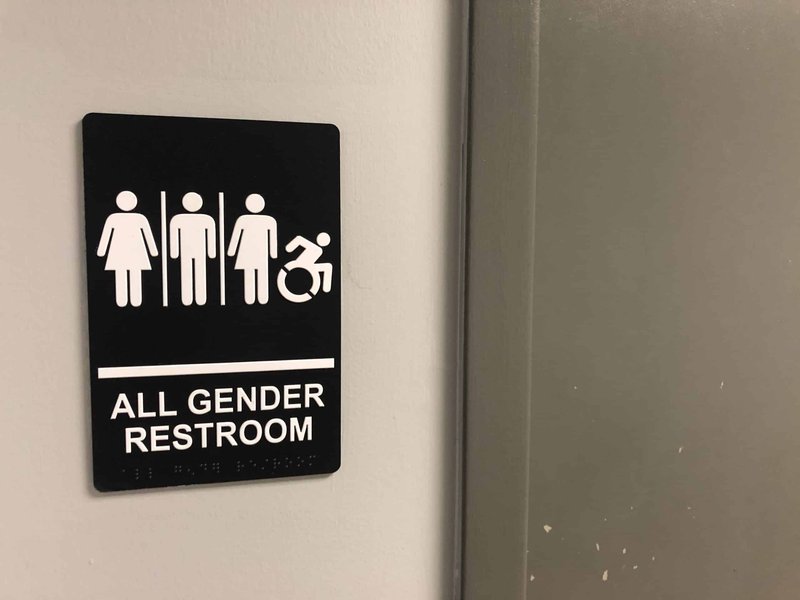
Symbols representing the diversity of gender identities.
Improving Accuracy and Clarity
Gendered language can often be imprecise and lead to misunderstandings or errors. For instance, using "policeman" excludes women and non-binary individuals in the profession. Switching to "police officer" is not only more inclusive but also more accurate. Furthermore, avoiding assumptions about an individual's gender (e.g., using "they" when unsure) prevents potential offense and misgendering, leading to clearer and more effective communication, especially in professional and official documents.
Challenging Bias and Stereotypes
Language significantly shapes perception. Studies have shown that using traditionally "generic" masculine terms (like "mankind" or defaulting to "he") leads people to predominantly visualize men, reinforcing unconscious biases and gender stereotypes about roles and capabilities. Gender-neutral language actively counteracts this by prompting broader, less restrictive mental images and challenging assumptions about who performs certain jobs or roles (e.g., "firefighter" instead of "fireman," "chairperson" instead of "chairman").
Visualizing the Landscape of Gender-Neutral Language
To better understand the multifaceted nature of gender-neutral language, consider the following visualization. This chart assesses various dimensions associated with its adoption and impact, based on common perceptions and the arguments presented in academic and public discourse. It contrasts the perceived state versus the potential impact when fully embraced.
This chart illustrates that while challenges like social acceptance or ease of implementation are sometimes perceived as moderate hurdles (scores 4-5), the actual positive impact on inclusivity, bias reduction, clarity, and overall equity is significantly higher (scores 8-9), highlighting its importance beyond perceived difficulties.
Mapping the Concepts: Reasons and Techniques
The push for gender-neutral writing stems from various interconnected reasons and is implemented through specific linguistic strategies. This mindmap outlines the core motivations behind adopting inclusive language and the common techniques used to achieve it.
This map visually connects the fundamental reasons for using gender-neutral language—like fostering inclusivity and reducing bias—with practical methods such as using neutral pronouns ('they/them'), opting for gender-neutral job titles, and restructuring sentences to avoid gendered assumptions.
Practical Examples: Shifting from Gendered to Neutral Language
Understanding how to apply gender-neutral principles involves recognizing gendered terms and finding suitable alternatives. The following table provides examples of common shifts:
| Gendered Language | Gender-Neutral Alternative(s) | Explanation |
|---|---|---|
| When a student submits his paper... | When a student submits their paper... When students submit their papers... When submitting the paper... |
Replaces gendered pronoun with singular 'they', pluralizes, or rephrases to avoid the pronoun. |
| Chairman, Spokesman, Fireman, Policeman | Chairperson/Chair, Spokesperson, Firefighter, Police Officer | Replaces gender-specific job titles with neutral ones. |
| Mankind | Humankind, Humanity, People | Uses inclusive terms for humanity. |
| Man-made | Artificial, Synthetic, Manufactured, Human-made | Avoids gendered term for something created by people. |
| Actress, Waitress, Stewardess | Actor, Server, Flight Attendant | Uses non-gendered role descriptions applicable to anyone. |
| Dear Sirs, Gentlemen | Dear Colleagues, Dear Hiring Manager, To Whom It May Concern, Team | Uses inclusive salutations in correspondence. |
| He/She, His/Her | They, Their, Them | Employs the singular 'they' for generic references or when gender is unknown/non-binary. |
This table illustrates concrete ways to make writing more inclusive by choosing words that don't assume or specify gender, thereby broadening applicability and showing respect for all individuals.
Understanding the Impact: Why Words Matter
The language we use has power. It can either reinforce existing inequalities or contribute to a more equitable and understanding society. This video explores the significance of inclusive language beyond just pronouns, touching upon how everyday words can shape perceptions and experiences.
The video highlights that being inclusive involves more than correctly using pronouns; it extends to the broader vocabulary we employ. Rethinking common phrases and terms that carry implicit gender biases is crucial for creating communication that truly respects and includes trans, non-binary, and all gender identities.
Addressing Counterarguments and Concerns
While the benefits are clear, some arguments are raised against the adoption of gender-neutral language. It's important to address these concerns:
"It's Grammatically Incorrect"
A common objection targets the use of singular 'they'. However, linguistic history shows 'they' has been used as a singular pronoun in English for centuries, appearing in the works of authors like Shakespeare and Jane Austen. Major style guides (like APA, MLA, Chicago) now accept and even recommend singular 'they'. Resistance on grammatical grounds often masks discomfort with social change rather than a genuine linguistic issue.
"It's Confusing or Awkward"
Introducing new terms or usages (like singular 'they' or neopronouns) can initially feel unfamiliar. However, language constantly evolves. Terms that once seemed strange often become commonplace (e.g., 'Ms.'). Initial awkwardness generally fades with practice and increased exposure. The potential for slight initial confusion is often outweighed by the benefit of inclusivity.
"It Erases Women"
Some critics argue that gender-neutral language, particularly alternatives to female-specific terms, diminishes the visibility of women. However, the goal of inclusive language is not to erase any gender but to expand recognition to *all* genders and avoid making assumptions. It aims for equity, not erasure, ensuring that language doesn't default to male or exclude non-binary individuals.
"It's Unnecessary or Performative"
Some argue that changing language doesn't address root societal problems. While language change alone isn't sufficient to achieve gender equality, it is a powerful tool that shapes attitudes and behaviors. Using inclusive language signals respect and actively challenges the biases embedded in traditional language, making it a necessary component of broader social justice efforts, not merely a superficial gesture.
Frequently Asked Questions
Isn't using singular 'they' bad grammar?
No, the singular 'they' has a long history in the English language, dating back centuries. Its usage has been common when referring to a person whose gender is unknown or irrelevant. Major style guides, including APA, MLA, and Chicago Manual of Style, now formally recognize and often recommend its use for inclusivity and clarity. The argument against it often stems more from prescriptive grammar rules that haven't kept pace with actual usage and the need for inclusive language.
Does gender-neutral language erase or diminish women?
This is a misconception. Gender-neutral language aims to expand inclusivity to encompass all genders, including non-binary individuals, without removing focus from women. It challenges the historical default to masculine terms and ensures that language doesn't inadvertently exclude anyone. The goal is equity and accurate representation for everyone, not the erasure of any specific group.
Why is changing language necessary? Shouldn't we focus on bigger issues?
Language is deeply intertwined with thought, culture, and social structures. While changing language alone won't solve systemic inequality, it is a critical part of the solution. Biased language perpetuates harmful stereotypes and exclusion. Adopting inclusive language is a tangible way to show respect, challenge norms, and contribute to creating a more equitable society. It complements, rather than detracts from, efforts to address larger systemic issues.
Is it difficult to learn and use gender-neutral language?
Like learning any new skill or habit, incorporating gender-neutral language might require conscious effort initially. It involves unlearning some ingrained habits (like defaulting to 'he' or using gendered job titles) and practicing alternatives. However, many techniques, like using plural nouns or singular 'they', are relatively straightforward. While it may feel awkward at first, practice makes it easier and more natural over time. The effort is worthwhile for fostering more respectful and inclusive communication.
Recommended Further Exploration
- What are the main arguments against gender-neutral language and how are they addressed?
- How has the use of singular 'they' evolved in the English language?
- What specific guidelines do style manuals like APA and MLA provide for gender-inclusive writing?
- How does gendered language impact perception and bias in professional settings?
References
 lindyaffair.wordpress.com
Last updated May 5, 2025