
Research Introduction: Exploring the Nuances of Gender Identity
An in-depth exploration of the factors shaping personal and social dimensions of gender
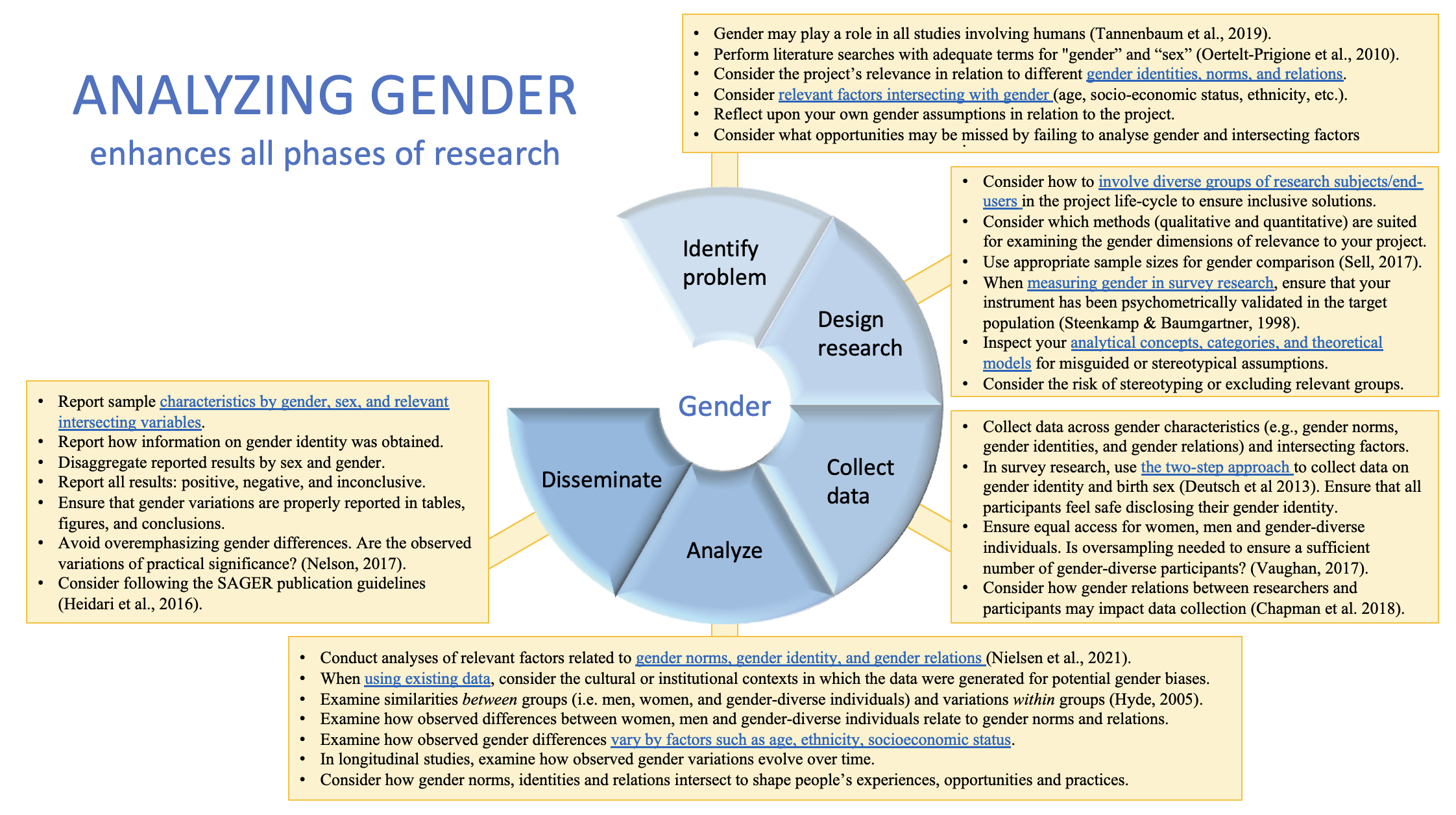
Key Takeaways
- Multifaceted Influences: Gender identity is shaped by an interplay of biological, psychological, and sociocultural factors.
- Historical and Contemporary Perspectives: Research has evolved from binary viewpoints to inclusive and dynamic conceptualizations.
- Impact on Policy and Society: Insights into gender identity inform practices and policies that support diversity and inclusivity.
Introduction and Overview
Gender identity stands as a central aspect of human individuality, embodying the internal, deeply felt sense of being male, female, a blend of both, neither, or any identity along the gender spectrum. This research introduction aims to explore the evolution of gender identity as a concept, tracing its historical roots, examining its development in contemporary contexts, and analyzing the myriad influences that shape it. As society becomes more attuned to diverse expressions of identity, understanding gender identity has moved beyond the confines of traditional binary frameworks, embracing expansive interpretations and interdisciplinary approaches. This introduction presents a comprehensive perspective on gender identity that incorporates biological, psychological, sociocultural, and philosophical dimensions.
Historical Context and Evolution
Early Theoretical Foundations
The term "gender identity" emerged during the 1960s and 1970s, revolutionizing earlier notions that conflated gender with biological sex. Pioneers in the field, such as Robert J. Stoller, began to distinguish between the roles, behaviors, and identities that society attributes to individuals versus their inherent physical characteristics. Early theories posited that children could develop an awareness of their gender identities as early as 18 months to 2 years old. This period of early childhood was seen as critical for establishing an internal sense of gender, which was initially thought to be primarily influenced by external social factors.
Shifts in Understanding
Over subsequent decades, researchers observed that while socialization was indeed influential, biological underpinnings such as genetics and prenatal hormonal influences also played significant roles. The emerging consensus indicates that gender identity is a dynamic interplay in which nature and nurture interact in complex ways. As studies increasingly revealed, gender identity is not a fixed trait; rather, it can evolve over time and may not always align with the sex assigned at birth. The evolution from early binary models to more fluid interpretations underscored the importance of considering individual experiences alongside broader cultural narratives.
Interdisciplinary Perspectives
Biological Considerations
Biological factors provide a critical foundation for understanding gender identity. Genetic predispositions and prenatal hormonal environments have been shown to influence brain development and later identity formation. Twin studies, for instance, demonstrate that while genetics contribute to gender identity, the complete picture emerges only when these influences are explored alongside environmental factors. This integration of biological insights with developmental psychology helps explain why, despite similar biological conditions, individuals may experience and express gender in uniquely personal ways.
Psychological Dimensions
From a psychological perspective, gender identity is seen as an internal construct that evolves through personal experiences, cognitive development, and social learning. The internal sense of self, nurtured through early interactions, personal reflections, and societal feedback, leads to a nuanced understanding of gender. Psychological theories have progressively moved away from rigid gender roles, acknowledging the fluidity and multiple dimensions of identity. Moreover, the emotional and cognitive aspects of gender identity are essential for both self-recognition and social interactions, significantly influencing overall mental health and well-being.
Sociocultural Influences
The sociocultural context in which an individual grows up plays a pivotal role in shaping gender identity. Societal norms, cultural values, media portrayals, and legal frameworks all contribute to how gender is perceived and expressed. For many, traditional cultural constructs have long dictated what is acceptable or expected in terms of gender presentation. However, as contemporary society opens up to more diverse representations, including transgender, non-binary, and gender non-conforming identities, there has been a significant shift towards inclusivity. This cultural transformation challenges long-standing stereotypes and calls for an understanding that sees gender identity as a social construct subject to continuous reinterpretation and change.
Modern Cultural Dynamics
Today, cultural discourse often encompasses the concept of gender as fluid and multifaceted. Advancements in media and digital communications have allowed marginalized voices to share narratives that defy traditional gender norms. This visibility has led not only to greater societal acceptance but also to legal and policy reforms aimed at protecting individuals' rights to self-identification. Educational programs and critical research continue to push for a broader understanding of gender identity, developing frameworks that are sensitive to intersectionality—acknowledging how aspects such as race, class, and cultural background interact with gender.
Conceptual Frameworks and Theoretical Models
Binary vs. Spectrum Models
Traditional frameworks have historically relied on binary models of gender, categorizing individuals strictly as male or female. However, contemporary research challenges this duality by promoting a spectrum-based view of gender. The spectrum model acknowledges that gender can be experienced and expressed in a multitude of ways beyond binary classification. Concepts such as non-binary, genderqueer, and genderfluid identities have emerged as legitimate and integral parts of the gender spectrum.
Advantages of the Spectrum Approach
One of the primary advantages of adopting a spectrum-based approach is its inclusiveness. By recognizing that gender exists on a continuum, this perspective validates the lived experiences of individuals who do not conform to traditional gender roles. This shift in understanding has significant implications for both social policies and psychological support structures, as it allows for a more tailored and empathetic response to the needs of individuals exploring or identifying outside binary norms.
Intersectionality and the Role of Identity
A crucial aspect of modern gender identity research is the recognition of intersectionality. Intersectionality refers to the interconnected nature of social categorizations such as race, class, and sexual orientation, which may compound or influence individual experiences of gender. Scholars now integrate intersectional frameworks to examine how different identities overlap and interact, leading to diverse experiences of gender. This approach not only illuminates the complex realities of gender identity but also helps in identifying unique challenges faced by various subpopulations, including people of color, immigrants, and individuals from differing socioeconomic backgrounds.
Implications for Policy, Healthcare, and Education
Policy Development and Legal Recognition
The research on gender identity has had profound implications for policy-making at both national and international levels. Governments and legal bodies are increasingly recognizing the need to protect the rights of individuals whose gender identity diverges from traditional norms. Legal recognition, such as the ability to change one’s gender marker on official documents and anti-discrimination laws, has been essential for safeguarding the rights and dignity of transgender and non-binary individuals. These policies not only improve access to resources like healthcare and education but also foster environments of social acceptance.
Healthcare and Mental Health
Gender identity research has played a transformative role in reconfiguring healthcare practices, particularly concerning transgender and gender non-conforming individuals. Historically, these populations faced significant barriers in accessing appropriate healthcare, ranging from mental health support to gender-affirming treatments. The evolution of research has led to better-informed practices that emphasize respectful, patient-centered care. Initiatives to improve mental health support for gender-diverse populations have been increasingly prioritized, recognizing the psychological toll that discrimination and stigma can impose.
Challenges in Healthcare Access
Despite improvements, many still face barriers such as lack of culturally competent care or healthcare systems that are unprepared to address the specific needs of gender diverse individuals. Research continues to advocate for comprehensive reforms that encompass training for healthcare providers, improved insurance coverage, and the integration of gender-affirmative practices. These efforts are instrumental in transforming the healthcare landscape into one that respects and nurtures the individuality of all patients.
Educational Initiatives and Social Awareness
Education plays a pivotal role in shaping perceptions of gender identity. Incorporating gender studies into academic curricula encourages critical thinking and challenges longstanding stereotypes. Schools and universities, by integrating topics related to gender diversity, foster environments that promote acceptance and understanding from a young age. Empirical research in education has shown that exposure to multifaceted discussions about gender can reduce prejudice and help create supportive communities for all students.
Developing Inclusive Curriculum
Developing an inclusive curriculum that represents a wide range of gender identities is crucial for reducing stigma and promoting social justice. Educators are increasingly calling for the inclusion of transgender, non-binary, and other gender diverse narratives in textbooks, classroom discussions, and extracurricular activities. Such educational reforms not only help students understand the complexities of gender identity but also empower them to challenge discriminatory practices in society.
Empirical Research and Methodological Approaches
Qualitative and Quantitative Approaches
The study of gender identity employs both qualitative and quantitative research methodologies to capture the full spectrum of human experiences. Qualitative methods, such as in-depth interviews and ethnographic studies, provide rich, contextual insights into how individuals perceive and narrate their gender identity. These narratives are valuable for understanding the personal and emotional dimensions of gender. On the other hand, quantitative studies, including surveys and large-scale data analyses, facilitate the identification of broader patterns and trends within diverse populations. Such mixed-methods approaches enable researchers to triangulate data, ensuring a robust and comprehensive analysis of gender identity.
Interdisciplinary and Cross-Cultural Research
Given that gender identity is a multifaceted construct, interdisciplinary research that draws from fields such as neuroscience, sociology, psychology, and anthropology is essential. Cross-cultural studies have revealed that perceptions of gender can vary significantly between societies, reflecting culturally specific norms and values. This global perspective not only enhances the understanding of gender identity as a universal phenomenon but also highlights the unique challenges and opportunities presented in different cultural contexts. Comparative studies have been invaluable in emphasizing that while some aspects of gender identity are common, many of its expressions are deeply embedded in local cultural practices.
A Comparative Overview: Biological, Psychological, and Social Factors
To crystallize the multifaceted influences on gender identity, the following table provides a comparative overview of the key factors:
| Factor | Aspect | Impact on Gender Identity |
|---|---|---|
| Biological | Genetics, Prenatal Hormones, Neurobiology | Provides a foundational framework influencing early brain development and predispositions |
| Psychological | Cognitive Development, Emotional Processing, Self-Perception | Shapes the internal sense of gender and personal expressions of identity |
| Sociocultural | Socialization, Cultural Norms, Media Influences | Dictates external expressions, societal acceptance, and legal recognition through cultural narratives |
| Intersectional | Race, Class, Sexual Orientation | Creates diverse experiences by intertwining multiple aspects of individual identity |
This table encapsulates the complex, interrelated forces at work when discussing gender identity. Recognizing each factor's role helps in formulating policies and support systems that are nuanced and responsive to individual experiences.
Contemporary Significance and Future Directions
Social Justice and Human Rights
The modern discourse on gender identity is deeply intertwined with issues of social justice and human rights. In an era marked by rapid social change, research in this field has profound implications that extend from individual well-being to systemic reform. Activism and policy initiatives driven by empirical research have led to substantial legal and social advancements, particularly for transgender and non-binary communities. This empowerment through research not only provides academic validation to diverse experiences but also catalyzes movements toward greater social equality.
Technology and Digital Dimensions
Advancements in digital communication and social media have opened new avenues for exploring and expressing gender identity. Online platforms have enabled the formation of vibrant, supportive communities that transcend geographical boundaries. Digital narratives have proved essential in highlighting the lived experiences of those whose identities challenge mainstream norms. Furthermore, technology has facilitated innovative research methodologies that incorporate digital ethnography and data analytics, thus enriching the field with real-time insights and interactive models of understanding.
Future Research Priorities
The future of gender identity research lies in embracing intersectional and transdisciplinary approaches, further integrating biological, psychological, and sociocultural perspectives. Innovations in neuroscience and genetics promise to deepen our understanding of the biological foundations of gender identity, while ongoing qualitative studies will continue to illuminate personal narratives and lived experiences. Future research is also expected to explore how changing legal landscapes and global cultural shifts further influence gender identity construction across diverse populations.
Conclusion
In conclusion, gender identity remains one of the most dynamically evolving and multifaceted components of human identity. Its development is influenced by an intricate interplay of biological factors, psychological processes, and sociocultural contexts. The evolution of research on gender identity—from early binary frameworks to today’s inclusive and spectrum-based models—reflects broader social progress and calls for an interdisciplinary approach to fully comprehend the complexities involved. As society continues to embrace diversity, the ongoing scholarly inquiry into gender identity not only enriches our theoretical frameworks but also plays an instrumental role in driving policies, reforming healthcare, and shaping educational practices. Understanding and respecting gender identity is paramount for building an equitable society where every individual is empowered to define themselves authentically.
References
- Introduction to Gender Studies - Digital Discite
- Gender as a Social and Structural Variable - Oxford Academic
- Introduction to Gender - Open Text BC
- Measuring Sex, Gender Identity, and Sexual Orientation - NCBI
- Gender and Sexual Identity Resources - Identiversity
- Understanding Gender Identities & Pronouns - The Trevor Project
- Gender, Identity, and Society - Oxford Academic Analysis
- Understanding transgender people, gender identity and gender expression - APA
- Gender Identity Overview - Medscape
- Research and Data on Gender Identity - Pew Research Center
- Current Issues: Gender Identity - Lone Star College Research
-
Overview of Gender Identity - ScienceDirect
More
Last updated February 19, 2025