
Unlocking the Universe: A Deep Dive into General Chemistry
Explore the foundational science that governs matter, energy, and everything around us.
General Chemistry is an essential introductory course that lays the groundwork for understanding the fundamental principles of chemistry. It's typically a first-year university requirement for students pursuing STEM fields, including biology, biochemistry, physics, engineering, and medicine. This comprehensive discipline explores the nature of matter, its properties, composition, structure, and the myriad changes it undergoes through chemical reactions. Often referred to as the "central science," chemistry bridges the gap between physical and life sciences, providing a critical lens through which to view our world.
Key Highlights of General Chemistry
- Foundational Concepts: General chemistry delves into the core building blocks of matter, starting with atoms and molecules, progressing to the periodic table, and understanding how chemical bonds form.
- Quantitative Analysis: A significant aspect is stoichiometry, which involves the quantitative relationships between reactants and products in chemical reactions, crucial for problem-solving.
- Diverse Topics: The curriculum spans a wide array of topics, including states of matter, solutions, acids and bases, thermochemistry, kinetics, equilibrium, and introductions to electrochemistry and nuclear chemistry.
- Practical Application: Beyond theoretical knowledge, general chemistry fosters critical thinking, data analysis, and laboratory skills through hands-on (or virtual) experiments, connecting concepts to real-world phenomena.
Defining the Realm of General Chemistry
General chemistry is an overarching discipline that introduces students to the core ideas and principles governing the composition, structure, properties, and reactions of matter. It’s an indispensable course for anyone interested in science, as it forms the bedrock for more specialized chemistry studies like organic, inorganic, analytical, and physical chemistry. The scope of general chemistry is vast, covering everything from the subatomic realm to macroscopic phenomena.
At its heart, chemistry is the study of matter—anything that has mass and takes up space—and how different forms of matter interact with each other and with energy. This includes elements, compounds, and mixtures, as well as the physical and chemical changes they undergo. Understanding these interactions is key to comprehending the universe around us, from the air we breathe to the food we eat, and even the functioning of our own bodies.
Core Concepts and Fundamental Pillars
General chemistry encompasses a wide spectrum of interconnected concepts. These topics build upon each other, creating a cohesive framework for understanding chemical phenomena. Here are the fundamental pillars typically covered:
Matter and Energy: The Basic Building Blocks
The journey into general chemistry begins with defining matter and energy. Matter is anything that possesses mass and occupies space, while energy is the capacity to do work or cause change. Students learn about the conservation of mass and energy, understanding that matter and energy are neither created nor destroyed, but rather transformed. This includes distinguishing between physical and chemical changes, and exploring the different states of matter: solid, liquid, gas, and plasma.
Atomic Structure and the Periodic Table: The Element's Identity
At the very core of chemistry is the atom, the smallest unit of an element that retains its chemical properties. General chemistry delves into the atomic structure, explaining protons, neutrons, and electrons, and how their arrangements define an element. This leads naturally to the periodic table, a masterpiece of organization that arranges elements based on their atomic number and electron configurations, revealing periodic trends in their properties and reactivity.
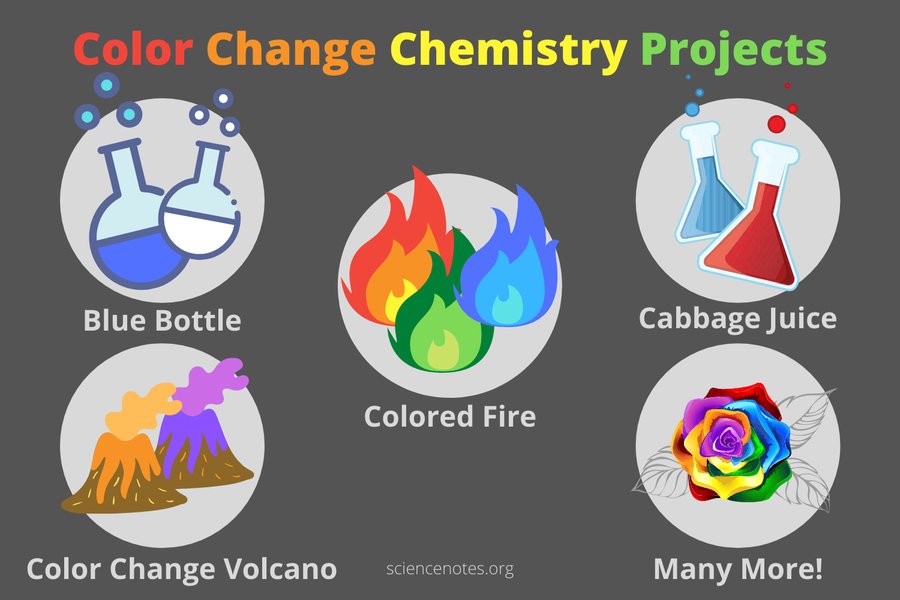
A visual representation of chemical reactions resulting in color changes, a common phenomenon explored in general chemistry labs.
Chemical Bonding and Molecular Geometry: Shaping the Molecules
Understanding how atoms connect to form molecules is central. General chemistry explores various types of chemical bonds, including ionic, covalent, and metallic bonds, and how these bonds influence the shape and properties of molecules. Concepts like molecular geometry and polarity are introduced, which are vital for predicting a substance's physical and chemical behavior.
Stoichiometry: The Quantitative Language of Reactions
Stoichiometry is the quantitative study of chemical reactions, allowing chemists to predict the amounts of reactants consumed and products formed. This involves mastering the concept of the mole, balancing chemical equations, and performing calculations related to masses, volumes, and concentrations. It's a foundational skill for any aspiring chemist or scientist.
States of Matter and Solutions: Properties and Interactions
Beyond basic states, general chemistry examines the behavior of gases, including gas laws and kinetic molecular theory. It also delves into solutions, discussing solubility, concentration calculations (such as molarity and molality), and colligative properties. This understanding is crucial for countless applications, from biological processes to industrial chemistry.
Acids, Bases, and pH: The Fundamentals of Reactivity
A significant portion of general chemistry is dedicated to acid-base chemistry, covering different theories of acids and bases, the pH scale, neutralization reactions, and buffer systems. These concepts are fundamental to understanding many chemical and biological processes.
Thermochemistry and Energy Changes: The Heat of Reactions
Thermochemistry explores the relationship between chemical reactions and energy changes. Key concepts include enthalpy (heat absorbed or released), entropy (disorder), and Gibbs free energy (spontaneity of reactions). Understanding these thermodynamic principles helps predict whether a reaction will occur spontaneously and how much energy is involved.
Chemical Kinetics and Equilibrium: Rates and Reversibility
Chemical kinetics investigates the rates at which reactions occur and the factors that influence them, such as temperature, concentration, and catalysts. Equilibrium, on the other hand, deals with dynamic processes where forward and reverse reactions proceed at equal rates, resulting in no net change in reactant and product concentrations.
Electrochemistry and Nuclear Chemistry: Beyond the Basics
Many general chemistry courses include introductions to electrochemistry (the study of chemical reactions involving electron transfer, like in batteries) and nuclear chemistry (basic concepts of nuclear reactions and their applications, such as in medicine and energy).
The Indispensable Role of General Chemistry
General chemistry is far more than an academic hurdle; it's a gateway to understanding the chemical nature of our world. Its importance spans multiple dimensions:
- Foundation for Advanced Studies: It is the prerequisite for all subsequent chemistry courses (organic, inorganic, physical, analytical) and serves as a foundational science for virtually all STEM fields.
- Problem-Solving and Critical Thinking: The course emphasizes analytical and problem-solving skills, requiring students to apply theoretical knowledge to quantitative and qualitative challenges.
- Laboratory Skills Development: Through hands-on (or virtual) laboratory experiments, students gain practical experience in scientific methodology, data collection, analysis, and interpretation, developing crucial laboratory proficiencies.
- Real-World Applications: Chemistry is omnipresent. General chemistry illuminates the chemical processes behind everyday phenomena, from cooking and cleaning to environmental issues and medical advancements, fostering informed decision-making.
- Career Pathway: For students aspiring to careers in medicine, engineering, research, environmental science, pharmaceuticals, and many other scientific and technical fields, a strong foundation in general chemistry is non-negotiable.
Visualizing Key Aspects of General Chemistry
To better understand the multifaceted nature of general chemistry and its various components, consider the following mind map diagram. This visual aid illustrates the interconnectedness of core concepts and their relationship to broader applications within the field.
Navigating the General Chemistry Learning Journey
Learning general chemistry effectively requires a multi-faceted approach. Here’s a breakdown of common learning strategies and essential resources:
Course Structure and Methodology
General chemistry courses typically combine lectures with laboratory sections. Lectures provide theoretical understanding, while labs offer hands-on experience, allowing students to apply concepts, develop problem-solving skills, and analyze experimental data. Many modern courses adopt "flipped classroom" models, where students engage with material (readings, videos) before class, reserving class time for discussions, problem-solving, and interactive exercises.
Effective Learning Strategies
- Conceptual Understanding First: Begin by grasping fundamental concepts like units, measurements, the scientific method, and basic atomic theory before moving to more complex topics.
- Regular Problem-Solving Practice: Chemistry is cumulative and problem-based. Consistent practice with problem sets and quantitative exercises is crucial for mastery, especially in stoichiometry and chemical equations.
- Utilize Visual Aids and Simulations: Abstract concepts like molecular geometry or reaction mechanisms become clearer with visual tools, animations, and virtual labs that simulate experiments.
- Engage with Lab Exercises: Whether in-person or virtual, laboratory work helps connect theoretical knowledge with practical observations, reinforcing learning.
- Review and Reinforce: Use study guides, flashcards, and quizzes to regularly test your understanding and reinforce learned material.
Recommended Learning Resources
A wealth of resources exists to support learning in general chemistry:
- Textbooks: Classic and open-access textbooks like OpenSTAX "Chemistry" or those from the Open Textbook Library provide comprehensive coverage. Pearson's "Introductory Chemistry: Concepts and Critical Thinking" is also highly regarded for its focus on critical analysis.
- Online Platforms:
- ChemCollective: Offers virtual labs, scenario-based activities, and tutorials, ideal for practical experience.
- Coursera & OLI: Platforms like Coursera (e.g., Rice University's "General Chemistry: Concept Development and Application") and Open Learning Initiative (OLI) provide structured, interactive courses.
- Khan Academy: While some content is archived, it offers valuable tutorials on fundamental concepts for visual learners.
- Video Resources: YouTube channels like "The Organic Chemistry Tutor" and "Tyler Dewitt" are often recommended by students for clear explanations of challenging topics.
- Study Guides and Databases: Websites like SparkNotes offer chemistry study guides, while ChemSpider provides a free chemical structure database.
Understanding General Chemistry's Interconnectedness: A Radar Chart Analysis
To further illustrate the relative importance and interconnectedness of different conceptual areas within general chemistry, I've created a radar chart. This chart provides an opinionated analysis, showcasing how mastering one area often bolsters understanding in others. The 'score' indicates the perceived foundational weight and interconnectedness of each topic, where a higher score suggests a more central role in building a comprehensive understanding of the subject.
For example, "Atomic Structure & Periodic Trends" often forms the base, influencing "Chemical Bonding." Similarly, "Stoichiometry" is a quantitative skill that underpins many calculations across various topics, including "Thermochemistry" and "Solutions."
Common Laboratory Equipment in General Chemistry
Hands-on experience in a laboratory setting is an integral part of learning general chemistry. It allows students to apply theoretical knowledge, develop experimental skills, and observe chemical phenomena directly. Below is a table outlining some common laboratory equipment used in general chemistry experiments and their primary uses.
| Equipment | Image | Primary Use |
|---|---|---|
| Beaker |  |
Holding, mixing, and heating liquids; less precise measurements. |
| Erlenmeyer Flask |  |
Mixing and heating liquids; narrow neck reduces evaporation and allows for swirling without spilling. Often used in titrations. |
| Test Tube | 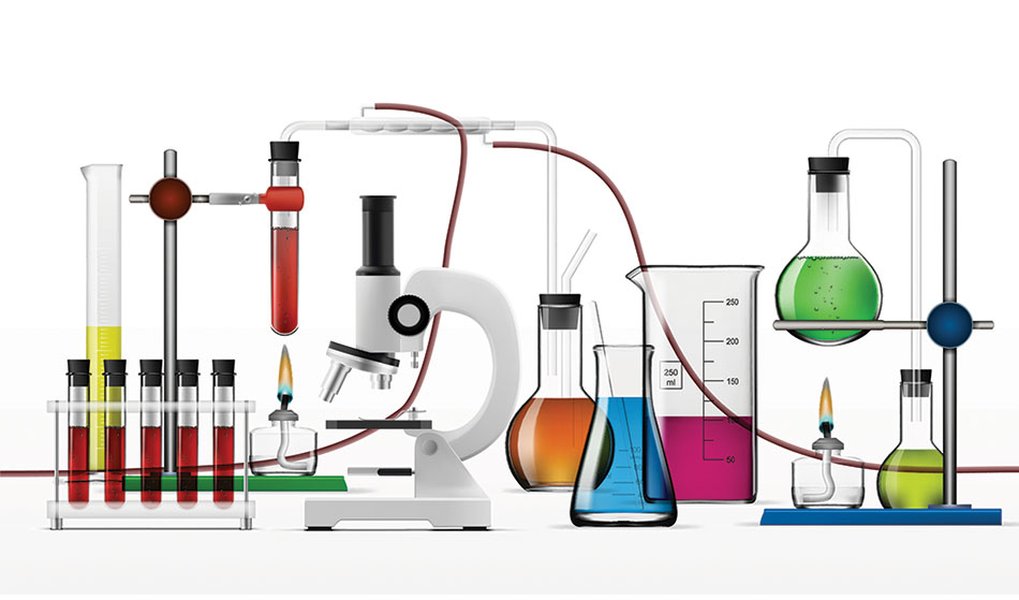 |
Holding small amounts of liquids for reactions or heating. |
| Graduated Cylinder | 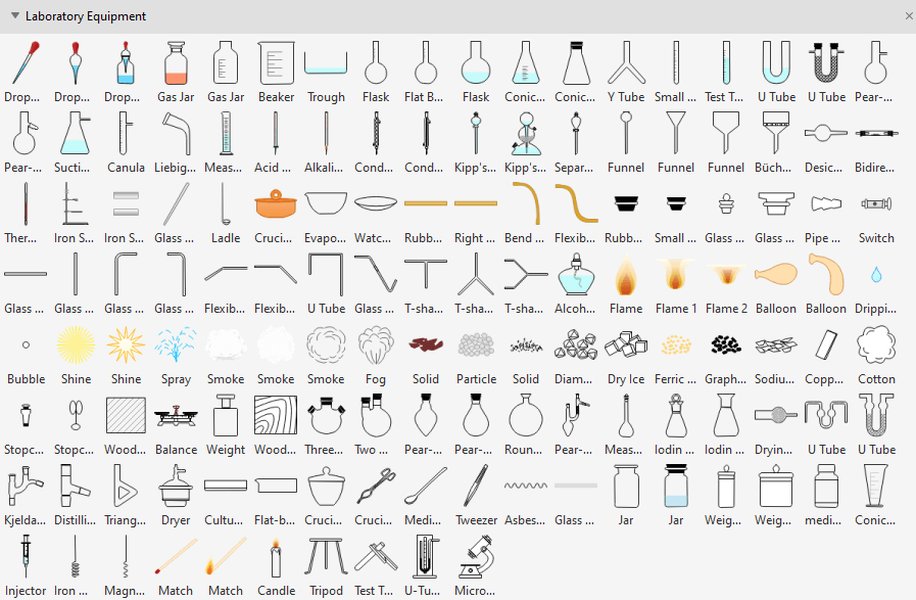 |
Accurate measurement of liquid volumes. |
| Burette | 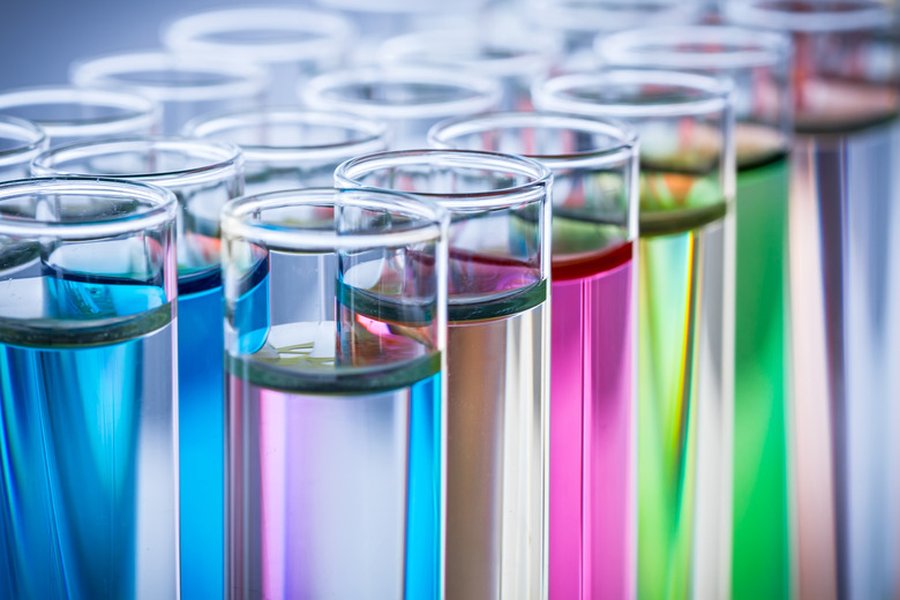 |
Precise dispensing of a liquid (titrant) in titrations. |
Visualizing Chemistry: A Key to Understanding
Videos can be incredibly helpful for grasping complex chemical concepts, providing visual demonstrations and clear explanations. One highly relevant video is "GENERAL CHEMISTRY explained in 19 Minutes." This video offers a concise yet comprehensive overview of essential general chemistry topics, making it an excellent resource for quick review or initial understanding.
This video rapidly covers foundational ideas such as atomic structure, chemical bonding, and basic reactions. Its quick pace and clear explanations make it particularly useful for students looking to reinforce their understanding or get a quick mental refresh of the core concepts before diving into more detailed study. It serves as a great starting point, demonstrating the interconnectedness of many topics discussed in general chemistry courses.
Frequently Asked Questions (FAQ)
What is the "central science" and why is it called that?
Is general chemistry required for pre-med students?
What is stoichiometry?
Can I learn general chemistry on my own?
Conclusion
General chemistry serves as an indispensable gateway to the vast and intricate world of scientific inquiry. By systematically exploring the nature of matter, its interactions, and transformations, it equips students with a robust intellectual toolkit—not just for specialized chemical studies, but for critical thinking and problem-solving across diverse scientific and professional domains. Its comprehensive curriculum, blending theoretical foundations with practical laboratory experience, ensures that learners develop a deep appreciation for the chemical principles that underpin our universe, making it a truly foundational and transformative subject.
Recommended Further Exploration
- What are the fundamental concepts covered in inorganic chemistry?
- Explore the basic principles and applications of organic chemistry.
- What are the core topics and mathematical underpinnings of physical chemistry?
- Discover common techniques and applications in analytical chemistry.
Referenced Search Results

Introduction to Chemistry takes ...