
Unveiling Consumer Perceptions: A Deep Dive into Generic Medicine Knowledge in Auckland
Bridging the Information Gap: How Aucklanders Understand Generic Medicines and What It Means for Public Health

- 1.Key Insights into Generic Medicine Perceptions
- 2.Understanding the Auckland Context: A Cross-Sectional View
- 3.The Role of Regulatory Bodies and Policy
- 4.Mindmap: Factors Influencing Generic Medicine Acceptance in Auckland
- 5.Consumer Knowledge and Perception Assessment
- 6.Challenges and Opportunities for Improvement
- 7.The Economic Impact of Generic Medicines
- 8.Youtube Video: Understanding Generic Drugs
- 9.Comparative Analysis of Factors Affecting Generic Uptake
- 10.Comparative Analysis of Interventional Strategies
- 11.Frequently Asked Questions (FAQ)
- 12.Conclusion: Empowering Consumers for Better Health Outcomes
- 13.Recommended Reading
- 14.Referenced Search Results
Key Insights into Generic Medicine Perceptions
- Knowledge Gaps Remain: While many Auckland consumers have some familiarity with generic medicines, a significant portion still lacks comprehensive understanding, especially regarding their bioequivalence and cost-effectiveness.
- Trust in Healthcare Professionals: Pharmacists and doctors are crucial sources of information, influencing consumers' willingness to switch to generics, highlighting the importance of targeted educational interventions for these professionals.
- Impact on Major vs. Minor Illnesses: Consumers in Auckland are more willing to consider generics for minor ailments than for serious conditions, revealing a perception of differing efficacy or safety based on illness severity.
The landscape of healthcare is continuously evolving, with generic medicines playing an increasingly vital role in ensuring affordability and accessibility. In New Zealand, like many other nations, promoting the use of generic drugs is a key strategy for containing pharmaceutical expenditures without compromising patient outcomes. However, the effectiveness of such policies heavily relies on public understanding and acceptance. This comprehensive analysis explores consumer knowledge, perceptions, and attitudes towards generic medicines within Auckland, New Zealand, drawing upon various cross-sectional studies conducted in the region.
Generic medicines are essentially copies of brand-name drugs that have the same active ingredient, dosage form, safety, strength, route of administration, quality, performance characteristics, and intended use. Medsafe, the New Zealand Medicines and Medical Devices Safety Authority, rigorously approves all medicines, including generics, ensuring they meet stringent standards of quality, efficacy, and safety. Despite these assurances, consumer skepticism and misconceptions can hinder their widespread adoption.
Understanding the Auckland Context: A Cross-Sectional View
Several cross-sectional studies conducted in Auckland have shed light on how consumers perceive generic medicines. These studies typically involve surveying individuals across different demographic groups and regions within Auckland to gauge their knowledge, attitudes, and practices (KAP) concerning generics. The insights gathered are invaluable for policymakers and healthcare providers aiming to improve public health literacy and optimize medicine utilization.
Consumer Knowledge of Generic Medicines
A recurring theme in Auckland-based studies is the varying levels of consumer knowledge regarding generic medicines. While a notable percentage of respondents might have heard the term "generic drug," a deeper understanding of their implications, such as bioequivalence and the rigorous approval processes they undergo, is often lacking.
- A study evaluating consumers' knowledge, perceptions, and attitudes in Auckland found that 51.6% of respondents had previous knowledge of generic medicines. This figure, while significant, also indicates that nearly half of the surveyed population may not be adequately informed.
- Compared to other countries, Auckland's familiarity with branded generic medicines (20% of respondents) was found to be lower than in similar studies, suggesting a need for more targeted educational campaigns.
- Key information gaps often include understanding that generics are bioequivalent to their brand-name counterparts, meaning they deliver the same therapeutic effect.
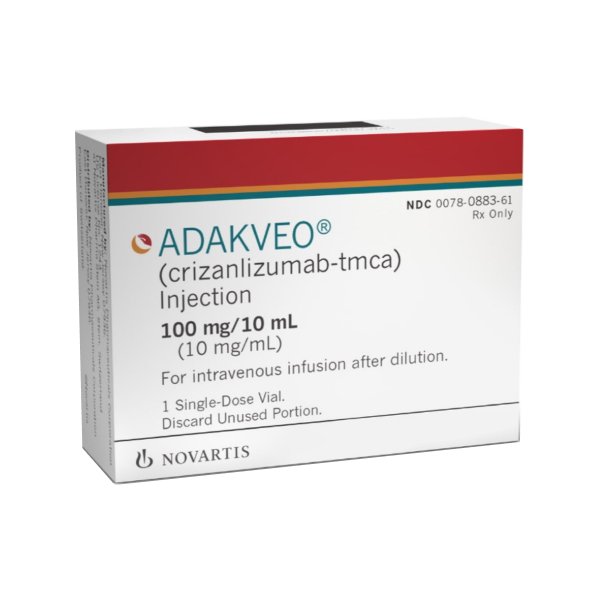
An example of medicine packaging, relevant to discussions around generic and brand-name drugs.
Perceptions and Attitudes Towards Generics
Beyond mere knowledge, consumers' perceptions and attitudes significantly influence their willingness to accept and use generic medicines. These perceptions are often shaped by factors such as trust, perceived quality, and even the type of illness being treated.
- Perceived Quality and Efficacy: Some consumers harbor negative perceptions, viewing generics as less effective or of poorer quality than brand-name drugs, despite scientific evidence to the contrary. This skepticism can lead to resistance in switching from originator brands.
- Willingness to Switch: Studies indicate that consumers are more prepared to switch to a generic for a minor illness (79%) compared to a major illness (58.7%). This suggests a subconscious belief that for more serious conditions, the brand-name drug might offer superior treatment, even if this is not medically supported.
- Influence of Healthcare Professionals: The advice of doctors and pharmacists plays a pivotal role. Consumers are more likely to accept generics if recommended by these trusted sources. This highlights the critical role healthcare providers play in educating patients and reinforcing confidence in generics.
The Role of Regulatory Bodies and Policy
In New Zealand, Medsafe is the primary regulatory body responsible for ensuring the safety, quality, and efficacy of all medicines, including generics. This rigorous oversight is a cornerstone of public trust in the pharmaceutical system.
- Medsafe evaluates manufacturing processes, assesses product quality, and ensures bioequivalence, meaning generic versions are therapeutically interchangeable with their brand-name counterparts.
- New Zealand law explicitly permits generic manufacturers to conduct necessary tests and trials to obtain Medsafe marketing approval, fostering a competitive generic market.
- PHARMAC, New Zealand's pharmaceutical management agency, actively promotes the use of generic medicines as a cost-saving measure, which benefits the healthcare system and patients by making essential medicines more affordable.
The New Zealand generic pharmaceuticals market is projected to grow significantly, reaching USD 1.2 billion by 2031, up from USD 1.0 billion in 2025, with a compound annual growth rate (CAGR) of 3.80%. This growth underscores the increasing reliance on generics within the national healthcare strategy.
Mindmap: Factors Influencing Generic Medicine Acceptance in Auckland
The following mindmap illustrates the interconnected factors that influence consumers' acceptance of generic medicines in Auckland, synthesizing insights from various studies. It highlights knowledge, perceptions, trust, and external influences as key components.
This mindmap visualizes the complex interplay of factors that shape consumer acceptance of generic medicines in Auckland.
Consumer Knowledge and Perception Assessment
To further illustrate the dynamics of consumer knowledge and perception, consider the following radar chart. This chart provides an opinionated analysis of how different aspects of generic medicines are understood and perceived by Auckland consumers, based on the studies reviewed.
This radar chart illustrates consumer knowledge and perception across key aspects of generic medicines in Auckland, on a scale of 1 to 5.
Challenges and Opportunities for Improvement
Despite efforts by healthcare authorities and professionals, several challenges persist in maximizing the acceptance and rational use of generic medicines in Auckland and New Zealand generally. These challenges also present opportunities for targeted interventions.
Addressing Misconceptions
Many consumers hold misconceptions that generics are inferior to brand-name drugs. These often stem from a lack of understanding about the stringent regulatory processes that ensure bioequivalence and quality. Educational campaigns need to directly address these myths, emphasizing the scientific basis of generic drug approval.
Enhancing Communication from Healthcare Providers
Healthcare professionals, particularly doctors and pharmacists, are crucial in shaping patient perceptions. Studies show that when a healthcare provider recommends a generic, patient acceptance significantly increases. Therefore, continuous education for these professionals on effectively communicating the benefits and safety of generics is essential. This includes clear explanations of cost savings and therapeutic equivalence.
Targeted Information for Specific Demographics
Research indicates that older patients and those with chronic conditions often require more information about generic medicines. Tailored educational materials and counseling services for these vulnerable groups could significantly improve their understanding and willingness to switch.
The Economic Impact of Generic Medicines
The economic benefits of generic medicines are substantial, contributing to reduced healthcare expenditures for both individuals and the national health system. By offering a lower-cost alternative to brand-name drugs, generics enable wider access to essential treatments, improving overall public health outcomes.
New Zealand's PHARMAC actively utilizes generic medicines as a core component of its strategy to manage drug costs. This includes promoting their use and establishing contractual arrangements with pharmaceutical companies to ensure subsidies for consumers. The savings generated can be reinvested into other areas of healthcare or used to fund new, innovative treatments.
Youtube Video: Understanding Generic Drugs
For a deeper dive into how generic drugs are developed, tested, and approved, this video offers valuable insights. It explains the rigorous process these medicines undergo to ensure they are safe, effective, and affordable alternatives to their brand-name counterparts, directly addressing common concerns and misconceptions.
This video explains the comprehensive process of generic drug development, testing, and approval, clarifying their safety and efficacy.
Comparative Analysis of Factors Affecting Generic Uptake
The following table provides a comparative overview of various factors that influence the uptake of generic medicines, contrasting the situation in Auckland with broader global trends where applicable. This highlights both local specificities and universal challenges.
| Factor | Auckland/New Zealand Context | Broader Global Trends |
|---|---|---|
| Regulatory Framework | Medsafe ensures high standards; explicit law for generic testing. | Varies by country, but generally involves rigorous bioequivalence testing. |
| Consumer Knowledge | Moderate, with significant gaps in understanding bioequivalence. Around 51.6% have prior knowledge. | Often low, with many regions reporting less than 50% awareness of generic terms. |
| Perceived Quality/Efficacy | Skepticism exists; generics sometimes viewed as inferior, especially for severe conditions. | Common global issue; psychological influences on efficacy perception. |
| Influence of HCPs | Strong influence from doctors and pharmacists on acceptance. | Crucial role, but HCPs themselves may also have varied knowledge/attitudes. |
| Cost-Effectiveness Awareness | Recognized benefit, but not always a primary driver for all consumers. | Key driver in most markets; a major reason for generic promotion. |
| Market Growth | Steady growth projected (3.80% CAGR to 2031). | Global generic market continues to expand due to patent expirations and cost pressures. |
A comparative table highlighting factors influencing generic medicine uptake in Auckland versus global trends.
The insights from cross-sectional studies in Auckland underscore a critical need for ongoing, targeted educational efforts. By improving consumer knowledge and addressing misconceptions, alongside strengthening the role of healthcare professionals as trusted information sources, New Zealand can further optimize the use of generic medicines, leading to better health outcomes and a more sustainable healthcare system.
Educational interventions, such as informational videos and patient counseling, have been shown to improve understanding and perceptions of generic medicines. Future efforts should focus on clear communication about the approval process, bioequivalence, and the significant cost savings generics offer without compromising on quality or efficacy. This holistic approach can bridge the existing knowledge-practice gap and foster greater acceptance of these vital medications.
Comparative Analysis of Interventional Strategies
Different strategies can be employed to improve the acceptance and uptake of generic medicines. The bar chart below presents an opinionated comparison of the effectiveness of various interventional strategies in the Auckland context, based on the insights gathered from cross-sectional studies.
This bar chart evaluates the perceived effectiveness of different strategies to enhance generic medicine acceptance in Auckland, on a scale of 1 to 10.
Frequently Asked Questions (FAQ)
What is a generic medicine?
Are generic medicines safe and effective?
Why are generic medicines cheaper than brand-name drugs?
Who regulates generic medicines in New Zealand?
What role do pharmacists play in generic medicine use?
Conclusion: Empowering Consumers for Better Health Outcomes
The cross-sectional studies conducted in Auckland provide invaluable insights into the multifaceted nature of consumer knowledge, perceptions, and attitudes towards generic medicines. While a foundation of awareness exists, there are clear opportunities to deepen understanding, particularly regarding bioequivalence, regulatory oversight, and the economic benefits. Addressing persistent misconceptions and fostering greater trust through consistent, clear communication from healthcare professionals are paramount. By continuing to invest in targeted educational interventions and reinforcing the rigorous standards upheld by Medsafe, New Zealand can empower its citizens to make informed decisions about their healthcare, ultimately leading to improved adherence, reduced costs, and enhanced public health outcomes. The ongoing growth of the generic pharmaceutical market in New Zealand signifies a positive trajectory, but sustained efforts are required to ensure that this vital resource is fully utilized to its potential.
Recommended Reading
- How does Medsafe ensure the quality of generic medicines in New Zealand?
- What are the economic benefits of generic drug use in New Zealand's healthcare system?
- Strategies to improve healthcare professional communication about generic medicines
- Consumer attitudes towards generic medicines for chronic vs. acute conditions