
Comprehensive Justifications for Genetic Diversity and Drought Tolerance in Soybean Lines
Enhancing Soybean Resilience through Phenotypic and Molecular Insights
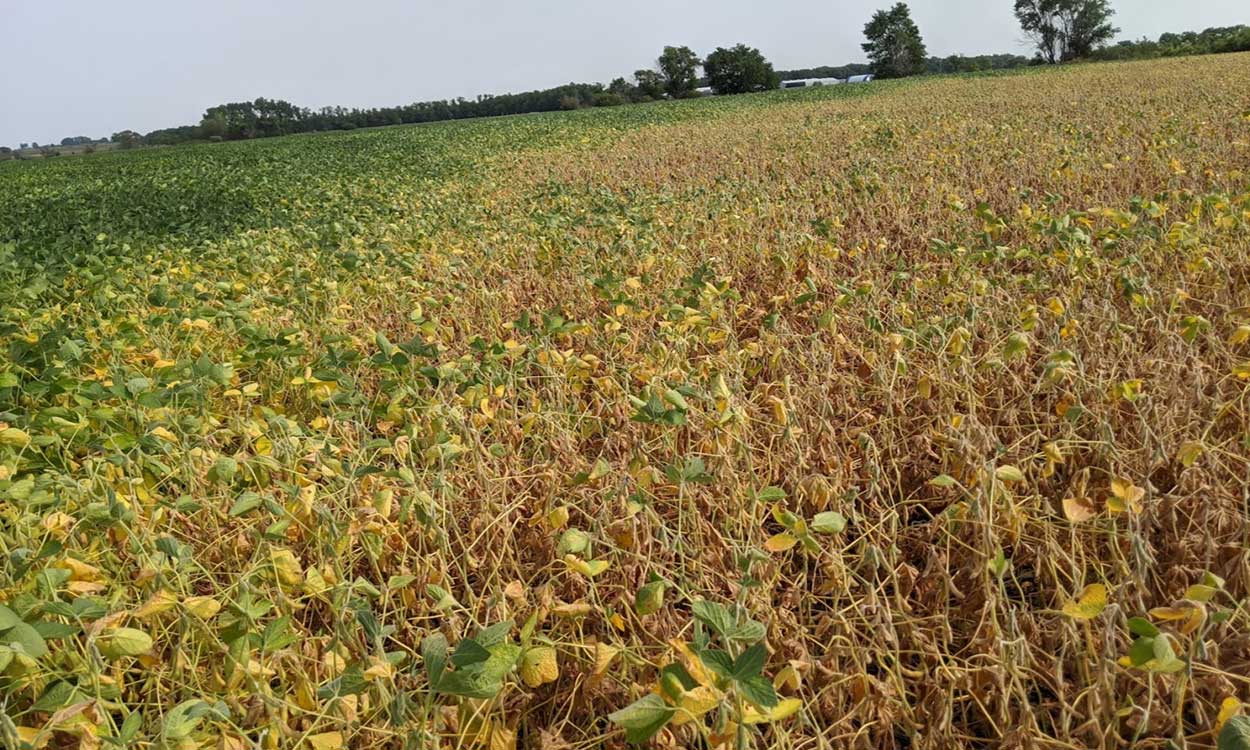
Key Takeaways
- Genetic diversity is pivotal for developing drought-tolerant soybean varieties.
- Integrating phenotypic traits with molecular markers enhances breeding efficiency.
- Advanced genomic tools and strategies are essential for future soybean resilience.
Introduction
Soybean (Glycine max) is a vital crop globally, serving as a key source of protein and oil. However, its productivity is increasingly threatened by drought stress, a challenge exacerbated by climate change. Developing drought-tolerant soybean lines is essential to ensure food security and sustainable agricultural practices. This comprehensive justification explores the significance of genetic diversity and drought tolerance in soybean lines, emphasizing the roles of phenotypic traits and molecular markers in breeding programs.
Genetic Diversity in Soybeans
Importance of Genetic Diversity
Genetic diversity refers to the variation in genetic makeup among individuals within a species. In soybeans, high genetic diversity is crucial for several reasons:
- Adaptation to Environmental Stress: Diverse genetic backgrounds enable soybeans to adapt to varying environmental conditions, including drought, pests, and diseases.
- Breeding Flexibility: A broad genetic base provides a wider pool of traits that breeders can select from to develop improved varieties.
- Long-term Sustainability: Genetic diversity ensures the long-term viability of soybean populations by mitigating the risks associated with uniformity, such as vulnerability to specific stresses.
Benefits of Genetic Diversity
Maintaining and enhancing genetic diversity in soybean lines offers multiple advantages:
- Improved Drought Tolerance: Diverse genetic traits contribute to various mechanisms of drought resistance, such as efficient water usage and robust root systems.
- Enhanced Yield Stability: Genetic variability helps in maintaining yield levels under stress conditions by providing multiple traits that can buffer against adverse effects.
- Facilitation of Genomic Studies: A genetically diverse population is essential for identifying quantitative trait loci (QTLs) and candidate genes associated with desirable traits.
Drought Tolerance in Soybean Lines
Phenotypic Traits
Vegetative Stage Indicators
During the vegetative stage, certain phenotypic traits are indicative of a soybean plant's ability to withstand drought:
- Root System Architecture: A more extensive and deeper root system allows plants to access water from deeper soil layers, enhancing drought resistance.
- Leaf Area Index (LAI): Optimized leaf area contributes to efficient photosynthesis and water use.
- Canopy Temperature: Lower canopy temperatures under drought stress indicate better water status and transpiration efficiency.
- Water Use Efficiency (WUE): Measures the biomass produced per unit of water consumed, reflecting the plant's ability to utilize water effectively.
Reproductive Stage Indicators
In the reproductive stage, phenotypic traits that contribute to maintaining yield under drought include:
- Pod Number (PN) and Seed Yield (SY): Higher numbers of pods and seeds under drought conditions signify better resilience and productivity.
- Nitrogen-Fixation Ability: Efficient nitrogen fixation under stress conditions supports sustained growth and yield.
- Seed Traits: Traits such as seed size and weight can influence overall yield stability during drought.
Molecular Markers
Techniques and Strategies
Molecular markers are tools that help identify specific regions of the genome associated with drought tolerance. Key techniques include:
- Single Nucleotide Polymorphisms (SNPs): SNP analysis provides high-resolution data for mapping traits related to drought resistance.
- Simple Sequence Repeats (SSRs): SSR markers are useful for assessing genetic diversity and identifying loci linked to drought tolerance.
- Genome-Wide Association Studies (GWAS): GWAS helps in identifying associations between genetic markers and drought-related traits across the entire genome.
- Quantitative Trait Loci (QTL) Mapping: QTL mapping identifies regions of the genome that correlate with quantitative traits like drought tolerance.
Genetic Mechanisms
Understanding the genetic mechanisms behind drought tolerance involves identifying key genes and pathways:
-
ABA Signaling Pathways: Abscisic acid (ABA) plays a crucial role in plant responses to drought, regulating stomatal closure and stress-responsive gene expression.
-
Stomatal Movement Genes: Genes controlling the opening and closing of stomata are essential for regulating water loss and maintaining cellular water balance.
-
Root Development Genes: Genes that influence root growth and architecture are vital for enhancing water uptake during drought conditions.
-
Photosynthesis-Related Genes: Maintaining photosynthetic efficiency under stress is key for sustaining growth and yield.
Integration of Phenotypic Traits and Molecular Markers
Complementary Validation
Combining phenotypic data with molecular markers allows for the validation of candidate genes and QTLs. This dual approach ensures that selected lines exhibit both the desired genetic markers and the corresponding phenotypic traits, reducing false positives and enhancing the reliability of the selection process.
Accelerated Breeding Programs
Integrating phenotypic evaluations with marker-assisted selection (MAS) accelerates the breeding process by enabling breeders to pre-select promising lines based on genetic markers before conducting extensive field evaluations. This synergy reduces the time and resources required to develop drought-tolerant cultivars.
Fine-Tuning Complex Traits
Drought tolerance is a polygenic trait influenced by multiple genes and environmental factors. By correlating marker-trait associations with field performance, breeders can dissect the complexity of drought tolerance, allowing for the combination of multiple beneficial traits to achieve comprehensive resilience and high productivity.
Technological Advancements and Future Directions
Advances in genomic technologies are revolutionizing the way breeders approach the development of drought-tolerant soybean lines. Emerging tools and strategies include:
Whole-Genome Sequencing
Whole-genome sequencing provides comprehensive insights into the genetic makeup of soybean lines, facilitating the identification of novel genes and alleles associated with drought tolerance.
High-Throughput Phenotyping
High-throughput phenotyping technologies enable the rapid and accurate measurement of phenotypic traits across large populations, enhancing the efficiency of breeding programs.
CRISPR/Cas9 Gene Editing
CRISPR/Cas9 allows for precise editing of specific genes involved in drought tolerance, enabling the development of targeted improvements in soybean lines.
Advanced Genomic Selection Techniques
Genomic selection leverages large datasets of genetic markers to predict the performance of breeding lines, facilitating the selection of superior genotypes with enhanced drought resilience.
Comparative Overview of Phenotypic Traits and Molecular Markers
| Aspect | Phenotypic Traits | Molecular Markers |
|---|---|---|
| Definition | Observable characteristics directly linked to drought tolerance. | Genetic indicators associated with drought tolerance traits. |
| Examples | Root architecture, canopy temperature, seed yield. | SNPs, SSRs, QTLs, GWAS markers. |
| Advantages | Direct measurement of plant performance under stress. | High precision in identifying genetic basis of traits. |
| Limitations | Influenced by environmental factors, labor-intensive. | Requires advanced technology and expertise. |
| Integration Benefits | Enhances reliability of selecting drought-tolerant lines. | Accelerates breeding cycles and improves selection accuracy. |
Conclusion
Genetic diversity and drought tolerance are intrinsically linked in soybean breeding programs aiming to enhance resilience against environmental stresses. By leveraging phenotypic traits alongside molecular markers, breeders can develop soybean lines that not only withstand drought conditions but also maintain high productivity and yield stability. The integration of these approaches, supported by advanced genomic technologies, paves the way for sustainable agriculture and ensures food security in the face of increasing climatic challenges. Continued research and investment in genetic diversity and molecular breeding strategies are essential for the future of soybean cultivation.
References
Last updated February 13, 2025