
Whole Genome Duplication in Cancer: An In-Depth Review
Exploring mechanisms, implications, and therapeutic perspectives
Key Insights
- Mechanistic Diversity: Several biological processes like cytokinesis failure, endoreduplication, and cell fusion drive whole genome duplication.
- Impact on Tumor Behavior: WGD contributes critically to chromosomal instability, tumor heterogeneity, and adaptation that ultimately drives cancer progression.
- Clinical Relevance and Future Directions: Recognition of WGD’s role offers potential therapeutic targets and prognostic markers in cancer management.
Introduction
Whole genome duplication (WGD) is a significant genomic event with profound implications in the development and progression of cancer. It involves the complete duplication of a cell’s entire set of chromosomes, resulting in polyploidy. This phenomenon has been observed in an estimated 30-40% of human tumors and is considered a critical early event in tumorigenesis. Despite its potential to enhance cell viability through genetic redundancy, WGD also leads to complex genetic consequences such as chromosomal instability (CIN), aneuploidy, and altered genomic landscapes—all of which contribute to cancer's aggressive behavior and treatment resistance.
Mechanisms Underlying Whole Genome Duplication
Biological Pathways Triggering WGD
WGD results from errors or variations in the cell cycle and can occur through several distinct mechanisms. These include:
Cytokinesis Failure
During normal cell division, cytokinesis ensures that one cell divides into two daughter cells. However, if cytokinesis fails, the cell does not split and results in a tetraploid cell. This mechanism directly leads to the duplication of the entire genome and is one of the most common ways that cancer cells acquire a duplicated genome.
Endoreduplication
In this process, a cell undergoes DNA replication without subsequent mitosis. Endoreduplication allows a cell's genome to be duplicated repeatedly, leading to cells with multiple copies of the genome. This mechanism is particularly seen in tissues undergoing specific developmental processes but can be co-opted in cancer.
Mitotic Slippage and Endomitosis
Cells may become arrested during mitosis due to activation of the spindle assembly checkpoint. If the arrest persists, the cell can eventually slip out of mitosis without proper chromosome segregation, resulting in a tetraploid cell that has undergone WGD.
Cell Fusion
Although less common, cell fusion results in the merging of two distinct cells into one, thereby combining their genomes. This mechanism not only increases genetic content but also contributes to the genetic heterogeneity observed within tumors.
Table: Mechanisms of WGD in Cancer
| Mechanism | Description | Consequence |
|---|---|---|
| Cytokinesis Failure | Incomplete division during cytokinesis. | Tetraploidy and increased genomic content. |
| Endoreduplication | DNA replication without mitosis. | Progressive accumulation of genome copies. |
| Mitotic Slippage | Abortive mitosis due to prolonged checkpoint activation. | Emergence of aberrant tetraploid cells. |
| Cell Fusion | Fusion of two cells. | Combined genomic content leading to heterogeneity. |
Genomic and Biological Consequences of WGD
Chromosomal Instability and Aneuploidy
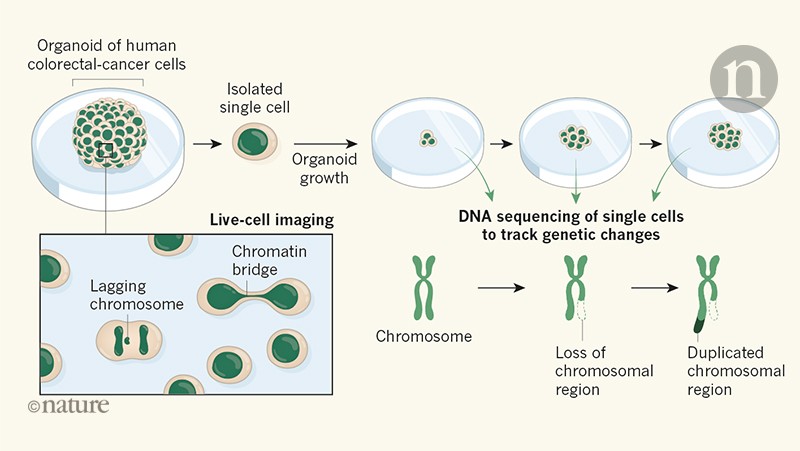
One of the most critical outcomes of WGD is the induction of chromosomal instability (CIN). The duplication of the entire genome not only adds redundant genetic material but also predisposes the cell to errors during subsequent cell divisions. These errors can result in aneuploidy, a condition characterized by an abnormal number of chromosomes, which is a hallmark of cancer. Aneuploidy contributes to genetic diversification within tumors, creating a heterogeneous population of cancer cells that may adapt during the course of treatment.
Adaptive Advantages and Genetic Redundancy
From a cellular perspective, the duplication of the genome offers a buffering effect against deleterious mutations. Redundant copies of essential genes can maintain cellular functions even if one copy is mutated. This redundancy, while initially protective, also sets the stage for complex genomic rearrangements that can lead to oncogenic mutations. As a result, WGD can be seen as a double-edged sword, providing both the groundwork for genetic adaptation and the risk of promoting tumor progression.
Tumor Heterogeneity and Evolution
Tumor heterogeneity refers to the presence of diverse genetic subpopulations within a single tumor. WGD contributes to this diversity by creating a genomic landscape rich in potential mutations and chromosomal rearrangements. As cancer cells acquire additional genetic modifications over time, those with advantageous mutations may dominate under selective pressures such as therapeutic interventions. This evolutionary process makes cancers that have undergone WGD particularly challenging to treat because they can rapidly adapt to environmental changes, including drug resistance.
WGD in Cancer Progression and Clinical Implications
Early Event in Tumorigenesis
WGD is often an early event in the evolution of a tumor. Its occurrence before extensive accumulation of other mutations sets the stage for the subsequent development of more aggressive and metastatic cancers. Early WGD can propel tumorigenesis by establishing a permissive environment for further chromosomal rearrangements and genetic modifications. This early occurrence is particularly significant as it has been linked with poorer prognosis in multiple cancer types.
Impact on Treatment Resistance
One of the most concerning implications of WGD in cancer is its association with drug resistance. The genetic plasticity conferred by an extra copy of the genome allows cancer cells to tolerate and adapt to chemotherapeutic agents and targeted therapies. The presence of redundant genetic material enables these cells to survive otherwise lethal doses of drugs, which complicates treatment strategies and often results in relapse. As research continues, understanding the nuances of WGD may offer new avenues for overcoming treatment resistance in WGD-driven tumors.
Chromatin Reorganization and Epigenetic Changes
WGD not only influences genetic content but also alters the three-dimensional organization of chromatin within the nucleus. Changes in chromatin organization can lead to epigenetic modifications and altered transcriptional profiles that further drive tumorigenesis. These epigenetic changes may impact gene expression patterns critical for cell cycle regulation, apoptosis, and other cellular processes relevant to cancer development. Understanding these changes is essential for the development of targeted epigenetic therapies.
WGD and Specific Cancer Types
Breast Cancer
Studies have consistently shown that WGD is prevalent in aggressive subtypes of breast cancer, including triple-negative and HER2-positive breast cancers. WGD in these contexts is associated with high levels of chromosomal instability and complex genetic alterations that fuel tumor progression. The identification of WGD in breast cancer patients often correlates with poorer survival outcomes, highlighting its value as a prognostic indicator and a potential therapeutic target.
Ovarian Cancer
High-grade serous ovarian cancers are also known to exhibit WGD frequently. In these cancers, the duplicated genome contributes to chromosomal complexity and resistance to standard therapies. The genomic redundancy introduced by WGD not only aids tumor survival under chemotherapeutic stress but also fosters an environment conducive to further oncogenic mutations.
Other Cancer Types
Beyond breast and ovarian cancers, WGD has been identified in various other tumor types including lung, colorectal, and even some hematologic malignancies. Although the prevalence may vary, the common theme of WGD driving chromosomal instability and facilitating tumor evolution is consistent across these diverse forms of cancer.
Future Directions and Therapeutic Perspectives
Targeting WGD-Driven Pathways
Given the significant role of WGD in fostering tumor heterogeneity and drug resistance, researchers are now investigating therapeutic interventions that specifically target WGD-driven pathways. Potential strategies include:
Cell Cycle Checkpoint Inhibitors
Cancer cells that have undergone WGD often rely on specific cell cycle checkpoints to stabilize the extra genomic material. Disrupting these checkpoints can force the cells into fatal error-prone divisions, ultimately leading to apoptosis. Inhibiting regulators of the cell cycle such as Cyclin E and components of the p53 and HIPPO pathways may expose vulnerabilities created by WGD.
Epigenetic Modifiers
The reorganization of chromatin and epigenetic modifications that accompany WGD provide another therapeutic target. Epigenetic drugs, including histone deacetylase inhibitors and DNA methyltransferase inhibitors, are being explored for their ability to reverse aberrant transcriptional programs in WGD-positive tumors.
Exploiting Replication Stress
The replication stress encountered by tetraploid cells is another promising target. Drugs that further exacerbate replication stress or interfere with DNA repair mechanisms can selectively harm cancer cells that have undergone WGD while sparing normal cells that maintain regular genomic content.
Emerging Research Directions
Future research will undoubtedly continue to unravel the complexities of WGD in cancer. Ongoing studies are focusing on the precise timing of WGD during tumor evolution and the interplay between WGD and other genomic alterations. Furthermore, stratifying patients based on the presence or absence of WGD may enhance personalized treatment approaches and improve clinical outcomes.
Conclusion and Final Thoughts
Whole genome duplication represents a fundamental shift in the genetic architecture of cancer cells. Its occurrence early in tumorigenesis establishes a platform for increased chromosomal instability and subsequent genetic diversification. Although WGD provides cancer cells with adaptive advantages—offering redundancy and the flexibility to endure deleterious mutations—it equally introduces vulnerabilities that may be exploited therapeutically.
Clinically, the presence of WGD is often associated with more aggressive tumor types, an increased likelihood of treatment resistance, and overall poorer patient prognoses. In breast, ovarian, and other cancers, the insights derived from understanding WGD contribute not only to prognostic assessments but also to precision medicine strategies aimed at targeting the very foundations of tumor evolution.
As research continues to illuminate the mechanistic pathways, genomic consequences, and therapeutic opportunities associated with whole genome duplication, there is great promise for developing novel treatments that specifically target the vulnerabilities of WGD-positive cancers. In this dynamic field, interdisciplinary approaches integrating genomics, cell biology, and clinical studies will be crucial in translating these insights into improved patient care.
In summary, while WGD underscores the complex interplay between genetic stability and instability within tumors, it also opens avenues for innovative therapeutic interventions that may potentially improve outcomes for patients facing some of the most challenging forms of cancer. Continuous research and clinical trials will be essential in harnessing the full potential of targeting WGD-driven pathways in the fight against cancer.
References
-
PMC10979346 - NCBI
- s41586-023-05794-2 - Nature
- s41467-024-50137-y - Nature Communications
-
PMC9959281 - NCBI
- Whole Genome Duplication Review - Frontiers in Cell and Developmental Biology
Recommended Further Exploration
Last updated February 27, 2025