
Genuary 13, 2025: Triangles and Nothing Else
Explore the creative magic and geometric beauty of triangles
Key Highlights
- Innovative Geometric Composition: Embracing only triangles allows for striking minimalist designs that reveal depth and complexity.
- Dynamic Use of Code: Artists leverage creative coding platforms like p5.js to generate algorithmic art that captivates the viewer.
- Community and Experimentation: Participants embrace unexpected outcomes, turning constraints into opportunities for innovative expressions.
Overview of Genuary 13, 2025
Genuary, an annual event in January, challenges creative coders to create artwork based on daily prompts. For Day 13, the creative mandate was precise yet inspiring: "Triangles and nothing else." This restriction requires artists not only to explore the aesthetic potential of a single geometric shape but also to push the boundaries of design and programming. In 2025, numerous artists demonstrated that even within the confines of triangles, one can explore vibrant color palettes, dynamic patterns, and innovative compositions.
Artistic Interpretation and Technical Execution
This particular challenge focused on the versatility of triangles as the sole building block, urging artists to experiment with various triangle sizes, rotations, and alignments. By deliberately limiting the art to triangular elements, creators have found unique ways to manipulate the interplay of light, color, and form. This constraint has spurred a surge of ingenuity, where digital artists incorporate randomness or deterministic algorithms to construct designs that are surprisingly complex and visually stimulating.
Creative Coding Platforms
The use of creative coding platforms such as p5.js, Processing, and OpenProcessing has been central to many of the submissions for Day 13. These tools provide a fertile environment for both experimentation and precision. For instance, the p5.js framework allows coders to rapidly prototype ideas and tweak their outputs in real time, ensuring that every triangle contributes to the overall composition. By utilizing features like randomization, geometric transformations, and color function parameters, artists are able to craft compositions that are both algorithmically rich and artistically compelling.
Community Engagement and Collaboration
The importance of community is a key element of Genuary. Participants share their code, insights, and process on numerous platforms, including social media channels, coding forums, and dedicated art platforms. These online platforms foster a collaborative atmosphere where ideas flow freely and iterative improvements are common. The discussions and shared challenges among community members not only help refine technical skills but also inspire new artistic directions.
A Visually Appealing Example: The Triangle Tapestry
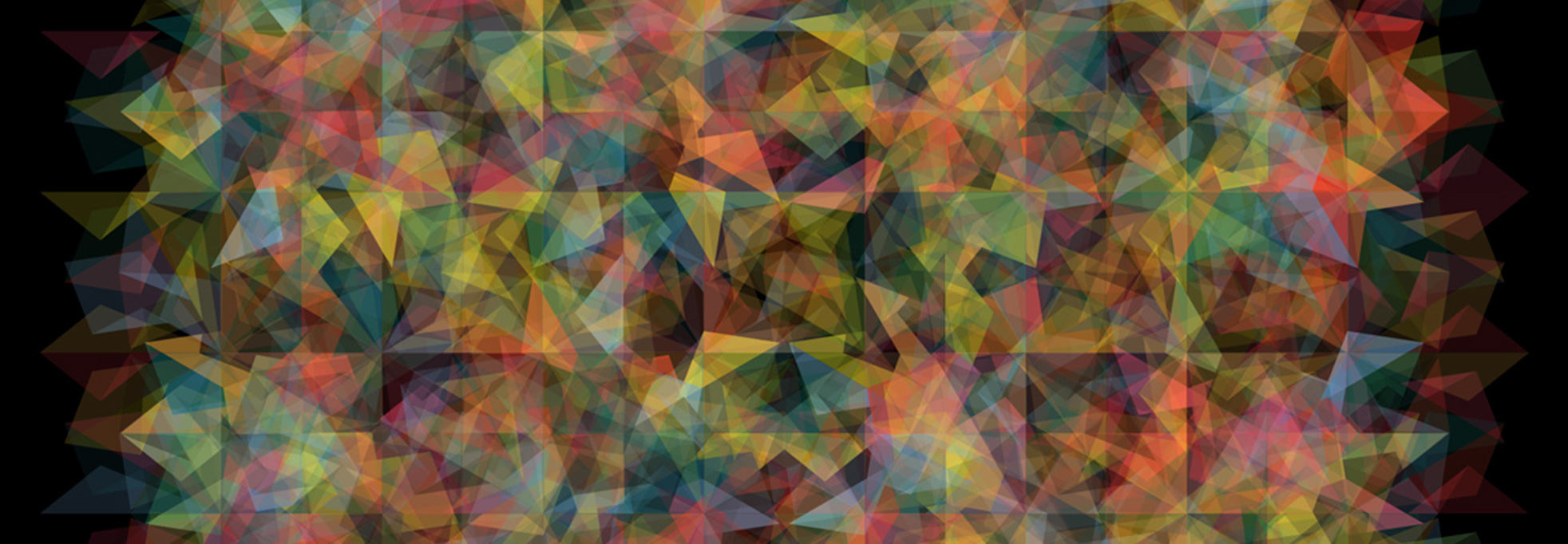
Imagine a digital canvas where the entire composition is built solely using an array of triangles. This example, which we’ll call "The Triangle Tapestry," showcases what can be achieved when one is limited to triangular forms. The design revolves around a dynamic interplay of texture, shading, and varying triangle shapes—each playing a part in creating a unified and mesmerizing visual narrative.
Concept and Design
In "The Triangle Tapestry," the artist starts by defining a grid on the canvas, where the grid serves as a base for the positional arrangement of triangles. However, the artist intentionally distorts the grid rather than sticking to a rigid layout, introducing a level of chaotic beauty. The triangles vary in size; some are small and serve as subtle accents, while others are large and act as focal points of the artwork. The deliberate choice to include both congruent and non-congruent triangles creates a sense of rhythm and movement.
Vibrant Color Palettes
One of the defining features of this piece is its vibrant color palette. Each triangle is assigned a color based on a predetermined algorithm that either employs gradients or a randomized selection within a specified range. The use of contrast enhances the depth of the overall piece—bright colors juxtapose against more muted tones, creating an interplay that catches the eye. The artist might use color theory principles to balance warm and cool shades, ensuring that both the explosion and the subtle transition of hues drive the viewer’s attention across the canvas naturally.
Layering and Transparency
An additional technique employed in "The Triangle Tapestry" is the use of transparent layers. By overlapping triangles with varying degrees of opacity, the artwork attains a layered quality reminiscent of traditional collage or stained glass. This overlapping not only adds depth but also allows for interplay between the backgrounds and the foreground. The overlapping method leverages the concept of transparency, where the underlying triangles subtly influence the overall tonal quality of the work.
Technical Execution Using p5.js
Consider an artist implementing "The Triangle Tapestry" using the p5.js framework. The program begins by creating a canvas, defining different parameters such as size, triangle dimensions, and the color scheme. Then, through a loop, it creates a series of triangles at randomized or algorithmically determined positions. Below is a simplified example of how the code might be structured:
    // Initialize canvas dimensions
    function setup() {
      createCanvas(800, 800);
      background(255);
      noLoop();
    }

    // Draw triangles with varying properties
    function draw() {
      for (let i = 0; i < 200; i++) {
        // Define random positions and color
        let x = random(width);
        let y = random(height);
        let size = random(20, 100);
        let col = color(random(50, 255), random(50, 255), random(50, 255), random(100, 200));

        // Draw a triangle
        fill(col);
        noStroke();
        triangle(x, y, x + size, y, x + size / 2, y - size);
      }
    }
The above is a conceptual representation that captures the essence of the creative process. Adjustments such as rotation, overlapping, or using custom algorithms for color selection can be made to enhance the final effect. The focus remains purely on triangles, leaving the viewer to marvel at how a single shape can morph into a complex and captivating composition.
Deep Dive into Visual and Conceptual Impact
"The Triangle Tapestry" not only serves as an excellent example of how limited elements can yield unlimited creative possibilities; it also demonstrates a subtle balance between order and chaos. The grid structure initially provides a sense of order, but the intentional disruptions and overlapping create an engaging tension that invites prolonged observation. This balance often evokes reflections on how structure and randomness coexist in both art and nature.
Artistic Influence and Perspective
The use of triangles throughout art history has often been associated with stability, dynamism, and conflict. In modern digital art, triangles have transcended these symbolic meanings to become a universal language of design expression. With "Triangles and nothing else," the artwork channels both classical geometric principles and contemporary aesthetics. This synthesis allows viewers to see familiar forms reimagined through the lens of modern technology.
The Role of Constraints in Artistic Innovation
Constraints are a powerful force in creativity. The Day 13 prompt inherently forces the artist to rethink their approaches, leveraging limitations to foster innovation. Instead of overwhelming the artist with an infinite set of choices, limiting the work to triangles encourages deliberate decisions and fosters a deeper structural understanding of design. Each triangle placed on the canvas is a result of calculated choices—be it in color, size, or orientation—resulting in a work of art that is both minimalist and multifaceted.
Embracing Uncertainty and Exploration
Interestingly, many artists have reported that when they began their creative process for Day 13, the outcome turned out quite different from their initial expectations. This element of surprise and exploration is at the heart of creative coding challenges. As artists experiment with different configurations and algorithms, the process itself becomes an adventure in discovery. The unpredicted outcomes enrich not only the artistic expression but also the learning journey, as creators analyze the interplay of chance and control within their artworks.
Visualization through Comparative Analysis
To further elaborate on the artistic methods and technical approaches used in creating visually striking triangular art, consider the table below which encapsulates various aspects of the process:
| Aspect | Description | Creative Impact |
|---|---|---|
| Geometric Composition | Structured yet dynamically distorted grids offering varied triangle sizes and angles. | Creates a visual rhythm that balances order with spontaneity. |
| Color Selection | Utilization of vibrant hues with strategic contrasts following color theory principles. | Enhances viewer engagement through striking visual contrasts and fluid gradients. |
| Layering Techniques | Employing overlapping transparent triangles to add depth. | Generates a multi-dimensional effect that captures the interplay of light and shadow. |
| Algorithmic Approach | Use of creative coding tools to create randomized yet deliberate triangle placements. | Offers a balance between predictability and randomness, enriching the composition. |
Community Feedback and Broader Impact
Participation in challenges like Genuary fosters community interaction and cross-pollination of ideas. Many digital artists have shared their techniques and creative journeys on platforms dedicated to generative art. The open sharing of code, design rationale, and artistic explorations encourages a culture of learning and mutual inspiration. This collective experimental ethos is notable when observing how minor variations in technique can lead to entirely new visual paradigms.
What makes the Day 13 prompt stand out is its ability to reduce the overwhelming possibilities of digital art to a singular, focused challenge. In doing so, it strips away the extraneous, allowing the essentials of form, line, and color to emerge with clarity. This limitation pushes artists to innovate within narrow confines, which paradoxically leads to an explosion of creative expression.
Implementing Your Own Triangle Art
If you are inspired by "The Triangle Tapestry" and wish to experiment on your own, you can start by selecting your preferred creative coding platform. Whether you are comfortable with p5.js, Processing, or another environment, the key is to set clear parameters: restrict your canvas to triangles, define a color palette, and establish a basic grid or randomized structure to begin with. Once the foundation is set, make iterative adjustments. Experiment with transparency, geometric distortions, and layering effects. Remember, the charm of limited elements is that small changes can lead to vastly different outcomes.
Step-by-Step Guide to Create Triangle Art
Here is a brief step-by-step outline to help you get started on your own triangle-based artwork:
1. Conceptualization
Begin by sketching a rough concept on paper or digitally. Plan how the triangles will interact in the composition. Consider whether you want to create a balanced grid structure or a more fluid, organic layout.
2. Choose Your Coding Platform
Select a creative coding platform such as p5.js which offers both ease of use and powerful graphical capabilities. Familiarize yourself with the basic functions for drawing shapes and handling colors.
3. Set Up the Canvas
Initialize your canvas and establish the parameters: size of the canvas, background color, and the initial framework for placing triangles. A grid layout can serve as a strong starting point.
4. Define Triangle Properties
Decide on the properties of your triangles—size, orientation, color, and level of transparency. Use random functions or predetermined sequences to generate variety.
5. Implement the Drawing Logic
Use loops in your code to populate the canvas with triangles. Iteratively refine the placement and layering to achieve the desired effect.
6. Experiment and Iterate
Allow the work to evolve by iterating on your code. Experiment with unexpected configurations, and embrace the beauty of unpredictability that often arises in generative art.
Conclusion
Genuary 13, 2025, with its elemental focus on triangles, illustrates the profound creativity that can emerge from artistic constraints. "The Triangle Tapestry" embodies the spirit of the prompt by transforming simple geometric shapes into a visually appealing and conceptually rich artwork. Through creative coding techniques, vibrant color palettes, and innovative layering, the artwork not only captures the eye but also invites viewers to appreciate the underlying order that arises from seemingly minimal elements. The process of building such art reinforces the idea that limitations can fuel creativity, turning a simple shape into a medium for expression, exploration, and experimentation.
Embracing the challenge of using triangles exclusively pushes digital artists to refine their techniques and rethink composition, color, and spatial dynamics. Whether you are an experienced coder or an enthusiastic beginner, Genuary’s creative challenge offers an invaluable opportunity to explore new artistic possibilities and to learn how constraints can drive innovation in both art and technology.
References
- Jennybkowalski's p5.js Sketch - p5.js Editor
- Community Contributions on Reddit - Reddit
- Kristin Henry’s Creative Exploration - Vis.social
-
Discussion on NodeBB - NodeBB
Recommended
Last updated February 26, 2025