
Geopolymers as a Heat-Resistant Alternative
Innovative Alkali-Activated Materials Enhancing Fire Resistance in Construction
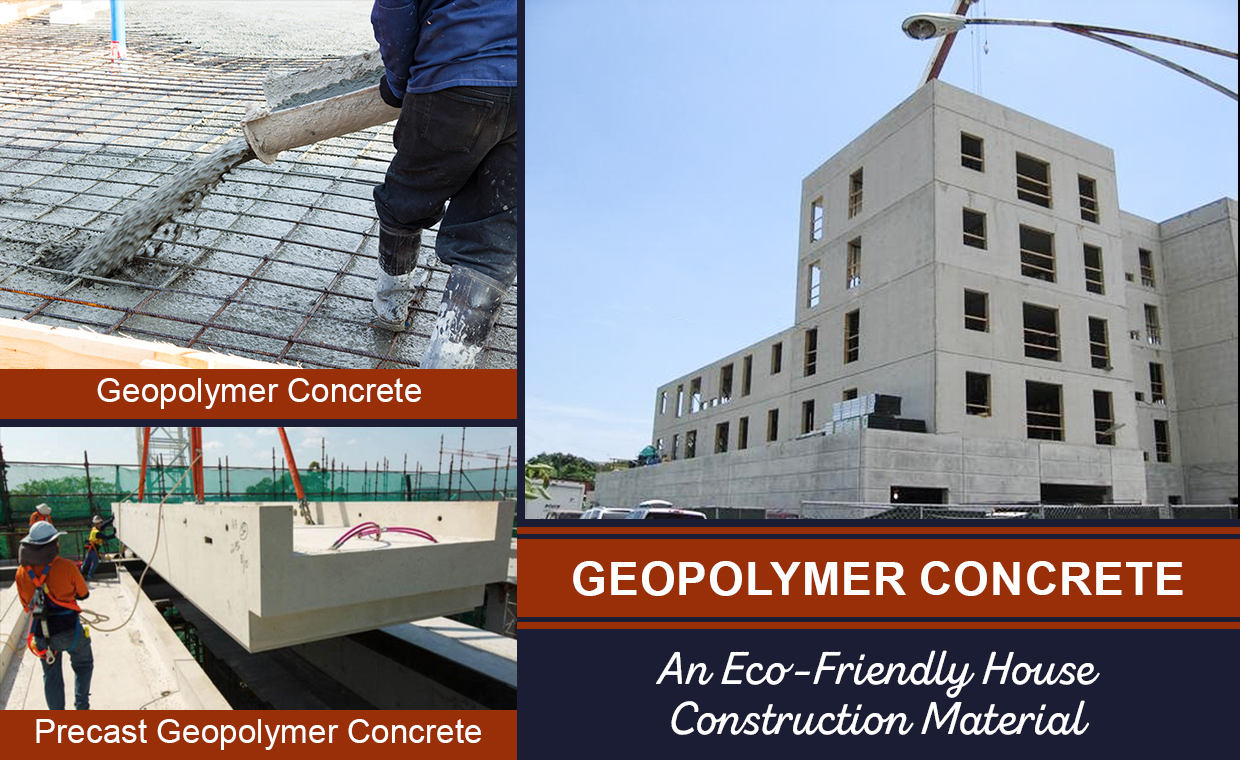
Key Takeaways
- Superior Thermal Stability: Geopolymers withstand temperatures up to 1200°C, outperforming traditional cement.
- Environmental Sustainability: Reduced carbon footprint through utilization of industrial waste materials.
- Enhanced Structural Integrity: Maintains mechanical properties and resists spalling under fire conditions.
Introduction to Geopolymers
Geopolymers are a class of inorganic polymers synthesized through the alkali activation of aluminosilicate materials such as metakaolin, fly ash, or slag. Unlike traditional Portland cement, geopolymers form a three-dimensional network that imparts unique thermal, mechanical, and chemical properties, making them a promising alternative in construction, especially in applications requiring high fire resistance.
Alkali-Activated Materials and Their Fire Resistance
Chemical Composition and Structure
Alkali-activated materials (AAMs), including geopolymers, are produced by reacting aluminosilicate precursors with alkaline activators like sodium hydroxide and sodium silicate. This reaction forms an amorphous to semi-crystalline aluminosilicate network that provides superior thermal stability. The absence of calcium hydroxide, a common component in traditional cement, contributes to their enhanced fire resistance.
Thermal Stability and Fire Resistance
Geopolymers exhibit excellent thermal stability, maintaining structural integrity at temperatures ranging from 800°C to 1200°C. This is significantly higher than traditional Portland cement, which begins to degrade around 600°C. The dense, cross-linked structure of geopolymers resists thermal shock and minimizes spalling, a common issue in ordinary cementitious systems exposed to fire.
Mechanisms of Fire Resistance
The inherent fire resistance of geopolymers is attributed to their microstructural composition. The aluminosilicate network does not dehydrate or undergo rapid chemical transformations at elevated temperatures, unlike calcium silicate hydrates in Portland cement. Additionally, the tightly bound water within the geopolymer matrix reduces the risk of explosive spalling, enhancing overall thermal performance.
Mechanical Performance Under Fire Conditions
Under high-temperature exposure, geopolymers retain a significant portion of their compressive strength. Studies have shown that geopolymers can maintain over 70% of their initial strength at temperatures up to 800°C, whereas traditional cement-based materials may lose up to 50% of their strength under similar conditions. This retention of mechanical properties ensures the continued structural integrity of buildings and infrastructure during fire events.
| Property | Geopolymers | Traditional Cement-Based Materials |
|---|---|---|
| Maximum Operating Temperature | 800°C to 1200°C | Up to 600°C |
| Compressive Strength Retention at 800°C | 70%+ | 50%↓ |
| Thermal Conductivity | Lower | Higher |
| Spalling Resistance | High | Low |
| Carbon Footprint | Approximately 60% lower | Higher |
Comparison with Traditional Cement-Based Materials
Thermal Performance
Traditional cement-based materials like Ordinary Portland Cement (OPC) begin to experience significant degradation at temperatures exceeding 600°C, primarily due to the decomposition of calcium hydroxide and other hydrates. This leads to rapid strength loss, increased susceptibility to cracking, and thermal spalling. In contrast, geopolymers maintain their structural integrity at much higher temperatures, avoiding abrupt degradation and providing a more gradual performance under thermal stress.
Mechanical Properties
Under normal service conditions, both geopolymers and traditional cement-based materials can achieve comparable compressive strengths. However, geopolymers exhibit superior residual strength when exposed to high temperatures. The absence of free calcium hydroxide in geopolymers reduces the risk of microcracking and spalling, ensuring that mechanical properties remain more consistent under thermal stress.
Durability and Longevity
Geopolymers offer enhanced durability in extreme conditions, including resistance to chemical attacks and reduced thermal expansion. Their lower thermal conductivity also contributes to better insulation properties, further preventing internal temperature gradients that can cause structural damage. These factors collectively extend the lifespan of structures made with geopolymers compared to those using traditional cement-based materials.
Environmental Impact
One of the significant advantages of geopolymers over traditional cement is their reduced environmental footprint. The production of geopolymers typically consumes approximately 60% less energy and emits fewer greenhouse gases compared to OPC production. Additionally, geopolymers can incorporate industrial byproducts like fly ash and slag, promoting waste recycling and further diminishing environmental impact.
Advantages of Geopolymers
Superior Fire Performance
Geopolymers not only resist high temperatures but also retain compressive strength and structural integrity better than traditional cement. They exhibit less mass loss and lower thermal expansion, which are critical factors in maintaining the safety and stability of structures during fire events.
Environmental Sustainability
The use of industrial waste materials in geopolymer production significantly reduces its carbon footprint. By substituting traditional cement with geopolymers, the construction industry can achieve substantial reductions in greenhouse gas emissions and energy consumption, aligning with global sustainability goals.
Material Composition and Flexibility
Geopolymers can be tailored by selecting different aluminosilicate precursors and alkaline activators, allowing for customization of their properties to suit specific applications. This flexibility makes geopolymers suitable for a wide range of uses, from fire-resistant panels to high-temperature industrial infrastructure.
Practical Applications of Geopolymers
Fire Protection Systems
Geopolymers are ideal for passive fire protection in buildings. They can be used in fire-resistant coatings, insulation boards, and structural elements that require enhanced thermal stability and reduced fire risk.
High-Temperature Industrial Infrastructure
In industries such as petrochemicals, metallurgy, and energy production, geopolymers can be employed in furnace linings, barriers, and other components exposed to extreme heat, ensuring longevity and safety.
Structural Components Requiring Thermal Stability
Geopolymers are suitable for constructing elements that must maintain strength and integrity under thermal stress, such as bridge components, tunnels, and high-rise buildings in fire-prone areas.
Passive Fire Protection in Construction
Geopolymers can be integrated into building materials to provide inherent fire resistance without the need for additional coatings or treatments. This integration simplifies construction processes and enhances the overall fire safety of structures.
Enhancements for Fire Resistance
Fiber Reinforcement
Incorporating fibers such as basalt or carbon into geopolymer matrices can further enhance fire resistance. These fibers reduce thermal conductivity and improve mechanical properties at high temperatures, resulting in a composite material that is both strong and thermally stable.
Optimizing Raw Material Selection
Choosing the appropriate aluminosilicate sources, such as metakaolin or fly ash, and optimizing the alkali activation process can significantly improve the thermal and mechanical performance of geopolymers. Precise control over raw material composition and processing conditions ensures the formation of a robust geopolymer network.
Advanced Curing Techniques
Implementing specialized curing methods, including heat curing and controlled moisture environments, can enhance the geopolymerization process. This results in a more homogeneous and dense microstructure, which contributes to improved fire resistance and overall material performance.
Conclusion
Geopolymers emerge as a highly effective and sustainable alternative to traditional cement-based materials, particularly in applications demanding superior fire resistance and thermal stability. Their unique chemical composition, derived from alkali-activated aluminosilicates, grants them exceptional performance under high-temperature conditions, maintaining structural integrity and mechanical properties where conventional cement fails. Additionally, the environmental advantages associated with reduced carbon emissions and the utilization of industrial byproducts position geopolymers as a pivotal component in the future of sustainable construction. Ongoing research and optimization continue to unlock their full potential, promising broader adoption in various high-temperature and fire-resistant applications.
References
Last updated February 13, 2025