
Unraveling GERD: Decoding Its Origins, Current Therapies, and Future Innovations
A comprehensive look into the complex factors driving gastroesophageal reflux disease and the evolving landscape of its treatment.
Key Insights into GERD
- Multifactorial Causes: The prevalence of GERD in the U.S. adult population stems from a complex interplay of physiological, anatomical, and lifestyle factors, with Lower Esophageal Sphincter (LES) dysfunction being a central mechanism.
- Acid Reduction Focus: Current treatments primarily aim to reduce stomach acid because it is the primary irritant causing esophageal damage and symptoms, offering effective symptomatic relief even if the underlying mechanical defects are not directly corrected.
- Promising New Therapies: Significant advancements are underway, including novel pharmacological agents like potassium-competitive acid blockers (P-CABs) and minimally invasive endoscopic procedures, which target both acid suppression and the mechanical integrity of the anti-reflux barrier.
The Known Roots of GERD Prevalence in U.S. Adults
Yes, the root causes for the prevalence of Gastroesophageal Reflux Disease (GERD) in the general U.S. adult population are largely known and well-documented. GERD is a chronic condition affecting a significant portion of the adult population, with estimates suggesting it impacts approximately 20% of adults, and up to a third experiencing weekly symptoms of acid reflux. Its widespread occurrence is attributed to a complex interplay of physiological, anatomical, and lifestyle factors that compromise the body's natural anti-reflux barriers.
Core Physiological Mechanisms
The primary mechanism underlying GERD is the compromise of the anti-reflux barrier, most notably the malfunction or weakening of the Lower Esophageal Sphincter (LES). The LES is a critical muscular band at the junction of the esophagus and stomach that typically acts as a one-way valve, preventing stomach contents from flowing back into the esophagus. When this barrier is compromised, reflux occurs.
Lower Esophageal Sphincter (LES) Dysfunction
LES dysfunction manifests in several ways, each contributing to reflux:
- Transient LES Relaxations (TLESRs): These are spontaneous relaxations of the LES not triggered by swallowing, allowing gastric contents to reflux into the esophagus. TLESRs are considered the most common cause of reflux episodes in GERD patients, accounting for a significant percentage (48-73%) of symptoms.
- Weak or Chronically Relaxed LES: If the LES becomes inherently weak or maintains an inappropriately relaxed state, it can lead to chronic acid reflux due to insufficient pressure to prevent backflow.
- Impaired LES Tone: A reduced baseline pressure or tone in the LES makes it less effective as a barrier, allowing gastric contents to escape more easily.
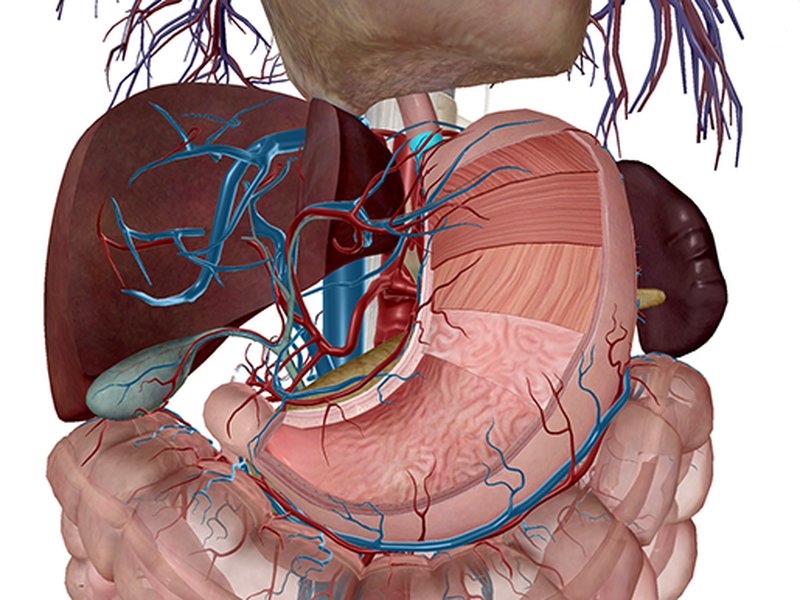
Illustration of the anatomical structures involved in GERD, highlighting the reflux of stomach contents into the esophagus.
Anatomical Contributors
Certain anatomical conditions can significantly worsen LES dysfunction and increase the risk of GERD:
- Hiatal Hernia: This condition occurs when a portion of the stomach pushes up through the diaphragm into the chest cavity. A hiatal hernia can disrupt the normal anatomical relationship of the LES, weakening its function and making reflux more likely. While many people over 50 may have small hiatal hernias without symptoms, severe cases are strongly associated with GERD.
- Congenital Defects: In some rare cases, birth defects such as esophageal atresia can impact the LES, leading to reflux issues from an early age.
Motor Abnormalities and Refluxate Composition
- Impaired Esophageal Acid Clearance: After reflux, the esophagus normally clears the contents through peristaltic contractions and neutralization by salivary bicarbonate. Impaired esophageal motility (dysmotility) can reduce this clearance, leading to prolonged exposure of the esophageal lining to gastric contents and more severe symptoms.
- Delayed Gastric Emptying: When the stomach empties slowly, it retains contents for longer, increasing the volume and pressure, which in turn raises the likelihood of reflux episodes.
- Nature of Refluxate: The gastric contents that reflux into the esophagus can be highly corrosive. This includes hydrochloric acid and pepsin from the stomach, as well as bile salts and pancreatic enzymes from the duodenum. Both acidic and alkaline refluxates can breach the esophageal defense barrier, causing injury and inflammation.
Lifestyle and Behavioral Factors
A significant portion of GERD prevalence is linked to lifestyle choices common in the U.S. adult population:
- Obesity/Overweight: Excess abdominal fat increases intra-abdominal pressure, pushing stomach contents against the LES and promoting reflux. Obesity is strongly associated with increased risk of GERD symptoms, erosive esophagitis, and even esophageal cancer. Weight loss is a frequently recommended intervention.
- Smoking: Tobacco smoking relaxes and weakens the LES and reduces the production of bicarbonate-rich saliva, which is vital for clearing acid. Cannabis use may also contribute to LES relaxation.
- Alcohol and Caffeine: These substances can directly relax the LES, facilitating reflux.
- Certain Foods: Acidic, spicy, fatty, or fried foods, chocolate, and peppermint are common triggers for GERD symptoms as they can relax the LES or increase stomach acid production.
- Eating Habits: Consuming large meals, especially close to bedtime, increases the volume of stomach contents and pressure, making reflux more probable when lying down. It is often recommended to avoid lying down for 2-3 hours after meals.
- Inactivity and High Intake of Sweets: Sedentary lifestyles and diets high in sweets and desserts have also been identified as risk factors.
- Stress and Mental Health: While not a direct cause, psychological factors like stress, anxiety, and depression can exacerbate GERD symptoms or influence its perception.
Medications and Age
- Certain Medications: Some drugs, including anticholinergics, benzodiazepines, NSAIDs, calcium channel blockers, and nitrates, can weaken the LES or otherwise promote reflux, either by relaxing the muscle or irritating the esophageal lining.
- Age: The prevalence of GERD tends to increase with age, with adults aged 60 to 70 being particularly affected.
Why Common Treatments Focus on Acid Reduction
Most common treatments for GERD, such as proton pump inhibitors (PPIs) and H2-receptor antagonists (H2RAs), primarily focus on reducing the quantity or acidity of stomach acid. This approach is central to GERD management for several critical reasons:
- Acid as the Primary Noxious Agent: The gastric refluxate, particularly hydrochloric acid and pepsin, is the main irritant that causes direct injury to the esophageal lining and elicits symptoms like heartburn. Esophageal exposure to gastric refluxate is the primary determinant of disease severity. By suppressing acid production, these medications directly mitigate the damage to esophageal tissue and alleviate symptoms efficiently.
- Efficient Symptom Relief and Healing: Reducing acid provides rapid and effective symptomatic relief for most patients and allows the injured esophageal mucosa to heal. PPIs, in particular, are highly effective in achieving significant acid suppression, leading to symptomatic improvement and mucosal healing in a large proportion of patients.
- Challenges in Addressing Mechanical Defects: While LES dysfunction and anatomical issues are root causes of the reflux itself, directly correcting these mechanical defects with medications is currently not widely feasible or effective. Acid suppression addresses the consequence (acidic refluxate causing damage) rather than the underlying mechanical issue that allows reflux.
- Invasiveness of Alternative Treatments: Surgical and endoscopic procedures that aim to reinforce the LES or correct hiatal hernias are more invasive and are generally reserved for severe or refractory cases due to their complexity, potential complications, and recovery times.
It's important to note that while acid suppression effectively manages symptoms and promotes healing, it does not "fix" the underlying mechanical defect. This is why lifestyle modifications are often recommended in conjunction with medication to help address contributing factors indirectly.
Radar Chart: A Comparative View of GERD Treatment Approaches
This radar chart illustrates the perceived strengths of various GERD treatment approaches based on their efficacy in symptom relief, ability to address root causes, invasiveness, and speed of action. The scores are opinionated analyses to highlight the different philosophies behind each treatment category.
New Types of Treatment for GERD Under Development
The landscape of GERD treatment is continually evolving, with significant advancements aiming to address both symptoms and underlying mechanisms more comprehensively. These new developments often focus on improving upon traditional acid suppression, providing alternatives for patients who don't respond well to conventional therapies, or offering less invasive mechanical corrections.
Novel Pharmacological Agents
Beyond traditional PPIs and H2RAs, a new class of drugs is emerging:
- Potassium-Competitive Acid Blockers (P-CABs): Drugs like vonoprazan (Voquezna), recently approved by the FDA in 2023, represent a significant innovation. P-CABs offer faster onset of action and potentially more potent and longer-lasting acid suppression compared to PPIs. Vonoprazan is indicated for both erosive and non-erosive GERD, including healing esophageal erosions. It is also available in combination formulations for *Helicobacter pylori* infection, which can contribute to stomach irritation.
- Bile-Binding Agents: Investigational drugs like IW-3718 are being explored. These agents bind to bile in the stomach, offering a different mechanism of action that could be beneficial for patients with non-acid reflux or those not fully responsive to PPIs.
Minimally Invasive Endoscopic Therapies
These procedures aim to restore the anti-reflux barrier without major surgery:
- Transoral Incisionless Fundoplication (TIF): This procedure uses an endoscope to create a new or repair an existing valve at the LES, reconstructing the anti-reflux barrier. TIF offers advantages such as shorter treatment times, less pain, and faster recovery, as it avoids incisions and implants.
- Stretta® Therapy: This treatment uses radiofrequency energy delivered endoscopically to the LES. The energy causes tissue remodeling and strengthening of the sphincter, thereby reducing transient LES relaxations and improving its barrier function.
- Endoscopic Sewing and Radiofrequency Techniques: Other endoscopic methods involve using stitches or localized heat to tighten the sphincter muscle.
- Anti-reflux Mucosectomy (ARMS) and Anti-reflux Mucosal Ablation (ARMA): These are emerging endoscopic techniques that modify the esophageal mucosa to enhance the anti-reflux barrier.
A mindmap illustrating the evolution of GERD treatment, from current acid-suppressing methods to new pharmacological and minimally invasive techniques, highlighting their mechanisms and benefits.
Advanced Surgical Approaches and Devices
While laparoscopic fundoplication remains a standard surgical option for selected patients, newer devices and techniques are emerging:
- RefluxStop™: This is an implantable, non-active device used in laparoscopic surgery. It aims to block the movement of the LES into the chest and maintain the angle of His in its anatomically correct position, restoring normal anatomy without affecting the food passageway. Early data suggests it is safe and effective.
- Magnetic Sphincter Augmentation (LINX device): This involves laparoscopically implanting a band of magnetic titanium beads around the LES. The magnetic attraction augments the barrier function, allowing food to pass but preventing reflux.
Understanding GERD and Its Treatments
To further visualize the mechanisms of GERD and how treatments aim to address the issues, the following video provides an insightful overview of the condition from a medical perspective:
This video from a medical professional explains Gastroesophageal Reflux Disease (GERD), covering its causes, symptoms, and potential complications, offering a comprehensive understanding of the condition.
These newer treatments reflect a growing understanding of the multifaceted nature of GERD and aim to address both acid reduction and the underlying mechanical defects, offering more personalized and comprehensive management strategies for patients.
Summary of GERD Causes and Treatments
The following table provides a concise summary of the key root causes of GERD and the mechanisms by which various treatments aim to alleviate symptoms or correct underlying issues.
| Category | Root Causes / Contributing Factors | Treatment Approach (Current & Emerging) | Mechanism of Action |
|---|---|---|---|
| Physiological & Anatomical | Lower Esophageal Sphincter (LES) Dysfunction (TLESRs, weakness), Hiatal Hernia, Impaired Esophageal Motility, Delayed Gastric Emptying | Endoscopic Procedures (TIF, Stretta, ARMS/ARMA), Surgical Interventions (Fundoplication, RefluxStop, LINX) | Mechanically reinforces LES, corrects anatomical defects, strengthens barrier function. |
| Refluxate Composition | Acidic gastric contents (HCl, Pepsin), Alkaline duodenal contents (Bile salts, Pancreatic enzymes) | Acid Suppressants (PPIs, H2RAs, P-CABs like Vonoprazan), Bile-Binding Agents | Reduces stomach acid production, neutralizes acid, or binds to noxious non-acidic components. |
| Lifestyle & Behavioral | Obesity, Smoking, Alcohol, Caffeine, Certain Foods, Large Meals, Lying down after eating, Stress | Lifestyle Modifications (Weight loss, Dietary changes, Smoking cessation, Elevation of head during sleep) | Reduces intra-abdominal pressure, avoids LES relaxants, minimizes reflux triggers, improves esophageal clearance. |
| Other Factors | Age, Certain Medications, Genetic Predisposition | Personalized Medicine, Medication review and adjustment | Tailors treatment based on individual patient profile, identifies and manages medication-induced GERD. |
Frequently Asked Questions (FAQ)
Are children affected by GERD in the same way as adults?
Can GERD lead to more serious conditions if left untreated?
Is it possible to cure GERD completely?
Do dietary changes alone effectively manage GERD?
Conclusion
The prevalence of GERD in the U.S. adult population is well-understood, rooted in a complex interplay of physiological, anatomical, and lifestyle factors that compromise the lower esophageal sphincter's function. While common treatments predominantly focus on reducing stomach acid—a strategy highly effective for symptom relief and healing esophageal damage—the medical field is actively advancing beyond this approach. New pharmacological agents like P-CABs offer more potent acid suppression, and a range of minimally invasive endoscopic and surgical procedures are being developed to directly address the underlying mechanical defects. These innovations are paving the way for more personalized and effective long-term management strategies, offering hope for improved quality of life for millions affected by GERD.
Recommended Further Exploration
- Explore the comparative efficacy of proton pump inhibitors versus potassium-competitive acid blockers in GERD treatment.
- Investigate the long-term outcomes and patient satisfaction rates for Transoral Incisionless Fundoplication (TIF) in GERD management.
- Delve into the emerging research on the role of the gut microbiome in the pathogenesis and treatment of GERD.
- Understand the intricate impact of psychological stress and mental health on the exacerbation and perception of GERD symptoms.