
Understanding the 2025 German Federal Election
An in-depth look at the snap election, its candidates, and the issues driving Germany's political future
Highlights
- Snap Election Trigger: The election was called early after the collapse of the governing coalition.
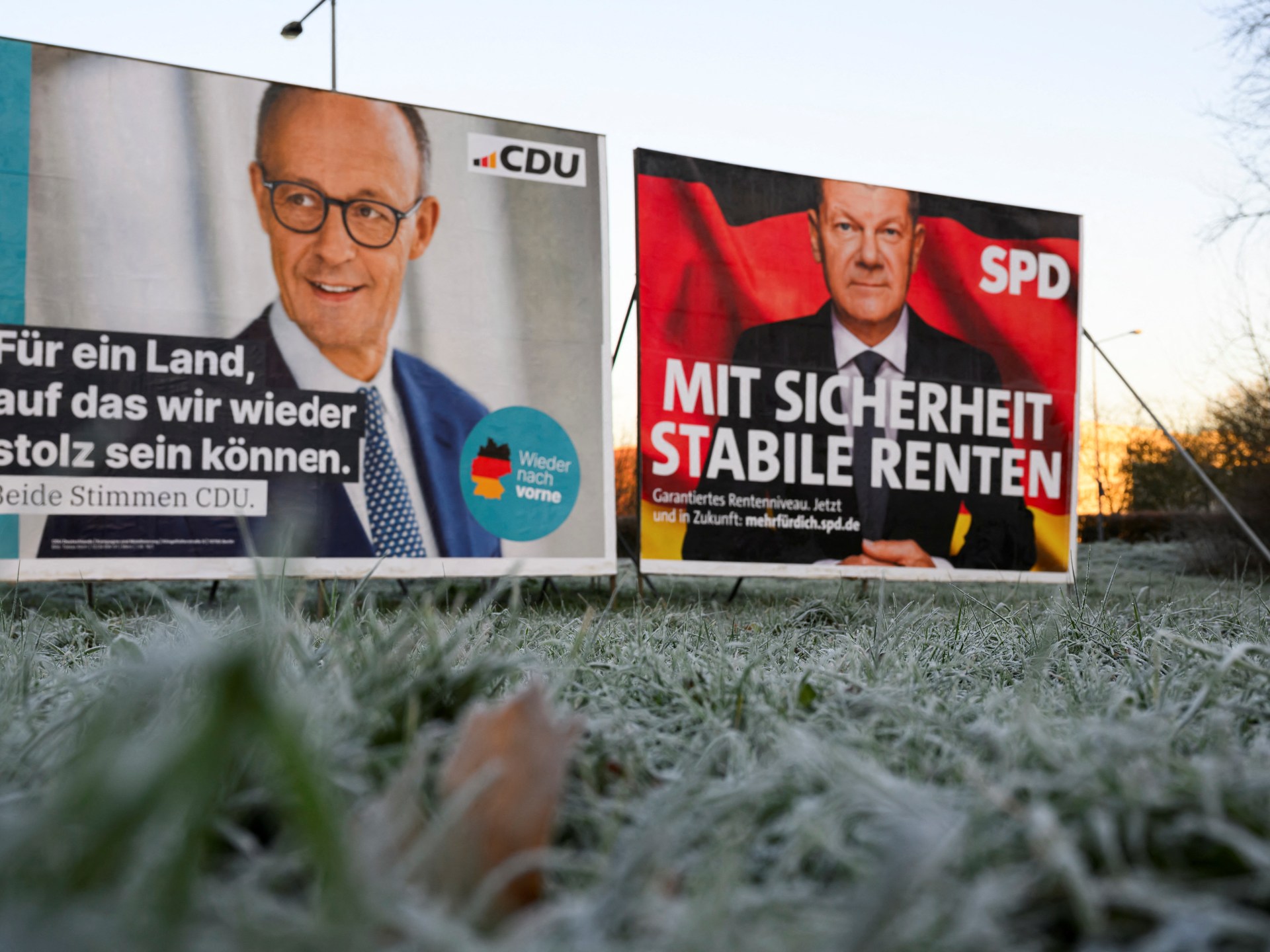
- Key Players and Issues: Leading candidates include Friedrich Merz, Olaf Scholz, Robert Habeck, and Alice Weidel, with major topics covering economic policies, digital transformation, and sustainable development.
- Coalition and Electoral Dynamics: The mixed-member proportional representation system will lead to complex coalition negotiations based on the outcome of 630 seats in the Bundestag.
Overview of the 2025 Election
The upcoming German federal election, scheduled for February 23, 2025, is a snap election that marks a pivotal moment in Germany’s political landscape. This election was precipitated by the collapse of the coalition government led by Chancellor Olaf Scholz, which brought to light several internal and external challenges. Although federal elections in Germany are typically set on a four-year cycle, the political crisis accelerated the timetable, resulting in an electoral contest that has quickly become the focal point of national debate.
Context and Timing
The election was originally slated for a later date in 2025; however, following a dramatic government crisis in late 2024, in which the multi-party coalition broke down, political leaders agreed to advance the election to February 23, 2025. This decision underscores both the urgency of resolving political instability and the need for a fresh electoral mandate from the public. Snap elections, though not unprecedented in Germany’s post-war history, remain a significant political event due to the potential for rapid shifts in power and policy direction. This election is notably the fourth time in modern history that a snap vote has been initiated.
Candidate Profiles and Party Dynamics
The election features a diverse array of candidates representing Germany’s key political parties. The political contest is not a simple head-to-head race; instead, it involves multiple parties with distinct policy platforms and visions for Germany’s future. With the multi-member Bundestag comprising 630 seats, the election outcome will largely determine the structure of future coalition negotiations and the overall direction of government policy.
Major Political Parties and Their Candidates
Christian Democratic Union/Christian Social Union (CDU/CSU)
The CDU/CSU bloc is currently showing strength in national opinion polls, projecting a leading performance in terms of vote share. Led by Friedrich Merz, this group is positioning itself as the primary opposition force, criticizing the current coalition’s handling of economic and digital challenges. Their campaign often emphasizes stability, prudence in fiscal matters, and a commitment to reinvigorate Germany’s industrial sectors amidst global competition.
Social Democratic Party (SPD)
The SPD, which has been integral to the recently collapsed government, is seeking to regain the trust of voters by promising reform and a renewed focus on technological innovation, as well as economic and social welfare improvements. Despite internal debates regarding potential alternative candidates, Chancellor Olaf Scholz remains the endorsed candidate, drawing on his experience during turbulent economic times. The party’s platform also stresses the need to adapt federal policies to the rapid pace of technological change.
Alliance 90/The Greens
The Greens, led by Robert Habeck, are leveraging environmental sustainability as a cornerstone of their campaign. In addition to advocating for significant extensions to renewable energy and advanced ecological policies, the Greens’ platform also includes proposals for digital transformation and social justice reforms. Their candidacy represents an appeal to voters who are increasingly responsive to the impacts of climate change and environmental degradation.
Alternative for Germany (AfD)
The AfD, represented by candidate Alice Weidel, brings a sharp ideological contrast to the center-left and moderate political stances of other parties. The AfD is expected to capitalize on rising public concerns regarding immigration, national identity, and economic insecurity. Their platform tends to be more populist in tone, and recent opinion polls have positioned them as the strongest opposition party, potentially reshaping the parliamentary landscape if they secure significant representation.
Other Emerging Parties
Aside from the major political forces, other parties including The Left also field candidates and offer alternative policy viewpoints. Their participation reflects the broad spectrum of political ideologies in Germany and contributes to the complexity of forming a governing coalition post-election.
Electoral System and Voting Mechanism
Germany’s electoral system is distinguished by its mixed-member proportional representation, designed to ensure that both local representation and proportional party support are balanced in the Bundestag. In this system, voters have two votes: the first vote is cast for a direct candidate from their constituency, while the second vote supports a party list at the state level. The Bundestag is composed of 630 members, and parties must surpass a 5% threshold in the national vote to secure representation. This system incentivizes broad-based support and often results in coalition negotiations, as no single party usually achieves an outright majority.
Mechanics of the Voting Process
Dual Voting System
The dual voting system allows for effective local representation while also aligning overall parliamentary representation with the national popular vote. The direct vote determines constituency representatives, ensuring that local issues are given priority, whereas the party list vote reflects broader political sentiments and preferences across different regions. This approach has both advantages and challenges—it promotes regional balance but also sets the stage for post-election coalition talks, where parties must compromise on legislative priorities.
Coalition Implications
Given that it is improbable for any single party to secure an absolute majority, the election’s outcome will nearly certainly necessitate coalition government formation. This complex process involves negotiations over policy priorities, ministerial posts, and legislative agendas. The specifics of these negotiations are shaped by the electoral results, public sentiment during the campaign, and strategic adjustments by party leaders. For both voters and political observers, understanding the dynamics of coalition building is crucial to predicting future government policies and their potential impact on Germany’s domestic and international role.
Key Issues Shaping the Debate
The issues at the forefront of the election are both diverse and highly significant, reflecting the multilayered challenges facing Germany as it navigates domestic reform and its role on the global stage. These topics not only define the platforms of individual candidates and parties but also shape the underlying narrative of the campaign period.
Economic Policy and Inflation
Economic management is one of the central battlegrounds in the upcoming election. Voters are deeply concerned about inflationary pressures, cost-of-living challenges, and the overall robustness of the national economy. With Germany facing global economic shifts and competition from emerging economies, debates around fiscal responsibility, investment in industry, and social welfare remain prominent. Parties like the CDU/CSU emphasize a return to fiscal conservatism and stable economic policies, whereas the SPD and Greens often advocate for increased public spending aimed at innovation and sustainability. Each party proposes differing strategies to balance economic growth with social equity, making the election a referendum on Germany’s economic future.
Energy Transition and Environmental Sustainability
Environmental policy, particularly in the context of an ongoing energy transition, is another dominant theme. The increasing urgency to address climate change has driven political parties to reexamine their energy strategies and environmental commitments. The Greens, in particular, have built a significant part of their platform on accelerating renewable energy use and enacting stricter environmental regulations. In contrast, traditional parties may adopt a more measured approach, addressing environmental concerns while ensuring that energy policies do not undermine economic stability. The election is set to reflect a balance between environmental sustainability and energy security, as Germany continues to position itself as a leader in European environmental policy.
Digital Transformation and Innovation
As the demands of a modern digital economy become increasingly apparent, digital transformation has emerged as a key issue in the electoral discourse. Political programs frequently mention the need for comprehensive reform in areas such as digital infrastructure, cyber security, and technological education. With rapid advancements in AI, quantum computing, and other tech disciplines, there is an urgent need to upgrade operational systems and legislative frameworks. The SPD, in particular, highlights the importance of embracing technological innovation to drive economic restructuring and maintain competitive advantage on a global scale. The success of these initiatives is seen as critical for future-proofing the German economy and ensuring that the workforce remains competitive in an evolving technological landscape.
Immigration and National Identity
Immigration policies and the broader question of national identity are also major themes in the electoral debate. There is a growing public discourse over how best to integrate new members of society while preserving the cultural integrity of Germany. The AfD, for instance, has capitalized on these concerns by advocating for stricter immigration controls and emphasizing national sovereignty. Conversely, more centrist and left-leaning parties promote inclusive policies that focus on integration, social cohesion, and the economic benefits of a diverse populace. These divergent approaches represent an ideological rift that has significant implications, not only for future domestic policies but also for Germany’s international image and diplomatic relations.
European and Global Roles
Germany’s position on the international stage and its responsibilities within the European Union are subjects that resonate deeply amid the current election cycle. With challenges such as the Ukraine conflict and broader geopolitical tensions, how Germany positions itself will be critical. Political parties are debating approaches that range from continued strong support for European integration and transatlantic partnerships to more independent, often nationalist, stances on foreign policy matters. The outcome of these debates will influence not only domestic policy but also the future trajectory of European and global politics, reaffirming Germany's role as a gateway between the West and emerging markets.
Detailed Analysis: Election Mechanics and Demographic Impact
An integral component of understanding this election is examining the various mechanical and demographic factors that influence voter behavior and electoral outcomes.
Voter Demographics and Turnout
Approximately 60 million German citizens aged 18 and older are eligible to cast their votes. Demographic trends, such as the urban-rural divide, generational shifts, and changing attitudes towards immigration and globalization, are expected to significantly impact electoral outcomes. Younger voters, in particular, are increasingly prioritizing digital innovation and environmental sustainability, while older demographics may lean towards policies that emphasize economic stability and traditional values. The effectiveness of each party's voter outreach strategies is critical, as high voter turnout can decisively influence the formation of future government coalitions.
Analyzing the Electoral Framework
The mixed-member proportional representation system ensures that the final composition of the Bundestag reflects both individual constituency results and overall party support. This dual system prevents over-concentration of power while also providing regional accountability. To better illustrate this process, consider the following table outlining the key components of the electoral system:
| Component | Description | Impact on Election |
|---|---|---|
| Direct Vote | Voters choose a candidate in their constituency. | Ensures local issues are prioritized and representatives are directly accountable. |
| Party List Vote | Voters select a party, influencing proportional representation. | Balances local representation with overall party strength in parliament. |
| 5% Threshold | Parties must secure at least 5% of the vote to gain seats. | Prevents fragmentation of the Bundestag, ensuring only parties with significant support are represented. |
| Coalition Negotiations | Post-election discussions to form a functioning government. | Determines the final legislative agenda and power-sharing between parties. |
Regional Influences and Local Issues
While national issues dominate the overall narrative, regional disparities play a crucial role in shaping local voting patterns. Economic conditions, employment opportunities, and infrastructure developments vary significantly across Germany’s federal states, leading to differentiated electoral priorities. In urban centers, policies related to technology, environmental regulation, and modern infrastructure tend to resonate more strongly. In contrast, rural areas might prioritize economic security, agricultural policy, and local employment initiatives. Recognizing these nuances is essential for any comprehensive analysis of the election, as the interplay between local concerns and national platforms adds an additional layer of complexity to the electoral dynamics.
Implications for the Future
The results of the 2025 election will not only dictate the composition of the 21st Bundestag but also set the stage for Germany’s future political, economic, and social trajectory. Given that the election is being held under unusual circumstances following a coalition collapse, the outcome is expected to lead to extensive coalition talks. How parties negotiate these discussions will significantly impact policy directions regarding economic reform, digital transformation, environmental sustainability, and Germany’s role in global affairs.
Shaping National Policy
The elected government will be responsible for addressing several immediate challenges facing Germany. Economic recovery post-pandemic, globalization pressures, and the need to integrate new digital technologies into traditional industries are all critical issues. Additionally, the balance between fostering innovation and managing fiscal discipline will be a central point of debate. Whether the new government adopts a more conservative fiscal approach or invests heavily in reforms and innovation programs will directly influence the country’s long-term competitiveness and social cohesion.
Impact on European and Global Politics
Germany’s status as a leading economic and political player in Europe means that its electoral results have far-reaching implications beyond its borders. Policies on trade, security, and environmental standards set by the next government will influence the broader European agenda. Moreover, how Germany navigates its relationships with major global players, including its stance on issues such as energy policy and digital innovation, will affect international markets and diplomatic relations. The German electorate’s decisions can, therefore, be seen as indirectly shaping the global political climate as well.
Conclusion and Final Thoughts
The upcoming German federal election on February 23, 2025, is a critical event that carries tremendous significance for both domestic politics and international relations. It is characterized by the urgency brought on by the collapse of Chancellor Scholz's coalition government and the need for renewed political stability. The election, featuring prominent candidates from major parties, embodies a broad spectrum of policy debates including economic recovery, sustainable development, digital innovation, and national identity. The mixed-member proportional representation system ensures that the final composition of the Bundestag will reflect both localized concerns and overall party support, thereby mandating complex coalition negotiations in its aftermath.
Beyond the electoral mechanics, the broader implications of the election are profound. The outcome will determine the trajectory of Germany's domestic policies and its influence on European and global platforms. As various parties campaign on distinct visions—from the CDU/CSU’s focus on fiscal conservatism to the Greens’ emphasis on environmental reform—the electorate is set to choose a new path forward in a rapidly evolving political and economic environment. Ultimately, the 2025 election not only underscores the dynamic nature of German politics but also serves as a critical barometer of the nation’s resilience and adaptability in times of change.
References
- The 2025 German Election in Charts - DW
- German Leaders Settle on Feb. 23 Snap Election - POLITICO
- Germany: Federal Election on February 23, 2025 - DGA
- 2025 German Federal Election - Wikipedia
- Who Is Running in the German Elections and What Are the Key Issues? - Al Jazeera
- German Election Candidates Overview - AP News
-
Germany Election 2025: Party Policies, Opinion Polls and Key Issues - Reuters
- Top Candidates for the German Federal Election - The Indian Express
Recommended Exploration
Last updated February 20, 2025