
Unlocking Faster German Passport Processing: Beyond Munich's Reported Delays
Exploring alternatives like Heidelberg and understanding the factors that influence wait times across Germany for passport issuance.
Key Insights on German Passport Timelines
- Standard vs. Reported Times: While official sources state standard German passport issuance takes 6-8 weeks after approval, reports of extremely long waits (like 2 years in Munich) often relate to the preceding naturalization process, not just the passport printing itself.
- Centralized Production: All German passports are printed at the Federal Printing Office in Berlin. This centralizes a significant part of the process, meaning the actual printing time is similar regardless of where you apply.
- Local Office Impact: The main variations in processing speed stem from local citizens' office (Bürgeramt) workload, affecting appointment availability and the time taken to process and forward the application to Berlin. Applying where you are registered is standard practice.
Understanding the German Passport Application Journey
Distinguishing Naturalization from Passport Issuance
It's important to clarify the context of the reported 2-year wait in Munich. Applying for a German passport is typically a process for those who are already German citizens. If the application follows naturalization (becoming a German citizen), the Foreign Office (Ausländerbehörde) handles the naturalization itself. This naturalization process, especially in high-demand cities like Munich, can indeed take a very long time, potentially up to two years or sometimes even longer, due to backlogs and complex reviews.
Once citizenship is granted, the subsequent step is applying for the actual passport document. This is usually done at the local citizens' office (Bürgeramt) where the person is registered. The processing time for *this* step – the issuance of the passport document – is typically much shorter, measured in weeks, not years.
Therefore, the 2-year timeframe mentioned likely refers to the entire process, heavily weighted by the naturalization application pending at the Munich Foreign Office. Switching locations for the *passport application* itself won't speed up the *naturalization decision*. The passport application can only proceed once citizenship is confirmed.
The Standard Process and Timeline for Passport Issuance
For individuals who are already German citizens (either by birth, descent, or after successful naturalization), the process to obtain a passport generally involves:
- Booking an appointment at the Bürgeramt of their registered residence.
- Attending the appointment in person to submit the application form, required documents (ID, proof of citizenship if applicable, photo), and provide biometric data (fingerprints, photograph).
- Waiting for the application to be processed locally and forwarded to the Federal Printing Office (Bundesdruckerei) in Berlin.
- Waiting for the passport to be printed and sent back to the local Bürgeramt.
- Collecting the passport in person.
According to multiple sources, including official German mission websites and expat information portals, the standard processing time for this passport issuance stage is typically around 6 to 8 weeks. Some sources mention ranges like 3-6 weeks or up to 10 weeks, but the 6-8 week timeframe appears most consistent currently, factoring in potential delays due to high application volumes nationwide.
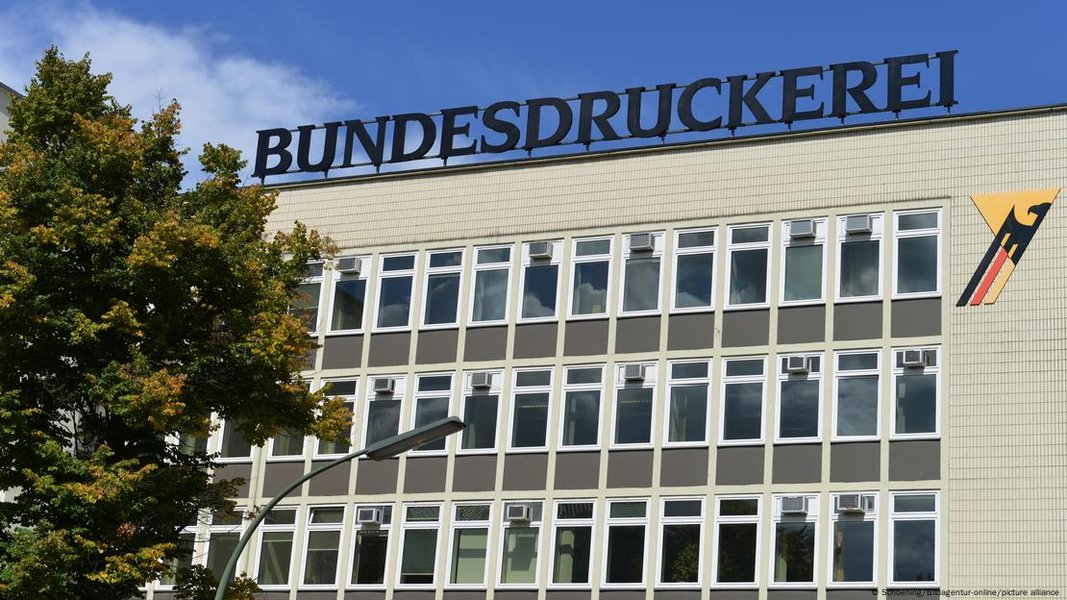
Increased demand for travel documents has recently led to longer processing times across Germany.
Comparing Passport Processing Locations in Germany
While the central printing in Berlin standardizes part of the timeline, local factors can influence the overall duration from application submission to passport collection.
Munich: The Reported Bottleneck
Munich, as a major city with a large population and significant immigration, often experiences high demand for administrative services, including naturalization and passport issuance. The reported 2-year wait, as discussed, likely pertains heavily to the naturalization backlog at the Foreign Office (Ausländerbehörde). If citizenship is already granted and the application is for the passport document itself at the Munich Bürgeramt, a 2-year wait would be highly unusual and far exceed the standard 6-8 weeks. While backlogs can cause delays beyond the standard, 2 years solely for passport printing and processing is not typical according to available data. It points towards the bottleneck being the preceding administrative steps, likely naturalization.
Heidelberg: A Potential Alternative?
Heidelberg is a smaller university city compared to Munich. Generally, Bürgerämter in smaller cities or towns tend to have lower application volumes and potentially shorter waiting times for appointments and local processing. While specific, official real-time data comparing processing speeds between Munich and Heidelberg Bürgerämter isn't readily available in the provided sources, it's reasonable to expect that Heidelberg *might* offer a faster experience *for the passport application step* than Munich, aligning more closely with the standard 6-8 week timeline, assuming no unusual local backlogs.
However, remember the residency requirement: one must typically apply at the Bürgeramt where they are officially registered (angemeldet). Applying in Heidelberg would require being registered there.
Other German Cities and Towns
The principle generally holds: major metropolitan areas (like Berlin, Hamburg, Frankfurt) may also experience delays due to high volume, though perhaps not as extreme as the reported Munich naturalization timeline. Smaller cities and towns often process applications more quickly due to lower demand. Some anecdotal evidence suggests certain offices might be more efficient than others (e.g., Nuremberg reportedly being faster for naturalization than Leipzig or Frankfurt, though this may not directly translate to passport issuance speed at the Bürgeramt).
The key variables remain local appointment availability and processing efficiency before the application reaches the central printing office in Berlin.
Factors Influencing Speed: A Comparative Overview
The following chart provides a conceptual comparison of factors affecting overall passport processing speed across different types of locations within Germany. Note that 'Naturalization Delay Risk' refers to the potential for long waits in the preceding citizenship process, which significantly impacts the *overall* timeline for new citizens.
This chart illustrates that while the central printing impact is consistent, local factors like appointment availability and processing speed vary, generally favouring smaller locations. The naturalization delay risk is notably higher in major cities.
Visualizing the Application Path
Understanding the different stages and influencing factors can help navigate the process. This mindmap outlines the typical journey for obtaining a German passport:
(Renewal/First Passport)"] id1b["New Citizen
(Post-Naturalization)"] id2["Application Steps (at Bürgeramt)"] id2a["Check Requirements
(Documents, Photo)"] id2b["Book Appointment
(Online/Phone)"] id2c["Submit Application
(In Person)"] id2d["Provide Biometrics
(Fingerprints, Photo)"] id2e["Wait for Processing"] id2f["Collect Passport"] id3["Processing Time Factors"] id3a["Local Office Workload
(Appointments, Staffing)"] id3b["Applicant Volume"] id3c["Application Completeness"] id3d["Central Printing in Berlin
(Bundesdruckerei)"] id3e["Standard vs. Express Service"] id3f["Naturalization Process Time
(If Applicable - Handled by Ausländerbehörde)"] id4["Location Considerations"] id4a["Apply Where Registered
(Primary Residence - Bürgeramt)"] id4b["Applying Elsewhere?
(Check Rules, Potential Fees)"] id4c["Major Cities (e.g., Munich)
(Higher Volume, Potential Delays)"] id4d["Smaller Cities (e.g., Heidelberg)
(Lower Volume, Potentially Faster)"] id5["Expediting Options"] id5a["Express Passport
(Additional Fee, Faster Printing/Delivery)"]
This map highlights that the process involves both local and central elements, and precedes naturalization if applicable.
Location Processing Time Estimates
The following table provides a generalized comparison of estimated processing times for the *passport issuance step* (after citizenship is confirmed), based on location type and service chosen. Note that these are estimates and actual times can vary.
| Location Type | Estimated Standard Passport Time (Post-Citizenship) | Estimated Express Passport Time (Post-Citizenship) | Notes |
|---|---|---|---|
| Munich (Major City) | 6-8 weeks (potentially longer due to local backlog) | Approx. 3 working days up to 2-3 weeks (after Berlin receives application) | Very long reported waits (up to 2 years) likely include preceding naturalization process at Foreign Office (Ausländerbehörde). |
| Heidelberg (Smaller City) | 6-8 weeks (standard timeframe likely applies) | Approx. 3 working days up to 2-3 weeks (after Berlin receives application) | Generally expected to have faster local processing and appointment availability than Munich. Residency rules apply. |
| Other Major Cities (e.g., Berlin, Frankfurt) | 6-8 weeks (potentially longer, 2-3 months mentioned) | Approx. 3 working days up to 2-3 weeks (after Berlin receives application) | High volume can lead to delays in appointments and local processing. |
| Smaller Towns/Cities | 6-8 weeks (may potentially be slightly faster locally) | Approx. 3 working days up to 2-3 weeks (after Berlin receives application) | Often have better appointment availability and quicker local handling. Residency rules apply. |
Note: Express processing primarily speeds up the printing and delivery from Berlin once the local office forwards the request. It doesn't bypass local office processing times or appointment waits.
Navigating the Application: Practical Considerations
Where Can You Apply?
The standard procedure in Germany requires applying for official documents like passports at the Bürgeramt (Citizens' Office) in the municipality where you have your primary registered residence (Hauptwohnsitz). Attempting to apply at a different Bürgeramt (e.g., applying in Heidelberg while registered in Munich) is generally not permitted or may require demonstrating a valid reason and could involve higher fees, as the primary office needs to grant authorization.
If the person recently completed naturalization in Munich, they should clarify with the Munich authorities (Ausländerbehörde or the relevant Bürgeramt) where they should apply for the passport, especially if they plan to relocate and register elsewhere soon after.
The Express Passport Option
If speed is essential *after* eligibility is confirmed and the application is ready to be submitted, the express passport (Express-Reisepass) is the primary official way to expedite the process.
- Timeframe: If the application is received by the Federal Printing Office in Berlin by noon on a working day, the passport can often be ready for collection at the Bürgeramt within 3-4 working days. Total time including local handling might be closer to 1-2 weeks, significantly faster than the standard 6-8 weeks.
- Cost: There is an additional surcharge for the express service (typically around €32 on top of the standard passport fee).
- Availability: Must be requested at the time of application.
Ensuring a Smooth Application
- Complete Documentation: Ensure all required documents are correct and complete before the appointment to avoid delays. Check the specific requirements of the local Bürgeramt.
- Book Appointments Early: Waiting times for appointments can be long, especially in busy cities. Book as far in advance as possible.
- Personal Appearance: Attendance in person is mandatory for submitting the application and providing biometric data.
Frequently Asked Questions (FAQ)
Can she just apply for the passport in Heidelberg instead of Munich to save time?
Generally, no. Passport applications must typically be made at the Bürgeramt where the person has their registered primary residence (Hauptwohnsitz). Applying elsewhere requires justification, authorization from the primary Bürgeramt, and usually incurs higher fees. If the long wait in Munich is due to the *naturalization process* handled by the Foreign Office (Ausländerbehörde), changing location for the *passport* application won't help until citizenship is granted. If she is already a citizen and registered in Munich, she should apply there or consider the express option. If she plans to move and register in Heidelberg, she could apply there *after* registering her residence.
What's the real difference between the naturalization delay and passport processing delay?
Naturalization is the administrative process of becoming a German citizen, handled by the Foreign Office (Ausländerbehörde) or dedicated naturalization authority. This involves verifying eligibility, security checks, language tests, etc., and can take many months or even years, especially in busy locations like Munich. Passport processing is the subsequent step *after* citizenship is granted, involving applying for and receiving the physical passport book. This is handled by the Citizens' Office (Bürgeramt) and typically takes 6-8 weeks (standard) or faster with express service, as it mainly involves identity verification, biometrics, and central printing.
How effective is the Express Passport option?
The Express Passport service significantly speeds up the printing and delivery part of the process managed by the Federal Printing Office in Berlin. If the application is submitted correctly and forwarded promptly by the local Bürgeramt, the passport can be ready for collection within about 3-4 working days. This makes it a very effective way to shorten the wait time compared to the standard 6-8 weeks, provided the bottleneck isn't excessive delays at the local office before the application is sent to Berlin. It comes at an additional cost.
Besides location, what else causes passport delays in Germany?
Several factors can cause delays:
- High Application Volume: Nationwide surges in applications (e.g., before holiday seasons) can strain the Federal Printing Office and local Bürgerämter.
- Incomplete Applications: Missing documents or incorrect information require clarification, halting the process.
- Appointment Availability: Difficulty securing a timely appointment at the local Bürgeramt extends the initial wait.
- Complex Cases: Situations requiring name declarations or verification of details can add processing time.
- Staff Shortages: Staffing levels at local Bürgerämter can impact their processing capacity.
Recommended Further Searches
- What are the current processing times for naturalization applications in Munich?
- How can I book an appointment for a passport application at the Bürgeramt in Heidelberg?
- What are the specific requirements and costs for the German Express Passport service?
- Is it possible to apply for a German passport at a Bürgeramt outside of my city of registration?
References
Last updated May 5, 2025