
The Shadow of Hunger: Estimating Starvation Deaths in Post-WWII Germany
Unraveling the Complexities of a Post-Conflict Food Crisis
The end of World War II in 1945 did not immediately bring relief from suffering for the German population. The devastation of war, coupled with the policies of the Allied occupation, led to severe food shortages in the following years. Estimating the exact number of Germans who died from starvation or malnutrition during this period is challenging due to various factors, including the chaotic nature of the time, differing methodologies of data collection, and the inclusion of other war-related deaths. However, historical accounts and studies provide insights into the scale of the crisis.
Key Insights into Post-War German Hunger
- Severe Food Shortages: Germany, a heavily industrialized nation, was a net food importer before the war. The destruction of infrastructure, loss of agricultural land, and disruption of trade routes severely impacted food availability after the conflict.
- The "Hunger Winter" of 1946-1947: This period is widely recognized as particularly harsh, with rations in some zones dropping to near starvation levels. The severe cold exacerbated the suffering caused by food scarcity.
- Contested Death Tolls: Estimating the number of deaths directly attributable to starvation is difficult. Figures are often intertwined with deaths from disease, exposure, and other consequences of the war and its aftermath. Different sources provide varying estimates, reflecting the complexity of data collection and interpretation.
The Dire Food Situation in Post-War Germany
Following Germany's surrender in May 1945, the country faced immediate and significant challenges regarding food supply. The Allied bombing campaigns had crippled infrastructure, including transportation networks vital for distributing food. Agricultural production was severely disrupted due to the war, loss of land in the east, and a shortage of labor and resources. As a result, food rations were drastically cut across the Allied occupation zones.
In the British zone, for instance, rations were reduced to a meager 1,000 calories a day in March 1946, a level considered close to starvation and insufficient to sustain manual labor. Food shortages continued to be a persistent problem throughout 1946 and 1947 in the western zones, leading to further ration decreases and widespread unrest among the population. The situation was so dire that the period following the capitulation up to and including 1947 became known as the "Hungerjahre" (hunger years) for Germans.
Factors Contributing to the Crisis
Several factors contributed to the severe food crisis:
Destruction of Infrastructure
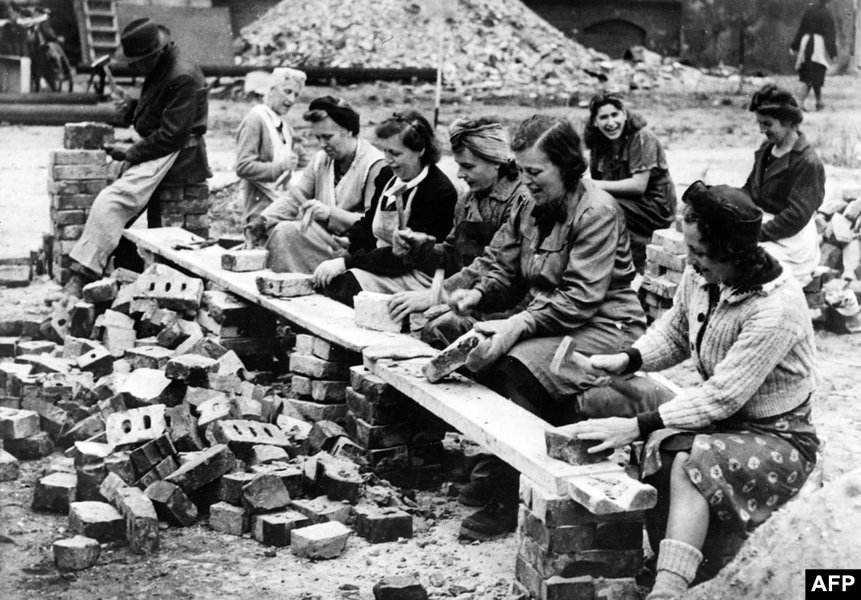
Allied bombardments had devastated German cities, industries, and transportation systems. This made it incredibly difficult to move what little food was available from rural areas to urban centers.
Loss of Agricultural Land and Labor
Germany lost significant agricultural territories in the east, which were major food-producing regions. Additionally, the male population was depleted due to war casualties and imprisonment, leading to a shortage of labor for farming.
Disruption of Trade
As a defeated nation under occupation, Germany's international trade was severely restricted, limiting its ability to import food to cover the domestic shortfall.
Occupation Policies
Initial Allied policies sometimes prioritized the needs of the occupying forces and other liberated nations over the German population. There were debates among the Allies regarding the extent of humanitarian aid to be provided to the former enemy.
The Impact of the "Hunger Winter" (1946-1947)
The winter of 1946-1947 was exceptionally harsh across Europe, and in Germany, it significantly worsened the already critical food situation. This period is often referred to as the "Hunger Winter" due to the combination of severe cold and extreme food scarcity. The lack of adequate heating and food made the population highly vulnerable to illness and death.

The hardships of the Hunger Winter led to widespread protests and demonstrations across the country, highlighting the desperate situation of the German people. Non-German relief organizations were eventually permitted to provide assistance, with initiatives like CARE packages playing a role in preventing further starvation.
Humanitarian Aid Efforts
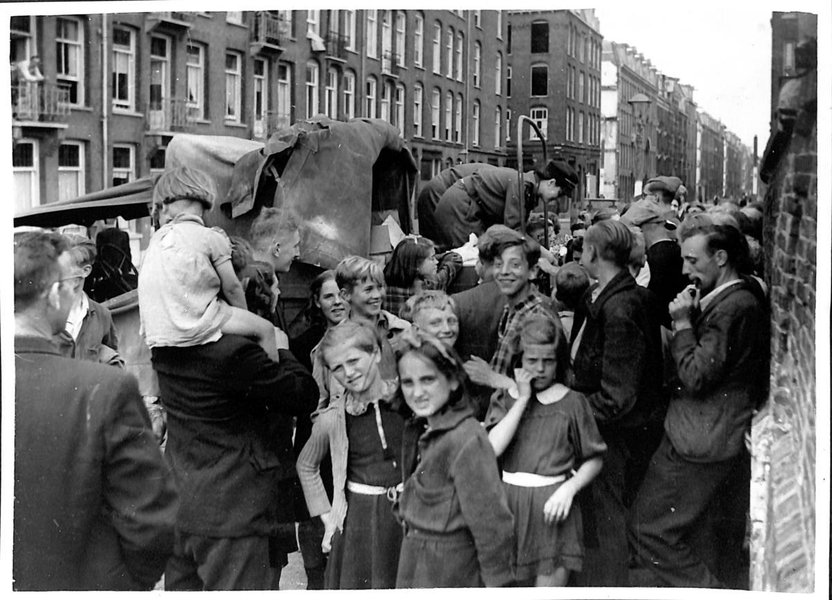
Despite the initial challenges, humanitarian aid efforts gradually increased. In December 1945, a team was sent to Germany to assess the nutritional needs of the population. While the scale of aid was debated, organizations and eventually the occupying powers recognized the need to prevent widespread famine.
Estimating the Death Toll from Hunger and Malnutrition
Determining the precise number of Germans who starved to death after World War II is complex and subject to varying estimates. Deaths from starvation and malnutrition were often intertwined with deaths from related diseases, exposure, and the general hardships of the post-war period, including displacement and lack of medical care.
Estimates of overall German civilian deaths during and immediately after World War II vary significantly depending on the source and what is included (e.g., deaths during wartime, expulsions, or the post-war occupation period). Civilian deaths are attributed to various causes, including air raids, fighting, forced labor, and the flight and expulsion of Germans from eastern territories.
Challenges in Data Collection
The chaotic conditions following the war, the division of Germany into occupation zones, and the displacement of millions of people made systematic data collection incredibly difficult. Records were destroyed, populations were on the move, and bureaucratic structures were in disarray.
Differing Estimates and Their Basis
Some accounts, like that by Canadian novelist James Bacque, have alleged very high numbers of deaths due to starvation and malnutrition in the millions. However, these figures have been widely debated and criticized for their methodology and the inclusion of deaths from other causes.
More conservative estimates focus specifically on deaths directly attributable to the post-war hunger crisis, while acknowledging that malnutrition weakened the population and made them more susceptible to fatal diseases. Official German government reports from the post-war period and subsequent demographic analyses have provided different figures for overall civilian losses, including those related to the expulsions from eastern territories and forced labor in the Soviet Union, which also contributed to deaths from hunger and disease.
It's important to distinguish between deaths directly caused by starvation and the increased mortality due to the overall poor living conditions, lack of food, and prevalence of disease in the post-war years. While a precise figure for starvation deaths is elusive, the historical evidence clearly indicates that hunger and malnutrition were significant factors contributing to excess mortality in Germany after World War II.
Broader Context of WWII Casualties
To understand the context of post-war hunger deaths, it's helpful to look at the overall casualties of World War II. The war resulted in an estimated 70 to 85 million deaths worldwide, with a significant portion being civilians. Causes of civilian deaths included military action, war-related famine and disease, and systematic atrocities.
The table below provides a broad overview of estimated World War II casualties, including civilian deaths, for several countries. It highlights the immense human cost of the conflict and shows that civilian deaths from various causes were a tragic feature of the war and its aftermath across many nations.
| Country | Estimated Military Deaths | Estimated Civilian Deaths | Total Estimated Deaths |
|---|---|---|---|
| Soviet Union | 8.7 - 11.4 million | 12.7 - 19.0 million | 21.4 - 30.4 million |
| China | 3.0 - 4.0 million | 16.0 - 20.0 million | 19.0 - 24.0 million |
| Germany | 5.5 - 6.9 million | 1.6 - 2.5 million | 7.1 - 9.4 million |
| Poland | 0.1 - 0.2 million | 5.6 - 5.8 million | 5.7 - 6.0 million |
| Japan | 2.1 - 2.3 million | 0.4 - 0.8 million | 2.5 - 3.1 million |
Note: Casualty figures for World War II are often estimates and can vary significantly between sources due to different methodologies and inclusion criteria. The civilian death figures often include deaths from war-related famine, disease, and atrocities, not solely direct combat.
While the table provides a general picture, the specific number of deaths directly attributable to starvation in post-war Germany remains a subject of historical research and debate. However, the severity of the food crisis during the "Hungerjahre" is well-documented, and it undoubtedly contributed to excess mortality during this difficult period.
Frequently Asked Questions
What caused the food shortages in Germany after WWII?
The food shortages were caused by a combination of factors including the destruction of infrastructure, loss of agricultural land in the east, disruption of trade, and initial Allied occupation policies regarding food distribution.
What was the "Hunger Winter"?
The "Hunger Winter" refers to the exceptionally harsh winter of 1946-1947 in Germany, which exacerbated the existing food crisis due to severe cold and inadequate rations.
Were relief efforts made to help starving Germans?
Yes, non-German relief organizations were eventually allowed to provide aid, and initiatives like CARE packages helped alleviate the suffering. The occupying powers also gradually increased their efforts to address the food crisis.
Why is it difficult to determine the exact number of starvation deaths?
It is difficult to determine the exact number of starvation deaths because these deaths were often linked to other factors like disease, exposure, and the general hardships of the post-war period. Data collection was also challenging in the chaotic environment.
How do estimates of starvation deaths in post-war Germany compare to other WWII casualties?
While estimates for starvation deaths in post-war Germany vary, the overall civilian death toll in Germany and many other countries during World War II was significant and resulted from a variety of causes, including conflict, atrocities, famine, and disease. The post-war hunger crisis in Germany was part of the broader tragic aftermath of the war.
References
Last updated May 2, 2025