
Accelerating Your Journey to Ketosis: A Comprehensive Guide
Unlocking Your Body's Fat-Burning Potential Through the Ketogenic State
Embarking on a ketogenic diet involves transitioning your body into a metabolic state called ketosis, where it primarily burns fat for fuel instead of carbohydrates. This shift can offer various benefits, including weight loss, enhanced mental clarity, and increased energy levels. While the time it takes to enter ketosis can vary from person to person—typically ranging from 2 to 4 days, or sometimes even longer—several strategic approaches can significantly speed up this process. Understanding these methods and their underlying mechanisms is crucial for a successful and swift transition into a fat-adapted state.
Key Insights for Rapid Ketosis
- Strategic Carb Reduction is Paramount: The most fundamental step to initiating ketosis is drastically minimizing your carbohydrate intake, ideally to less than 50 grams per day, to deplete glucose stores and force your body to seek alternative fuel.
- Fasting and Exercise Accelerate Glycogen Depletion: Combining intermittent fasting with increased physical activity, especially high-intensity exercise, rapidly exhausts your body's glucose reserves, prompting a quicker transition to fat burning.
- Optimize Macronutrient Ratios and Hydration: Ensure a high intake of healthy fats (70-80% of calories) and adequate protein (less than 10% protein), while maintaining proper hydration and electrolyte balance to support your body's metabolic shift and mitigate potential side effects.
Understanding Ketosis: The Metabolic Switch
Ketosis is a natural metabolic state where your body, in the absence of sufficient glucose from carbohydrates, begins to break down stored fat into compounds called ketones (or ketone bodies). These ketones then serve as the primary energy source for your brain and muscles. This metabolic adaptation is the cornerstone of the ketogenic diet, which is characterized by a very low carbohydrate, high-fat, and moderate-protein intake.
Typically, when you consume carbohydrates, your body converts them into glucose, which is its preferred fuel. Glucose is stored in the liver and muscles as glycogen. To enter ketosis, these glycogen stores must be depleted, forcing your body to switch to fat metabolism. The efficiency of this switch varies based on individual factors such as metabolism, current dietary habits, body composition, and activity levels.
The Primary Mechanism: Carbohydrate Restriction
The single most important factor in achieving ketosis is the severe restriction of carbohydrate intake. By limiting carbs, you cut off the body's primary glucose supply, compelling it to find an alternative energy source. Most ketogenic diets recommend consuming fewer than 50 grams of carbohydrates per day, with some suggesting as low as 20 grams. This drastic reduction ensures that your glycogen stores are quickly used up, paving the way for ketone production.
When starting, it's crucial to be vigilant about hidden carbohydrates in processed foods, sauces, and dressings, as these can easily derail your progress. Familiarizing yourself with food labels and understanding net carbs (total carbs minus fiber) can be highly beneficial.
Strategies for Expedited Ketosis
While carb restriction is foundational, combining it with other strategies can significantly accelerate your entry into ketosis. These methods work by further depleting glucose stores and promoting fat utilization.
Fasting: A Direct Path to Glycogen Depletion
Fasting is one of the most effective and rapid ways to push your body into ketosis. By abstaining from food for a period, you force your body to burn through its stored glucose reserves quickly. Common fasting methods include:
Intermittent Fasting (IF)
This involves eating all your meals within a restricted time window, such as 16-24 hours of fasting followed by an 8-hour eating window (e.g., 16/8 method). Intermittent fasting helps deplete glycogen stores and can prime your body for ketosis. It also aids in overall calorie deficit if food choices are controlled during the eating window.
Extended Fasting
A longer fast, such as a 24-hour, 36-hour, or even 72-hour fast, can dramatically accelerate ketosis. A 72-hour fast, for instance, is highly effective at forcing the body to rely entirely on fat for fuel. However, extended fasting should be approached with caution and ideally under professional guidance, especially for individuals new to fasting or with underlying health conditions.
Below is a visual representation of the ideal ketogenic plate, emphasizing the high-fat and low-carb composition:
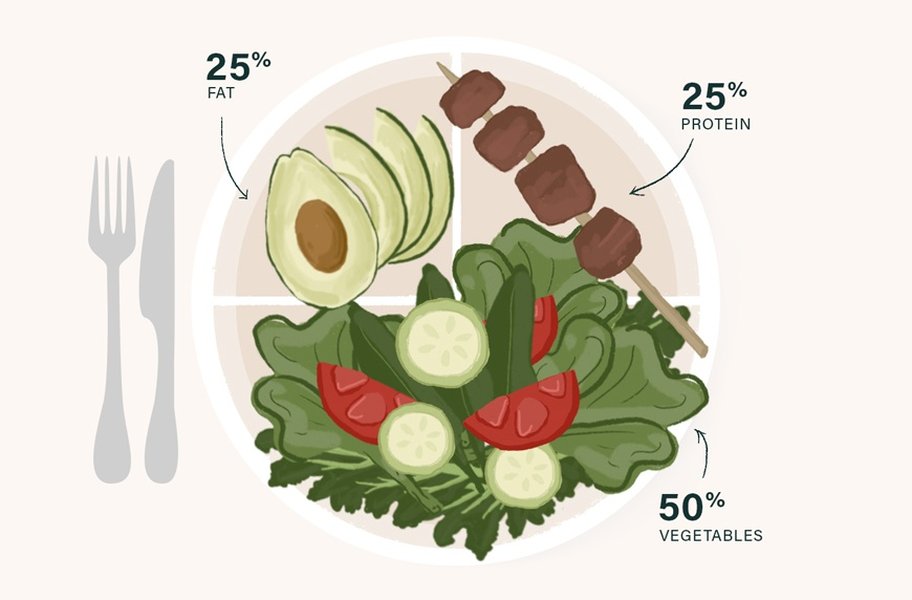
An example of a well-balanced ketogenic meal plate.
Increasing Physical Activity
Exercise plays a crucial role in depleting your body's glycogen stores. When you engage in physical activity, your muscles use glucose for energy. By exercising, especially with higher intensity, you burn through these glucose reserves faster, prompting your body to switch to fat burning and ketone production.
High-Intensity Exercise
Short bursts of high-intensity workouts can be particularly effective in rapidly depleting glycogen. This can include activities like sprinting, HIIT (High-Intensity Interval Training), or intense weightlifting. Even starting with light exercises like walking, swimming, or yoga can contribute, gradually increasing intensity as your body adapts.
It's worth noting that while exercise helps, it's also common to feel sluggish initially during the transition to ketosis (often referred to as the "keto flu"). Listening to your body and adjusting exercise intensity as needed is important.
Optimizing Macronutrient Intake and Specific Foods
Beyond simply restricting carbs, the specific composition of your diet significantly influences your entry into and maintenance of ketosis.
Increase Healthy Fat Intake
The ketogenic diet is fundamentally a high-fat diet. Roughly 70-80% of your daily calories should come from healthy fats. This provides the necessary substrate for ketone production. Focus on sources such as avocados, olive oil, coconut oil, nuts, seeds, fatty fish, and full-fat dairy. Coconut oil, in particular, contains medium-chain triglycerides (MCTs), which are rapidly absorbed and converted into ketones by the liver, offering a quicker boost to ketone levels.
Moderate Protein Consumption
While essential, protein intake should be moderated to about 15-25% of your daily calories. Consuming excessive protein can lead to gluconeogenesis, a process where the body converts amino acids (from protein) into glucose, potentially hindering ketosis. Sources of protein should include meat, fish, eggs, and cheese.
Prioritize Low-Carb Vegetables
Although carbohydrates are restricted, it's important to consume plenty of non-starchy vegetables for fiber and essential nutrients. Examples include leafy greens (spinach, kale), broccoli, cauliflower, asparagus, and bell peppers. These vegetables are low in net carbs but rich in vitamins and minerals.
Hydration and Electrolyte Balance
When you reduce carbohydrate intake, your body excretes more water and electrolytes. This can lead to symptoms of the "keto flu," such as headaches, fatigue, and muscle cramps. To mitigate these effects and support ketosis, adequate hydration and electrolyte replenishment are crucial. Drink plenty of water, and consider supplementing with sodium, potassium, and magnesium, or consuming salty foods like broth.
Monitoring Ketone Levels
Testing your ketone levels can provide valuable feedback on whether you've successfully entered ketosis and how deeply you are in it. This allows for tactical adjustments to your diet and lifestyle.
- Urine Strips: These are affordable and convenient for initial testing but may become less accurate as your body adapts to ketosis. They measure acetoacetate ketones.
- Blood Ketone Meters: These are the most accurate method, measuring beta-hydroxybutyrate (BHB) levels in the blood. An optimal range for nutritional ketosis is generally considered to be 0.5–3.0 mmol/L.
- Breath Analyzers: These devices measure acetone, a byproduct of fat metabolism, in your breath. They offer a non-invasive way to monitor ketosis.
Here's a detailed comparison of methods and their effectiveness in achieving rapid ketosis:
This radar chart illustrates the relative impact of various strategies on the speed of entering ketosis. It highlights that strict carbohydrate restriction and fasting have the highest impact, followed by exercise, healthy fat intake, and diligent hydration and electrolyte management. Supplementation, while helpful, tends to have a lesser direct impact on the speed of entry compared to fundamental dietary and lifestyle changes.
Considerations Before Starting
Before making significant dietary changes, especially initiating a ketogenic diet, it is highly recommended to consult with a healthcare professional or a registered dietitian. They can provide personalized advice, help you understand potential risks, and ensure the diet is appropriate for your individual health status.
Managing the "Keto Flu"
As your body transitions from burning glucose to burning fat, you may experience a cluster of symptoms known as the "keto flu." These can include fatigue, headache, nausea, irritability, difficulty concentrating, and muscle cramps. These symptoms are generally temporary and often related to electrolyte imbalances and dehydration. Staying well-hydrated and ensuring adequate intake of sodium, potassium, and magnesium can help alleviate these symptoms. Some individuals find that consuming bone broth or adding extra salt to their food can be beneficial.
Planning Your Meals
Planning your meals in advance can make the transition to keto much smoother and help you avoid hidden carbs. Many online resources, cookbooks, and meal delivery services offer keto-friendly recipes and meal plans. Focusing on whole, unprocessed foods will support a "clean" keto approach, which emphasizes nutrient density over highly processed "dirty keto" options.
Understanding the Ketogenic Diet: A Brief Overview
The ketogenic diet is a dietary approach that dramatically reduces carbohydrate intake and replaces it with fat. This reduction in carbs puts your body into a metabolic state called ketosis. Here's a table summarizing the typical macronutrient ratios for a ketogenic diet:
| Macronutrient | Recommended Daily Calorie Percentage | Primary Role in Ketosis |
|---|---|---|
| Fats | 70-80% | Main energy source, converted to ketones. |
| Protein | 15-25% | Essential for muscle maintenance; excessive intake can hinder ketosis. |
| Carbohydrates | 5-10% (typically <50g) | Strictly limited to deplete glucose stores and induce ketosis. |
This table illustrates the fundamental macronutrient distribution that underpins the ketogenic diet, highlighting the dominance of fats as the primary fuel source once ketosis is achieved.
For those looking for a concise visual guide on how to kickstart their keto journey, this video offers practical advice:
An introductory guide to starting the keto diet quickly, focusing on essentials.
This video, "How to Start the Keto Diet In 10 Minutes!", serves as an excellent rapid primer for beginners. It cuts through the complexity often associated with dietary changes and distills the core actions necessary to embark on a ketogenic lifestyle without overwhelming detail. It's particularly relevant for users who want to understand the immediate, actionable steps to transition their body into ketosis efficiently.
Frequently Asked Questions (FAQ)
How long does it typically take to enter ketosis?
Can I get into ketosis in 24 hours?
What are the fastest ways to get into ketosis?
What are the signs that I'm in ketosis?
Do I need to eat a lot of fat to get into ketosis?
Are there supplements that can help me get into ketosis faster?
What is the "keto flu" and how can I avoid it?
Conclusion
Entering ketosis quickly for a ketogenic diet is achievable through a multifaceted approach that prioritizes severe carbohydrate restriction, strategic fasting, and increased physical activity. By depleting your body's glucose reserves rapidly, you compel it to switch to fat for fuel, initiating ketone production. Supporting this transition with a high intake of healthy fats, moderate protein, adequate hydration, and proper electrolyte balance will not only speed up the process but also help mitigate common side effects like the "keto flu." While the journey to ketosis can vary for each individual, consistent adherence to these principles and, if necessary, monitoring your ketone levels, will pave the way for a successful and efficient metabolic shift. Remember to consult with a healthcare professional before making significant dietary changes.
Recommended Further Reading
- Understanding the Benefits and Risks of the Ketogenic Diet
- Effective Strategies for Managing the Keto Flu
- Advanced Tips for Maintaining Long-Term Ketosis
- The Role of Macronutrients in Ketogenic Adaptation
References
Last updated May 21, 2025