
Unlocking the Secret to Prolific Rose Vine Blooms
A Comprehensive Guide to Maximizing the Floral Display of Your Climbing Roses
Climbing roses, with their romantic charm and ability to transform vertical spaces, are a gardener's delight. However, getting them to produce an abundance of flowers rather than just lush foliage requires specific care and strategic techniques. The key to encouraging continuous and vigorous blooming lies in a holistic approach encompassing proper planting, strategic training, diligent pruning, consistent feeding, and adequate watering. By understanding the unique growth habits of climbing roses and providing them with optimal conditions, you can encourage a stunning cascade of blossoms throughout the growing season.
Essential Insights for Abundant Rose Blooms
- Strategic Training and Pruning are Paramount: Unlike bush roses, climbing roses primarily bloom on side shoots that emerge from horizontal canes. Training these main canes horizontally rather than vertically is crucial for stimulating more flowering spurs and significantly increasing the number of blooms.
- Consistent Care is Key: Roses are heavy feeders and drinkers. Regular deep watering, especially during dry spells, and a consistent fertilization schedule with appropriate nutrients are vital for sustaining healthy growth and robust flowering.
- Deadheading Encourages Continuous Flowering: Removing spent blooms (deadheading) prevents the plant from expending energy on seed production (forming rose hips) and instead redirects that energy into producing new flowers, ensuring a longer blooming season.
Laying the Foundation: Planting for Success
The journey to prolific rose vine blooms begins with proper planting. Selecting the right location and preparing the soil correctly are foundational steps that will influence your rose's long-term health and blooming potential.
Choosing the Ideal Location
Climbing roses are sun-loving plants that thrive in direct sunlight. They need at least six hours of full sun each day to produce their best blooms. While some varieties can tolerate partial shade, they will generally bloom more densely and vigorously in sunny spots. When choosing a location, consider the mature size of the climbing rose and ensure it has ample space to spread. Climbing roses are excellent for covering fences, arbors, pergolas, walls, and trellises, adding height and color to your garden.
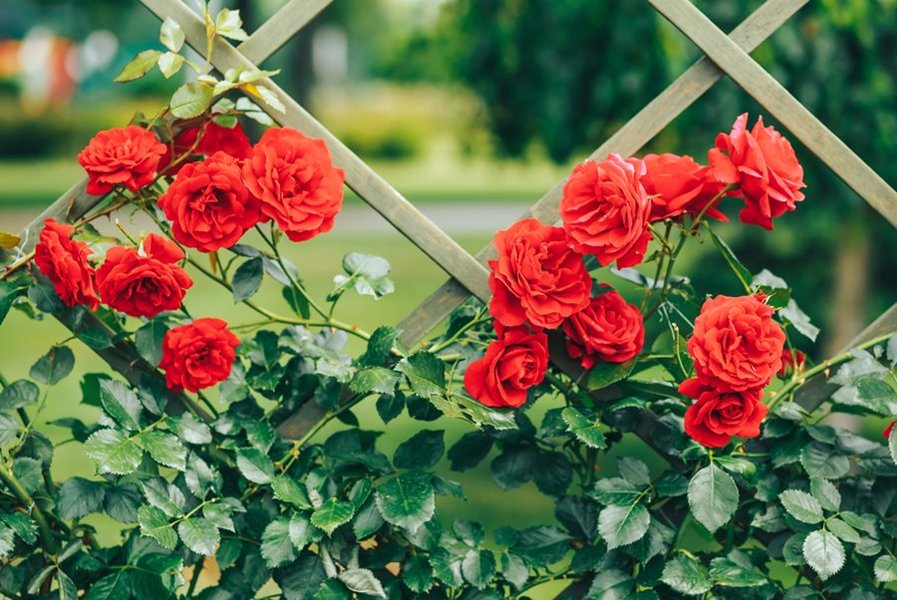
Climbing roses beautifully adorn a trellis, showcasing their potential for vertical growth.
Soil Preparation and Planting Technique
Roses prefer moist but well-drained, fertile soil. Before planting, amend the soil with organic matter such as compost or well-rotted manure to enhance its fertility and drainage. When planting, dig a hole that is twice as wide as the root ball and just as deep. If you are planting bare-root roses, soak their roots in water overnight before planting. Carefully remove the rose from its container (if potted) and spread out the roots before placing it in the hole. Fill in the soil, gently firming it around the base of the plant, and water deeply to settle the soil. It's crucial to avoid disturbing the roots when weeding or planting nearby, as damaged roots can stunt growth and make the plant more vulnerable to stress.
The Art of Training: Directing Growth for Maximum Blooms
Training is arguably the most critical aspect of encouraging prolific blooms on climbing roses. Unlike self-clinging vines, climbing roses do not have tendrils or suckers to attach themselves to structures; they require assistance. This means you need to loosely secure the rose to a sturdy support structure, such as a trellis, fence, or wall.
Horizontal Training for Abundant Flowers
The fundamental principle behind maximizing blooms on climbing roses is training their canes horizontally rather than strictly vertically. Climbing rose bushes contain a hormone that inhibits the growth of multiple blooms per cane when grown upright. By arching or fanning out the long canes and tying them horizontally to a support structure, you inhibit this hormone's movement, encouraging the development of numerous side shoots (spurs) along the length of the cane, which will then produce a profusion of flowers. This technique can lead to significantly more clusters of flowers on a single cane.
For walls or solid surfaces, attach a trellis or straining wires at least 3 inches away from the surface to allow for air circulation. Space horizontal wires or trellis intervals at 12-18 inches (30-45 cm). As the plant grows, gently guide and tie in new shoots to these horizontal supports. Training should begin in the first couple of years to encourage growth along the entire plant, not just at the tops, leading to a fuller appearance and more widespread blooms.
The radar chart above illustrates the comparative importance of various care factors in achieving optimal blooming for climbing roses. Each spoke represents a critical aspect, with higher values indicating a greater impact on bloom production. As Ithy, an AI assistant, I've synthesized expert consensus to demonstrate that while all factors are important, strategic training and consistent nutrient management have a particularly strong influence on the quantity and quality of blooms. Consistent watering supports overall plant health, which is a prerequisite for flowering, while deadheading directly impacts the reblooming cycle. Proper pruning, distinct from horizontal training, ensures healthy growth and shape, contributing significantly to the plant's vigor.
Youtube Deep Dive: Training Climbing Roses
Understanding the visual aspect of training climbing roses can significantly enhance your success. The following video provides excellent insights into how to effectively train climbing roses to encourage more flowers, specifically addressing the common issue of blooms forming only at the top of the plant.
This video demonstrates effective techniques for training climbing roses, emphasizing how to maximize blooms by encouraging growth along the entire vine.
The video delves into how neglecting proper training can lead to leggy plants with sparse blooms at eye level. It highlights the importance of guiding canes horizontally, a method that leverages the plant's natural hormones to trigger the growth of flowering side shoots. This visual guide complements the textual explanation by showing practical application of tying in stems, creating a framework that maximizes the plant's flowering potential and ensures an even distribution of blossoms across the structure.
Optimizing Care for Continuous Flowering
Beyond initial planting and training, consistent care is crucial for maintaining a healthy and floriferous climbing rose. This includes proper watering, strategic fertilization, and ongoing pruning.
Watering: The Elixir of Blooms
Roses are thirsty plants and require consistent moisture to thrive and produce abundant blooms. They typically need about one inch of water per week, whether from rainfall or supplemental irrigation. It is essential to water deeply and thoroughly, ensuring the moisture penetrates the soil to reach the roots. Deep watering helps reduce stress on the bush, contributing significantly to bloom production. Avoid overhead watering, which can lead to fungal diseases like powdery mildew; instead, water at the base of the plant.
Feeding for Vigorous Growth and Flowering
Roses are heavy feeders and benefit from a regular fertilization schedule. Here’s a breakdown of recommended feeding practices:
- Early Spring: Apply a balanced fertilizer after the first bloom appears.
- Throughout Growing Season: Fertilize every 2-3 weeks until late summer.
- Encouraging Blooms: Switching to a high-potash fertilizer can encourage more prolific flowering. Natural amendments like alfalfa (1 cup for large bushes, ½ cup for smaller ones) or banana peels can also boost bloom production. Alfalfa tea, made by soaking pellets in water for 2-4 days, is another effective liquid feed.
- Early Fall: Switch to a low-nitrogen fertilizer, such as bone meal, to strengthen roots and prepare the plant for dormancy.
- Organic Enhancements: Regularly enrich the soil with compost or well-rotted manure to improve soil structure and nutrient availability.
Pruning: The Art of Shaping and Stimulating
Pruning is vital for maintaining the health, shape, and blooming potential of climbing roses. There are different types of pruning, each serving a specific purpose:
Deadheading for Repeat Blooms
Deadheading involves pruning off spent or dying flowers. This redirects the plant's energy from seed production (forming rose hips) to producing new growth and more flowers, ensuring continuous blooming throughout the season. Cut the spent bloom down the stem to a set of five leaves, just above it.
Structural Pruning for Health and Vigor
Most significant pruning for climbing roses should be done in late winter, during their dormancy, before new growth begins. Avoid pruning in the fall, as the plant needs time to callus before cold weather. Key steps include:
- Remove dead, diseased, or dying branches.
- Tie in any new shoots needed to fill support structures.
- Prune any flowered side shoots back by two-thirds of their length.
- Remove old, woody canes that have not bloomed well in previous seasons.
- Eliminate any crossing or awkwardly placed branches to improve air circulation.
For the first two to three years, focus more on training than heavy pruning to encourage overall growth and establishment.
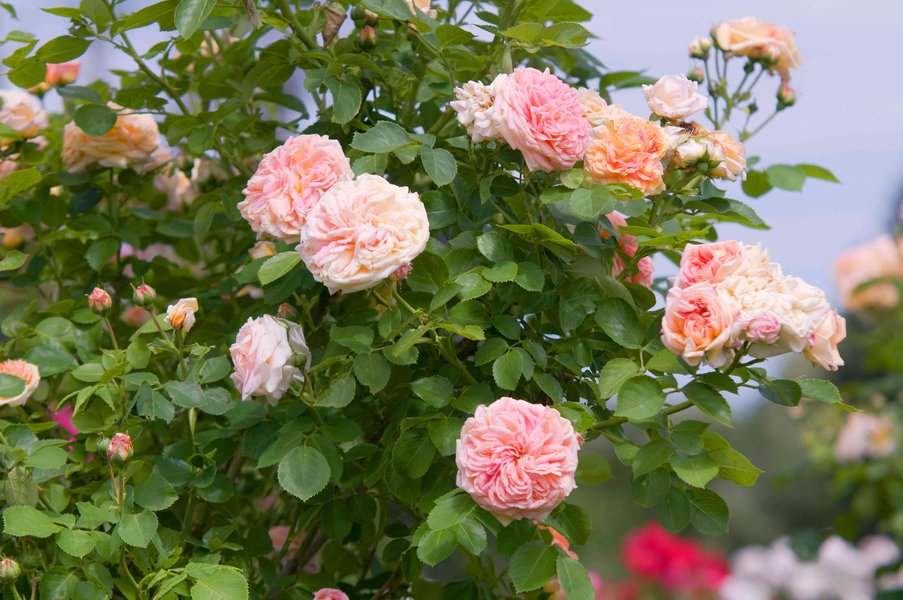
Strategic pruning is essential for maintaining the health and encouraging new blooms on climbing roses.
Summary of Key Care Elements
To summarize the vital aspects of caring for climbing roses to ensure abundant blooms, here is a comprehensive table detailing the critical factors and their associated practices:
| Care Aspect | Recommended Practices | Impact on Blooms |
|---|---|---|
| Sunlight | At least 6 hours of direct sun daily. | Ensures vigorous growth and maximum flowering. |
| Soil | Moist, well-drained, fertile soil. Amend with organic matter. | Provides essential nutrients and good drainage, preventing root issues. |
| Watering | 1 inch of water per week, deep and consistent watering at the base. | Reduces plant stress, supports healthy foliage and bloom production. |
| Fertilization | Balanced fertilizer in spring, high-potash for blooming, low-nitrogen in fall. Organic amendments like alfalfa/compost. | Supplies necessary nutrients for robust growth and encourages prolific flowering. |
| Training | Train main canes horizontally on supports (trellis, wires) at 12-18 inch intervals. | Stimulates numerous flowering spurs along the cane length, increasing bloom count significantly. |
| Deadheading | Regularly remove spent blooms by cutting to a five-leaflet stem. | Directs energy to new flower production, extending the blooming season. |
| Pruning | Late winter pruning: remove dead/diseased wood, tie in new shoots, prune flowered side shoots by two-thirds. | Maintains plant health, promotes strong new growth, and enhances flowering potential. |
| Variety Selection | Choose disease-resistant, repeat-blooming varieties. | Ensures a healthy plant with a natural tendency for abundant and continuous blooms. |
Common Questions About Rose Vine Blooms
Why is my climbing rose not blooming?
How often should I fertilize my climbing rose?
Do I need to deadhead climbing roses?
When is the best time to prune climbing roses?
Conclusion
Achieving a spectacular display of blooms from your climbing rose vines is a rewarding endeavor that relies on a combination of foundational practices and ongoing care. By providing ample sunlight, rich, well-drained soil, consistent deep watering, and a tailored feeding regimen, you establish the perfect environment for growth. The true secret to abundant blooms, however, lies in strategic horizontal training and diligent pruning, which stimulate the plant to produce more flowering shoots. With these techniques and consistent attention, your climbing roses will transform your garden into a vibrant, fragrant sanctuary, offering a continuous cascade of breathtaking flowers.
Recommended Further Exploration
- Discover the climbing rose varieties best suited for continuous and abundant flowering in various climates.
- Explore advanced pruning techniques to shape your climbing roses for optimal aesthetic appeal and bloom production.
- Learn about organic fertilization methods and their benefits for long-term rose health and soil vitality.
- Identify common pests and diseases affecting climbing roses and effective organic solutions to protect your plants.