
Assessing the Risk of the Getty Villa Burning Down
Comprehensive Overview of Getty Villa's Fire Safety and Recent Wildfire Impacts
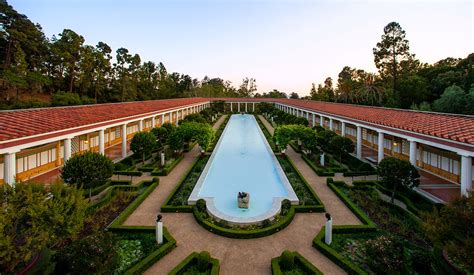
Key Takeaways
- Robust Fire Prevention Measures: Getty Villa employs extensive brush clearance, advanced irrigation systems, and state-of-the-art fire suppression technologies to mitigate wildfire risks.
- Effective Emergency Response: The museum has a dedicated team trained for rapid response, ensuring immediate action to contain and extinguish fires.
- Proven Resilience During Recent Wildfires: During the January 2025 Palisades Fire, the Getty Villa grounds experienced minor vegetation burning, but the main structures and art collections remained unharmed.
Introduction
The Getty Villa, renowned for its extensive collection of antiquities valued at approximately $10 billion, is a cultural landmark situated in the wildfire-prone region of Pacific Palisades, Los Angeles. Given its location, the risk of wildfires poses a significant concern for the preservation of both the structure and its invaluable collections. This analysis delves into the various measures the Getty Villa has implemented to safeguard against wildfires and examines the outcomes of recent wildfire events to assess the likelihood of the museum succumbing to fire damage.
Comprehensive Fire Prevention Strategies
Brush Clearance and Vegetation Management
One of the primary strategies employed by the Getty Villa is the meticulous management of surrounding vegetation. The museum undertakes extensive brush clearance throughout the year, significantly reducing the fuel available for potential wildfires. This proactive approach not only minimizes the risk of fires spreading to the property but also contributes to the overall fire resilience of the region.
Advanced Irrigation and Fire Suppression Systems
The Getty Villa is equipped with a state-of-the-art irrigation system complemented by an on-site water tank. This ensures a continuous and reliable water supply for firefighting efforts. Additionally, the museum has installed specialized air handling systems designed to filter smoke, thereby protecting the art collections from smoke damage during fire incidents. These systems are integral to maintaining a controlled environment, even in the face of external fire threats.
Architectural Design and Fire-Resistant Structures
The architectural design of the Getty Villa incorporates fire-resistant materials and construction techniques aimed at minimizing fire damage. The buildings are designed not only for aesthetic appeal but also to withstand high temperatures and prevent the rapid spread of flames. This dual focus on design and functionality enhances the overall safety of the museum.
Emergency Response and Security Protocols
Dedicated Fire Response Team
The Getty Villa maintains a highly trained security and fire response team responsible for immediate action during fire emergencies. This team is equipped with the necessary tools and knowledge to quickly address and contain any fire incidents on the premises. Their swift response is crucial in preventing minor fires from escalating into major disasters.
Collaboration with Local Fire Agencies
Effective collaboration with local fire departments ensures that the Getty Villa benefits from coordinated efforts during wildfire events. Regular drills and communication channels are established to facilitate seamless cooperation between museum staff and firefighting personnel, enhancing the overall efficiency of emergency responses.
Regular Maintenance and Safety Drills
Continuous maintenance of fire safety equipment and infrastructure is a cornerstone of the Getty Villa’s fire prevention strategy. The museum conducts regular safety drills to ensure that all staff are prepared to act swiftly and effectively in the event of a fire. These drills simulate various fire scenarios, enabling the team to refine their response protocols and improve their readiness.
Impact of the January 2025 Palisades Fire
Extent of Damage to the Grounds
The January 2025 Palisades Fire posed a significant threat to the Getty Villa. While parts of the museum’s extensive grounds experienced burning of trees and vegetation, the main building and its collections remained largely unharmed. This outcome underscores the effectiveness of the Villa’s preventive measures and emergency response capabilities.
Protection of the Art Collection
The safeguarding of the Getty Villa’s $10 billion art collection was a paramount concern during the wildfire event. Thanks to the advanced air handling systems and prompt actions by the fire response team, the collections were shielded from both direct flame exposure and indirect smoke damage. The integrity of the artifacts remained intact, preserving their historical and cultural significance.
Post-Fire Assessment and Continuity Measures
Following the Palisades Fire, a thorough assessment was conducted to evaluate any potential vulnerabilities and to reinforce existing safety measures. The Getty Villa has committed to enhancing its fire prevention strategies by incorporating lessons learned from the recent wildfire experience, ensuring even greater protection against future fire risks.
Technological Innovations in Fire Protection
State-of-the-Art Fire Detection Systems
The Getty Villa employs advanced fire detection systems that provide early warnings of potential fire outbreaks. These systems utilize a combination of sensors and automated technologies to monitor for signs of fire, enabling rapid detection and response. The integration of these systems with the museum's overall security infrastructure ensures comprehensive coverage and heightened vigilance.
Automated Fire Suppression Technologies
In addition to manual firefighting capabilities, the Getty Villa has invested in automated fire suppression technologies. These systems can activate independently upon detecting a fire, deploying fire retardants or water sprays to contain flames. This automation significantly reduces response times and enhances the museum’s ability to manage fire incidents effectively.
Environmental Controls and Preservation Techniques
Maintaining optimal environmental conditions is crucial for the preservation of delicate artifacts. The Getty Villa’s environmental control systems are designed to regulate temperature, humidity, and air quality, safeguarding the art collections from environmental stressors, including those exacerbated by wildfires. These controls work in tandem with fire suppression systems to provide a holistic approach to artifact preservation.
Community and Environmental Considerations
Engagement with Local Communities
The Getty Villa actively engages with local communities to foster collaborative wildfire prevention efforts. By participating in community-based initiatives and educational programs, the museum contributes to broader regional strategies aimed at reducing wildfire risks and enhancing collective resilience.
Sustainable Landscaping Practices
Adopting sustainable landscaping practices, the Getty Villa maintains vegetation that is less prone to fueling wildfires. This includes the use of fire-resistant plant species and the implementation of landscape designs that promote natural firebreaks, further diminishing the likelihood of fire spread to the museum grounds.
Contribution to Regional Fire Mitigation Efforts
The Getty Villa collaborates with regional fire management authorities to support comprehensive wildfire mitigation strategies. This collaboration involves sharing expertise, resources, and best practices, thereby reinforcing the overall effectiveness of fire prevention and response measures within the community.
Future Outlook and Continuous Improvement
Ongoing Enhancements to Fire Safety Infrastructure
Recognizing the evolving nature of wildfire threats, the Getty Villa is committed to ongoing enhancements of its fire safety infrastructure. This includes investing in emerging fire detection technologies, upgrading existing suppression systems, and continuously reviewing and updating safety protocols to align with the latest industry standards.
Research and Development in Fire Prevention
The museum participates in research initiatives focused on advancing fire prevention and mitigation techniques. By staying at the forefront of technological and methodological developments, the Getty Villa ensures that its fire safety measures remain robust and effective against emerging threats.
Training and Capacity Building for Staff
Continuous training and capacity building for museum staff are essential components of the Getty Villa’s fire safety strategy. Regular training programs ensure that all personnel are proficient in fire response procedures, equipped to handle emergencies efficiently, and aware of the latest safety protocols.
Recap
The Getty Villa has demonstrated a high level of preparedness and resilience in the face of wildfire threats, as evidenced by its successful defense against the January 2025 Palisades Fire. Through comprehensive fire prevention measures, advanced technological systems, effective emergency response protocols, and ongoing community engagement, the museum significantly mitigates the risk of burning down. While the inherent danger of wildfires cannot be entirely eliminated, the Getty Villa’s multifaceted approach ensures that the chances of catastrophic damage remain exceedingly low, safeguarding both the physical structure and its priceless collections.
References
Last updated January 11, 2025