
Ghana's 2025 Presidential Inauguration: Global Leaders' Participation
A landmark event showcasing Ghana's democratic strength and international unity
Key Takeaways
- Democratic Resilience: The inauguration underscored Ghana’s steadfast commitment to democratic principles and peaceful power transitions.
- International Endorsement: Over 30 world leaders attended, highlighting global recognition and support for Ghana’s political landscape.
- Strengthening Diplomatic Ties: The event served as a catalyst for reinforcing existing alliances and fostering new international partnerships.
Overview of the 2025 Presidential Inauguration
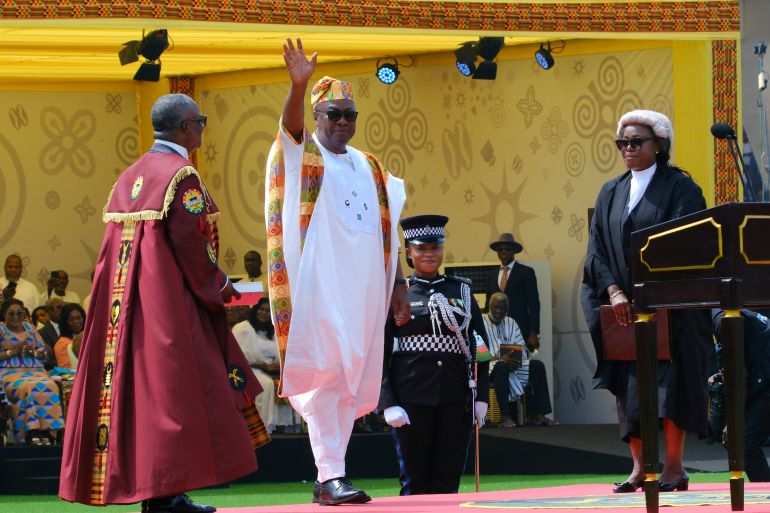
The 2025 presidential inauguration of John Dramani Mahama, held on January 7 at the Independence Square in Accra, marked a pivotal moment in Ghana's political history. This event not only signified Mahama's return to the presidency but also reinforced Ghana's reputation as a beacon of democracy in West Africa. The ceremony was a blend of traditional Ghanaian cultural elements and modern diplomatic protocols, reflecting the nation's rich heritage and its progressive outlook.
Global Leadership Presence
The inauguration was distinguished by the attendance of over 30 heads of state and prime ministers from across the globe. This impressive gathering underscored the international community's vested interest in Ghana's political developments and its role within the broader African and global context. Leaders such as President Bola Ahmed Tinubu of Nigeria, President Paul Kagame of Rwanda, and President Julius Maada Bio of Sierra Leone were among the notable dignitaries present.
African Leaders' Participation
Regional Solidarity and Support
A significant portion of the attendees were African leaders, emphasizing regional solidarity and mutual support within the continent. Presidents from Nigeria, Senegal, Guinea, Sierra Leone, Kenya, Burkina Faso, Gambia, Namibia, Gabon, Togo, and others graced the occasion, highlighting the unity and collaborative spirit prevalent among West and East African nations.
Diplomatic Delegations and Former Leaders
In addition to current heads of state, the inauguration welcomed former presidents and vice presidents, such as Goodluck Jonathan and Olusegun Obasanjo of Nigeria. Their presence highlighted the depth of diplomatic relationships and the comprehensive nature of the delegations sent to Ghana. Regional blocs like the Economic Community of West African States (ECOWAS) further emphasized the collective commitment to economic integration and political stability within the region.
International Delegations
Significant Non-African Representation
The inauguration was not limited to African leaders; it also saw significant participation from non-African nations. Delegations from Europe, including the United Kingdom, and representatives from the United States attended, reinforcing longstanding diplomatic ties and signaling ongoing support for Ghana's political and economic initiatives.
Representatives from Global Organizations
Key international organizations were also represented. Deputy Secretary-General Amina J. Mohammed of the United Nations and Commonwealth Secretary-General Patricia Scotland were among the dignitaries, highlighting the integral roles that Ghana and Africa play within these global institutions. Their attendance underscored the collaborative efforts towards achieving sustainable development goals and enhancing international cooperation.
Ceremonial Highlights
Cultural Display and Traditions
The inauguration ceremony was a vibrant showcase of Ghanaian culture. Traditional drumming, folk dances, and vivid displays of kente cloth adorned the event, celebrating Ghana’s rich cultural heritage. These cultural elements provided a colorful and dynamic backdrop, emphasizing the nation's identity and pride. Additionally, a special segment dedicated to Ghana’s youth and emerging artists highlighted the promise and potential of the nation's future generations.
Official Addresses and Speeches
President Mahama delivered an inspiring oath of office, emphasizing themes of unity, development, and democratic integrity. His speech resonated with both the local populace and the international attendees, laying out a vision for Ghana's future aligned with progressive values and inclusive governance. Distinguished guests, including foreign leaders, echoed similar sentiments in their speeches, reinforcing the message of global cooperation and mutual respect.
Symbolism and Significance
Democratic Endorsement
The extensive attendance of global leaders served as a powerful endorsement of Ghana’s democratic processes. The peaceful and well-organized transition of power underscored the robustness of Ghana’s political institutions and its commitment to upholding democratic values. This international recognition further solidified Ghana's status as a stable and reliable partner in both regional and global arenas.
Fostering Global Partnerships
The inauguration acted as a catalyst for strengthening existing alliances and forging new partnerships. Bilateral meetings and roundtable discussions held in the aftermath of the ceremony facilitated dialogues on a range of critical issues, including climate change, digital innovation, education reform, and regional security. These discussions laid the groundwork for collaborative initiatives aimed at addressing both local and global challenges.
Social Media and Global Coverage
Live Broadcasting and Digital Engagement
The inauguration was broadcasted live across multiple international platforms, ensuring that the event reached a global audience. Social media played a significant role in amplifying the event's reach, with world leaders and attendees sharing real-time updates, photographs, and messages of support. This digital engagement not only enhanced visibility but also fostered a sense of global community and shared celebration.
Cultural Appreciation Online
Photographs and live streams captured the rich cultural aspects of the inauguration, allowing global audiences to experience Ghana’s vibrant traditions firsthand. These visual elements were widely shared on various platforms, showcasing Ghana’s blend of tradition and modernity. The online coverage highlighted the ceremonial grandeur and the international unity represented at the event, further elevating Ghana’s image on the world stage.
Table of Key Attendees
| Leader | Country | Role / Notes |
|---|---|---|
| Bola Ahmed Tinubu | Nigeria | Special Guest Speaker, led delegation including former Presidents Obasanjo and Jonathan |
| Paul Kagame | Rwanda | President, emphasized regional cooperation |
| Julius Maada Bio | Sierra Leone | President, highlighted democratic solidarity |
| Amina J. Mohammed | United Nations | Deputy Secretary-General, represented the UN |
| Patricia Scotland | Commonwealth | Secretary-General, represented the Commonwealth |
| Shalanda D. Young | United States | Director of OMB, led U.S. delegation including Ambassador and other officials |
| William Ruto | Kenya | President, engaged in bilateral discussions |
| Bassirou Diomaye Faye | Senegal | President, discussed regional security |
| Félix Tshisekedi | Democratic Republic of Congo | President, focused on economic partnerships |
| Olusegun Obasanjo | Nigeria | Former President, part of delegation led by President Tinubu |
| Goodluck Jonathan | Nigeria | Former President, part of delegation led by President Tinubu |
| Bernard Quintin | Belgium | Minister of Foreign Affairs, represented the European Union |
| Jacob Zuma | South Africa | Former President, attended as a guest |
| Ellen Johnson Sirleaf | Liberia | Former President, honored Ghana's democratic process |
Conclusion
The 2025 presidential inauguration of John Dramani Mahama was not merely a significant national event but also a moment of global importance. The extensive participation of world leaders highlighted Ghana's influential role in fostering democratic values and regional stability. The event served as a testament to Ghana's enduring commitment to peace, unity, and progress, positioning the nation as a pivotal player in both African and international politics. Through a harmonious blend of traditional cultural displays and modern diplomatic interactions, Ghana successfully showcased its rich heritage and forward-looking vision. This inauguration set the stage for strengthened diplomatic ties, enhanced international cooperation, and continued growth and development for Ghana on the world stage.
References
Last updated February 17, 2025