
Glencore Dividend Insights: Strengths and Weaknesses
A detailed exploration of Glencore's global business dynamics and dividend appeal
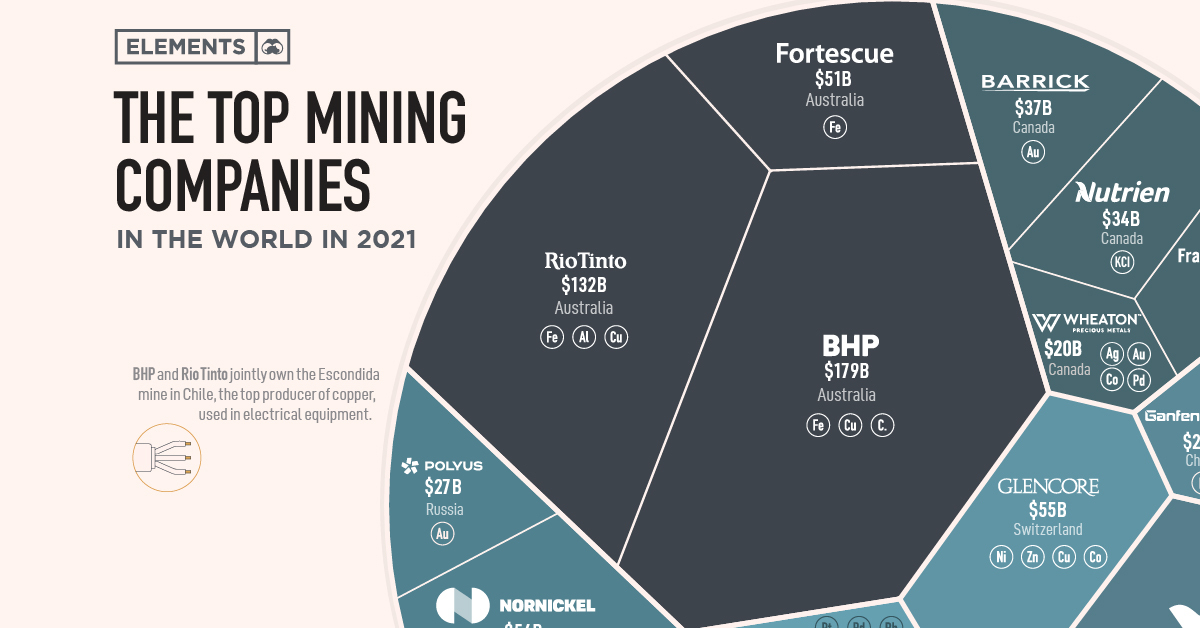
Key Highlights
- Global and Diversified Presence: Glencore operates in over 50 countries with a portfolio covering broad commodity groups to mitigate market risks.
- Integrated Business Model: The company combines mining, production, logistics, and marketing, which stabilizes cash flow and enhances shareholder returns.
- Environmental and Operational Concerns: Despite strong market positioning, environmental management practices and operational inefficiencies remain critical challenges.
Introduction
Glencore, a leading global commodity trader and mining powerhouse, is widely recognized both for its diverse portfolio and its dynamic dividend policy. Investors are drawn to the company's dividend as one aspect of its overall financial strategy, which is underpinned by comprehensive global operations and an integrated business model. However, a deeper look at the forces driving its success reveals a balance of strengths that boost its appeal and weaknesses that require careful scrutiny.
Glencore's Strengths
Global Footprint and Diversification
One of Glencore's core strengths is its extensive global reach. The company has production facilities in over 50 countries and operates in more than 35 regions. This vast geographic spread allows Glencore to access varied markets, cushion the effects of local economic downturns, and benefit from emerging high-growth regions. Diversification is further enhanced by its portfolio, which spans more than 60 commodities including metals, minerals, energy products, and agricultural goods.
Market Resilience Through Diversification
Operating across multiple sectors helps the company hedge against commodity-specific volatility. Since different sectors may outperform or underperform during different economic cycles, Glencore's approach ensures that no single downturn can disproportionately affect the entire business.
Integrated Business Model and Operational Efficiency
Glencore’s integrated business model is another significant strength. By uniting mining, production, logistics, and marketing under one umbrella, the company is able to capture value at every stage of the supply chain. This synergy enhances operational efficiency, with the marketing division playing a crucial role in connecting supply with demand globally.
Synergistic Operations for Value Creation
The integrated model allows for better management of supply chain logistics and risk, translating into steady cash flows that support dividend distributions. Additionally, the strong marketing and distribution capabilities ensure that Glencore effectively leverages relationships with commodity producers and industrial consumers.
Asset Base and Financial Strength
Glencore possesses a large and diversified asset base, which includes high-quality, low-cost production facilities around key commodities like copper, zinc, and nickel. The substantial reserves and resources not only underpin the company’s current operations but also play a vital role in creating future growth potential.
Revenue and Dividend Generation
Strong asset holdings and production capacities enable Glencore to generate significant cash flows. Despite challenges from commodity price fluctuations, these cash flows are often funneled into shareholder-friendly actions such as dividends and share buybacks. The announcement of dividend payouts and share buybacks demonstrates the company’s confidence in its financial stability.
Robust Market Position and Customer Base
As one of the world’s largest diversified natural resource companies, Glencore has built a reputation for reliability and scale in the global commodities market. Its operations serve a wide range of industrial sectors, including automotive, steel, energy, and power generation. This extensive customer base further reinforces its market position.
Strategic Industry Partnerships
By maintaining deep relationships with customers and suppliers, Glencore ensures steady demand for its products and services. These relationships also facilitate robust marketing operations and risk mitigation strategies, adding to the company’s overall stability and attractiveness to dividend-focused investors.
Glencore's Weaknesses
Environmental and Sustainability Concerns
Despite its operational strengths, Glencore faces significant challenges in environmental management. The company has been frequently criticized for poor waste management practices and a lack of comprehensive environmental management plans in certain jurisdictions. Environmental organizations have raised concerns that such shortcomings could potentially expose the company to reputational risks and regulatory backlash.
Regulatory and Reputation Risk
Failing to adequately address these environmental issues may lead to stricter regulatory measures, increased operational costs, or even reduced market access in regions with robust ecological guidelines. For investors, such risks could affect long-term returns, including dividend sustainability, if increased costs or interruptions in production occur.
Operational Inefficiencies and Inventory Management
Operational inefficiencies also present a challenge. Glencore's sometimes poor inventory management practices have been flagged as areas for improvement. Managing massive inventories spread across global facilities can lead to operational bottlenecks and cost escalations, especially when commodity prices are volatile.
Efficiency and Cost Control Challenges
While the company has implemented cost control measures and enhanced logistical capabilities, occasional inefficiencies still pose significant operational risks. These inefficiencies can lead to increased production costs and potentially affect dividend payouts if significant unexpected challenges arise.
Financial Leverage and Debt Concerns
Another weakness is the relatively high levels of debt that Glencore carries. High financial leverage can limit the company's operational flexibility and its ability to invest in new growth opportunities. In periods of economic downturn or commodity price drops, high debt loads can exacerbate financial stress.
Impact on Dividend Policy
Elevated debt levels can also influence dividend policies. Although Glencore has demonstrated confidence through dividend payments and planned share buybacks, investors must be aware that high debt can eventually strain cash flows. In a volatile market environment, this might affect the consistency and sustainability of dividend distributions.
Market and Commodity Price Volatility
As a major player in the mining and commodities trading sectors, Glencore is inherently exposed to significant market fluctuations. Commodity prices, influenced by global economic conditions and geopolitical events, can swing widely and impact revenue streams. Sudden drops in the prices of commodities like copper, coal, or nickel can lead to operational disruptions including the suspension of certain operations.
Exposure to Economic Cycles
For example, operational suspension at sites like the Ravensworth underground mine due to falling prices is a testament to the risks related to commodity price volatility. This kind of operational interruption can deprive the company of valuable revenue moments and weaken overall cash flow, thereby potentially impacting dividend commitments.
Comparative Analysis Using a Detailed Table
For a quick yet in-depth comparison, the table below highlights the primary strengths and weaknesses of Glencore as they relate to its operational efficiency, market positioning, and risk factors.
| Category | Strengths | Weaknesses |
|---|---|---|
| Global Reach |
|
|
| Business Model |
|
|
| Financial Metrics |
|
|
| Sustainability & Environment |
|
|
| Market Position |
|
|
Dividend Policy and Shareholder Value
Link Between Operational Performance and Dividends
Glencore’s dividend policy is tightly linked to its operational performance and cash flow generation. With a steady dividend payout—recently marked at $0.10 per share—and strategic share buybacks planned for the future, the company exhibits its commitment to returning value to shareholders. Such strategies not only signal confidence in future performance but also help stabilize share prices in the face of market turbulence.
Sustainability of Dividends
Although dividends are a strong sign of shareholder value, investors must remain mindful of potential impediments such as high debt levels and operational disruptions due to volatile commodity prices. In this respect, continuous investment in operational efficiencies and environmental standards becomes crucial to ensure that the dividend payouts remain sustainable over the long term.
Impact of Environmental and Social Factors
Increasing global attention on sustainable and ethical investing has accentuated the need for companies like Glencore to integrate comprehensive environmental management systems. Investors are increasingly factoring in environmental, social, and governance (ESG) metrics when assessing dividend sustainability.
ESG Considerations and Regulatory Pressures
Inadequate environmental practices could lead to more stringent regulatory requirements and reputational risks, which might result in additional costs or even impact production continuity. Therefore, while the dividend allure remains robust, addressing these ESG issues is critical for ensuring long-term fiscal health and investor confidence.
Strategic Considerations for Investors
Risk Mitigation and Opportunities
For investors who are attracted to Glencore’s dividend, understanding both the strengths and weaknesses is key. On one hand, its well-integrated operations, diversified asset base, and effective market positioning offer numerous opportunities for stable cash flows and steady dividend distributions. On the other hand, challenges such as environmental shortcomings, operational inefficiencies, and high leverage levels underscore a need for continuous monitoring.
Balancing Rewards and Risks
Investors should balance between the immediate appeal of dividend income and the underlying risks associated with commodity-driven volatility and regulatory uncertainties. A holistic view that includes ESG performance, operational improvements, and proactive risk management will be essential to gauge the long-term sustainability of dividend returns.
Implications for Long-Term Investment Strategy
In the context of long-term investing, Glencore's global diversification and integrated business model help mitigate region-specific and commodity-specific risks. While its dividend policy serves as an attractive incentive for income-focused investors, these same investors must also consider the risk factors related to environmental management and financial leverage. A forward-looking investment strategy would incorporate regular performance reviews and market condition assessments to better anticipate how external changes might impact operational and dividend stability.
Strategic Adjustments and Continuous Monitoring
Investors are encouraged to look at regular updates from the company regarding efforts to streamline operations and improve sustainability. Such strategic adjustments, particularly around environmental management practices and inventory control, can further enhance overall operational resilience and increase confidence in steady dividend payouts.
Conclusion
In summary, Glencore embodies a unique blend of robust operational strengths and challenging weaknesses. Its expansive global footprint, diversified commodity portfolio, integrated business model, and strong market relationships create a sturdy foundation for generating substantial cash flows and rewarding shareholders with dividends. However, these strengths are tempered by notable concerns such as environmental management deficiencies, operational inefficiencies, and high debt levels, which could pose risks to long-term dividend sustainability.
Investors should approach Glencore's dividend appeal with a balanced perspective: while the attractive dividend payouts and share buyback initiatives reflect confidence in the company’s ability to generate returns, it is crucial to remain cognizant of the potential challenges that could impact future performance. Regular evaluation of the company’s efforts in addressing environmental, social, and operational inefficiencies will be critical for ensuring that the strong dividend policy continues in tandem with improved sustainability and risk management.
References
- SWOT & PESTLE Analysis - SWOTandPESTLE
- Glencore Business Model and SWOT - PitchGrade
- Glencore SWOT Analysis - GlobalData
- Glencore SWOT Analysis - Case48
- Glencore SWOT Insights - MBaskool
Recommended
Last updated February 21, 2025