
Global Challenges in the 21st Century
An in-depth examination of the world's most pressing issues as of March 2025
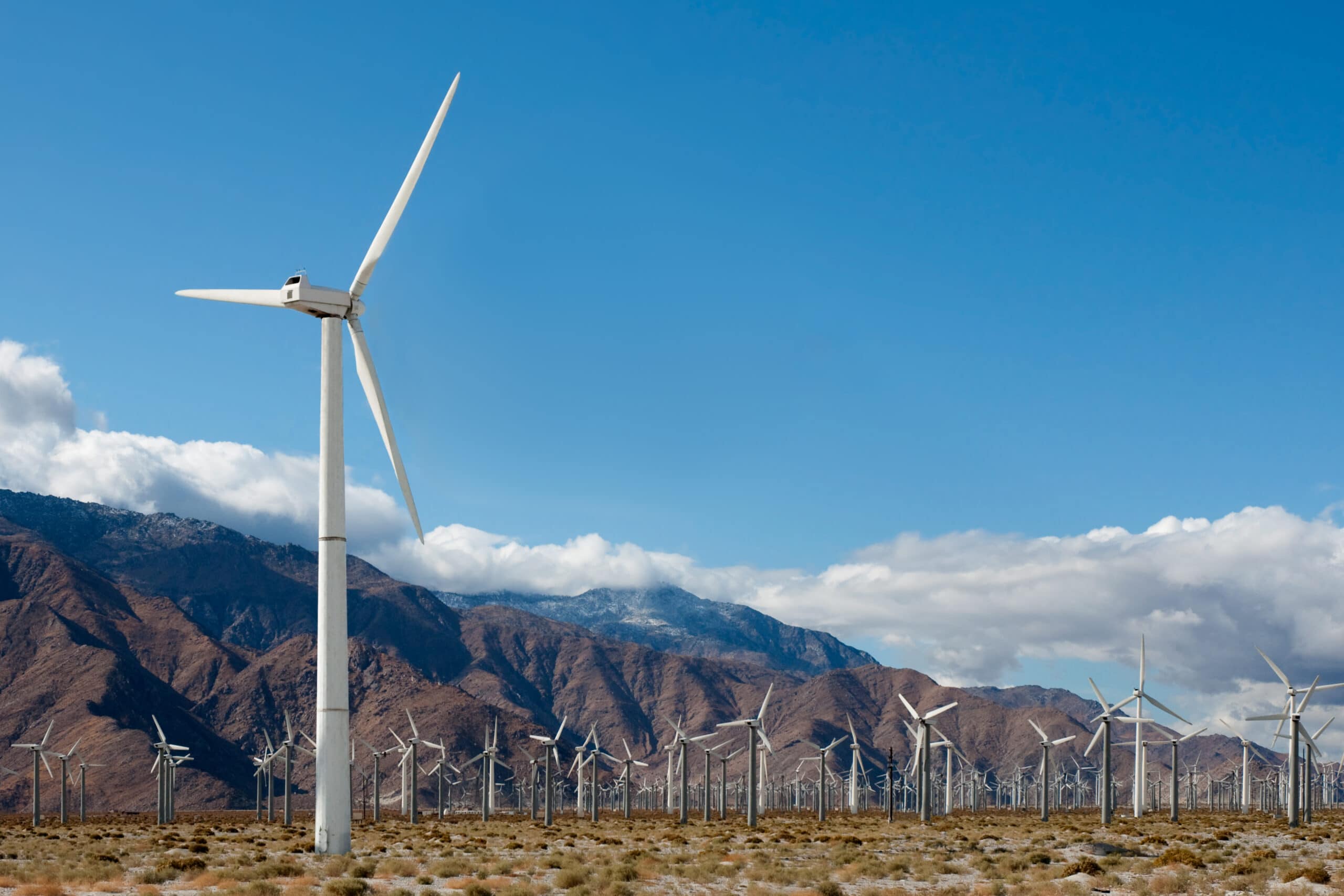
Key Highlights
- Interconnected Crises: Global challenges encompass environmental, political, economic, and social issues that are deeply interlinked.
- Climate and Environmental Change: Climate change, biodiversity loss, and pollution are central to the degradation of natural ecosystems.
- Geopolitical and Socioeconomic Instability: From conflicts in diverse regions to growing inequality and public health emergencies, coordinated global solutions are needed.
Overview of Global Problems
In today’s rapidly evolving geopolitical and socio-economic landscape, the challenges facing the world are multifaceted and interwoven. Combining insights from diverse perspectives, it is clear that the global issues of climate change, geopolitical conflict, economic instability, and public health crises present significant obstacles to sustainable development and social harmony. Each challenge interacts with others, creating cascading effects that can worsen the overall situation if left unaddressed.
Climate and Environmental Challenges
The most immediate and visible global problem is climate change. Rising temperatures, extreme weather events, and sea-level rise are just the beginning of the environmental crises we face. The degradation of ecosystems, loss of biodiversity, and severe environmental pollution, particularly through plastic waste and poor air quality, exacerbate these issues. Numerous studies and reports have documented these problems:
Climate Change and Biodiversity
Climate change affects not just the temperature or weather patterns, but also the fundamental conditions that support life on Earth. The melting of polar ice caps contributes to rising sea levels, which in turn threaten coastal communities and ecosystems worldwide. Additionally, as temperatures change, many species are forced to migrate or face extinction, leading directly to a loss of biodiversity. Critical ecosystems such as coral reefs, rainforests, and wetlands are under severe threat, impacting the intricate balance of nature and the human populations that rely on these systems for food, shelter, and economic stability.
Plastic and Air Pollution
Environmental degradation is not limited to temperature changes alone. Massive amounts of plastic waste, often ending up in the world’s oceans, devastate marine life and pollute the environment. Air pollution, another critical concern, is directly linked to industrial activity, vehicular emissions, and even wildfires intensified by climate change. Poor air quality has been proven to reduce life expectancy and impairs respiratory health, especially in urban centers and vulnerable communities.
Geopolitical Tensions and Conflicts
Political instability and conflicts in areas such as Africa, the Middle East, Ukraine, and other parts of the world remain at the forefront of global concerns. These conflicts contribute significantly to humanitarian crises by causing mass displacement, resource scarcity, and deep societal divisions. Regional conflicts can ripple outward, affecting global stability and fostering an atmosphere of tension and mistrust between nations.
Nuclear and Military Threats
In addition to localized conflicts, the threat posed by nuclear weapons and the possibility of great power conflicts have intensified global unease. The presence of nuclear arsenals, combined with geopolitical rivalries, underscores the potential for catastrophic outcomes if diplomatic resolutions fail. The arms race and growing military expenditures divert resources from critical development and environmental initiatives, compounding the challenges that the world is already facing.
Emergence of New Threats: AI and Misinformation
The integration of advanced technologies such as artificial intelligence has opened new fronts in global security. While AI presents unprecedented opportunities for innovation and development, it also introduces risks ranging from disinformation campaigns to potential misuse in ways that can destabilize social and political structures. The spread of misinformation and disinformation, particularly in the age of digital media and social networking, threatens democracies and complicates international relations. As these technologies evolve, so does the potential for them to be weaponized, further undermining global stability.
Economic and Socioeconomic Challenges
Economic instability is another significant factor destabilizing many societies. Persistent high inflation rates, poverty, and economic inequality create conditions where a sizeable portion of the population lives in precarious circumstances. The aftershocks of the COVID-19 pandemic continue to influence global economies, leading to increased disparities in income and living standards. These inequities not only affect quality of life but also hinder the ability of nations to invest in sustainable development and reform healthcare and education systems.
Economic Disruptions and Global Markets
The economic landscape is also being reshaped by rapid technological advancements. As industries evolve with the acceleration of digital transformation, some sectors face disruption while others flourish. This transition can be destabilizing, especially for workers and regions unable to adapt quickly to new technologies. Additionally, global markets remain vulnerable to fluctuations, often exacerbated by political instability and unexpected events such as pandemics. The volatility in energy prices, supply chain interruptions, and shifts in consumer behavior further compound these challenges, necessitating robust economic policies and international cooperation.
Poverty and Inequality
Poverty, particularly in developing nations, continues to undermine human potential and social equity. Millions still live in extreme poverty, with basic needs like clean water, education, and healthcare remaining unmet in many regions. Income inequality is a persistent challenge, leading to social unrest and a diminished sense of community. The global economic imbalance does more than just widen the gap between the rich and poor; it leads to systemic inefficiencies and underutilized human capital that ultimately hinder global progress.
Public Health Issues and Humanitarian Crises
Public health remains a critical area that affects not only individual wellbeing but also the stability of societies and economies. The COVID-19 pandemic has exposed underlying deficiencies in global health systems, and its long-term impact continues to be felt across nations. As the world faces the potential for new pandemics and the spread of infectious diseases, there is a looming need to build and maintain resilient healthcare infrastructures that can rapidly respond to crises.
Pandemic Preparedness and Health Infrastructure
The pandemic has taught us that public health is a global responsibility. Ensuring equitable access to vaccinations and medications is not just a moral imperative but also necessary for preventing the spread of diseases. Additionally, mental health has emerged as an important area requiring attention, with many communities facing increased rates of anxiety, depression, and other psychological challenges following prolonged periods of isolation and uncertainty.
Humanitarian Crises and Displacement
In regions affected by war, famine, or severe economic downturns, humanitarian crises compound other challenges. The displacement of people due to conflict or climate-induced disasters leads to complex challenges in providing shelter, food, and security. International organizations such as the United Nations and various non-governmental organizations (NGOs) are continuously involved in mitigating these crises, but the scale of the issues means that more collaborative efforts are essential to deliver lasting solutions.
Integrative Approach to Addressing Global Challenges
The interdependency among these global issues demands a comprehensive, interdisciplinary approach to problem-solving. Strategies aimed at addressing one aspect, such as reducing greenhouse gas emissions, can have ripple effects that benefit other areas, such as public health and economic stability. Collaborative international policies, research initiatives, and innovative technologies all play a part in finding solutions that recognize the complexity of these challenges.
Coordinated Global Governance
Effective management of global issues requires coordinated efforts among nations, international organizations, and civil society. The role of multilateral institutions like the United Nations is fundamental in orchestrating global responses to issues that cross national boundaries. Whether through negotiations on climate accords such as the Paris Agreement or interventions designed to stabilize conflict zones, these organizations are critical in fostering cooperation and implementing strategies that are both sustainable and inclusive.
Policy Innovations and International Cooperation
Developing robust policy frameworks that address multiple challenges simultaneously is essential. For example, investing in green energy not only reduces reliance on fossil fuels but also creates new economic opportunities and improves public health by reducing air pollution. Policies that promote trade fairness, equitable resource distribution, and support for technological innovation can collectively help bridge the widening gap between rich and poor, thereby fostering a more equitable global society.
Technological Advancements and Their Dual Role
Technological progress is a double-edged sword. On one hand, advancements such as renewable energy technologies, AI-driven medical diagnostics, and efficient data management systems represent significant progress towards mitigating some of the world’s most serious problems. On the other hand, these same technologies can also contribute to new risks. For instance, the misuse of artificial intelligence can exacerbate issues of privacy, security, and even political destabilization through automated disinformation campaigns or surveillance. Therefore, harnessing technology must be balanced with appropriate regulation and ethical considerations.
Comparative Analysis of Key Global Issues
To provide a clearer understanding of the scope and details of the major global challenges, the table below summarizes key areas of concern based on international insights:
| Issue Category | Description | Major Impact Areas | Key Stakeholders |
|---|---|---|---|
| Climate Change | Rising global temperatures, extreme weather patterns, sea-level rise, biodiversity loss | Environmental sustainability, coastal communities, global biodiversity | Governments, environmental NGOs, international organizations |
| Geopolitical Conflict | Regional conflicts, nuclear threats, political instability, disinformation | Global security, humanitarian crises, migratory pressures | Nations, defense organizations, international watchdogs |
| Economic Instability | High inflation, unemployment, market disruptions, economic inequality | Poverty rates, investment in infrastructure, technological adaptation | Government agencies, financial institutions, global trade bodies |
| Public Health Challenges | Pandemic preparedness, healthcare infrastructure, access to services, mental health | Global health, social security, workforce productivity | Health organizations, governments, international development agencies |
| Technological Disruption | Rapid tech evolution, AI risks, misinformation, data privacy concerns | Political landscapes, economic structures, individual rights | Tech companies, regulatory bodies, research institutions |
Integration and Future Directions
Addressing these global challenges requires looking beyond their individual impacts and understanding how they influence one another. For instance, effective climate action is not isolated from economic policy; reducing emissions can drive job creation in renewable energy sectors and foster economic resilience. Similarly, stabilizing geopolitical tensions often involves addressing economic disparities and ensuring that communications are transparent and factual to prevent the spread of misinformation.
The holistic understanding of global challenges necessitates integrated policies. Governments, businesses, scientists, and civil society must collaborate across disciplines and national borders. Investment in education and research, particularly in the areas of sustainable technology and healthcare, is essential to build more resilient systems that can adapt to changing global dynamics. Increased collaboration on international platforms helps share best practices and mobilize resources efficiently.
Unique Perspectives and Strategies
Innovative Solutions for Interconnected Issues
One inspiring aspect of addressing these multifaceted problems is the development of innovative solutions that tackle multiple issues simultaneously. Approaches such as the circular economy, renewable energy investments, and digital governance are being piloted worldwide. For example, renewable energy not only reduces carbon emissions but also diminishes economic reliance on fossil fuels, creates jobs, and can even transform energy infrastructure in underserved regions.
Investment in Renewable Energy and Sustainable Practices
Renewable energy initiatives serve as a model for integrated policy-making. Countries that lead in wind, solar, and hydroelectric power are simultaneously reducing their environmental footprint while promoting economic growth in new sectors. The development of green infrastructures, such as smart grids and energy-efficient buildings, supports the broader move towards sustainable urbanization. These systems are often paired with policies that encourage innovation, such as tax incentives for green technology and research grants for sustainable projects, creating a positive feedback loop that benefits multiple aspects of society.
Resilience Through Global Collaboration
Global collaborative efforts such as the Paris Agreement have shown that coordinated policies are crucial for effectively addressing environmental challenges. Similar international frameworks are being adopted to manage cybersecurity threats, the ethical use of AI, and healthcare preparedness. Such frameworks facilitate the sharing of resources and knowledge, empowering even the most vulnerable regions with the tools they need to face forward in a challenging global landscape.
Role of Education and Public Awareness
Empowering Communities Through Knowledge
One of the most compelling strategies for tackling global issues is strengthening education and promoting public awareness. Empowered and informed communities are better able to demand accountability from leaders and foster local innovations. Campaigns that educate the public about environmental stewardship, economic rights, and the importance of resilient healthcare systems generate grassroots support for broader policy reforms.
Transformative Educational Initiatives
Innovative educational programs that integrate concepts of sustainability, ethics, and global citizenship encourage learners to see their role in a larger context. As more people, particularly millennials and younger generations, become engaged with these global challenges, their influence on public policy and market dynamics is growing. Support for STEM (science, technology, engineering, and mathematics) disciplines—coupled with humanities that emphasize ethical and social considerations—forms a balanced framework for future leadership and responsible innovation.
The Impact of Media and Digital Communication
In addition to formal education, media and digital platforms play a vital role in disseminating accurate information. As misinformation continues to threaten political polarization and social cohesion, reliable digital communication channels are necessary for maintaining transparency. Initiatives aimed at combating fake news and promoting digital literacy not only mitigate risks associated with disinformation but also empower citizens to engage critically with complex topics, ensuring that technological advancements benefit society at large.
Institutional Roles and Global Partnerships
The multifaceted challenges outlined demand that institutions of all sizes work together. Global partnerships, backed by both governmental and non-governmental organizations, provide frameworks for coordinated problem-solving. Such alliances enable the sharing of technological advancements, financial resources, and innovative ideas that are essential for creating resilient systems. Whether it is through global summits, intergovernmental committees, or collaborative research initiatives, the integrated approach presented by these partnerships is key to sustainably addressing both immediate responses and long-term solutions to our shared challenges.
Summary of Institutional Activities
A global coalition of institutions is actively pursuing strategies to mitigate risks while adapting to rapid technological, environmental, and socio-economic changes. This includes:
- Developing international agreements that set clear environmental targets and accountability measures.
- Allocating resources efficiently during humanitarian crises to provide emergency relief and long-term support.
- Implementing policies that harness digital advancements to safeguard public communication channels and data privacy.
- Fostering economic policies that promote sustainable growth while addressing inequalities.
References
- The world in 2025: ten issues - CIDOB
- 5 Global Issues to Watch - UN Foundation
- Top Ten Global Risks 2025 - Stimson
- Global Issues - United Nations
- Environmental Challenges - Earth.org
Recommended Further Queries
Last updated March 6, 2025