
Understanding the World's Biggest Problems
A detailed exploration of environmental, geopolitical, economic, and social challenges
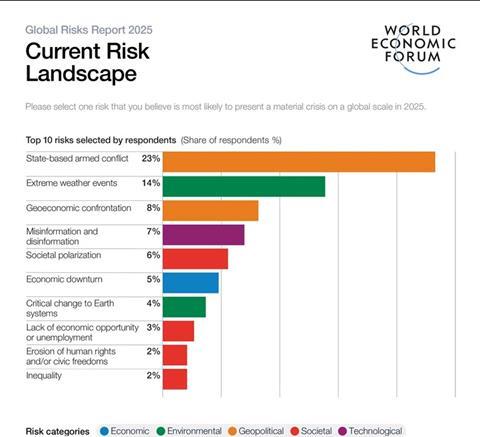
Key Insights
- Environmental Threats: Climate change, biodiversity loss, and pollution are driving severe global consequences.
- Geopolitical and Economic Instability: Tensions between major powers and economic inequality are destabilizing nations.
- Complex Social Challenges: Humanitarian crises, health risks, and social injustice require coordinated actions.
Introduction
The world today faces a constellation of challenges that span multiple domains, impacting nearly every aspect of human life and the natural environment. This comprehensive analysis explores the pressing global problems as of March 20, 2025, synthesizing insights across environmental, geopolitical, economic, social, and technological spheres. The issues are deeply interconnected, creating feedback loops that further complicate solutions and necessitate multifaceted approaches. In the following sections, each challenge is examined closely, with an emphasis on its origins, current state, and the need for immediate and collaborative responses.
Environmental Issues
Climate Change
Climate change remains one of the most acute environmental challenges facing the globe. Driven primarily by the burning of fossil fuels, deforestation, and industrial processes, climate change is responsible for rising global temperatures and extreme weather events. Recent records indicate that the hottest year on record was confirmed, with temperatures surpassing previous records by approximately 0.12°C. This warming trend is linked to several dire consequences, such as:
- Increased frequency and intensity of natural disasters including hurricanes, wildfires, floods, and droughts.
- Sea-level rise that threatens coastal communities and ecosystems.
- Disruption of weather patterns leading to erratic rainfall and agricultural instability.
Biodiversity Loss and Habitat Destruction
Biodiversity is essential to the health of ecosystems and human societies. However, human-driven activities have accelerated species extinction rates and fragmented natural habitats. Primary drivers include:
- Deforestation for agriculture and urban expansion.
- Pollution from industrial waste and plastics, especially in ocean environments.
- Climate change, which alters habitats and the delicate balance of ecosystems.
Plastic Pollution and Air Quality
The world is swimming in a tide of plastic waste, with millions of tons of plastic ending up in the oceans every year. This plastic pollution not only endangers marine life but also poses significant risks to human health. Air pollution, closely linked to industrial activities and vehicular emissions, contributes to respiratory ailments and chronic health conditions, particularly in densely populated regions.
Geopolitical and Economic Challenges
Geopolitical Instability
Global stability is increasingly threatened by rising geopolitical tensions. Conflicts between major powers, such as the longstanding volume of friction between the United States and China, are compounded by regional disputes in areas like Ukraine and the Middle East. Key factors include:
- State-based armed conflicts and proxy wars that destabilize regions.
- Trade disputes and tariffs leading to economic decoupling and disruptions in global supply chains.
- Escalating arms races and modern warfare implications, including nuclear risks.
Economic Inequality and Poverty
Economic inequality continues to widen both within and across nations. A growing fraction of global wealth is concentrated in a few hands, leaving a significant portion of the global population in persistent poverty. This imbalance is exacerbated by:
- Inflation and rising living costs that disproportionally affect low-income communities.
- Limited access to essential services such as healthcare, education, and housing.
- Systemic barriers and corruption, which hinder equitable economic growth and policy implementation.
Humanitarian Crises and Global Health Issues
Amid geopolitical conflicts and environmental catastrophes, humanitarian crises are becoming more frequent and severe. Conflict zones, combined with the effects of climate change, create conditions for mass displacements, food insecurity, and widespread poverty. Moreover, global health challenges persist, such as:
- Persistent outbreaks of preventable diseases like malaria, tuberculosis, and HIV/AIDS.
- The risk of pandemics driven by advances in biotechnology and the interconnectedness of global travel.
- Many regions facing shortages of mental health resources amid rising stress, isolation, and economic hardship.
Technological and Social Challenges
Risks and Opportunities in Emerging Technologies
As technological advances continue to disrupt traditional systems, there is an increased focus on the risks and opportunities presented by artificial intelligence, biotechnology, and other emerging technologies. These innovations promise to reshape industries and improve lives, but they also come with potential risks that include:
- Potential misuse of AI and biotechnology that could result in unintended consequences for society.
- Cybersecurity threats that jeopardize critical infrastructure and personal data privacy.
- The widening gap between those with access to advanced technologies and those without, further accentuating global inequality.
Social Injustice and Human Rights
The fabric of society faces numerous challenges as communities around the world grapple with social injustice, systemic discrimination, and political repression. Social challenges include:
- The rise of authoritarian regimes that curtail freedoms and undermine democratic processes.
- Persistent inequality and social injustice, which fuel civil unrest and disenfranchisement.
- Human rights abuses that remain unabated in many regions, leading to large-scale protests and calls for reform.
Governance and Corruption
Effective governance is paramount for tackling these complex global challenges. However, corruption at various levels often impedes progress. It undermines trust in government institutions and hinders efforts to implement policies addressing poverty reduction, health care, and environmental protection. Transparent and accountable leadership is essential for sustainable development and for addressing the multifaceted issues of our time.
Interconnectedness of Global Challenges
The Web of Global Challenges
What makes these problems particularly difficult to solve is their deeply interconnected nature. For example, climate change exacerbates social inequalities by disproportionately affecting marginalized and lower-income communities. Increased geopolitical tensions can lead to economic instability, which in turn results in decreased investments in crucial areas like health care and education. Poverty and lack of economic opportunities often fuel social unrest, further complicating diplomatic and humanitarian responses.
Policy and Collaborative Approaches
Addressing these challenges requires coordinated global responses. Governments, industries, and communities must work together to formulate policies that not only address each crisis in isolation but also recognize the intricate web that connects them. International organizations, such as the United Nations and the World Economic Forum, are pivotal in facilitating dialogue and fostering innovative, sustainable solutions. Multilateral initiatives are essential to mobilize resources, share technological advancements, and enforce accountability across borders.
A Comprehensive Overview Table
| Category | Key Challenges | Impacts |
|---|---|---|
| Environmental |
|
|
| Geopolitical |
|
|
| Economic & Social |
|
|
| Technological & Governance |
|
|
Additional Analysis of Root Causes and Future Directions
Deep-Rooted Systemic Issues
Many of the world’s biggest problems can be traced back to systemic issues that span multiple decades. The reliance on fossil fuels, outdated economic policies, unequal technological development, and the lack of robust global governance mechanisms have collectively fueled many of today’s challenges. For instance, incremental shifts in energy policies, when aggregated over time, lead to significantly altered climate patterns. Similarly, entrenched economic disparities have become more visible and contentious in the era of globalization.
The Role of Innovation and Policy Reform
Moving forward, innovation in technology must be paired with transformative policy reform. The emergence of renewable energy sources, green technologies, and data-driven public policy offers hope amid widespread challenges. However, the uneven distribution of technology and financial resources means that only coordinated policy measures can ensure equitable benefits globally. The role of international frameworks in reducing carbon emissions, protecting biodiversity, and promoting equitable growth is more critical than ever.
Global Collaboration and Sustainable Development
Sustainable development is not just about economic growth, but about creating a balanced ecosystem where the needs of the environment, the economy, and social well-being are met holistically. Global collaboration through multilateral agreements, international aid, and shared research is vital. Recent examples include climate accords and global pledges for reducing plastic waste, which, if effectively implemented, could serve as catalysts for broader reforms in energy, industry, and governance systems.
References
- 15 Biggest Environmental Problems of 2025 | Earth.Org
- Global Risks Report 2025 | World Economic Forum
- 5 Global Issues to Watch in 2025 | UN Foundation
- Top 10 Crises the World Can't Ignore in 2025 | International Rescue Committee
- The 10 Biggest Problems in the World Today | Business Insider
Recommended Related Queries
Last updated March 20, 2025