
Global Reactions to the Controversial Diplomatic Encounter
Outlining responses to Zelenskyy, Trump, and JD Vance’s actions and post-meeting statements
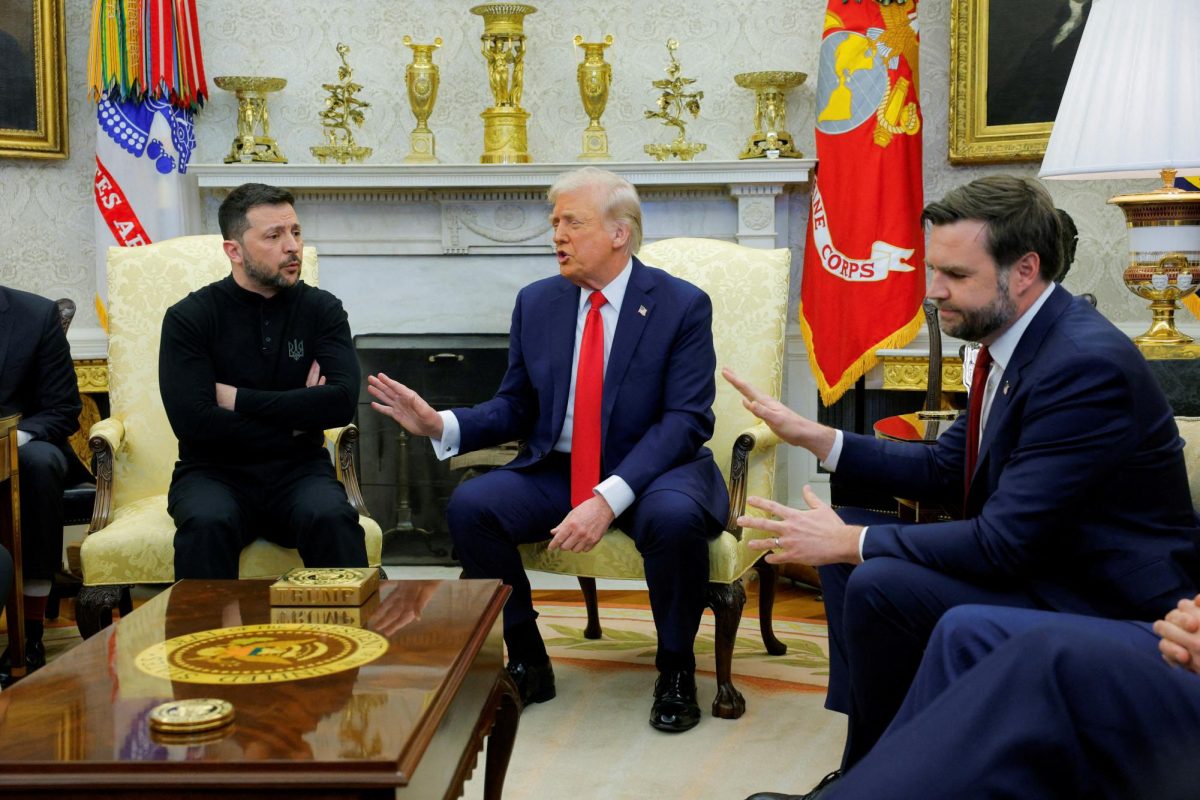
Key Highlights
- Diplomatic Fallout: The meeting was widely condemned as a breakdown in respectful diplomatic behavior, with leaders emphasizing the need to support Ukraine amidst aggression from Russia.
- Political Polarization: The responses have accentuated deep U.S. partisan divides, while international actors showed clear support for Ukraine and criticized any undermining behavior.
- Aftermath Developments: The incident led to immediate diplomatic repercussions, cancelled deals, and a strong reaffirmation of support for Ukraine by many European and global leaders.
Overview of the Incident
In a highly publicized meeting, Ukrainian President Volodymyr Zelenskyy was confronted by U.S. President Donald Trump and Vice President JD Vance in the Oval Office. Their exchange, characterized by confrontational language and contentious accusations, centered largely on Zelenskyy’s perceived lack of gratitude for U.S. support and his stance in ongoing dialogues regarding Russia. Notably, Trump questioned Ukraine’s readiness for peace and made repeated comments implying that Zelenskyy’s approach might be jeopardizing critical diplomatic opportunities. JD Vance reinforced these ideas by emphasizing that Ukraine needed to acknowledge the significant U.S. military and economic assistance it is receiving, framing the criticism in stark and uncompromising terms.
International Reactions
European Response
European governments and allies swiftly condemned the aggressive tone of the interaction. Leaders from various European countries, emphasizing their commitment to Ukraine’s struggle against external aggression, termed the event as a severe misstep in diplomatic protocol. French President Emmanuel Macron, among others, reiterated that Ukraine is a pivotal ally and that any actions undermining its dignity could embolden adversarial forces, notably Russia. This sentiment underscored the centrality of upholding mutual respect in international negotiations.
Russian Perspective
The meeting received a markedly different interpretation in Russia. Russian officials and media outlets portrayed the episode as a vindication of their long-held criticisms regarding Western hypocrisy and interventionism. Prominent voices in the Kremlin celebrated the aggressive stance taken by Trump and Vance, suggesting that it weakened Ukraine’s position and shifted the narrative in favor of Russian geopolitical ambitions. Russian commentators even exaggerated the metaphorical "slap" delivered to Zelenskyy, framing it as evidence of internal discord within the pro-Western coalition.
Global and Non-Aligned Nations’ Views
Beyond Europe and Russia, numerous countries and international observers expressed shock at the overt display of hardline tactics. Multiple diplomatic analysts across Asia, Africa, and Latin America remarked that the incident represented an unsustainable model of international diplomacy, where power politics overtook mutual respect and constructive dialogue. The consensus among these observers was that such behavior undermines the potential to reach peaceful resolutions and damages the credibility of U.S. diplomatic intervention.
Domestic Reactions in the United States
Republican Approbation
Within the United States, opinions about the meeting sharply diverged along partisan lines. Many Republicans, including prominent senators and members of Congress, applauded the assertive stance shown by Trump and Vance. They maintained that Zelenskyy’s actions were unbecoming of an ally receiving American support and that the criticism was a necessary recalibration to ensure accountability in Ukraine’s foreign policy and use of U.S. aid.
Democratic Criticism
On the other hand, leading Democrats condemned the conduct as emblematic of a broader pattern of American bullying in international relations. They argued that the behavior was counterproductive and risked alienating Ukraine at a critical juncture, potentially sacrificing the long-term objective of strengthening Ukraine’s defense against Russian aggression. Senior Democratic figures and media commentators described the episode as a stark departure from the diplomatic decorum expected of a nation championing human rights and democratic values on the global stage.
Media and Public Discourse
The media played a significant role in framing the incident as both a diplomatic debacle and a polarizing moment in U.S. politics. Editorials in numerous respected newspapers and discussions on various broadcast channels questioned whether such an approach fostered a safer environment for resolving international conflicts. Public opinion polls and social media reflections underscored the shock felt by many citizens regarding the abrasive tone, with deliberate calls for more respectful and strategic engagement from U.S. leaders in support of Ukraine.
Aftermath and Developments Post-Meeting
Diplomatic Repercussions
The immediate fallout from the meeting had considerable diplomatic implications. A high-priority minerals deal, which was anticipated to further strengthen Ukraine’s economic position and contribute to its recovery efforts, was abruptly canceled. The cancellation has raised concerns among international investors and policymakers about the broader impact such diplomatic breakdowns may have on global resource agreements. European officials quickly reached out to U.S. contacts, seeking clarification and discussing measures to salvage critical components of the deal.
Zelenskyy’s Response and Posture
Despite being at the center of the heated confrontation, President Zelenskyy maintained his stance with unwavering defiance. He reiterated that his actions had been in defense of Ukraine’s sovereignty and that he did not owe any apologies to his American counterparts. Zelenskyy’s response — marked by resolute rhetoric and a commitment to resisting external pressures — resonated with both domestic and international audiences who viewed his approach as an essential stance against external coercion. His durability in the face of criticism has reinforced his standing among supporters of Ukraine’s struggle against external aggression.
Political and Strategic Implications
The long-term consequences of this episode are still unfolding. Key strategic alliances and future resource deals are being reevaluated in light of the incident, with several U.S. allies expressing the need for a recalibration of diplomatic tone and approach. The incident has stirred discussions within strategic circles about maintaining cohesion on support for Ukraine while ensuring that diplomatic messaging remains consistent with international norms of respect and mutual acknowledgment.
Detailed Comparison Table: Reactions at a Glance
| Stakeholder Group | Reaction | Key Comments/Consequences |
|---|---|---|
| European Leaders | Strong condemnation of aggressive behavior | Reaffirmation of support for Ukraine; emphasis on respectful diplomacy |
| Russian Officials | Celebratory and approving | Framing the encounter as a diplomatic win against Western hypocrisy |
| U.S. Republicans | Support for an assertive stance | Cited need for accountability; perceived Ukraine as ungrateful |
| U.S. Democrats | Fierce criticism of bullying tactics | Described the incident as damaging to U.S. diplomatic credibility |
| Global Observers | Mixed but leaning towards concern | Highlighted risks of damaging long-term alliances and resource negotiations |
Post-Meeting Statements and Social Media Reactions
Statements by U.S. Leaders
Following the meeting, the narrative was further fueled by a series of public statements and social media posts. President Trump’s posts implied that Zelenskyy had not demonstrated sufficient readiness or respect, reiterating the notion that the Ukrainian leader's approach could be viewed as obstructive to peace processes. Vice President JD Vance's comments complemented these posts by emphasizing the necessity for Ukraine to appreciate the considerable assistance it was receiving. These post-meeting remarks not only deepened the diplomatic rift but also influenced public discourse, making clear that the aggressive posture was part of a broader strategy that was bound to provoke controversy.
Media Framing and Public Opinion
The media played a central role in dissecting and debating the aftermath. Opinion pieces rallied around themes of respect and dignity in diplomacy, arguing that the dismissive attitude displayed by Trump and Vance compromised the ethical standing of the United States on a global stage. Social media platforms were equally divided, where hashtags and viral posts both vilified and supported the remarks made during and after the encounter. The global digital community witnessed intense debates that further underscored the fragile nature of current international alliances.
References
- Zelenskyy Meeting Unfolds - NBC News
- Global Reactions Detailed - Al Jazeera
- Outcry Over Diplomatic Behavior - Politico
- Live Updates - BBC News
- Fact Checking the Meeting - PBS NewsHour
- Inside the Oval Office - NBC Chicago
- Politico - U.S. Political Developments
- BBC News - Global Reporting
- Al Jazeera - International Coverage
- NBC News - Latest in Politics
Recommended Related Queries
Last updated March 4, 2025