
Beyond Rhetoric: Can Global Governance Truly Prevent Wars and Ensure Accountability in Our Fragmented Era?
Deconstructing the complexities of international conflict prevention, legal responsibility, and the challenges posed by a divided world order.
The contemporary international landscape is characterized by intricate challenges, among which the persistent occurrence of armed conflicts and the quest for accountability stand out. Examining the phrase "Global Governance and the Failure to Prevent Wars: Legal Accountability in a Fractured World" requires a nuanced approach, translating its core ideas into precise, professional language while exploring the profound issues it encapsulates. This analysis delves into refined phrasings and the broader context of global governance, its efficacy in conflict prevention, and the intricate web of legal accountability in an increasingly fragmented global system, as of May 06, 2025.
Key Insights: Understanding the Core Challenges
- Fragmented Governance Structures: Current global governance mechanisms often struggle with coherence and unified action, particularly in preventing conflicts, due to geopolitical rivalries and diverse national interests in what is increasingly seen as a multipolar or "fractured" world.
- Accountability Gaps: Establishing and enforcing legal accountability for actions leading to or occurring within armed conflicts remains a significant hurdle, often impeded by issues of sovereignty, political will, and the limitations of international legal bodies.
- The Evolving Nature of Conflict: The changing dynamics of warfare, including the role of non-state actors and cyber warfare, further complicate prevention efforts and the application of existing legal frameworks designed for traditional inter-state conflicts.
Reframing the Discourse: Professional Phrasing Options
Achieving Clarity and Precision
The original phrase, "Global Governance and the Failure to Prevent Wars: Legal Accountability in a Fractured World," captures critical contemporary concerns. In professional and academic contexts, precision and formal tone are paramount. Below are several refined alternatives, each emphasizing slightly different facets of the issue:
- "The Shortcomings of Global Governance in Preventing Armed Conflicts: Enhancing Legal Accountability in a Divided International Order." - This version highlights deficiencies and points towards improvement within a clearly defined context of a "divided" world.
- "Global Governance Mechanisms and Their Insufficiency in Conflict Prevention: Examining Legal Accountability within a Fragmented International System." - This option focuses on the existing structures and their inadequacies, proposing an examination of accountability.
- "Global Governance and the Inability to Avert Armed Conflict: Legal Accountability Amidst a Fragmented International Order." - This phrasing uses "inability to avert" for a strong yet formal depiction of failure and "amidst" to situate accountability within the complex environment.
- "Challenges to Legal Accountability in Global Governance Pertaining to the Prevention of Armed Conflict within a Disaggregated Global Order." - This version shifts the focus to the difficulties in achieving accountability itself.
These alternatives employ more formal vocabulary ("insufficiency," "avert," "disaggregated," "enhancing") and structure to convey the complexity and gravity of the subject matter. The choice of phrasing often depends on the specific emphasis desired in a particular document or discussion.
Deconstructing the Terminology: A Comparative Look
To better understand the nuances, the following table breaks down the original phrase's components and offers professional equivalents, along with the rationale for their use. This illustrates how subtle shifts in language can refine meaning for academic or policy discourse.
| Original Phrase Element | Professional Terminology Examples | Rationale / Nuance |
|---|---|---|
| Global Governance | Global Governance Mechanisms, Global Governance Frameworks, International Regulatory Structures | Specifies the structured aspect of global cooperation and oversight. |
| Failure to Prevent Wars | Insufficiency in Conflict Prevention, Inability to Avert Armed Conflict, Shortcomings in Preventing Armed Conflicts, Deficiencies in Conflict Aversion | Uses more formal and analytical terms; "armed conflict" is often preferred over "wars" in international law and relations. |
| Legal Accountability | Mechanisms of Legal Accountability, Ensuring Legal Responsibility, Upholding Legal Accountability, Challenges to Legal Accountability | Emphasizes the processes, assurance, or difficulties associated with holding actors responsible under law. |
| Fractured World | Fragmented International System, Disaggregated Global Order, Divided International Order, Multipolar International Landscape | Conveys the sense of disunity, complexity, and shifting power dynamics in more established international relations terminology. |
The Labyrinth of Global Governance and Conflict
Global governance encompasses the complex web of institutions, laws, norms, and processes that aim to manage international relations and address shared global problems. A primary, yet perennially challenging, objective is the prevention of armed conflict and the maintenance of international peace and security. However, the efficacy of these mechanisms is under constant scrutiny, particularly in light of ongoing conflicts and the perceived "fractured" nature of the current global order.
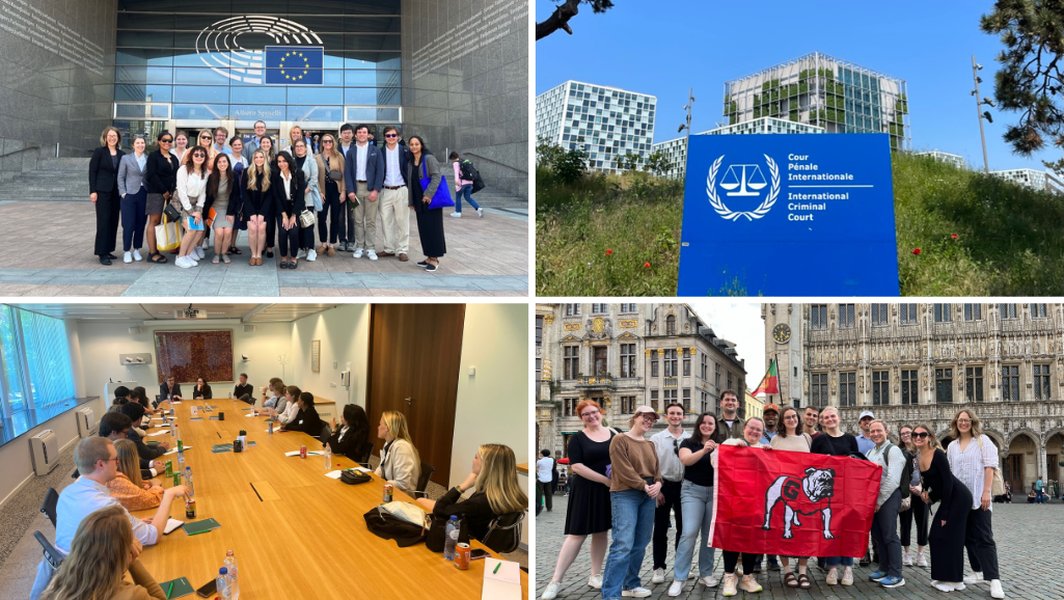
Academic programs like this Global Governance Summer School delve into the complexities of international cooperation.
A "Fractured World": The Shifting Geopolitical Landscape
The Rise of Multipolarity
The concept of a "fractured world" or "disaggregated global order" often refers to the shift from a unipolar or bipolar international system to a multipolar one. The rise of new economic and political powers, such as China and India, diversifies the centers of influence. While this can foster broader representation, it also complicates consensus-building within international institutions. Reports like "Global Governance 2025," developed by entities such as the National Intelligence Council, foresaw these trends, highlighting how the increasing number and complexity of transnational issues could outpace the adaptive capacities of existing global governance structures.
Erosion of Consensus and Institutional Strain
This fragmentation manifests in various ways: increased geopolitical rivalry, differing approaches to international law and norms, and a tendency towards ad hoc coalitions rather than reliance on established multilateral frameworks. Such an environment makes collective security arrangements more difficult to implement effectively and can paralyze bodies like the UN Security Council, particularly when permanent members have conflicting interests.
Systemic Shortcomings in Conflict Prevention
Despite the aspirations embedded in the charters of organizations like the United Nations—established with the primary goal of preventing future wars—the record on conflict prevention is mixed. Numerous analyses point to significant shortcomings.
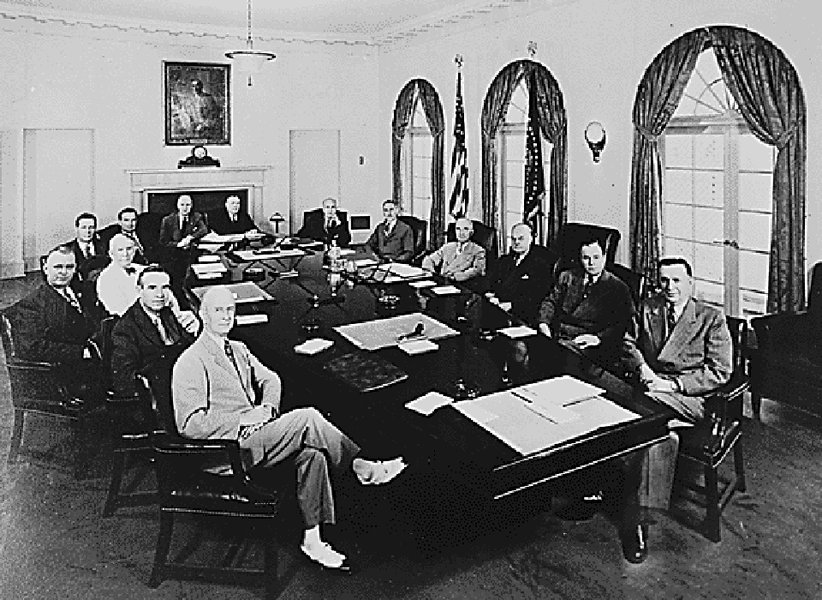
The United Nations was established in 1945 with the aim of preventing future global conflicts, a mission that faces ongoing challenges.
Persistent Failures and Their Causes
Sources note that international bodies have struggled to effectively halt or prevent numerous conflicts and associated human rights atrocities. This can be attributed to several factors:
- Lack of Political Will: Member states may prioritize national interests over collective action, especially when significant costs or risks are involved.
- Enforcement Deficiencies: International law often lacks robust enforcement mechanisms, relying heavily on state cooperation.
- Geopolitical Vetoes: The structure of bodies like the UN Security Council allows powerful states to block actions, undermining collective responses.
- Early Warning vs. Early Action: While early warning systems for conflict may exist, translating these warnings into timely and effective preventive action is a persistent challenge.
The "Failure of International Organizations to Prevent War" is a recurring theme in international relations discourse, underscoring a gap between institutional mandates and operational realities.
The Imperative and Complexity of Legal Accountability
Legal accountability is crucial for addressing violations of international law, including war crimes, crimes against humanity, genocide, and the crime of aggression. It serves not only to provide justice for victims but also as a potential deterrent against future atrocities and a means to reinforce international norms.

The International Criminal Court (ICC) in The Hague plays a role in pursuing legal accountability for international crimes.
Mechanisms and Their Limitations
Several mechanisms exist to pursue legal accountability at the international level:
- International Criminal Court (ICC): Prosecutes individuals for the gravest crimes of concern to the international community. Its jurisdiction is, however, limited by state consent (non-party states) and can be subject to political influence, for instance, through UN Security Council referrals.
- International Court of Justice (ICJ): Adjudicates disputes between states and provides advisory opinions on legal questions. While its rulings are binding, enforcement relies on the willingness of states and the Security Council.
- Ad Hoc Tribunals: Established for specific situations (e.g., Rwanda, former Yugoslavia), these tribunals have made significant contributions but are temporary and resource-intensive.
- Universal Jurisdiction: Allows national courts to prosecute certain international crimes regardless of where they were committed or the nationality of the perpetrator/victim, though its application is inconsistent.
Despite these instruments, achieving accountability is fraught with challenges. As noted in discussions on "international justice cannot stop the war," legal frameworks often struggle to prevent or halt ongoing conflicts due to enforcement gaps and the primacy of political realities. The concept of accountability itself is evolving, becoming, as some scholars suggest, "a concept with adjectives," requiring careful definition within the fractured global context.
Visualizing Key Dimensions of Global Governance Challenges
The radar chart below offers a conceptual visualization of various dimensions related to the effectiveness of global governance in conflict prevention and accountability. The scores are illustrative, representing perceived current states versus aspirational goals and the impact of global fragmentation on these dimensions. Lower scores indicate greater challenges or lower effectiveness, while higher scores suggest more robust performance or desired states. "Impact of Fragmentation" values are scaled inversely: a higher score means fragmentation has a more negative impact (posing a greater challenge).
This chart illustrates the significant gaps between current realities and desired outcomes in global governance, with fragmentation often exacerbating these deficiencies across multiple fronts, from enforcing international law to fostering trust in global institutions.
Mapping the Interconnections: A Mindmap Overview
The issues of global governance, conflict prevention, and legal accountability are deeply intertwined. The following mindmap provides a visual representation of these relationships, highlighting key components, challenges, and potential avenues for progress.
This mindmap illustrates that addressing the failure to prevent wars and ensuring legal accountability requires a multi-faceted approach, tackling everything from the symptoms of conflict to the deep-seated structural challenges within global governance and the international system.
The Role of International Bodies: UN's Peacekeeping Efforts
The United Nations plays a central role in global efforts to maintain peace and prevent conflict. Its peacekeeping operations are one of the most visible tools in this endeavor, though their effectiveness and limitations are subjects of ongoing debate. The following video explores the complexities of UN peacekeeping missions and their capacity to prevent wars.
This video discusses the capabilities and challenges of United Nations peacekeeping in preventing conflicts.
UN peacekeeping missions are deployed with mandates that can range from monitoring ceasefires and protecting civilians to supporting political transitions and peacebuilding efforts. However, they often operate in highly volatile environments with limited resources, unclear mandates, and insufficient political backing from member states. The success of these missions is contingent on numerous factors, including the consent of host nations, the cooperation of warring parties, and the unified support of the international community, particularly the Security Council. The challenges highlighted in the video, such as the difficulties in protecting civilians in active conflict zones or the political constraints on robust action, resonate with the broader theme of global governance struggling to meet its conflict prevention objectives in a fractured world.
Frequently Asked Questions (FAQ)
What does "fractured world" mean in the context of global governance?
In global governance, a "fractured world" (or "fragmented/divided international order") refers to a geopolitical landscape characterized by a shift away from clear unipolar or bipolar power structures towards multipolarity. This involves multiple centers of power and influence (e.g., US, China, EU, Russia, India), often with competing interests and values. This fragmentation can lead to:
- Difficulty in achieving consensus within international organizations like the UN.
- Increased geopolitical competition and rivalry.
- A weakening of established multilateral norms and institutions.
- Greater challenges in coordinating responses to global issues like conflict, climate change, and pandemics.
- The rise of ad hoc coalitions and regional blocs as alternatives to broader global cooperation.
Essentially, it signifies a less cohesive and more complex international system, making collective action and effective global governance more challenging.
Why is legal accountability so challenging to achieve for international conflicts?
Achieving legal accountability for actions during international conflicts is exceptionally challenging due to several interconnected factors:
- State Sovereignty: International law traditionally respects state sovereignty. States, particularly powerful ones, may resist external judicial scrutiny or intervention in what they consider internal affairs or matters of national security.
- Lack of Enforcement Mechanisms: International courts like the ICC and ICJ lack their own police force to arrest suspects or enforce judgments. They rely on member states' cooperation, which is often not forthcoming, especially if it involves their own nationals or allies.
- Political Will and Selectivity: The pursuit of international justice can be highly politicized. Powerful states may use their influence (e.g., in the UN Security Council) to shield themselves or their allies from accountability, or to selectively target adversaries, leading to perceptions of bias.
- Jurisdictional Limitations: Courts like the ICC only have jurisdiction over individuals from states that are parties to its statute or when a situation is referred by the UN Security Council. Many influential countries are not parties.
- Evidentiary Challenges: Gathering credible evidence in conflict zones is difficult and dangerous. Access to witnesses, crime scenes, and documents can be obstructed by state actors or ongoing hostilities.
- Defining Aggression and Responsibility: While the crime of aggression is recognized, attributing it to specific state leaders and overcoming immunities can be legally and politically complex.
- Resource Constraints: International investigations and trials are often lengthy and expensive.
What are some examples of global governance mechanisms for conflict prevention?
Global governance mechanisms for conflict prevention encompass a wide range of tools, processes, and institutions. Some key examples include:
- Diplomacy and Mediation: Efforts by states, international organizations (like the UN Department of Political and Peacebuilding Affairs), regional bodies, or even non-governmental organizations to facilitate dialogue, negotiate settlements, and resolve disputes peacefully before they escalate into violence.
- Peacekeeping Operations: UN-mandated missions deployed to conflict zones, often after a ceasefire, to help maintain peace, protect civilians, support political processes, and assist in disarmament and demobilization.
- International Law and Treaties: The body of international law, including the UN Charter, Geneva Conventions, arms control treaties, and human rights law, sets norms and obligations for states aimed at preventing conflict and regulating conduct during war.
- Sanctions: Measures imposed by the UN Security Council or coalitions of states (e.g., economic, arms embargoes, travel bans) to pressure regimes or groups to change behavior and comply with international law.
- Early Warning Systems: Systems designed to collect and analyze data to identify potential conflict hotspots and triggers, allowing for timely preventive action.
- Peacebuilding Initiatives: Post-conflict efforts (and increasingly pre-conflict) focused on addressing root causes of violence, strengthening institutions, promoting reconciliation, and fostering sustainable peace.
- Fact-Finding Missions and Commissions of Inquiry: Independent bodies tasked with investigating alleged violations of international law or the circumstances of a conflict, which can contribute to accountability and inform preventive measures.
Can international law effectively prevent wars on its own?
International law is a crucial component of the global framework for peace and security, but it cannot effectively prevent wars on its own. Its effectiveness is contingent upon several other factors:
- Political Will of States: The primary actors in international relations are states. If powerful states choose to disregard international law for perceived national interests, the law's preventive capacity is severely undermined. Compliance largely depends on states' willingness to be bound by legal norms.
- Enforcement Mechanisms: Unlike domestic law, international law lacks a centralized, overarching enforcement body with coercive power. Enforcement relies on mechanisms like the UN Security Council (which can be paralyzed by vetoes), international courts (with jurisdictional limits), and countermeasures by states, which can be inconsistent.
- Power Dynamics: International relations are often shaped by power politics. Stronger states may be able to violate international law with fewer immediate consequences than weaker states.
- Interpretation and Ambiguity: Some aspects of international law can be open to interpretation, leading to disputes about its application in specific contexts.
- Socio-Economic and Political Factors: Wars often have deep-rooted causes, including economic disparities, political grievances, ethnic tensions, and resource competition. International law can address the legality of actions but may not resolve these underlying drivers of conflict without complementary political, economic, and social interventions.
While international law provides an essential normative framework, sets standards for behavior, and offers mechanisms for dispute resolution, its ability to prevent wars is significantly enhanced or diminished by the political commitment of states, the strength of international institutions, and the broader geopolitical context. It is a necessary, but not sufficient, condition for preventing conflict.
Recommended Further Exploration
To delve deeper into the complexities of global governance, conflict prevention, and legal accountability, consider exploring these related queries:
- What is the role of the UN Security Council in addressing modern armed conflicts and what are its limitations?
- How effective are international criminal tribunals in ensuring accountability for war crimes, and what challenges do they face?
- How does the rise of multipolarity impact global cooperation and the enforcement of international law?
- What are some innovative approaches and future directions for preventive diplomacy and peacebuilding initiatives in a fractured world?
References
The following sources were consulted in the preparation of this analysis and provide further information on the topics discussed:

Last updated May 6, 2025