
Global Population Dynamics in 2025
A deep dive into the numbers and trends shaping our world today
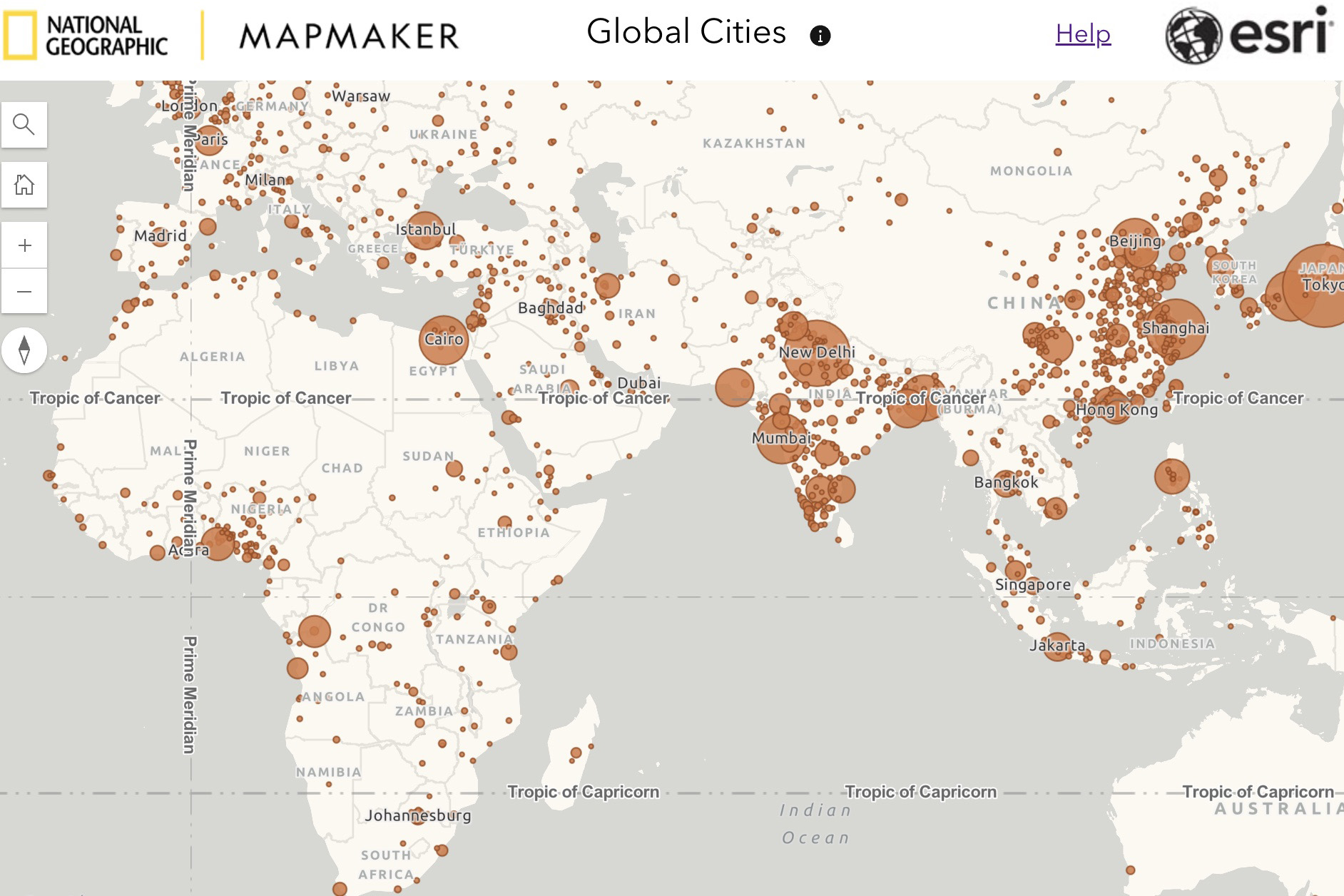
Highlights
- Current Population: As of February 2025, the world is home to nearly 8.2 billion people.
- Growth Trends: The annual growth rate of approximately 0.85% reflects a deceleration from previous decades.
- Future Projections: Global population is projected to reach 9 billion by 2037 and 10 billion by 2060.
Introduction
Population dynamics play a central role in shaping economics, politics, environmental challenges, and social systems globally. In 2025, the world's population stands at roughly 8.2 billion, representing decades of growth tempered by gradual decline in growth rates. This analysis synthesizes detailed figures, historical context, future projections, and regional trends to offer a comprehensive view on global population trends.
This overview will cover key metrics, such as the current population available at various points of the globe, changes in growth dynamics over time, the regional distribution of populations, and projected future population numbers. Furthermore, the discussion will delve into factors such as urbanization, migration, and population distribution, which have profound implications on policy, resource management, and global development.
Current Global Population
Population at 8.2 Billion
As of February 2025, the global population is estimated to be approximately 8,206,999,901 individuals. This figure is derived from authoritative sources that rely on a consistent aggregation of data drawn from United Nations estimates and real-time monitoring tools like population clocks. The number serves not only as a snapshot of human presence but also as an indicator of socio-economic and environmental trends.
Historically, the world experienced rapid population growth during the 20th century, bolstered by improvements in healthcare, agricultural technology, and industrial advancements. However, the annual growth rate has slowed relative to previous decades; it now stands at roughly 0.85% per year. This deceleration in growth rates is attributable to multiple factors including declining fertility rates in several parts of the world and policy interventions in nations aiming to balance population growth with available resources.
Key Metrics
Several key metrics define the contemporary state of the world’s population:
- Annual Growth Rate: Approximately 0.85% per year in 2025.
- People Added per Year: An estimated increase of about 70 million people annually, translating to roughly 130 individuals per minute.
- Historical Comparison: The growth rate has declined steadily from values of approximately 1.25% in 2015 to 0.85% in 2025.
Historical Context and Growth Patterns
Understanding Past and Current Trends
The dramatic increase in human population during the 20th century was driven by rapid advancements in public health, medicine, and agriculture. However, after reaching a peak growth period during the mid-20th century, the rate of increase began to show signs of moderation. Factors such as urbanization, improved education, and economic development have led to reductions in average family sizes, especially in developed countries.
It is important to note that while the total population continues to rise, the growth rate itself is expected to decline further over the coming decades. The slowing growth rate is a significant indicator, as it highlights a transition towards more sustainable population dynamics in certain regions even as developing nations continue to grow.
Population Milestones
Notable milestones in population dynamics include:
- 8 Billion Mark: Passed in November 2022, marking a new era of global demographic size.
- Gradual Deceleration: From a growth rate of 1.25% in 2015 down to 0.85% in 2025.
- Projected Stabilization: Trends suggest near-zero population growth by the late 21st century in some regions.
Regional Demographics and Distribution
Geographic Distribution of People
The global distribution of the population is highly uneven, with significant clusters in Asia, Africa, and the Americas. Asia remains the most populous continent, housing over 4.8 billion individuals, which represents almost 60% of the global total. Africa, with a population exceeding 1.5 billion, also shows robust growth compared to other regions, while the Americas account for over 1 billion people.
Regional Highlights
Several key highlights define the population distribution:
- Asia: Dominates global population figures with over 4.8 billion inhabitants. Southern Asia is notably populous with figures exceeding 2 billion.
- Africa: Rapidly growing population, raising important questions regarding infrastructure and sustainable development.
- Americas: Combined population over 1 billion, characterized by high urbanization rates, especially in North America.
- Europe: Facing slight declines in population growth, with some countries experiencing a negative growth rate.
The following table summarizes some key population distributions:
| Region | Population (Approx.) | Growth Characteristics |
|---|---|---|
| Asia | 4,835,320,060 | Fast, concentrated in southern and eastern regions |
| Africa | 1,549,867,579 | Rapid growth with high fertility rates |
| Americas | 1,055,416,955 | High urbanization and moderate growth |
| Europe | 748,000,000 (approx.) | Low and sometimes negative growth |
National Population Figures
Most Populous Countries
Globally, national populations vary markedly. The two largest nations by population are India and China, which together account for nearly 30% of the world's total. In 2025, India has taken the leading position as the most populous country with a population close to 1.46 billion individuals. China follows closely with around 1.42 billion people despite its past notorious for population surges.
The United States ranks third in global population counts, with an estimated population of about 347 million individuals. This ranking reflects not only historical immigration patterns but also current trends in urbanization and internal migration.
Comparative Population Data
Compare the following national statistics to understand the global hierarchy:
| Country | Population | Notable Trends |
|---|---|---|
| India | 1,463,865,525 | Rapid growth, youthful demographic |
| China | 1,416,096,094 | Aging population; slower growth |
| United States | 347,275,807 | High urbanization and diverse migration |
Additional countries experiencing significant growth, particularly in Africa and parts of Asia, are poised to drive global demographic changes. As these nations experience demographic transitions, local policy measures become critical in managing resource allocation, education, and healthcare.
Future Projections and Trends
Looking Ahead: Predictions for Global Population
Projections for the coming decades suggest that while the total number of people on Earth will continue to rise, the annual growth rate is expected to decline significantly. The global population is estimated to reach 9 billion by 2037 and 10 billion by 2060 according to long-term forecasts from prominent demographic studies. Beyond these milestones, projections indicate that the growth rate may dip to nearly zero or even enter negative territory by the latter half of the 21st century.
Key Projections
- Short-Term Growth: Continued addition of roughly 70 million people per year in the next few decades.
- Mid-Century Estimates: Reaching 9 to 10 billion, with regional variations driven by current trends in fertility and migration.
- Long-Term Outlook: Projections suggest stabilization in some regions, particularly in more developed countries, with potential declines due to aging populations and reduced fertility rates.
Such projections carry far-reaching implications. For instance, planning for sustainable urban development and infrastructure requires long-term trends, particularly in regions where migration and fertility rates significantly differ. Each forecast brings with it the challenge of aligning resources—be it water, food, or energy—to the needs of a growing global demographic.
Factors Influencing Population Change
Demographic Drivers
Population dynamics are inherently complex and influenced by a multitude of factors. Social, economic, political, and environmental elements collectively interact to determine the pace and direction of demographic change. Key influencers include:
Fertility Rates
The average number of children born per woman is a crucial determinant in population growth. In many developed nations, fertility rates have fallen below replacement level, resulting in stabilized or declining populations. Conversely, many developing countries continue to experience higher fertility rates, leading to rapid population growth. These differences are further exacerbated by improved access to healthcare and education, which influences family planning choices.
Mortality Rates and Life Expectancy
Advances in medicine and healthcare have dramatically improved life expectancy across the globe. Lower mortality rates, particularly among infants and children, have resulted in increased overall populations. However, as populations age, the ratio of working-age individuals to dependents changes, impacting economic growth and social services.
Migration Patterns
Migration, both international and internal, plays a significant role in redistributing populations. Countries experiencing high levels of migration may see rapid urbanization as rural inhabitants move to cities in search of better opportunities. Additionally, cross-border migration alters national demographics, contributing to cultural diversity and economic growth but also posing challenges for integration and infrastructure.
Urbanization
The process of urbanization continues to reshape the global demographic landscape. Cities expand, sometimes exponentially, driven largely by people moving from rural areas in search of improved economic and social conditions. Urban areas often become centers of innovation and economic power, but they also face challenges such as congestion, resource allocation, and environmental degradation.
Each of these demographic drivers not only affects the total population count but also influences the age structure, spatial distribution, and social fabric of societies around the world.
Global Challenges and Opportunities
Implications of Population Growth
Rapid population growth, especially in developing regions, brings significant challenges and opportunities. On one hand, a growing population can mean an expanding labor force, which, if adequately harnessed, can drive economic development and innovation. On the other hand, rapid increases in population may strain natural resources, infrastructure, and social services.
Urban planners and governments face the considerable task of balancing the benefits of a youthful, dynamic population with the pressures of increased demand for housing, transportation, and basic services such as healthcare and education. The trends indicate that in countries experiencing high population growth, strategic investments in infrastructure, education, and sustainable development are paramount.
Economic Considerations
The interplay between population growth and economic development is multifaceted. In regions with a burgeoning youthful population, the potential for economic expansion is enormous, provided that employment opportunities and educational services keep pace. Conversely, nations with aging populations must address the challenges associated with reduced labor force participation and the increased burden on social security systems.
Environmental Sustainability
One of the most pressing challenges of a growing global population is ensuring environmental sustainability. Continued urban expansion, agricultural production, and industrial activity contribute to climate change and resource depletion. Policymakers worldwide are emphasizing the need for sustainable growth strategies in order to safeguard freshwater resources, manage waste, mitigate pollution, and reduce greenhouse gas emissions. Transitioning towards renewable energy sources and environmentally friendly technologies represents a critical path forward.
Social and Political Implications
Lastly, population dynamics have profound social and political ramifications. Nations with rapidly growing populations might experience shifts in political power or social stability, while those with declining populations may face challenges in maintaining economic dynamism and providing elder care. The interconnection between population trends and national policies is evident in approaches to immigration, labor market regulations, and urban development planning.
Comparative Analysis: Past, Present, and Future
Visualizing Population Trends
To better understand the changes over time, it is helpful to compare historical, current, and projected population figures. The following table provides a comparative overview:
| Period | Population Estimate | Growth Rate | Observations |
|---|---|---|---|
| Mid-20th Century | Approximately 2.5 billion | High, rapid growth | Post-World War II boom; dramatic improvements in healthcare |
| 2025 (Current) | ~8.2 billion | Approximately 0.85% per year | Deceleration in growth; demographic transitions in multiple regions |
| 2037 (Projection) | ~9 billion | Declining; trend towards stabilization | Planning required for sustainable urban and resource management |
| 2060 (Projection) | ~10 billion | Further decline in growth rate, nearing replacement levels | Challenges include aging populations and resource reallocation |
This table underscores the arc of human demographic development, from the rapid increases witnessed in the 20th century to the more moderated pace that characterizes our current era and future forecasts.
Implications for the Future
Strategic Planning and Policy Making
Understanding global population dynamics is essential for robust long-term planning. Governments, urban planners, and international organizations must integrate predicted trends into policies aimed at addressing resource distribution, environmental sustainability, and socio-economic development.
As population growth slows and in some cases reverses in certain developed nations, issues such as labor shortages, pension sustainability, and shifts in political power require proactive policy responses. Emerging economies, on the other hand, need to focus on harnessing the potential of a youthful workforce while addressing the challenges posed by rapid urbanization and infrastructure deficits.
Population and Technology
The rapid advancement in technology offers innovative solutions to many challenges associated with population growth. From smart city technologies that optimize resource use to data analytics in healthcare and urban planning, technology plays a pivotal role in managing population dynamics. These solutions can help balance urban expansion with environmental conservation and social services, ensuring that growth is both sustainable and equitable.
Global Cooperation
Addressing the multifaceted challenges of global population growth requires international collaboration. Policies on climate change, migration, and sustainable development benefit greatly from multilateral negotiations and coordinated efforts. International organizations and treaties are increasingly vital as global challenges do not adhere to national borders.
The convergence of demographic trends, technological advances, and global policy initiatives is setting the stage for an era in which proactive governance and global cooperation could lead to a more balanced and sustainable worldview.
Conclusion
The global population in 2025, estimated at roughly 8.2 billion, represents a significant milestone in human demographic evolution. Although the total number of people continues to grow, the pace of increase has moderated significantly with a growth rate of around 0.85% per year. This slowing trend reflects a broader transition, driven by declining fertility rates, improved healthcare, urbanization, and technological advances that have reshaped global demographic patterns.
Regional differences remain pronounced, with Asia and Africa exhibiting high population densities and robust growth patterns, while Europe sees slower, sometimes negative, growth. The leading countries, India and China, offer case studies in the profound impact of demographic shifts on economies, resource allocation, and governance. Future projections indicate that while the global population is expected to reach 9 billion by 2037 and 10 billion by 2060, the growth rate will decelerate further, ultimately leading to near-zero growth in certain regions.
In summary, understanding the complexities of global population trends is essential not only for academic and statistical purposes but also for shaping policies that address resource management, urban planning, environmental sustainability, and social welfare. As nations navigate these challenges, the insights derived from current demographic data and future projections will be invaluable in ensuring that growth is managed equitably and sustainably across the globe.
References
- World Population Data - Nations Geo
- World Population Clock - Worldometers
- Population by Country 2025 - Database Earth
- United Nations Population Data - UN
Recommended Further Exploration
Last updated February 23, 2025