
Global Responses to U.S. Sanctions
Exploring diverse geopolitical and economic strategies against U.S. sanctions
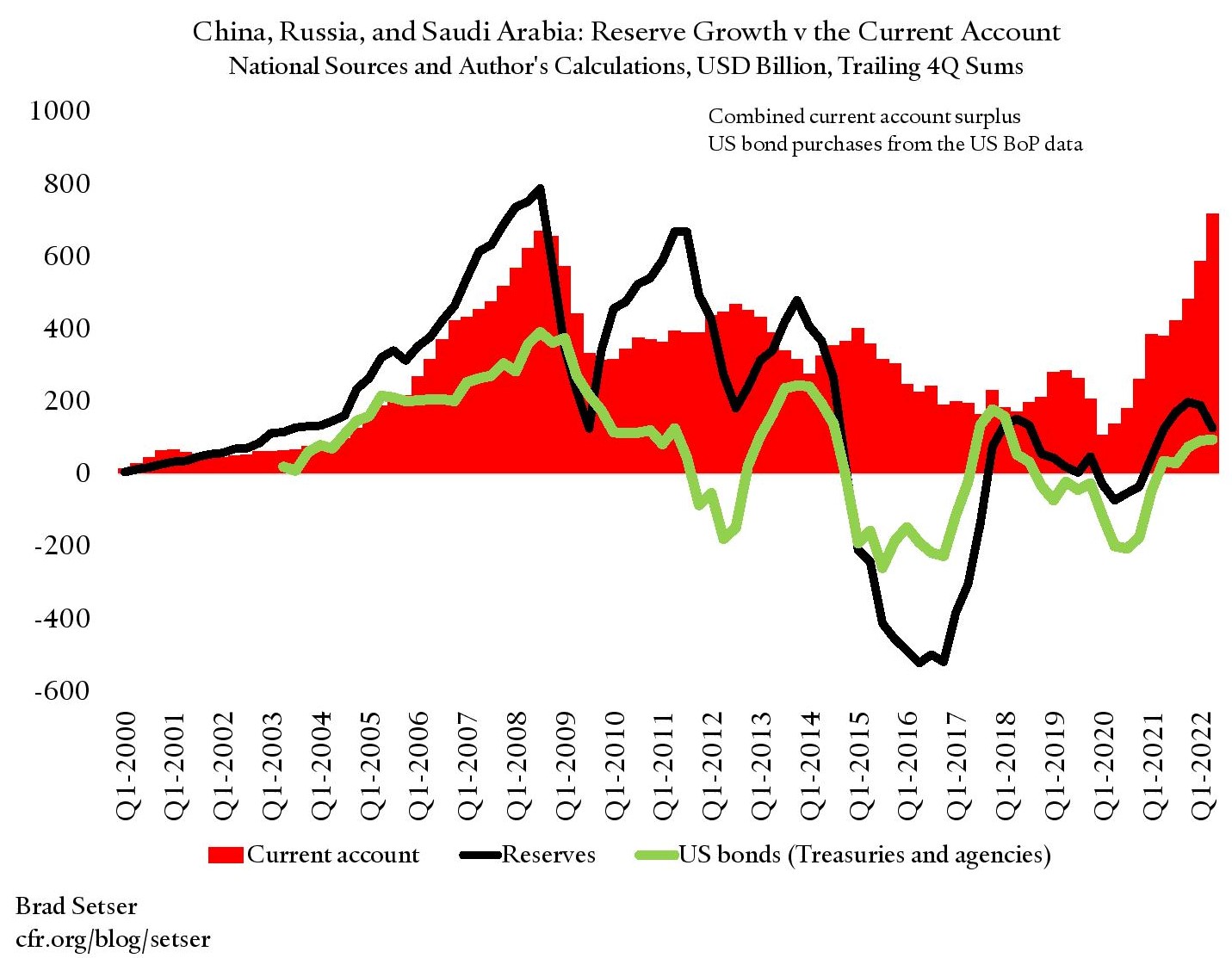
Key Highlights
- Geopolitical Realignments: Countries and organizations are rethinking alliances and trade relationships to counteract U.S. pressure.
- Economic and Legal Countermeasures: Efforts include de-dollarization, alternative payment systems, and legal challenges in international forums.
- Humanitarian and Domestic Impacts: Sanctions ripple across domestic economies, affecting humanitarian aid and prompting debates over unintended consequences.
Overview of U.S. Sanctions and Global Reactions
U.S. sanctions have long served as a prominent tool in U.S. foreign policy, designed to exert pressure on targeted nations, individuals, or entities. While the objectives behind these sanctions are debated, their global impact is indisputable. The international community's reaction to these sanctions ranges from formal legal challenges and diplomatic rhetoric to concrete retaliatory actions and strategic economic adaptations. The multifaceted responses reflect differences in national interests, geopolitical alliances, and the overarching balance of global power.
Economic Adaptations and Countermeasures
De-dollarization and Alternative Financial Systems
One of the most fundamental economic responses to U.S. sanctions is the effort to reduce reliance on the U.S. dollar as the central currency for international trade. Countries such as Russia and China have actively promoted de-dollarization to create financial systems less vulnerable to U.S. influence. This involves designing and implementing alternative payment channels—examples being Russia’s SPFS (System for Transfer of Financial Messages) and China’s CIPS (Cross-Border Interbank Payment System). These systems are part of a broader strategy to safeguard national economies from potential external disruptions.
Trade Diversification and Alternative Partnerships
In response to U.S. sanctions that target specific economic sectors or nations, many affected states have pursued greater diversification in their trade portfolios. Diversification efforts involve seeking out new trading partners and bolstering relationships with countries that are less likely to be influenced by U.S. policies. For instance, nations such as Iran and Russia have increasingly looked eastward, deepening economic ties with countries in Asia and the broader Eastern bloc. This strategy not only helps to cushion domestic economies from the shocks of U.S. financial interventions but also contributes to a gradual geopolitical realignment in global trade dynamics.
Reciprocal Sanctions and Retaliatory Measures
Countries targeted by U.S. sanctions have frequently responded with reciprocal measures aimed at exerting similar economic pressure on American interests. Examples of such actions include imposing tariffs and other trade restrictions on U.S. goods and services. In practical terms, retaliatory measures are designed to serve as a deterrent, signaling that aggressive economic sanctions will be met with equivalent resistance. Beyond mere economic tit-for-tat, these retaliatory policies underscore the growing perception that unilateral sanctions could ultimately harm broader global economic stability.
Legal and Diplomatic Challenges
International Legal Recourse
A significant aspect of the global response to American sanctions has been the pursuit of legal challenges in international arenas. Many nations and non-governmental organizations have raised concerns that U.S. sanctions, especially those perceived as extraterritorial, violate the principles of international law. The sanctions imposed on the International Criminal Court (ICC) by U.S. policy, for example, have been heavily criticized. Proponents of legal challenges argue that such sanctions undermine an already fragile system of global justice, calling for multilateral dialogue and adjudication through institutions like the United Nations.
Diplomatic Backlashes and Policy Divergences
Beyond courtrooms and legal documents, diplomatic channels have been equally instrumental in the global response to U.S. sanctions. Many countries, particularly within multilateral organizations like the United Nations and the European Union, have publicly denounced unilateral U.S. sanctions. These nations argue that unilateral imposition disrupts international norms and hampers global cooperation. The EU’s intermittent disagreements with U.S. sanctions—particularly secondary sanctions affecting European businesses—further highlight emerging rifts. These diplomatic rifts underscore an ongoing debate over how best to balance national security concerns with adherence to international economic and legal rules.
Humanitarian Concerns and Domestic Implications
Impact on Civilian Populations
One of the most contentious issues surrounding U.S. sanctions is the humanitarian impact on the civilian populace in the targeted nations. In many cases, sanctions have unintended consequences—beyond their intended political or economic effect—by hampering access to essential goods such as food, medicine, and critical infrastructure. Critics of sanction policies argue that such economic constraints can exacerbate poverty, reduce access to healthcare, and complicate international aid efforts. In scenarios like natural disasters or public health emergencies, sanctions might delay or restrict humanitarian assistance, further straining vulnerable populations.
Domestic Economic Adjustments
While the primary focus of sanctions is to pressure foreign actors, domestic economies are not immune to the ripple effects. Countries imposing sanctions may also experience collateral impacts on their own businesses, particularly in global industries intertwined with the affected regions. In response, governments may introduce measures to protect domestic industries—such as subsidies, alternative market creation, and regulatory adjustments—to mitigate potential losses. These internal adjustments are vital for maintaining economic balance and ensuring that sanctions do not inadvertently cripple domestic economic growth.
Institutional and Coordination Efforts
Multilateral Initiatives and OPEC Responses
Recognizing the complexities of unilateral sanctions, several countries have advocated for more coordinated global responses. Platforms such as the United Nations have become forums for articulating shared concerns and exploring collective responses to the challenges posed by U.S. sanctions. One notable example is the coordinated reaction by members of the Organization of the Petroleum Exporting Countries (OPEC). In certain instances, OPEC nations have discussed strategies to mitigate sanctions-induced market disruptions, including proposals for unified pricing and alternative trading formulations. Such coordinated efforts can potentially offer a more balanced approach to managing global economic relations.
Enforcement, Compliance, and the Role of OFAC
The enforcement of U.S. sanctions is largely overseen by the Office of Foreign Assets Control (OFAC). This agency monitors global transactions and enforces compliance, often imposing severe financial penalties on individuals, companies, and nations that contravene U.S. policies. Given the expansive global reach of U.S. financial networks, non-compliance is a risk that many international entities take seriously. However, this strict oversight also compels countries to navigate their economic strategies carefully, often balancing between compliance and seeking alternative financial mechanisms to ensure operational continuity.
Comparative Analysis Table
| Aspect | Global Response | Key Examples |
|---|---|---|
| De-dollarization | Establishing alternative payment systems to bypass U.S. financial dominance | Russia’s SPFS, China’s CIPS |
| Reciprocal Actions | Imposing tariffs and sanctions on U.S. goods and services | China, Iran, Venezuela |
| Legal Challenges | Pursuing international legal recourse against unilateral measures | Criticism of sanctions on the ICC |
| Trade Diversification | Seeking new markets and alliances to reduce dependency | Russia's increased trade with China and India, Iran’s partnerships with Asian countries |
| Humanitarian Concerns | Balancing national security with the welfare of civilian populations | Critical debates over access to essential services and humanitarian aid |
Case Studies of Global Responses
China’s Strategic Countermeasures
China has been particularly proactive in its approach to countering U.S. sanctions. In addition to implementing reciprocal sanctions on U.S. goods and companies, China has strategically positioned itself as a leader in the de-dollarization movement. By bolstering its domestic currency and promoting alternative financial frameworks, China is not only cushioning its economy but also encouraging global partners to adopt similar measures. Such coordinated efforts have contributed significantly to reshaping global trade patterns and reducing the overall impact of U.S.-led economic pressure.
Russia’s Geopolitical and Economic Shifts
Facing extensive sanctions targeting its energy and financial sectors, Russia has pivoted by amplifying its trade partnerships beyond traditional Western markets. Closer ties with Eastern nations have allowed it to tap into new pools of capital and technology. Moreover, by investing in alternative financial mechanisms and diversifying its export markets, Russia has demonstrated resilience in the face of imposed economic isolation. This multidimensional approach highlights the potential long-term shifts in global power dynamics as countries prioritize strategic alliances over reliance on U.S.-dominated financial systems.
European Union’s Balancing Act
The European Union has frequently found itself caught between the need to maintain transatlantic relations and upholding a commitment to multilateralism. Diverging views on the effectiveness and legality of U.S. sanctions have led the EU to adopt a cautious stance, often seeking legal pathways and diplomatic negotiations to address conflicts. Notably, disputes over secondary sanctions—those affecting European companies and widening the scope of U.S. sanctions—have prompted the EU to consider establishing its own frameworks to safeguard European economic interests. This balancing act underscores the inherent challenges in aligning domestic policies with broader international legal standards.
Sustainability of Sanction Strategies and Future Directions
Long-Term Economic Implications
The sustainability of U.S. sanctions as an instrument of foreign policy is increasingly under scrutiny. With the rising trend of retaliatory measures, de-dollarization, and trade diversification, there is a growing concern about the eventual erosion of U.S. economic influence. Countries that have vigorously adopted alternative financial mechanisms may gradually diminish the leverage that U.S. sanctions traditionally provided. As nations continue to build robust financial networks independent of U.S. oversight, the traditional paradigm of sanctions may give way to a more fragmented and multipolar global financial system.
Emerging Policy Trends
Emerging trends suggest that future policy strategies will likely integrate both economic and legal countermeasures. The international community’s shift towards multilateral cooperation is expected to intensify, with increased reliance on shared financial infrastructures and legislative reforms designed to ensure greater transparency in sanction policy. Additionally, as humanitarian concerns continue to shape public discourse, future policies may evolve to incorporate safeguards that minimize adverse impacts on vulnerable populations. Policymakers and analysts will be watching closely as these emerging trends define the future direction of both sanction policies and global economic diplomacy.
References
- Countries Unite Against Trump Sanctions on ICC - Al Jazeera
- China Hits Back with Reciprocal Tariffs and Sanctions - SCMP
- UN News - Global Responses to U.S. Sanctions
- Iran Calls for United OPEC Response - S&P Global
- ICC Condemns U.S. Sanctions - The Guardian
Recommended Queries for Further Research
Last updated March 11, 2025