
Global Warming: Reality and Evidence
Exploring the scientific consensus and evidence behind Earth's warming trend
Key Highlights
- The warming trend is unmistakable: Numerous datasets from weather stations, satellite records, and other instruments show a consistent global temperature rise.
- Human activities are the primary driver: Scientific consensus indicates that greenhouse gas emissions from burning fossil fuels, deforestation, and industrial processes are largely responsible.
- Observable impacts are already evident: From melting glaciers to rising sea levels and extreme weather events, the effects of global warming are seen around the world.
Introduction
The debate about global warming has been a subject of intense discussion in public and scientific circles for decades. However, based on a vast body of scientific evidence, global warming is unequivocally real. In this comprehensive analysis, we explore the data, research findings, and scientific observations that confirm the reality of global warming and underscore that it is not a hoax. Drawing from multiple lines of evidence, this discussion elaborates on how human activities have become the primary driver of the observed warming trend and examines the wide-ranging implications for the Earth's climate systems.
Scientific Evidence for Global Warming
Temperature Rise and Historical Data
One of the clearest indicators of global warming is the consistent increase in Earth's average surface temperature. Direct measurements from thousands of weather stations across the globe have documented a rise in temperature of about 2.2°F (approximately 1.2°C) since 1880. This data, which comes from both historical records and advanced modern instrumentation including satellites, weather balloons, and oceanic sensors, shows that the warming has accelerated particularly in recent decades.
The record shows that recent years, including 2023, have been among the warmest on record since systematic temperature measurements began around 1850. Notably, 19 of the 20 hottest years have occurred since 2001. These trends are not random fluctuations but rather part of a sustained upward trend, which is corroborated by comprehensive climate studies and analyses.
Melting Ice and Glacial Retreat
The accelerated melting of glaciers and ice sheets is another compelling line of evidence. Mountain glaciers in regions such as the Alps, the Himalayas, and the Andes are receding at an alarming rate. Similarly, large ice formations in Greenland and Antarctica have shown significant losses in mass over recent decades. The decline of Arctic sea ice is particularly pronounced and serves as a stark reminder of the warming conditions altering the polar environments.
Rising Sea Levels
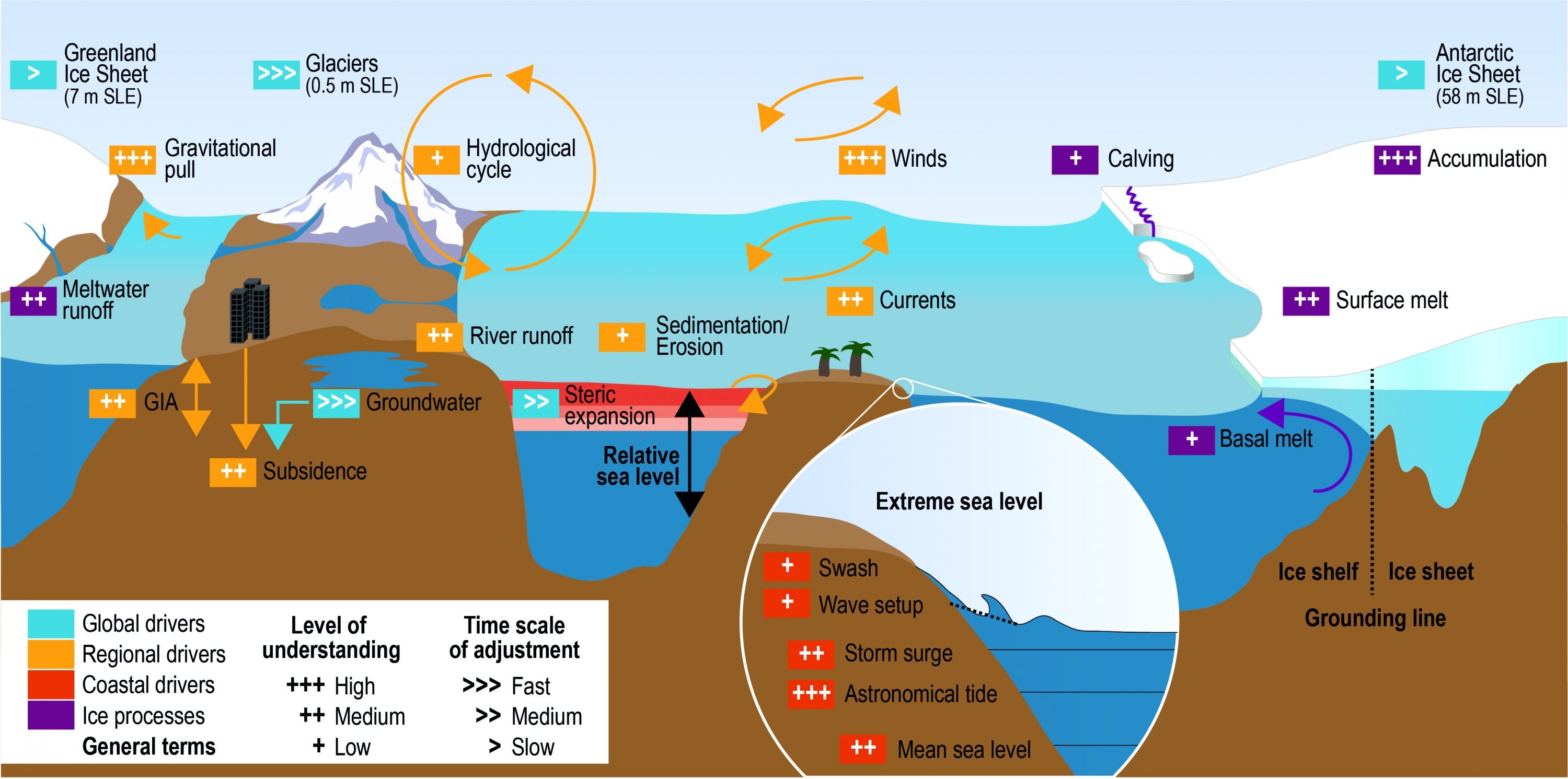
As the Earth's temperature increases, water from melting ice contributes to rising sea levels. Global average sea levels have risen approximately 6 inches since the beginning of the 20th century, with nearly half of that increase occurring since 1980. This steady rise presents considerable risks to coastal cities and low-lying regions by increasing the probability of flooding and storm surges.
Changing Weather Patterns and Extreme Events
Another significant indicator of global warming is the change in weather patterns. Studies report an increase in the frequency and intensity of extreme weather events, including heatwaves, droughts, heavy precipitation episodes, and severe storms. These events not only underscore the heightened energy in the climate system but also have profound implications for ecosystems, human health, and economic stability.
The difference between short-term weather variability and long-term climate change is crucial. While weather conditions can vary on a day-to-day basis, the long-term trend—a persistent increase in temperatures—is the hallmark of global warming. For example, occasional cold spells do not refute the consistency of an overall warming trend that is linked to increased greenhouse gas emissions.
Atmospheric Composition and Greenhouse Gases
At the heart of the global warming issue lies the change in Earth's atmospheric composition. With the onset of the industrial revolution, human activities led to the release of immense quantities of carbon dioxide (CO₂) and other greenhouse gases like methane (CH₄) into the atmosphere. Today, CO₂ levels are at their highest in millions of years—over a 40% increase from pre-industrial levels has been recorded.
The increase in these greenhouse gases is directly responsible for trapping heat in the Earth's atmosphere, leading to the overall warming observed over the last century. This effect, often referred to as the greenhouse effect, has been extensively modeled and validated by climate scientists worldwide.
Shifts in Wildlife and Ecosystem Behaviors
Beyond the physical changes in temperature and ice, global warming significantly impacts biological systems. Observations show shifts in the geographical ranges of many species, alterations in the timing of natural events (such as bird migrations and plant blooming cycles), and changes in ecosystem dynamics. As temperatures rise, species may struggle to adapt, leading to altered food web dynamics and even local extinctions.
These ecological changes serve as additional evidence that the warming trend is not merely a temporary phenomenon but is reshaping the entire fabric of life on our planet.
Human Influence and Climate Change Drivers
Role of Fossil Fuels and Industrial Activities
The correlation between industrialization and the increase in global temperatures is profound. The combustion of fossil fuels—coal, oil, and natural gas—has been the primary source of energy for modern human economies. This process emits vast amounts of CO₂ and other greenhouse gases, driving the warming trend observed in recent centuries.
Industrial processes, along with large-scale deforestation, exacerbate this effect by reducing the number of trees that can absorb CO₂ from the atmosphere. Moreover, the surge in industrial activities over the past two centuries means that anthropogenic (human-caused) factors now dominate the Earth’s climate dynamics.
Scientific Consensus on Human-Caused Warming
One of the most robust aspects of the global warming debate is the overwhelming scientific consensus supporting human-caused climate change. Multiple independent studies have reported that between 97% and 99% of climate scientists agree that the warming trend observed since the mid-20th century is primarily due to human activities.
This consensus is endorsed by generations of research and is supported by major organizations worldwide, including space agencies, meteorological organizations, and international panels on climate change. These experts have gone through rigorous peer review processes, ensuring that the data and conclusions they draw from are both credible and reliable.
The Greenhouse Effect: A Scientific Principle
The mechanism behind global warming is well understood via the principle of the greenhouse effect. This effect occurs when greenhouse gases, including CO₂, methane, and water vapor, absorb infrared radiation from the Earth’s surface and re-emit it, effectively trapping heat within the atmosphere. Mathematically, the energy balance of the atmosphere can be expressed as:
\( \text{Incoming Solar Energy} = \text{Reflected Energy} + \text{Emitted Infrared Energy} \)
When the concentration of greenhouse gases increases, more infrared energy is absorbed, leading to an imbalance that results in net warming of the planet. This process has been verified by numerous observational studies and is central to understanding the scope of climate change.
Observable Impacts and Future Implications
Impacts on the Natural Environment
The implications of global warming extend far beyond temperature recordings and ice melt. Here are some key effects observed in our natural environment:
- Melting Polar Ice: In polar regions, the reduction of sea ice and glacial mass leads to significant changes in albedo (the reflectivity of the Earth's surface), accelerating warming trends.
- Rising Sea Levels: The melting of glaciers and ice sheets contributes directly to rising sea levels, threatening coastal habitats, freshwater resources, and human settlements.
- Ocean Acidification: Increased absorption of CO₂ by the ocean results in acidification, adversely affecting marine life, particularly organisms with calcium carbonate shells or skeletons.
- Altered Ecosystems: Changing temperature patterns force flora and fauna to shift their geographical ranges or change migration and breeding habits, which can disrupt entire ecosystems.
Human and Societal Impacts
The ramifications of global warming are not confined to natural systems. Human societies, especially those in vulnerable or low-lying areas, are already experiencing significant effects:
- Health Risks: Increased heatwaves and changing disease patterns pose direct risks to human health, affecting the elderly, children, and those with pre-existing conditions.
- Economic Challenges: Damage to infrastructure, agricultural productivity losses, and the economic burdens of adapting to climate changes can strain national and local economies.
- Food and Water Security: Changes in rainfall patterns, extended droughts, and rising temperatures affect crop yields and freshwater supplies, leading to potential food shortages and water scarcity.
- Migration and Displacement: As certain regions become less habitable due to climate-related impacts, communities are forced to relocate, often leading to social and political tensions.
Future Projections and Risks
Climate models predict that if greenhouse gas emissions remain unchecked, the warming trend could exceed critical thresholds, such as a 1.5°C increase above pre-industrial levels. This boundary is widely regarded as a tipping point beyond which the impacts of climate change are likely to become far more severe and irreversible.
Future projections indicate that continued emissions could lead to:
- An increase in the frequency and intensity of extreme weather events
- Significant disruptions to marine and terrestrial ecosystems
- Accelerated glacial retreat and further sea level rise
- Greater risks of heat-related illnesses and socio-economic disruptions
Interactive Evidence: A Data Table
The following table provides a summary of key observed changes and projections related to global warming:
| Indicator | Observed Change | Implications |
|---|---|---|
| Global Temperature | +2.2°F (1.2°C) on average since 1880 | Increased frequency of heatwaves, stress on ecosystems |
| Glacial Retreat | Rapid melting in mountain glaciers and polar ice sheets | Altered water supplies, changes in albedo, sea level rise |
| Sea Level Rise | Approximately 6 inches since 1901 | Increased risk of coastal flooding and erosion |
| Greenhouse Gas Increase | CO₂ levels increased by over 40% relative to pre-industrial times | Enhanced greenhouse effect, further warming |
| Extreme Weather Events | More frequent and intense occurrences | Infrastructure damage, economic challenges, public health risks |
Addressing Myths and Misconceptions
Debunking Common Misconceptions
Despite the overwhelming evidence, there remain persistent myths and misunderstandings about global warming. Some common misconceptions include the ideas that climate change is solely part of natural cycles or that temporary weather variations imply there is no long-term warming trend.
It is important to distinguish between natural climate variability and the sustained trend driven by human activities. While natural processes do cause fluctuations, the rapid warming observed over the past century exceeds the range of natural variability and is directly linked to anthropogenic factors, primarily the increase in greenhouse gases.
A critical analysis of long-term datasets confirms that the temperature rise, melting ice, and changing weather patterns are results of significant external forcing from human activities rather than solely internal, natural variations.
Clarifying the Difference Between Weather and Climate
Another common point of confusion is the distinction between weather and climate. Weather refers to short-term atmospheric conditions, such as daily or weekly temperature changes. Climate, on the other hand, refers to long-term trends and averages over decades or longer. A single cold day or even a cold spell does not counteract decades of warming evidence. The discussion of global warming is deeply rooted in climate trends and long-term changes to the Earth’s energy balance.
Policy and Mitigation Strategies
Global Response and Mitigation Efforts
In response to the undeniable evidence of global warming, national governments, international organizations, and local communities are implementing strategies to mitigate climate change. These include:
- Transitioning to Renewable Energy: Shifting from fossil fuel-based power generation to renewable sources such as solar, wind, and hydroelectric energy.
- Energy Efficiency: Promoting energy-saving practices and technologies across industries and in residential settings.
- Carbon Capture and Sequestration: Implementing techniques to capture CO₂ from the atmosphere or point sources, and sequestering it underground.
- Reforestation and Conservation: Protecting forests and promoting reforestation projects to increase natural CO₂ absorption from the atmosphere.
These measures, coupled with international agreements like the Paris Agreement, aim to reduce greenhouse gas emissions and limit the warming trend. The effectiveness of these approaches depends on global cooperation and significant investment in sustainable technologies.
Economic Opportunities and Transition
While mitigating global warming poses significant challenges, it also offers economic opportunities. Investing in green technology and renewable energy can drive job creation, foster innovation, and position economies for long-term sustainable growth. Research and development in energy-efficient practices not only help reduce emissions but also decrease energy costs over time.
Governments and private sectors around the world are increasingly aware of these benefits, leading to a gradual but steady transition towards a low-carbon economy.
Implications for the Future and Global Preparedness
Long-Term Projections and Preparedness
Scientific models project that if current emissions continue unabated, the Earth's temperature could rise significantly by the end of the century, leading to potentially catastrophic outcomes. Factors that necessitate urgent action include:
- Accelerated Ice Melt and Sea Level Rise: Increased warming will further accelerate the melting of critical ice reservoirs, threatening coastal communities and ecosystems.
- Extreme Weather: Future climates are likely to feature more severe and frequent storms, droughts, and other extreme events that can disrupt infrastructure and human life.
- Biodiversity Loss: Rapid climate shifts may outpace the ability of many species to adapt, thereby increasing the risk of extinctions and ecosystem collapse.
- Economic Disruptions: Adverse climate impacts can have far-reaching effects on global markets, agriculture, and geopolitical stability.
Regional Variations and Local Impacts
It is also important to consider that the impacts of global warming are not uniform across the globe. Different regions will experience the effects in varying degrees, depending on local geography, economic conditions, and adaptive capacities. For example:
- Low-Lying Island Nations: Particularly vulnerable to sea level rise and storm surges.
- Arctic Regions: Experiencing some of the most rapid changes, including dramatic decreases in sea ice and increased temperatures.
- Urban Areas: Facing challenges from heatwaves, urban heat islands, and increased air pollution.
- Agricultural Regions: Likely to see shifts in growing seasons and crop productivity, which may affect food security.
Zeroing in on the Consensus
Overwhelming Agreement Among Scientists
The consensus among scientists regarding global warming is one of the strongest in modern science. Overwhelming evidence from studies involving temperature measurements, ice-core analyses, satellite data, and modeling consistently leads to the conclusion that global warming is real and is primarily a result of human actions. This consensus is reflected in nearly all reputable scientific organizations and is supported by extensive peer-reviewed research.
The convergence of data from different independent sources leaves little room for doubt. Whether it is the rising temperature records, the rapid decline of polar ice, or the increasingly frequent and severe weather events, all available evidence indicates that our planet is undergoing significant climatic changes driven predominantly by human interference.
Common Arguments Against Global Warming
Although political and ideological debates continue, the scientific community remains united. Some critics argue that global warming is part of a natural cycle or that it is exaggerated for political reasons. However, careful examination of the evidence shows that natural cycles alone cannot account for the magnitude and speed of the temperature rise observed in recent decades.
Statistical studies, historical climate records, as well as detailed analyses of greenhouse gas emissions, all reinforce the conclusion that human activities are responsible for the current trends. These findings highlight the urgent need for immediate and sustained actions to reduce greenhouse gas emissions and mitigate the potential impacts of a warming climate.
Conclusion
In summary, the evidence overwhelmingly supports that global warming is a real and pressing phenomenon. The continuous increase in global average temperatures, melting glaciers, rising sea levels, and changing weather patterns are all substantiated by rigorous scientific research. The principal driver behind these changes is the increase in greenhouse gas emissions resulting from human activities such as burning fossil fuels and deforestation.
The scientific consensus is robust, with nearly all experts agreeing that human-induced climate change is the main cause of the warming observed since the industrial revolution. Furthermore, the profound impacts on natural ecosystems, weather patterns, and human societies emphasize the urgency of taking effective measures to mitigate climate change.
Addressing global warming requires global cooperation and a comprehensive approach including transitioning to renewable energy sources, enhancing energy efficiency, investing in new technologies, and safeguarding natural systems. The mitigation strategies not only aim to stabilize the climate but also offer economic opportunities through innovation and sustainable practices.
As nations worldwide work together, the challenge is not only to curb current emissions but also to prepare for future climate-related risks. Proactive adaptation and resilience strategies can help communities respond effectively and reduce the adverse socioeconomic implications of a warming planet.
References
- No, Climate Change Isn't 'Made Up' - FactCheck.org
- Extensive evidence shows Earth is warming | Fact check - USA TODAY
- Here are 10 myths about climate change | WWF
- Scientific Consensus - NASA Science
- Scientific Consensus: Earth's Climate Is Warming - NASA
- Evidence | Facts - Climate Change: Vital Signs of the Planet - NASA
- Climate Change - NASA Science
- What evidence exists that Earth is warming and that humans are the main cause? - NOAA Climate.gov
- IPCC
Recommended Further Queries
Last updated February 22, 2025