
Globalization and Cultural Communications in Africa
Exploring Western Media's Influence on Indigenous Values and Identity
Highlights
- Western Media Influence: How rapidly evolving media channels introduce Western cultural themes to Africa.
- Cultural Erosion and Identity Crisis: The challenges posed by homogenized narratives that dilute indigenous African values.
- Strategies for Cultural Preservation: The role of local media, educational programs, and policy initiatives in safeguarding cultural heritage.
Introduction to Globalization and Its Impact
Globalization, characterized as the increasing interconnectedness and interdependence of nations, has dramatically changed cultural communications worldwide. In Africa, this process has unleashed both positive opportunities for cultural dialogue and severe challenges to traditional values. The rapid spread of Western media through films, television, social networks, and digital platforms has all but redefined the cultural landscape in many African communities. This project material examines the multifaceted influence of Western media on indigenous African values and identity, considering cultural erosion, identity crises, and the strategic responses of local communities.
Mechanisms of Globalization Impact
Cultural Exchange and Media Proliferation
Globalization is most evident in the proliferation of Western media content across the African continent. With the advent of satellite television, internet streaming, and social media platforms, images and narratives portraying Western lifestyles have flooded the cultural space. These media outlets often represent modernity, progress, and prosperity from a distinctly Western perspective, sometimes at the expense of traditional perspectives that have evolved over centuries in Africa.
Western Media as a Double-Edged Sword
On one side, the influx of Western cultural products has introduced technology, innovation, and new ideologies which can progress society. However, on the other side, it has contributed to a process of cultural homogenization where distinctive indigenous practices are increasingly overshadowed by globalized symbols and patterns. The dominance of these media products contributes to setting benchmarks for modern life that might not align with traditional indigenous practices.
Media Representation and Stereotyping
One significant impact of Western media is the constant portrayal of Africa through stereotypical images. Frequently, media narratives emphasize themes of poverty, conflict, and underdevelopment, reducing highly complex and diverse cultures into overly simplified and negative archetypes. Such representations can adversely affect national pride and self-image among Africans, particularly the youth, who might internalize these portrayals as a genuine reflection of their culture.
The Stereotypical Lens
Stereotyping in media reinforces a sense of inferiority while suggesting that achievement and modernity are predominantly Western pursuits. This narrative might push individuals to overlook or undervalue their indigenous cultures and traditional knowledge systems. Consequently, the societal focus shifts from celebrating local heritage to an aspirational chase after a westernized identity.
Cultural Erosion and Identity Shifts
Processes of Cultural Erosion
With the widespread penetration of Western media, there is an incremental but persistent erosion of traditional cultural practices. This erosion manifests in diverse areas, including language, dress codes, rituals, and values. As indigenous content loses ground to globally dominant media, there is a risk that generations may become detached from the very traditions that define and bind their communities. For instance, the loss of indigenous languages is of particular concern, as language is a primary carrier of culture, tradition, and collective memory.
Language and Tradition at Risk
Many indigenous languages are being supplanted by languages of global commerce and communication. UNESCO notes that language extinction is a significant threat in regions where Western languages become essential for education and business. When people adopt a foreign language over their native tongue, the intimate connection to cultural rituals, folklore, and historical narratives gradually fades.
Identity Crisis in a Globalized World
The infiltration of Western media products into daily life can precipitate an identity crisis among Africans, especially the young. Torn between the allure of modernity and the call of tradition, many find themselves in a paradoxical situation where the adoption of Western behaviors leaves them questioning their roots. This identity conflict is not merely an individual struggle but has broader implications for national and communal cohesion.
Societal and Behavioral Changes
Shift Towards Individualism
Traditional African societies have long been characterized by strong communal bonds, where family, clan, and community membership play essential roles. Western media, however, often promotes values of individualism and self-reliance, which, while beneficial in some contexts, can also disrupt traditional social structures. The increased emphasis on personal achievement and material success can lead to diminished communal responsibilities and a fragmented social fabric.
Community versus Individual Identity
As individualistic ideals converge with indigenous communal traditions, they create tensions that may manifest as generational conflicts. Older generations, steeped in community values, might find themselves at odds with younger individuals who aspire to emulate the globalized, Western mode of living. This shift threatens to destabilize the heritage of collective identity, potentially eroding practices that have served as the backbone of social identity.
Economic and Environmental Considerations
The ripple effects of Western media influence extend beyond cultural and social dimensions. A desire to adopt Western lifestyles can spur economic consumption that may not be sustainable in local contexts. For instance, increased demand for Western goods and luxury items can lead to economic dependency on foreign markets. Moreover, the adoption of lifestyles that encourage high consumption is often at odds with local practices of resource management and environmental stewardship.
Strategies for Cultural Preservation
Indigenous Media Promotion
One of the most effective strategies to mitigate the homogenizing influence of Western media is the active promotion of indigenous media. By developing and supporting local television, radio, cinema, and digital platforms, African societies can provide alternative narratives that reflect their cultural values and lived experiences. These platforms not only preserve and showcase local art forms but also allow for the expression of culturally relevant ideas and debates.
Local Storytelling and Content Creation
Nigerian Nollywood, for example, has carved out a niche by telling uniquely African stories that resonate with local audiences while gaining global appreciation. Similarly, radio shows and online video platforms have become vibrant spaces for discussions on indigenous values. These forms of storytelling help communities reclaim their narratives, offering balanced representations that counteract the stereotypes prevalent in Western media.
Educational and Cultural Exchange Initiatives
Incorporating indigenous studies into education curriculums is a fundamental step toward preserving and promoting cultural identities. Educational programs that focus on local history, literature, and languages empower new generations to appreciate cultural legacies. Furthermore, cultural exchange programs can foster a mutual understanding between different communities and bridge perceived gaps between traditional and modern worldviews.
Government and Community-Led Initiatives
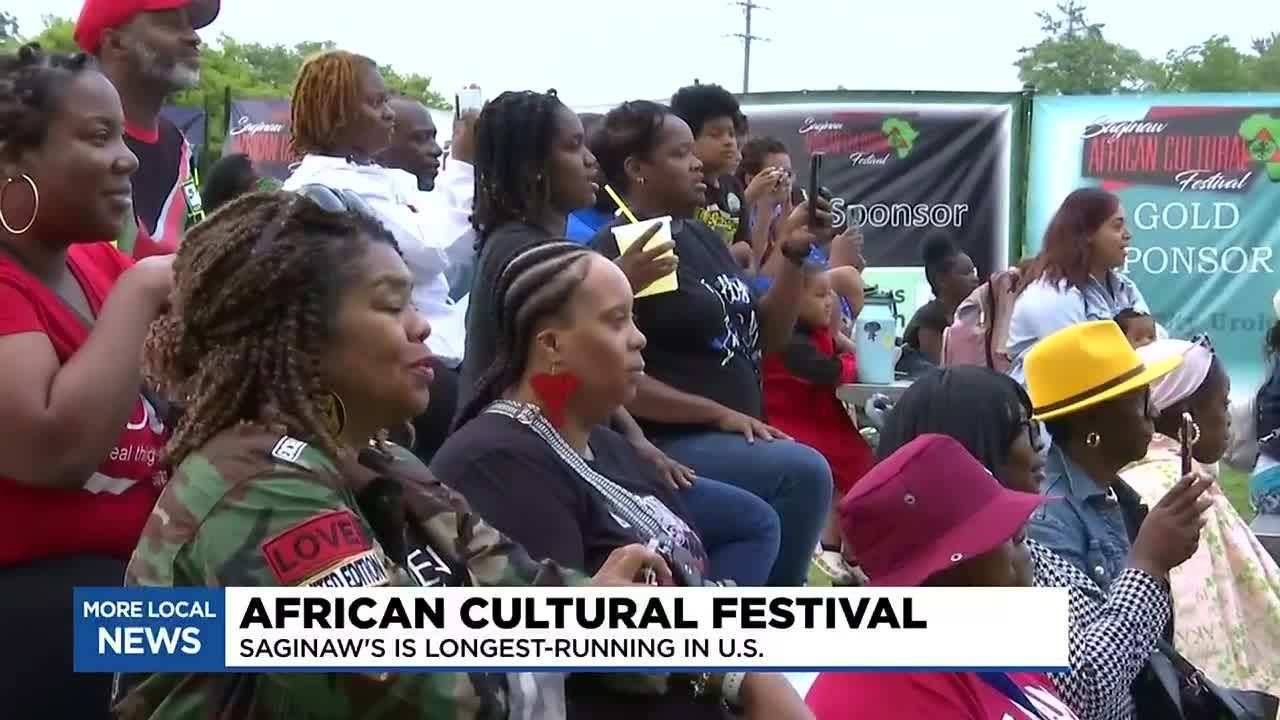
Both governmental bodies and grassroots organizations play a pivotal role in mitigating the negative impacts of globalization on local cultures. Policy measures that regulate the importation of foreign media products, along with financial support for local media production, can create environments that nurture cultural diversity. Additionally, community-driven cultural festivals and heritage days bolster communal pride and provide forums for intergenerational dialogue about the importance of traditional values.
Leveraging Digital Media for Cultural Resilience
Digital technology, while a conduit for Western influence, also offers opportunities for strengthening cultural resilience. Social media platforms and digital archives are potent tools for documenting and disseminating indigenous knowledge. By curating content that emphasizes culturally significant practices, communities can maintain a strong cultural presence in the digital sphere.
Case Study: Digital Archives and Social Movements
Several African countries have initiated digital archiving projects to preserve cultural artifacts, oral histories, and traditional music. These initiatives not only safeguard cultural heritage but also enable global audiences to access and appreciate the richness of African cultures. Additionally, social movements that promote cultural pride have taken advantage of digital spaces to mobilize support for indigenous values.
Analytical Overview and Comparative Data
Comparative Table on Cultural Impact
| Aspect | Western Media Influence | Indigenous Cultural Resilience |
|---|---|---|
| Content Narrative | Stereotyped portrayals, focus on individualism | Narratives centered on communal values and local folklore |
| Language Usage | Dominance of global languages; tech-oriented terminologies | Promotion of indigenous languages and local idioms |
| Visual Representations | High-quality production emphasizing modern lifestyles | Authentic depictions of traditional attire, rituals, and landscapes |
| Educational Focus | Western-centric educational content | Inclusion of local history, storytelling, and cultural heritage in curriculums |
| Community Engagement | Promotion of individual achievement and material success | Strengthening of communal bonds and intergenerational knowledge transmission |
The table above synthesizes key comparative dimensions between dominant Western media influences and initiatives that actively promote indigenous cultural resilience. It illustrates how different aspects of cultural communications can embody either the challenges of external influences or the strategic responses that bolster cultural identity.
Recommendations for Further Research and Policy
Cultural Policy and Regulation
Policymakers should take a proactive stance in preserving cultural diversity by creating regulations that balance foreign and local media influences. Such regulations might include quotas for locally produced content, support for cultural initiatives, and restrictions on the overload of foreign media in public broadcasting. These measures can provide space for indigenous voices to flourish in domestic markets.
Regulatory Frameworks
Governments can collaborate with cultural institutions and community organizations to develop frameworks that protect cultural heritage while embracing the benefits of globalization. A well-designed cultural policy can serve as a guideline for funding, content creation, and the implementation of educational programs that reinforce indigenous values.
Research on Hybrid Narratives
In-depth research is needed to explore the hybrid cultural narratives emerging from the intersection of Western media influence and indigenous practices. Such studies can provide insights into how African communities are reinterpreting their identities in response to globalization. These narratives often reveal complex negotiations between the past and the present, which may offer models for cultural preservation that are both contemporary and rooted in tradition.
Embracing Complexity
Research in this area should focus on case studies, ethnographic studies, and media analysis to document how African communities are selectively integrating Western influences without compromising their intrinsic values. This balanced approach can ultimately inform policies aimed at promoting inclusivity and maintaining cultural heterogeneity.
References
- Globalization and African Identity - JSTOR
- Impact of Globalization on African Culture - Medwin Publishers
- The Impact of Globalization on Cultural Identity
- Digital Media and Cultural Globalization - Science Publishing Group
- Globalization and African Culture: The Nigerian Experience
Recommended Related Queries
Last updated March 5, 2025