
Globalization's Impact on Japan's National Economy
In-depth Exploration of Trade, Investment, and Structural Shifts
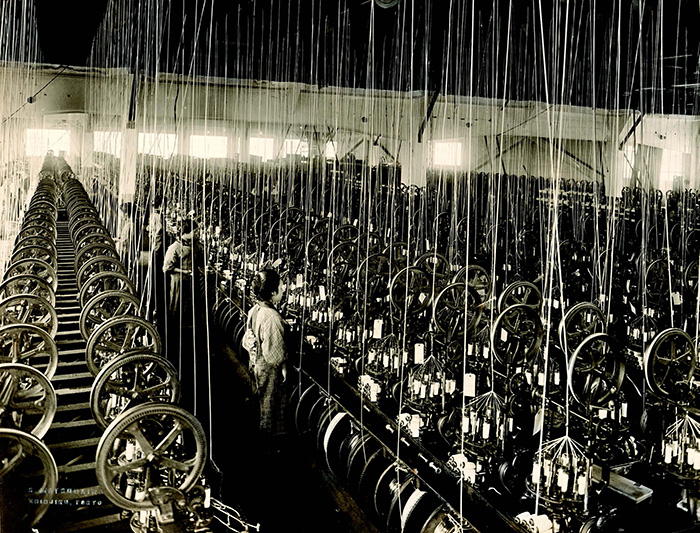
Key Highlights
- Enhanced Trade and Investment – Globalization has expanded Japan's international trade and outward foreign direct investment, boosting economic growth.
- Productivity and Innovation – Integration into global networks has improved productivity through access to advanced technology, management expertise, and cost-efficient inputs.
- Economic and Social Challenges – Despite benefits, Japan faces challenges such as domestic industry restructuring, income inequalities, and environmental impacts.
Overview of Globalization and Its Economic Context in Japan
Globalization refers to the process of increased interconnectedness among countries through an expansion of international trade, investment, technology transfer, and cultural exchange. Japan has long been a major player in the global market, and its economic landscape has been significantly shaped by these global trends over the past few decades. The interplay between increased trade, outward foreign direct investment (FDI), and evolving production networks has transformed the way Japan operates on the world stage. While the country has reaped substantial benefits from globalization, it has also faced certain challenges linked to industrial restructuring, domestic market pressures, and social changes.
Dynamics of Trade and Investment
Expansion of International Trade
Japan's history as a trading nation was further amplified by globalization. The country has seen significant increases in both exports and imports, which have been fundamental to its economic growth. With globalization, Japanese companies have accessed a broader range of markets, allowing them to scale operations and drive sales globally. This expansion has not only improved revenue streams for many businesses but also increased competition, pushing firms towards greater efficiency and innovation.
Global Trade Networks and Comparative Benefits
By engaging in global trade, Japan has been able to optimize its production processes by sourcing raw materials and intermediate goods from markets offering lower costs. This, in turn, has led to an overall improvement in the country’s productivity. The ability to import low-priced goods also benefits domestic consumers, who enjoy increased purchasing power and access to a variety of products.
| Aspect | Before Globalization | After Globalization |
|---|---|---|
| International Trade Volume | Moderate; primarily regional | Significantly increased; diversified markets |
| Export Capabilities | Specialized in certain manufactured goods | Expanded product range with access to global buyers |
| FDI Income Contribution | Lower contributions to current account balance | Dramatically higher with increased emphasis on outward FDI |
| Consumer Benefits | Limited product variety | Access to competitively priced, diverse goods |
This table highlights the transformation in various sectors of Japan's trading and investment profiles. With globalization, increased trade and investment have spurred the reconfiguration of production networks and enhanced consumer benefits.
Enhancements in Productivity and Corporate Innovation
Technology Transfer and Advanced Management Practices
One of the notable impacts of globalization on Japan’s economy is the significant improvement in productivity. Japanese firms have capitalized on the benefits of international exposure by incorporating advanced technologies and innovative management practices obtained through global collaborations, competitive pressures, and knowledge exchange. Companies engaged in exporting goods and investing overseas have demonstrated higher productivity levels, benefiting from learning effects that spur excellence in product quality and operational efficiency.
Enhanced Efficiency Through Innovation
The phenomenon of acquiring technology and management expertise from overseas has allowed Japanese manufacturers to continually refine their production processes. For instance, by establishing overseas production bases, companies are able to access new ideas and implement state-of-the-art practices, which not only boost their competitive standing but also contribute to a robust economic performance during periods of global economic shocks.
Moreover, production networks that span multiple countries reduce risks and enable firms to respond more quickly to market changes. Access to a broad range of markets and a diversity of production inputs further contributes to the overall resilience of Japan’s economy. Such integrated global value chains reduce the impact of localized economic downturns, helping companies sustain growth amid global uncertainties.
Structural and Social Impacts of Globalization
Economic Structural Changes
Globalization has initiated a series of structural changes in Japan's economy, most notably a shift from traditional manufacturing toward a more diversified, service-oriented economy. This transition, often accompanied by the phenomenon known as "industrial hollowing-out," occurs as companies relocate manufacturing operations overseas to exploit lower labor costs and favorable market conditions. While such moves enhance overall corporate competitiveness, they also result in the contraction of domestic manufacturing activities.
Restructuring Labor Markets and Industrial Distribution
The reduced presence of domestic production in some sectors has led to noticeable shifts in labor market dynamics. Workers previously employed in traditional industries often face challenges as industries reorganize and modernize. This structural transformation contributes to a widening wage gap between sectors. On one side, high-technology and export-oriented industries flourish with competitive salaries, while traditional sectors might experience stagnation or decline.
In addition to the direct economic impact, the cultural and social landscape of Japan has also evolved. The influx of foreign goods and international businesses has influenced consumer behavior and broadened cultural perspectives. Global product standards and brands have gradually become interwoven with local customs, resulting in a unique blend of tradition and modernity.
Challenges of External Dependence
While the benefits of globalization are significant, Japan's increased reliance on global markets poses some inherent challenges. The national economy becomes more vulnerable to external factors such as fluctuations in global market conditions, exchange rate variations, and economic slowdowns in major trading partner countries. For example, an appreciation of the yen may compel companies to shift production abroad in order to remain price competitive, which in turn can lead to reduced domestic job opportunities.
Macro-Economic Stability and External Vulnerabilities
The interplay between domestic policies and international market dynamics is delicate. While globalization has provided avenues for growth, it also necessitates vigilant macroeconomic management to buffer against potential risks. External shocks, such as financial crises in key economies or sudden changes in trade policies, can impact Japan’s export-led growth model and complicate domestic economic planning.
Environmental and Social Considerations
Environmental Impacts
Globalization impacts more than just fiscal and industrial areas; it also carries important environmental considerations. Japan's greater integration into global supply chains has sometimes meant increased consumption of non-renewable resources and heightened energy usage. This has had repercussions on the country's environmental footprint. As industries focus on competitiveness and cost-efficiency, concerns related to sustainability, waste management, and resource conservation have gained prominence.
Balancing Economic Growth with Sustainable Practices
Recognizing the environmental challenges, Japanese policymakers and industry leaders are actively engaging in initiatives aimed at reducing carbon emissions, promoting renewable energy sources, and enhancing energy efficiency. This approach is gradually reshaping the landscape of production and consumption in Japan to accommodate more lasting economic growth. Although these adjustments require significant upfront investments, they are increasingly recognized as essential for ensuring long-term economic and environmental stability.
Social and Cultural Adjustments
Beyond the economic sphere, globalization has left a mark on Japanese social and cultural dynamics. The widespread availability of foreign products and the influence of global media have contributed to changes in lifestyle and consumer preferences. While this exposure fosters cultural diversity and a more cosmopolitan society, it also presents challenges related to preserving national identity and balancing traditional values with modern global influences.
The shift in cultural trends also manifests in how businesses engage with local communities. There is an increasing emphasis on social responsibility, and companies are more frequently held to global standards relating to labor rights, environmental practices, and corporate governance. This broader perspective helps enhance corporate image internationally while simultaneously addressing domestic expectations.
Recent Adaptations and Future Outlook
Adapting to Global Uncertainties
As global economic conditions continue to evolve, Japan is strategically adapting to maintain stable growth. Recognizing the vulnerabilities that come with deeper integration into global markets, policymakers have implemented measures to enhance economic resilience. Investments in advanced technologies, human capital development, and innovative infrastructure projects are central to these efforts.
Focus on Sustainable Economic Strategies
Recent trends suggest that Japan is gradually shifting towards a model of "mild nominal growth" bolstered by a strategic emphasis on sustainability and innovation. This involves striking a balance between harnessing the benefits of globalization and mitigating its risks. By encouraging local industries to adopt global best practices and ensuring that the inevitable restructuring of the economy does not leave vulnerable populations behind, Japan is working to create a more inclusive economic environment.
In crafting its economic policies, Japan has also placed greater emphasis on improving productivity while preserving cultural and environmental integrity. These dual objectives form the cornerstone of Japan's approach to economic reform and serve as a template for navigating the increasingly complex global economic landscape.
Statistical Snapshot
Key Economic Indicators
To better illustrate the impacts of globalization on Japan, the following table provides a snapshot of critical indicators before and after major globalization trends took deeper root in the economy:
| Indicator | Historical Context | Post-Globalization |
|---|---|---|
| Trade Volume | Primarily regional with moderate international exposure | Significantly expanded with diverse market channels worldwide |
| Outward FDI Income | Modest, limited mainly to neighboring countries | Dramatically increased with a strong presence in Asian and global markets |
| Productivity Growth | Steady but relatively low compared to peers | Boosted by technology transfer and global best practices |
| Domestic Industry Restructuring | Stable, with traditional manufacturing dominant | Shift towards a more diversified economic structure with increased services and technology sectors |
This statistical overview encapsulates the broad changes experienced by Japan due to globalization. It underscores how pivotal increased trade, investment, and technology exchanges have been in shaping the modern Japanese economy.
References
-
Economic White Paper 2008 - Ministry of Economy, Trade and Industry
- Global Economic Landscape Discussion - Bank of Japan
- Globalization Impacts - World Insight
- Economic Forecasters - Economy Middle East
- In-depth Analysis - Nippon
- Government White Paper - Cabinet Office
- Economic Outlook - UBS
-
Globalization Effects Analysis - Prime Essays
- Domestic Adjustments - JCIE
- Labour Market Impacts - ERIA Discussion Papers
Recommended Topics for Further Exploration
Last updated March 4, 2025