
Implementing a Secure WebSocket Proxy in Go
A Comprehensive Guide to Building and Configuring WebSocket SSL Proxies with Go
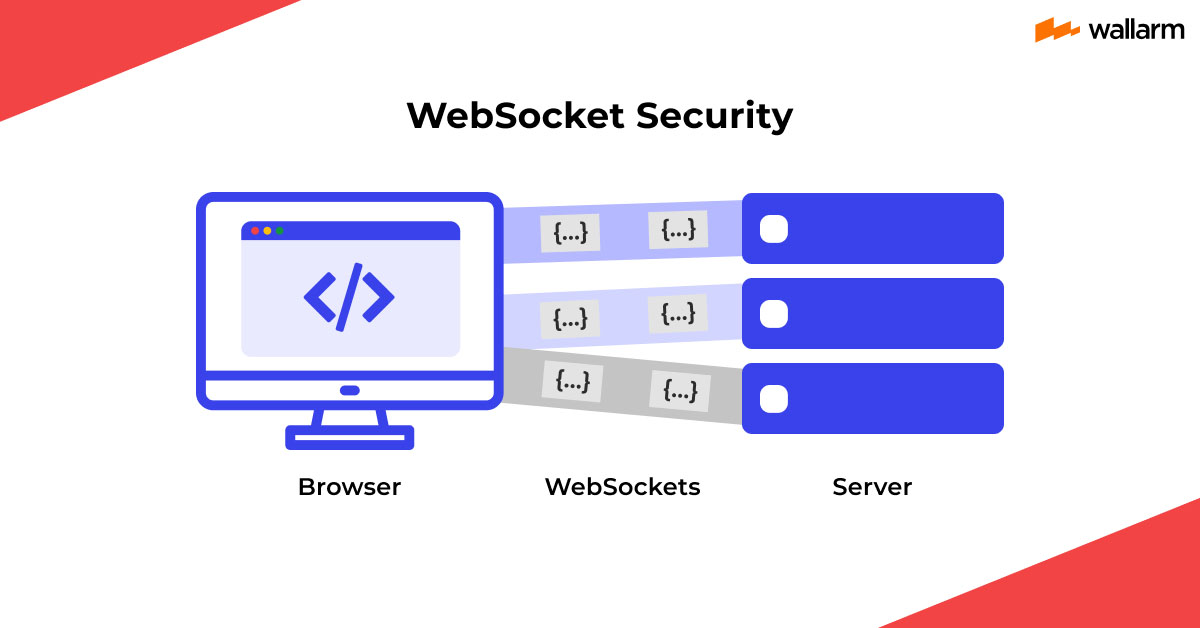
Key Takeaways
- Understanding WebSocket and SSL Integration: Grasping the fundamentals of the WebSocket protocol and secure SSL/TLS connections is essential for building a robust proxy.
- Leveraging Go's Powerful Libraries: Utilizing libraries like
gorilla/websocketandwebsocketproxysimplifies the implementation of WebSocket proxies in Go. - Ensuring Security and Performance: Proper SSL certificate management, handling protocol upgrades, and optimizing connection handling are critical for a secure and efficient proxy.
Introduction
WebSockets provide a full-duplex communication channel over a single TCP connection, enabling real-time data transfer between clients and servers. Securing these connections with SSL/TLS transforms WebSocket (WS) into WebSocket Secure (WSS), ensuring data integrity and confidentiality. Implementing a WebSocket SSL proxy in Go involves setting up a reverse proxy that can handle both WS and WSS connections, manage SSL certificates, and ensure seamless message forwarding between clients and backend servers.
Understanding WebSockets and SSL
WebSocket Protocol
WebSocket is a protocol that enables persistent, two-way communication between clients and servers. Unlike standard HTTP requests, which follow a request-response model, WebSockets allow for bi-directional data flow, making them ideal for applications requiring real-time updates, such as chat applications, live feeds, and online gaming.
SSL/TLS Security
Secure Sockets Layer (SSL) and its successor, Transport Layer Security (TLS), are cryptographic protocols designed to provide secure communication over a computer network. When applied to WebSockets, SSL/TLS encrypts the data transmitted, preventing eavesdropping, tampering, and message forgery. Implementing SSL/TLS is crucial for protecting sensitive data and maintaining user trust.
Essential Components for a WebSocket SSL Proxy in Go
1. Go Programming Language
Go, also known as Golang, is a statically typed, compiled language designed for simplicity and high performance. Its concurrency model, built around goroutines and channels, makes it well-suited for handling multiple simultaneous WebSocket connections efficiently.
2. WebSocket Libraries
Several libraries facilitate the implementation of WebSocket servers and proxies in Go. The most notable among them are:
Gorilla WebSocket
The gorilla/websocket package is a widely used library that provides robust WebSocket handling capabilities, including connection upgrades, message reading and writing, and error handling.
WebSocketProxy Libraries
Libraries such as koding/websocketproxy and pretty66/websocketproxy offer reverse proxy functionalities tailored for WebSocket connections, simplifying the process of forwarding messages between clients and backend servers.
3. SSL/TLS Certificates
To secure WebSocket connections, SSL/TLS certificates are required. These certificates can be obtained from recognized Certificate Authorities (CAs) or generated for testing purposes using tools like OpenSSL. Proper management of these certificates is vital for establishing trusted and encrypted connections.
4. Reverse Proxy Setup
A reverse proxy acts as an intermediary that receives client requests, forwards them to backend servers, and then returns the responses to the clients. In the context of WebSockets, the reverse proxy must handle protocol upgrades and ensure that both WS and WSS connections are managed correctly.
Step-by-Step Implementation
1. Setting Up the Go Environment
Ensure that Go is installed on your system. You can download it from the official website and follow the installation instructions relevant to your operating system.
Initialize a new Go module for your project:
go mod init websocket-ssl-proxy2. Installing Necessary Packages
Install the gorilla/websocket and websocketproxy packages using the Go package manager:
go get github.com/gorilla/websocket
go get github.com/koding/websocketproxy
3. Obtaining SSL/TLS Certificates
For production environments, obtain SSL/TLS certificates from a trusted CA. For testing purposes, you can generate self-signed certificates using OpenSSL:
openssl genrsa -out server.key 2048
openssl req -new -x509 -sha256 -key server.key -out server.crt -days 3650
Follow the prompts to input information for the certificate. Ensure that the domain or IP address matches your proxy server's address.
4. Creating the Reverse Proxy
Develop the proxy by creating a Go file, for example, proxy.go, and implement the reverse proxy logic. Below is a comprehensive example:
Proxy Implementation with Gorilla WebSocket and Koding WebSocketProxy
package main

import (
    "flag"
    "log"
    "net/http"
    "net/url"

    "github.com/gorilla/websocket"
    "github.com/koding/websocketproxy"
)

var (
    targetURL  = flag.String("target", "wss://backendserver.com/socket", "Backend WebSocket Server URL")
    listenAddr = flag.String("listen", ":8443", "Address to listen on (with TLS)")
    certFile   = flag.String("cert", "server.crt", "Path to SSL certificate file")
    keyFile    = flag.String("key", "server.key", "Path to SSL key file")
)

func main() {
    flag.Parse()

    // Parse the backend WebSocket server URL
    backend, err := url.Parse(*targetURL)
    if err != nil {
        log.Fatalf("Invalid target URL: %v", err)
    }

    // Create a new WebSocket proxy
    proxy := websocketproxy.NewProxy(backend)

    // Optional: Modify headers before proxying
    proxy.Header = http.Header{
        "X-Forwarded-For": []string{"proxy"},
    }

    // Define the handler for incoming WebSocket connections
    http.HandleFunc("/", func(w http.ResponseWriter, r *http.Request) {
        // Upgrade the incoming request to a WebSocket connection
        upgrader := websocket.Upgrader{
            CheckOrigin: func(r *http.Request) bool {
                return true // Implement origin check as needed
            },
        }

        conn, err := upgrader.Upgrade(w, r, nil)
        if err != nil {
            log.Printf("WebSocket Upgrade error: %v", err)
            return
        }
        defer conn.Close()

        // Proxy the WebSocket connection
        proxy.ServeHTTP(w, r)
    })

    log.Printf("Starting secure WebSocket proxy on https://localhost%s forwarding to %s", *listenAddr, *targetURL)
    // Start the HTTPS server with SSL certificates
    err = http.ListenAndServeTLS(*listenAddr, *certFile, *keyFile, nil)
    if err != nil {
        log.Fatalf("ListenAndServeTLS error: %v", err)
    }
}
5. Running the Proxy Server
Execute the proxy server using the Go runtime:
go run proxy.go -listen=":8443" -target="wss://backendserver.com/socket" -cert="server.crt" -key="server.key"
The proxy will listen on port 8443 for secure WebSocket connections and forward them to the specified backend server.
6. Testing the Proxy
Use a WebSocket client to connect to the proxy URL, for example, wss://localhost:8443. Ensure that the connection is established successfully and that messages are correctly relayed between the client and backend server.
Detailed Configuration and Best Practices
SSL/TLS Configuration
Certificate Management
Proper management of SSL/TLS certificates is crucial for maintaining secure connections. Ensure that certificates are:
-
Issued by a trusted Certificate Authority (CA)
-
Configured with correct domain names
-
Regularly updated and not expired
Handling Certificate Files
Store certificate and key files securely, restricting access to authorized personnel only. It's advisable to use environment variables or configuration files to manage file paths and avoid hardcoding sensitive information.
WebSocket Connection Upgrades
WebSocket connections start as standard HTTP(S) requests and require an upgrade to the WebSocket protocol. Properly handling this upgrade is essential for maintaining seamless communication channels.
Upgrading HTTP Connections
Utilize the gorilla/websocket upgrader to transition HTTP requests to WebSocket connections. Implement appropriate origin checks to prevent unauthorized access and potential security vulnerabilities.
Managing Headers
Forward necessary headers, such as Upgrade and Connection, to ensure proper protocol negotiation. Additionally, manage custom headers for authentication or routing as required by your application.
Security Enhancements
Origin Validation
Implement strict origin validation to ensure that only trusted clients can establish WebSocket connections. Modify the CheckOrigin function within the upgrader to enforce domain restrictions.
Authentication and Authorization
Incorporate authentication mechanisms, such as token-based authentication, to verify the identity of clients. Ensure that only authorized users can access specific WebSocket endpoints, thereby enhancing the security of your proxy.
Performance Optimization
Connection Pooling
Implement connection pooling strategies to manage and reuse existing connections efficiently. This reduces overhead and improves the scalability of your proxy under high-load scenarios.
Concurrency Handling
Leverage Go's concurrency model by utilizing goroutines to handle multiple WebSocket connections simultaneously. Ensure that your proxy can manage high concurrency without performance degradation.
Resource Management
Monitor and manage system resources, such as memory and CPU usage, to prevent bottlenecks. Implement efficient garbage collection and limit resource-intensive operations within your proxy.
Example Configuration Patterns
Using Gorilla WebSocket with Custom Settings
Customize the upgrader to enforce security policies and manage connection parameters effectively:
// Define a custom upgrader with specific read/write buffer sizes and origin checks
var upgrader = websocket.Upgrader{
    ReadBufferSize:  1024,
    WriteBufferSize: 1024,
    CheckOrigin: func(r *http.Request) bool {
        // Allow connections only from specific origins
        allowedOrigins := []string{"https://yourdomain.com"}
        origin := r.Header.Get("Origin")
        for _, o := range allowedOrigins {
            if o == origin {
                return true
            }
        }
        return false
    },
}
NGINX as a Reverse Proxy for SSL Termination
Alternatively, NGINX can be configured as a reverse proxy to handle SSL termination, forwarding decrypted traffic to your Go-based WebSocket server. This offloads SSL processing from your application and provides additional flexibility.
server {
    listen 443 ssl;
    server_name yourdomain.com;

    ssl_certificate /path/to/server.crt;
    ssl_certificate_key /path/to/server.key;

    location /ws/ {
        proxy_pass http://localhost:8080/ws/;
        proxy_http_version 1.1;
        proxy_set_header Upgrade $http_upgrade;
        proxy_set_header Connection "Upgrade";
        proxy_read_timeout 86400;
    }

    location / {
        proxy_pass http://localhost:8080/;
        proxy_set_header Host $host;
        proxy_set_header X-Real-IP $remote_addr;
    }
}
This configuration sets up NGINX to listen on port 443 for HTTPS connections, terminating SSL and forwarding WebSocket requests to the Go server running on port 8080.
Comparison of WebSocket Proxy Libraries
| Library | Features | Pros | Cons |
|---|---|---|---|
koding/websocketproxy |
Built on gorilla/websocket, supports WSS, header modification |
Easy integration, robust WebSocket handling | May include additional dependencies |
pretty66/websocketproxy |
Lightweight, supports WS and WSS, minimal dependencies | Simple implementation, lightweight footprint | Limited features compared to other proxies |
yhat/wsutil |
Provides WebSocket utilities, reverse proxy implementation | Flexible and extensible | Requires more custom setup |
Advanced Topics
Handling Subprotocols
WebSockets support subprotocols, allowing clients and servers to agree on a specific protocol within the WebSocket connection. Ensure that your proxy correctly forwards the Sec-WebSocket-Protocol header to maintain subprotocol agreements.
Custom Header Forwarding
In scenarios requiring authentication tokens or custom routing, modify and forward additional HTTP headers. This ensures that backend servers receive necessary context or credentials for processing client requests.
Connection Timeouts and Keep-Alives
Configure appropriate timeout settings to manage idle connections and prevent resource exhaustion. Implement keep-alive mechanisms to maintain active connections without unnecessary reconnections.
Common Challenges and Solutions
Handling Connection Upgrades Failures
Connection upgrade failures can occur due to misconfigured headers or strict origin policies. Ensure that your upgrader is correctly set up, and validate that the client's origin is permitted based on your application's security requirements.
Managing High Concurrency
High concurrency can strain server resources. Optimize your Go code by leveraging goroutines efficiently and implementing rate limiting or connection pooling to manage the number of active connections.
SSL Certificate Errors
SSL certificate mismatches or expirations can lead to connection refusals. Regularly monitor certificate validity and ensure that the proxy is configured with the correct certificate files. Automate certificate renewal processes where possible.
Conclusion
Implementing a secure WebSocket proxy in Go involves a comprehensive understanding of both the WebSocket protocol and SSL/TLS security mechanisms. By leveraging Go's powerful libraries, such as gorilla/websocket and websocketproxy, developers can create efficient and secure proxies that handle real-time communications with ease. Ensuring proper SSL certificate management, handling connection upgrades meticulously, and optimizing performance are pivotal for building robust proxy solutions. As real-time applications continue to grow in demand, mastering the implementation of WebSocket SSL proxies in Go will be invaluable for developers aiming to deliver seamless and secure user experiences.
References
Last updated February 16, 2025