
Concept Note: Evaluation of Export Certification Barriers for Pastoral Goat Producers in Wajir County
A comprehensive analysis of certification challenges and trade opportunities
Highlights
- Identification of Key Barriers: Detailed analysis of regulatory, infrastructural, and market-related certification challenges.
- Mixed-Method Approach: Employing literature reviews, surveys, interviews, and focus groups to ensure robust insights.
- Actionable Recommendations: Strategies for capacity building, policy reform, and infrastructure enhancement to boost export market access.
Introduction and Background
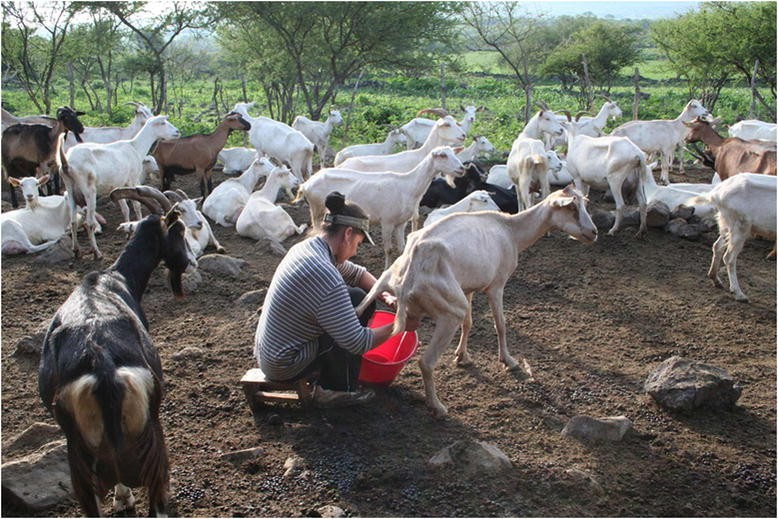
Pastoral goat production plays an essential role in the socioeconomic landscape of Wajir County, Kenya. The pastoral communities depend heavily on goat rearing both for livelihood and food security, while goats contribute significantly to cross-border trade in the region. However, these producers have consistently encountered significant hurdles, primarily in the realm of export certification. The process of obtaining export certification is a critical prerequisite for market access, especially in international trade, where stringent quality, health, and regulatory requirements must be met.
The export certification barriers faced by pastoral goat producers stem from various sources. On one side, there exists a complex web of regulations and standards, such as International Organization for Standardization (ISO) guidelines, Hazard Analysis and Critical Control Point (HACCP) criteria, and specific animal health certifications that are mandatory for export. On the other hand, local challenges, including limited access to veterinary services, inadequate infrastructure, traditional production systems, and insufficient information regarding export procedures, exacerbate the situation. These barriers not only impede the opportunity for producers to tap into international markets but also affect their income, operational sustainability, and overall economic growth in the region.
The importance of this evaluation is underpinned by the need to provide pastoral goat producers with a clearer understanding of the specific certification hurdles they face, identify gaps in existing practices, and propose actionable strategies that could be employed by local authorities and stakeholders. The study targets both micro-level challenges (such as individual producer knowledge and resources) and macro-level issues (such as regulatory and infrastructural inadequacies). Such an evaluation is also crucial for informing policymakers and international trade bodies on creating a conducive environment for the export of goat products.
Objectives
Primary Goals
- Identify and Analyze Barriers: Examine the regulatory and operational challenges associated with export certification faced by pastoral goat producers.
- Assess Infrastructure and Services: Evaluate the current state of veterinary services, production facilities, and logistical support in Wajir County.
- Evaluate Impact on Livelihoods: Determine the socioeconomic effects of inadequate export certification processes on pastoral communities.
- Develop Recommendations: Propose policy interventions, capacity-building programs, and infrastructural improvements to facilitate certification and market access.
Detailed Objectives
This evaluation aims to:
- Map the existing export certification requirements for goat products in target export markets.
- Assess the adequacy of the current export certification systems and identify critical gaps.
- Understand the operational challenges faced by producers, including traditional production methods that may not comply with modern standards.
- Explore the impact of inadequate infrastructure and reduced access to veterinary and technical support on certification success rates.
- Recommend comprehensive strategies and support frameworks to help overcome the identified barriers and boost export performance.
Methodology
A mixed-methods approach will be adopted to ensure a thorough evaluation of export certification barriers. The integration of both qualitative and quantitative methods provides a holistic view of the challenges and opportunities. This approach includes:
1. Literature Review
An extensive review of existing literature will be conducted. This includes analyzing academic journals, governmental publications, trade reports, and previous studies addressing export certification challenges in the pastoral and livestock sectors.
2. Field Surveys and Questionnaires
Surveys will be administered to a representative sample of pastoral goat producers across Wajir County. These surveys aim to capture quantitative data on the incidence of certification challenges, infrastructural constraints, and the economic impact on households.
3. Key Informant Interviews
Interviews with strategic stakeholders — including local government officials, animal health experts, export agency representatives, and community leaders — will provide qualitative insights. These sessions will elicit detailed narratives on the certification process, key obstacles, and potential remedial measures.
4. Focus Group Discussions
To further enrich the collected data, focus groups with pastoral goat producers will be organized. These discussions will assist in diving deeper into the experiences of producers regarding certification practices and shared challenges.
5. Case Studies
Comparative analysis with similar regions and successful export initiatives will be conducted to identify best practices. This will include studying strategies employed in other parts of Kenya and neighboring countries that have effectively navigated certification barriers.
Expected Outcomes
By conducting this evaluation, several key outcomes are anticipated:
- Comprehensive Documentation: A detailed report outlining the specific export certification barriers faced by pastoral goat producers in Wajir County.
- Informed Policy Recommendations: Evidence-based strategies to revise and improve current certification frameworks. This includes proposals for enhanced training programs, streamlined regulatory procedures, and improved infrastructural support.
- Economic Impact Analysis: Insights into how export certification challenges directly affect the income and quality of life for pastoral communities, thereby serving as a basis for targeted interventions.
- Capacity Building Initiatives: Identification of skills and knowledge gaps that need to be addressed through specialized training for producers and local stakeholders.
- Market Integration Strategies: Action plans to more effectively integrate pastoral goat products into international markets by adhering to globally recognized standards.
- Stakeholder Engagement Roadmap: Recommendations for improved cooperation among governmental bodies, certification agencies, and the local community.
The expected outcome is not only a deeper understanding of the certification barriers but also a formulated pathway to reduce these hurdles, thereby enhancing the competitiveness of goat products in international markets. This comprehensive approach can ultimately drive increased export volumes, improve local economic conditions, and set a replicable model for similar regions.
Detailed Analysis with Supporting Table
To better articulate the various dimensions of this evaluation, the following table summarizes the key components of the study:
| Aspect | Key Elements and Actions |
|---|---|
| Export Certification Requirements |
- Detailed review of international standards (ISO, HACCP) - Regulations specific to animal health and food safety - Cross-border trade guidelines and documentation |
| Challenges: Regulatory and Infrastructural |
- Complex and changing regulatory environment - Limited access to necessary veterinary and technical services - Inadequate production facilities and logistical support |
| Methodological Approach |
- Comprehensive literature reviews - Structured surveys and questionnaires - In-depth interviews with key stakeholders - Focus group discussions and case studies |
| Impacts on Pastoral Communities |
- Economic effects due to market access delays - Social implications, including decreased livelihoods and food security - Missed opportunities for economic diversification and growth |
| Recommendations and Strategies |
- Policy reforms to simplify certification processes - Capacity building and technical support for producers - Infrastructure upgrades to support quality compliance - Enhanced stakeholder collaboration and resource-sharing mechanisms |
The above table organizes the evaluation process into clear categories, aiding both local and international stakeholders in understanding the multilayered challenges that hinder a smooth export certification process. This structural framework will be instrumental in guiding policy reforms and operational improvements.
Citations and References
The study draws on several key sources that have contributed to the understanding of export certification barriers as well as pastoral production systems in regions similar to Wajir County. These references provide crucial context, methodologies, and insights which have informed the evaluation.
- A Review of Cross-Border Trade in the Horn of Africa - World Bank
- The Goat Gap: Opportunities in Global Trade of Goat Products - Husfarm
- Livestock Exports from the Horn of Africa - DLCI
- Quality Constraints in the Market Chains for Export of Small Ruminants - ResearchGate
- Coverage Report: Access and Infrastructure in Wajir - Nutrition Health Kenya
The selected citations not only establish the authority of the research findings but also serve as valuable resources for further exploration of the topics discussed in this evaluation.
Recommended Queries for Further Exploration
 aesengagement.wordpress.com
Last updated March 19, 2025