
Five Forces Analysis of Goat Farming in South Cotabato
Understanding the Competitive Landscape for Sustainable Growth
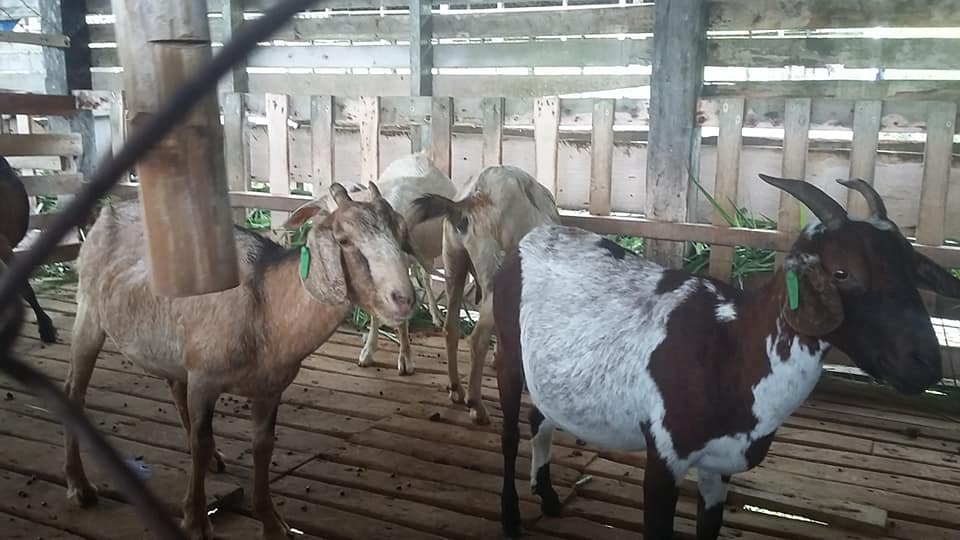
Key Takeaways
- Moderate Threat of New Entrants: While initial costs are manageable, scaling and specialized knowledge pose challenges.
- Balanced Supplier and Buyer Power: Local resources mitigate supplier dominance, but buyer competition requires product differentiation.
- High Threat from Substitutes and Rivalry: Availability of alternative proteins and numerous competitors necessitate strategic innovation.
Comprehensive Analysis of Porter's Five Forces
1. Threat of New Entrants
The goat farming industry in South Cotabato presents a moderate threat of new entrants. The barriers to entry are relatively low for small-scale operations due to manageable initial investments. However, scaling to a commercial level requires significant capital, expertise, and access to resources. New entrants must navigate local agricultural zoning, secure land, and obtain necessary permits, which can be challenging without regional knowledge. Additionally, specialized knowledge in Halal goat production and disease management acts as a deterrent, ensuring that only those with proper training and resources can successfully enter and compete in the market.
a. Capital Investment
Starting a small-scale goat farm requires limited funds, making it accessible for many aspiring farmers. However, expanding operations necessitates substantial investment in infrastructure, breeding stock, and advanced veterinary services.
b. Expertise and Knowledge
New entrants must possess or acquire specific knowledge in goat breeding, disease management, and market dynamics. Lack of expertise can lead to inefficiencies and higher operational costs.
c. Regulatory Hurdles
Compliance with local regulations, environmental permits, and veterinary controls adds complexity to entering the market. Government support programs can lower these barriers, but they also increase competition by making the industry more attractive.
2. Bargaining Power of Suppliers
Suppliers in the goat farming sector hold moderate bargaining power. The availability of local feed resources reduces dependency on external suppliers, but specialized inputs like veterinary drugs and high-quality breeding stock can increase supplier influence. Fluctuations in feed prices and limited access to advanced veterinary services also affect the farmers' costs and operational stability.
a. Feed and Nutrition
Local forages available in South Cotabato lessen the reliance on imported feed, thereby reducing supplier power. However, the volatility in feed prices can impact overall profitability.
b. Veterinary Services
Specialized veterinary services are limited in the region, increasing their bargaining power. Farmers may face higher costs and limited options for veterinary care, especially for disease management and health optimization.
c. Collective Bargaining
Farmers forming cooperatives or participating in training programs can collectively negotiate better terms with suppliers, thereby mitigating individual supplier power.
3. Bargaining Power of Buyers
The bargaining power of buyers is significant due to the presence of numerous local markets, restaurants, and potential export opportunities targeting the Halal market. When many farmers compete for the same buyers, price pressures increase, potentially driving down margins. However, differentiation through organic practices or Halal certification can provide farmers with greater leverage and reduce buyer power by offering unique value propositions.
a. Market Competition
With numerous goat farmers in South Cotabato, buyers have the upper hand in negotiating prices and terms, especially if the market is saturated.
b. Product Differentiation
Farmers offering specialized products such as organic or Halal-certified goat meat and milk can command premium prices, thus reducing buyer bargaining power.
c. Buyer Segmentation
Diversifying the buyer base to include both local consumers and larger wholesale buyers can balance the bargaining power, preventing over-reliance on any single buyer group.
4. Threat of Substitute Products
The threat of substitutes remains moderate to high as consumers have access to alternative sources of protein such as beef, pork, chicken, and plant-based options. Cultural preferences play a role in mitigating this threat; in regions where goat products are traditionally favored, substitution is less likely. However, price competitiveness and shifting consumer preferences towards healthier or different dietary options can increase the substitute threat.
a. Alternative Proteins
The availability of other livestock products like cattle and poultry provides consumers with choices, potentially diverting demand from goat products.
b. Plant-Based Alternatives
The rise of plant-based diets and meat substitutes poses a long-term threat as consumer preferences evolve towards sustainable and health-conscious options.
c. Cultural Significance
In communities that culturally prefer goat meat and products, the threat of substitutes is reduced, supporting stable demand for goat farming outputs.
5. Rivalry Among Existing Competitors
Competitive rivalry is high among existing goat farmers in South Cotabato. The concentration of farms in the region leads to intense competition over market share, pricing, and customer loyalty. Factors such as land availability, resource access, and market access further exacerbate the rivalry. However, opportunities for differentiation through organic certification, Halal production, and value-added products can help reduce direct competition by targeting niche markets.
a. Market Concentration
A high number of small to medium-scale farms creates a competitive environment where farmers vie for the same buyers, driving down prices and margins.
b. Product Differentiation
Farms that innovate by offering unique products like organic goat meat or value-added dairy products can stand out, reducing direct competition and fostering customer loyalty.
c. Cooperative Models
Forming cooperatives or joining agricultural clusters can help farmers share resources, reduce costs, and implement collective marketing strategies, thereby mitigating competitive pressures.
Strategic Considerations for Goat Farmers
To navigate the competitive landscape effectively, goat farmers in South Cotabato should consider the following strategies:
-
Enhance Differentiation: Focus on quality, organic practices, and specialty products that cater to niche markets, such as Halal-certified goat meat and dairy.
-
Strengthen Networks: Build strong relationships with suppliers, government agencies, and cooperatives to improve bargaining positions and reduce input costs.
-
Adopt Innovative Practices: Invest in modern farm management techniques, animal health programs, and sustainable farming practices to remain competitive.
-
Market Expansion: Explore value-added processing and branding to increase consumer loyalty, targeting both local and export markets.
-
Monitor Trends: Stay informed on regional agricultural policies, consumer preferences, and alternative protein markets to adjust strategies promptly.
Summary Table of Porter's Five Forces
| Force | Impact Level | Key Factors |
|---|---|---|
| Threat of New Entrants | Moderate | Initial capital, expertise, regulatory hurdles |
| Bargaining Power of Suppliers | Moderate | Local feed availability, specialized veterinary services |
| Bargaining Power of Buyers | High | Numerous buyers, price sensitivity, product differentiation |
| Threat of Substitutes | High | Alternative proteins, plant-based options, cultural preferences |
| Competitive Rivalry | High | Numerous competitors, market saturation, need for innovation |
Conclusion
Goat farming in South Cotabato is situated within a competitive and dynamic environment, characterized by moderate to high pressures across Porter's Five Forces framework. The threat of new entrants is tempered by the need for specialized knowledge and capital for scaling operations. Suppliers maintain moderate power, primarily influenced by the availability of local resources and the necessity of specialized inputs. Buyers wield significant influence due to market competition, but product differentiation strategies can mitigate this power effectively.
The presence of substitute products poses a substantial threat, necessitating continuous innovation and strong cultural ties to maintain demand. Finally, competitive rivalry remains intense, driven by numerous local farmers and the need to differentiate through quality and specialized offerings. To achieve sustainable growth and a competitive edge, goat farmers must leverage strategic differentiation, strengthen industry networks, and adopt innovative farming practices. Government support and cooperative models further enhance the industry's resilience, enabling farmers to navigate external pressures and capitalize on emerging opportunities.
References
Last updated February 12, 2025