
Is All the Gold in Fort Knox?
Exploring U.S. Gold Reserves and Their Distribution
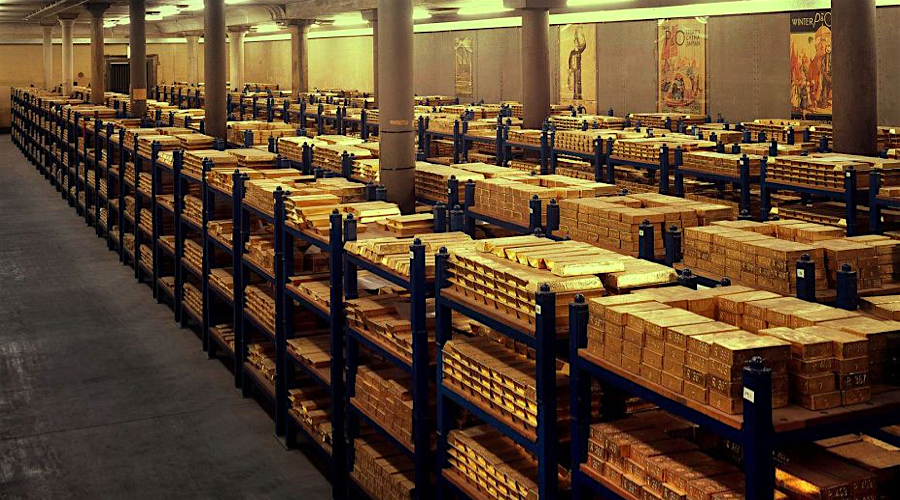
Highlights
- Fort Knox holds about half of the nation’s gold reserves.
- Multiple secure locations store U.S. gold, including the Denver and West Point Mints.
- No verifiable evidence exists that any gold from Fort Knox is missing.
Introduction
The question of whether all the gold in the United States is stored in Fort Knox has circulated for decades, often attracting curiosity, debate, and even controversy. Fort Knox, officially known as the United States Bullion Depository, is renowned for its secure vault and long-standing reputation. Despite its iconic status, Fort Knox does not house all of the nation's gold reserves. Instead, the U.S. government manages its gold holdings through multiple highly secured facilities across the country. In this in-depth analysis, we detail the history, current statistics, how the gold is distributed, and the significance of Fort Knox within this broader context.
Historical and Institutional Overview
The Formation of the U.S. Gold Reserves
The United States’ relationship with gold dates back to the late 18th century. As the country established its financial institutions, gold emerged as a cornerstone asset for ensuring economic stability, backing currency, and facilitating international trade. The gold reserves accumulated over time provided an essential bulwark, especially during periods of economic instability such as the Great Depression.
Establishment of Fort Knox
Fort Knox was constructed in 1936 amid the economic downturn of the Great Depression. It was designed not only to centralize the nation’s gold but also to safeguard it from potential invasions or internal threats. The facility’s robust design, unparalleled security measures, and strategic location in Kentucky have contributed significantly to its legendary status.
Design and Security Features
The security of Fort Knox is unparalleled. Its vault is outfitted with state-of-the-art technology, multiple layers of physical barriers, and stringent access protocols. Historically, only a handful of individuals have had clearance to access the vault, with even the President making very rare visits. These rigorous security protocols have helped dispel rumors and conspiracy theories suggesting any misappropriation of gold. The gold stored at Fort Knox is not only physically protected but also subject to strict auditing and oversight procedures.
Distribution of U.S. Gold Reserves
Overview of U.S. Gold Holdings
Despite the legendary status of Fort Knox, it is important to understand that it represents only a portion of the U.S. gold reserves. The total gold held by the U.S. government is distributed among several secure facilities. Current estimates indicate that Fort Knox holds approximately 147.3 million troy ounces of gold, which accounts for roughly 56% of the nation’s total gold reserves. The rest of the gold is stored at various other secure institutions.
Key Repositories of U.S. Gold
While Fort Knox is renowned in popular culture and commonly features in discussions about national wealth and security, the U.S. manages its reserves through a network of repositories. The following table summarizes the primary facilities and their approximate gold holdings:
| Location | Approximate Gold Holdings |
|---|---|
| Fort Knox (Kentucky) | 147.3 million troy ounces |
| Denver Mint (Colorado) | Over 43.8 million troy ounces |
| West Point Mint (New York) | Over 54 million troy ounces |
| Federal Reserve Bank of New York | Substantial amounts (serving foreign government reserves) |
Other Storage Facilities
Other than these primary locations, additional storage sites managed by the U.S. government and affiliated institutions also hold gold to meet strategic, economic, and logistical needs. The precise distribution across these facilities is often not entirely public due to security considerations. However, the foregoing institutions are widely recognized as the major depositories.
Auditing, Transparency, and Public Perception
Historical Audits and Transparency
A significant aspect of the discussion about Fort Knox and U.S. gold reserves involves ongoing auditing and transparency measures. The periodic auditing of gold reserves has historically been limited, with major audits taking place several decades ago. Comprehensive audits were last conducted during the latter half of the 20th century, inviting periodic calls for more frequent and modern evaluations.
Modern Calls for Auditing
In recent years, public figures and political leaders have resurrected the debate around the need for modern and transparent audits. Discussions in the media and on various platforms have underscored the importance of updated verification processes, particularly in light of conspiracy theories that question the integrity and completeness of the gold reserves. High-profile individuals, such as prominent business leaders, have occasionally suggested the need to verify that the gold is fully retained. However, these claims remain unsubstantiated by credible evidence.
Security and Misconceptions
Despite numerous conspiracy theories, no credible evidence supports claims that the amount of gold at Fort Knox is less than what is officially reported. The U.S. government, through the Department of the Treasury and related institutions, maintains strict protocols and security measures that safeguard the accuracy of the reported figures. The high levels of security and the longstanding reputation of Fort Knox serve as assurances that the physical gold holdings align with governmental records.
The Role of Public Opinion and Media Narratives
Impact of Media and Public Statements
Media narratives have occasionally played a significant role in shaping public perception regarding the state of the U.S. gold reserves. Sensational headlines and speculative editorials can amplify doubts or suspicions about the completeness of the gold reserves. For instance, remarks by influential public figures have triggered renewed debates, even though these comments are often based on speculative theories rather than audited data.
The Effect of Conspiracy Theories
Conspiracy theories concerning Fort Knox and its gold reserves have persisted over the years. These theories suggest that discrepancies might exist due to mismanagement or deliberate concealment. However, rigorous historical reviews, modern security measures, and regular albeit infrequent audits have largely debunked these theories. The consensus among experts is clear: while calls for more transparency are valid, there is no credible evidence to suggest any significant mismanagement or that gold is missing from Fort Knox.
Institutional Response and Ongoing Oversight
Government agencies responsible for these reserves understand the importance of public trust. While detailed operational data about the gold’s exact distribution is deliberately veiled for security, there are established protocols and oversight mechanisms in place. These include controlled access, internal audits, and occasional reviews by designated officials. This framework ensures that any deviations from the expected gold levels would likely be identified and addressed promptly.
Economic and Strategic Considerations
Market Value versus Book Value
The gold stored in these facilities is not only a symbol of national wealth but also a strategic asset in international finance. Historically, the book value of the gold—based on fixed prices—has been significantly lower than its current market value. While Fort Knox’s gold has a "book value" recorded at historical prices, its real-time market value, if ever liquidated, would be exponentially higher. Estimates place the market value of the gold stored in Fort Knox in the range of hundreds of billions of dollars.
Strategic Reserve Management
Beyond the symbolic value of these reserves, the gold holdings serve as a strategic economic buffer. In times of financial volatility or geopolitical unrest, such reserves can play a crucial role in stabilizing national and international markets. Consequently, the decision to distribute gold across various secure locations is seen as a prudent risk management strategy. The diversification of storage facilities mitigates the risks associated with storing a significant portion of national wealth in a single location.
Economic Implications for National Wealth
Gold is considered a safe-haven asset, and the substantial gold reserves contribute to the overall security of the nation’s financial system. They signal to international markets that the U.S. maintains a robust measure of backing for its currency and financial commitments. Additionally, the very existence of such gold reserves, irrespective of their distribution, lends confidence in the nation’s fiscal policies and strategic economic capabilities.
Comparative Analysis of Gold Distribution
Advantages of Diversified Storage
Storing gold in multiple locations offers several advantages compared with concentrating all reserves within a single facility like Fort Knox. Diversification enhances security by reducing the risk of catastrophic loss, whether it be due to military conflict, natural disasters, or potential insider threats. Additionally, the operational flexibility of having multiple locations enables more effective risk management and logistical planning.
Security Efficiency
A distributed system of storage decouples risk exposure. Should one location face an unforeseen event, the remaining reserves would continue to serve as a reliable hedge. This redundancy is a key element in national security protocols.
Transparency and Trust
While complete transparency can be challenging due to security reasons, having multiple independent audits and oversight mechanisms across different locations reinforces public trust. Each facility is managed under strict federal guidelines that ensure the physical gold matches the recorded amounts.
The Importance of Modernization in Audit Practices
Historical Audits and Modern Demands
One of the recurring themes in discussions about U.S. gold reserves is the modernization of audit practices. While previous audits have provided a solid framework for the verification of gold holdings, many experts and public figures have argued that updates are necessary. In today’s digital and interconnected world, the integration of modern accounting technologies and physical verification methods could further enhance the transparency and reliability of audit processes.
Implementing Advanced Technologies
Modern technologies, such as blockchain-based record keeping, remote monitoring systems, and advanced sensor networks, offer promising tools for more rigorous audits. These technologies could potentially provide real-time verification of the gold reserves, ensuring even greater accountability. However, considerations of national security and the risk of data breaches always shape the extent and manner of technological integration.
Institutional Resistance and Practical Challenges
Despite the recognized benefits of modernizing audit practices, implementing such changes is not without challenges. Concerns over revealing too much sensitive information, maintaining operational security, and mitigating cyber risks remain paramount. Thus, while there are calls for more frequent and technologically advanced audits, any such movement must balance transparency with the need to protect national security.
Addressing Common Myths and Misconceptions
Myth: All Gold is in Fort Knox
The misconception that all U.S. gold is stored in Fort Knox likely stems from its iconic status and its frequent mention in popular culture. While Fort Knox is one of the best-known depositories, it is crucial to recognize that it holds only one major share of the overall national gold reserves. Popular references often oversimplify the complex logistics behind managing such a significant national asset.
Myth: Gold is Missing or Unaccounted For
Over the years, various claims have surfaced suggesting that discrepancies exist between the reported figures and the actual amounts of gold held at Fort Knox. These theories have been fueled by limited public audits and high-profile public statements. However, no credible evidence supports these assertions. Historical audits and continual oversight ascertain that the bullion stored at Fort Knox is fully accounted for, consistent with governmental records.
Why Misconceptions Persist
Misconceptions about Fort Knox are sustained by a combination of limited public access, the romanticization of secretive government facilities, and the inevitable allure of conspiracy theories. The scarcity of detailed publicly available data due to legitimate security concerns further fuels speculation. Nonetheless, in-depth analyses and repeated verifications affirm that the gold reserves in Fort Knox remain intact and accurately reported.
Conclusion
In sum, while Fort Knox occupies a central role in the national narrative of U.S. gold reserves, it does not hold all of the country’s gold assets. With approximately 147.3 million troy ounces, Fort Knox accounts for roughly half of the federal gold holdings, while the remaining reserves are distributed among several other secure institutions such as the Denver Mint, the West Point Mint, and the Federal Reserve Bank of New York. The stringent security measures, historical audits, and overall management structure ensure that the gold stored at Fort Knox is completely accounted for, and no credible evidence substantiates the claim that any gold is missing.
As the nation’s wealth and security strategy evolve, calls for more modernized audit practices continue to surface. While technological advancements hold the promise of enhancing audit transparency, any updates must carefully navigate the balance between accountability and safeguarding national secrets.
Ultimately, Fort Knox remains an enduring symbol of American financial stability, exemplifying both the historical significance and the modern complexity of managing national assets. The continued public discourse should ideally foster improved transparency and enhanced security measures without resorting to unfounded conspiracy theories.
References
- United States Bullion Depository - Wikipedia
- Elon Musk urges US check that gold isn't missing from Fort Knox - USA TODAY
- Fort Knox Bullion Depository - U.S. Mint
- Fort Knox Gold - BullionByPost.com
- How much gold reserves does United States hold? - Fox Business
- Is Elon Musk Auditing Fort Knox’s Gold Reserve? - Newsweek
Recommended Further Queries
Last updated February 19, 2025