
Unlock Engaging Connections: Your Ultimate Guide to Conversation Starters
Never face awkward silence again! Discover questions that spark genuine interaction in any situation.
Starting a conversation can sometimes feel daunting, whether you're meeting someone new, networking professionally, or simply trying to deepen a connection. The right conversation starter acts as a key, unlocking the door to engaging dialogue, shared laughter, and meaningful understanding. It's about more than just breaking the ice; it's about building bridges.
Essential Insights: Key Takeaways
- Context is Key: The most effective conversation starters are tailored to the specific situation (casual, work, deep connection) and the people involved.
- Go Beyond Yes/No: Prioritize open-ended questions that invite stories, opinions, and elaboration, fostering a richer exchange.
- Authenticity Matters: Genuine curiosity and active listening are crucial; the starter is just the beginning, follow-up and engagement are what build rapport.
Why Conversation Starters Work
The Science and Art of Initiating Dialogue
Good conversation starters serve multiple purposes. They reduce social anxiety, signal openness, and create a shared space for interaction. By posing a question or prompt, you invite the other person to share a piece of themselves, which can foster trust and mutual interest. Whether lighthearted or profound, the goal is to move beyond superficial small talk towards more memorable and enjoyable communication.

Laughter and shared conversation are powerful tools for building relationships.
A Versatile Toolkit: Conversation Starters for Every Occasion
Having a variety of conversation starters ready allows you to adapt to different social landscapes. Here’s a categorized list drawing from expert advice and successful examples:
1. Light & Casual Starters: Breaking the Ice Gently
Perfect for everyday interactions, parties, or meeting new acquaintances.
- What was the best part of your day today?
- Have you done anything exciting lately?
- What kind of music (or podcast) have you been listening to recently?
- What’s your favorite restaurant or coffee shop around here?
- Are you reading any good books or watching any interesting shows right now?
- What made you smile today?
- Are you a morning person or a night owl?
2. Fun, Unique & Creative Starters: Adding Spark and Humor
Ideal for injecting personality, encouraging laughter, and making interactions memorable.
- What’s the weirdest food you’ve ever tried (and would you eat it again)?
- If you could have any superpower for just one day, what would it be and what's the first thing you'd do?
- What’s your go-to dance move when no one’s watching?
- What emoji best represents you today and why?
- If you could instantly become an expert in something, what would it be?
- If you could live in any fictional world (from a book, movie, or game), where would you choose?
- What's your hypothetical DJ name?

Humorous starters can quickly build rapport and create positive associations.
3. Deep & Meaningful Starters: Fostering Connection
Best suited for one-on-one chats or small groups where you want to build trust and understanding.
- What’s one unexpected life lesson you’ve learned recently?
- Who was your biggest role model growing up, and why?
- What’s a childhood memory that still makes you smile?
- What’s something you’ve accomplished that you’re really proud of?
- If you could give your younger self one piece of advice, what would it be?
- What’s a goal or dream you’re currently working towards?
- What are you most passionate about?
- What's your personal definition of success?
4. Work & Professional Starters: Building Rapport with Colleagues
Use these in team meetings, networking events, or onboarding new team members.
- What was your very first job, and what’s one thing it taught you?
- How did you decide to get into this field/career?
- What’s the best piece of professional advice you’ve ever received?
- If you could switch roles with anyone here for a day, who would it be and why?
- What project or task has recently energized you or taught you something new?
- What’s one aspect of your job that people might find surprising?
- Have you learned any helpful insider tips about working here?
5. Flirty & Date-Worthy Starters: Sparking Romance
Suitable for dating apps or when exploring romantic interest.
- What's the first thing you noticed about me? (Use with confidence!)
- What’s your story? (Invites an open-ended personal narrative).
- What qualities do you value most in a partner?
- If you could plan the perfect date, what would it involve?
- What's something you're excited about in your life right now?
Visualizing Conversation Starter Effectiveness
Choosing the Right Tool for the Job
Not all conversation starters are created equal for every scenario. The radar chart below offers a visual representation of how different types of starters might perform across various social contexts, based on their potential to engage, build rapport, or deepen connection. This is an analytical perspective, not based on hard statistical data, designed to help you strategize your approach.
As the chart suggests, Light & Casual or Fun & Unique starters excel in group settings and casual meetups. Deep & Meaningful questions are powerful for building intimacy but less suited for initial work interactions. Work & Professional starters shine in their intended context but might feel out of place on a first date. Choose wisely based on your goals and the environment.
Mapping the Conversation Landscape
A Visual Overview of Starter Categories
To help visualize the different avenues you can explore, here is a mindmap outlining the main categories of conversation starters and some representative examples discussed earlier. This map serves as a quick reference guide for navigating various social interactions.
Mastering the Art: Tips for Effective Conversation Starting
Beyond the Opening Line
A great starter is only the beginning. To truly connect, keep these principles in mind:
- Be Genuinely Curious: Ask follow-up questions based on their response. Show you're interested in learning more. Phrases like "Tell me more about that" or "That sounds interesting, how did that happen?" work well.
- Practice Active Listening: Pay attention not just to the words, but also the tone and body language. Reflect back what you hear to ensure understanding.
- Share Appropriately: Offer your own related thoughts or experiences briefly. Conversation is a two-way street, but avoid dominating the discussion.
- Read the Room: Pay attention to social cues. If someone seems uncomfortable or gives short answers, pivot to a lighter topic or politely conclude the interaction.
- Embrace Positivity: Approach conversations with a smile and open body language. Enthusiasm is contagious.
- Don't Fear Silence: Occasional pauses are natural. Use them to gather your thoughts or simply enjoy a comfortable silence if the connection feels right.
- Use the HEFE Method (Hobbies, Entertainment, Food, Environment): As suggested by Time magazine, these four areas are generally safe and relatable starting points.
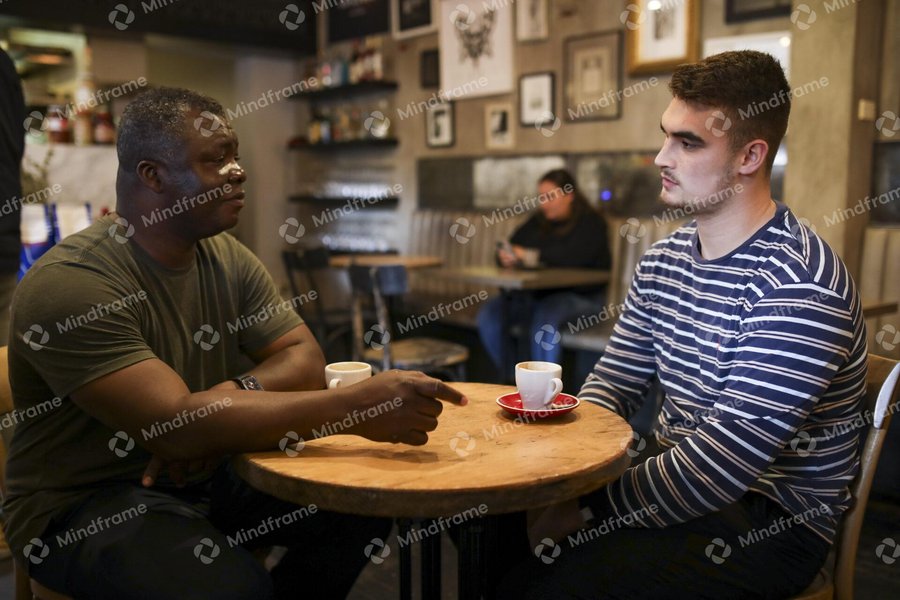
Effective conversation involves both speaking and active listening in a comfortable setting.
Comparing Conversation Starter Types
Understanding Purpose and Outcome
This table summarizes the key characteristics of different conversation starter categories to help you select the most appropriate approach:
| Starter Type | Primary Purpose | Best Setting | Risk Level | Potential Outcome |
|---|---|---|---|---|
| Light & Casual | Break the ice, simple interaction | Parties, casual meetups, brief encounters | Low | Polite exchange, potential for further chat |
| Fun & Unique | Inject humor, show personality, create memorable moment | Social gatherings, team building, online chats | Low-Medium | Laughter, shared amusement, unique connection |
| Deep & Meaningful | Build trust, foster empathy, explore values | One-on-one, close friends, dates | Medium-High | Stronger bond, vulnerability, significant insight |
| Work & Professional | Build rapport, network, find common ground | Workplace, meetings, industry events | Low | Professional connection, collaboration potential |
| Flirty & Date-Worthy | Gauge romantic interest, create spark | Dating apps, one-on-one dates | Medium | Romantic connection, understanding compatibility |
Expert Advice: Watch and Learn
Insights on Crafting Killer Conversation Starters
Hearing directly from communication experts can provide valuable nuances. This video offers practical tips and examples for crafting effective conversation starters that work in various situations. It emphasizes moving beyond generic questions to those that genuinely spark interest and encourage sharing, helping you build rapport more effectively.
Frequently Asked Questions (FAQ)
What makes a conversation starter 'good'?
A good conversation starter is typically open-ended (can't be answered with just 'yes' or 'no'), relevant to the context or person, and invites sharing without being overly intrusive initially. It should feel natural and show genuine interest, encouraging the other person to respond comfortably and paving the way for a flowing dialogue.
How can I avoid awkwardness after the initial question?
The key is active listening and asking follow-up questions based on their response. Show genuine interest in what they say. You can also share a brief, related thought or experience of your own to build common ground. If the conversation naturally lulls, having another light question ready or making an observation about your surroundings can help.
Are there specific starters that work well for introverts?
Yes, starters that focus on observations or shared experiences can be less intimidating. Questions about books, movies, hobbies, or recent events ("Have you seen [popular movie]? What did you think?") allow for thoughtful responses rather than demanding immediate personal disclosure. Also, asking questions that you genuinely want to know the answer to can make the process feel more authentic and less like a performance.
What topics should I generally avoid when first meeting someone?
It's usually best to steer clear of highly controversial topics (like politics or religion unless you're in a specific setting where it's expected), overly personal questions about finances, health issues, or past trauma, and anything that could be perceived as critical or judgmental. Stick to lighter, positive, or neutral topics initially until rapport is built.
Recommended Further Exploration
- Learn techniques for sustaining dialogue beyond the opening question.
- Discover icebreakers tailored for online professional environments.
- Explore the impact of non-verbal cues in communication.
- Find questions designed to foster intimacy and connection with friends or partners.
References
Last updated May 4, 2025