
Understanding Google Ads
A comprehensive guide to Google's robust advertising platform
Key Takeaways
- Versatile Ad Formats: Google Ads supports search, display, video, shopping, and app campaigns, allowing advertisers to meet a wide variety of marketing goals.
- Targeted Reach: Through keyword bidding, demographic, geographic, and interest-based targeting, advertisers can precisely reach potential customers at critical moments.
- Cost-Effective & Measurable: With payment models like pay-per-click and cost-per-thousand impressions, every dollar spent is tracked through detailed performance metrics ensuring optimized returns.
What is Google Ads?
Google Ads is an online advertising platform developed by Google that allows businesses, large and small, to display their advertisements across a variety of Google properties and partner websites. Central to this platform is its ability to generate quick and highly targeted exposure by leveraging multiple ad formats and smart bidding systems. Businesses can create campaigns that place their ads on Google search results, YouTube, Google Maps, and the vast network of partner sites that comprise the Google Display Network.
The Fundamental Principles Behind Google Ads
At its core, Google Ads operates on a real-time auction-based system where advertisers bid on keywords that are relevant to their products or services. When a user inputs a search query on Google or visits a website that partners with Google, an auction takes place in the background. The ranking of the ads displayed is determined by multiple factors including the bid amount, the ad’s relevance to the query, and the overall quality of the ad, often measured through a numerical metric known as the Quality Score.
Pay-Per-Click Model and Bidding
One of the key features that set Google Ads apart is its pay-per-click (PPC) model. This means that instead of paying a flat fee for ad placement, advertisers only pay when a potential customer clicks on their ad. This model not only helps in controlling advertising costs but also ensures that businesses are paying for actual engagement. Additionally, there are other pricing models offered, such as cost per thousand impressions (CPM) and cost per action (CPA), which allow for a flexible spending approach based on specific campaign goals.
Auction System and Quality Score
The effectiveness of a Google Ads campaign heavily relies on its auction system. Advertisers specify a maximum bid they are willing to pay per click. However, the ad that is displayed is not solely decided based on this bid amount. Google introduces a Quality Score, computed based on elements like expected click-through rate, ad relevance, and the user experience on the landing page. This strategy not only incentivizes advertisers to improve the quality of their ads but also ensures that users are presented with more relevant advertisements.
Types of Google Ads and Their Applications
Google Ads offers a diverse range of ad types, each tailored to different marketing objectives. This versatility means that whether you are trying to drive website traffic, generate leads, promote a mobile app, or elevate your brand presence, there is a format that suits your needs. In the following sections, we will explore each type of Google Ads in detail.
Search Ads
Search Ads are perhaps the most recognized form of Google advertising. They appear at the top or bottom of the search engine results pages (SERPs) when a user searches for specific keywords. These text-based ads are designed to capture consumer intent at the moment of their search, making them highly effective for driving conversions. By bidding on carefully researched keywords, businesses can position themselves right next to their organic search results.
Advantages of Search Ads
The primary advantage of search ads is that they cater directly to user intent. When a potential customer is actively searching for a product or service, a well-placed ad can direct them immediately to a relevant landing page. This immediacy results in higher conversion rates and ensures that advertising dollars are spent in a cost-effective manner.
Display Ads
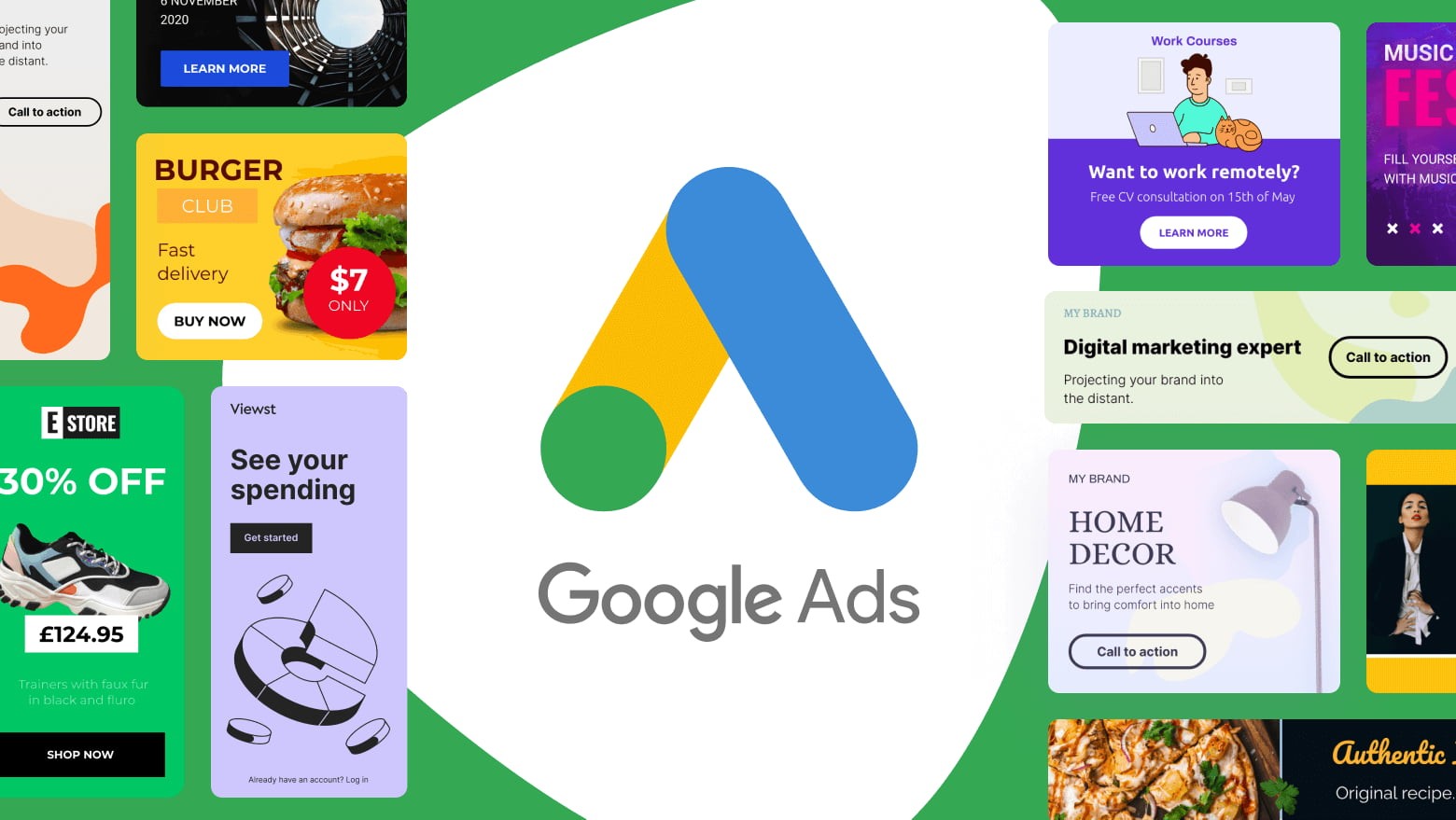
Display Ads are image or banner ads that appear across millions of websites and apps that are part of the Google Display Network. Instead of relying on a user's search query, display ads use targeting based on user behavior, interests, demographics, and website content. They are particularly useful for building brand awareness and retargeting users who have previously visited your website.
Visual Appeal and Retargeting
With the ability to include images, videos, and interactive elements, display ads can capture attention in a visually compelling way. Additionally, the retargeting functionality of display ads allows businesses to re-engage users who have interacted with their website but have not yet converted, thereby reinforcing brand recall.
Shopping Ads
For e-commerce businesses, Shopping Ads are a game-changer. These ads showcase products directly in the search results, complete with images, prices, and store information. They are generated using data feeds submitted via Google’s Merchant Center, ensuring that product details are always current.
Enhanced Product Visibility
Shopping Ads allow consumers to compare various products directly from the search page without having to navigate away from the Google interface. This ease of comparison not only increases convenience for the consumer but also potentially increases the click-through rate for the advertiser’s product offerings.
Video Ads
Video Ads, which are most frequently served on YouTube, add another dimension to digital marketing through dynamic audiovisual content. Ads can appear before, during, or after the video content and are tailored to the viewing habits and interests of the audience.
Engaging Storytelling
Video Ads leverage the power of engaging storytelling, combining visuals, sound, and motion, to build a stronger emotional connection with the viewer. This format is ideal for brand storytelling, product demonstrations, and capturing the attention of mobile users watching content on-the-go.
App Ads
App Ads are designed primarily to drive mobile app engagement. In an era when mobile usage is at an all-time high, promoting a mobile application involves not only increasing downloads but also ensuring ongoing engagement with the app.
Targeting Mobile Audiences
Google Ads automatically creates multiple ad formats for app campaigns based on the assets provided by the advertiser. These ads are then displayed across Google Search, Google Play, YouTube, and the Display Network, ensuring that the promotion reaches potential users across several touchpoints.
Mechanics of a Google Ads Campaign
Creating a successful Google Ads campaign involves several fundamental steps, each designed to maximize the efficiency and effectiveness of your advertising spend.
Campaign Setup and Strategy
The process starts with defining your campaign objectives and determining the most appropriate ad formats to reach your target audience. Whether your goal is to boost sales, increase website traffic, raise brand awareness, or generate leads, Google Ads provides flexible options to help you achieve these outcomes. A well-thought-out campaign strategy should outline the type of ad, key performance metrics, and the target demographic.
Keyword Research and Selection
For search campaigns in particular, keyword research is paramount. Advertisers need to select keywords that not only match the search intent of potential customers but also align with their marketing objectives. Tools that estimate click-through rates and cost-per-click (CPC) aid in refining this selection, ensuring that the chosen keywords offer the best balance between cost and conversion potential.
Ad Copy and Creative Assets
The next step involves crafting compelling ad copy and designing eye-catching creative assets. The ad copy should be concise yet persuasive, highlighting the unique selling points of the product or service. For display and video ads, the creative elements need to be visually engaging to capture attention quickly and communicate the message effectively.
Budgeting and Bidding Strategies
One of the biggest strengths of Google Ads is its flexibility in budgeting. Advertisers can set daily or campaign-wide budgets, ensuring that spending is kept under strict control. The bidding strategy plays a critical role in determining ad placement. Various strategies are available, including manual bidding, automated bidding, and bid adjustments based on device, location, or time of day.
Automated Bidding and AI Integration
With advanced algorithms and AI integration, Google Ads now offers automated bidding strategies that optimize your bids in real time. This not only simplifies the management process for advertisers but also maximizes the return on investment by adjusting bids based on observed performance trends.
Targeting and Analytics
Google Ads provides granular targeting options that extend far beyond just keywords. Advertisers can target audiences based on demographic details like age, gender, and parental status, as well as interests and geographic location. Remarketing strategies enable advertisers to re-engage visitors who have interacted with their website, thus reinforcing brand recall and increasing conversion potential.
Performance Measurement and Optimization
One of the standout features of Google Ads is the depth of its analytics tools. Advertisers can track key performance indicators (KPIs) such as click-through rates, conversion rates, and overall ROI. These detailed metrics help in identifying what is working and what is not, allowing for real-time optimizations that continuously improve campaign performance. The process of performance tracking ensures that the advertising strategy can adapt and remain cost-effective over time.
Comparative Overview: Google Ads Formats
To provide a clearer understanding of the different types of Google Ads, the following table outlines the primary ad formats, the platforms on which they appear, and their key features.
| Ad Type | Display Platform | Key Features | Primary Objective |
|---|---|---|---|
| Search Ads | Google Search Results | Text-based ads triggered by keyword searches; auction-based positioning. | Direct response and lead generation |
| Display Ads | Google Display Network & Partner Sites | Rich multimedia content including images and interactive elements; behavioral targeting. | Brand awareness and remarketing |
| Shopping Ads | Google Search Results (Shopping Tab) | Product-centric ads featuring images, prices, and store information; data feed-driven. | E-commerce conversion enhancement |
| Video Ads | YouTube and Video Partners | Audiovisual storytelling with pre, mid, or post-roll placements; audience segmentation. | Engagement and brand storytelling |
| App Ads | Google Play, Search, YouTube, Display Network | Automated ad creative formats; multi-platform promotion of mobile applications. | Driving app installs and engagement |
Benefits and Strategic Advantages
Adopting Google Ads as a core component of your digital marketing strategy can yield several significant benefits. Its multi-channel presence, flexibility in budgeting, and diverse targeting options mean that the platform can cater to a wide range of business types and marketing objectives.
Immediate Visibility and Market Penetration
One of the primary advantages of Google Ads is immediate visibility. When a campaign is launched, ads appear almost instantly in front of millions of internet users. This immediacy is extremely beneficial for new product launches, seasonal promotions, or any scenario where rapid market penetration is desired. Even for established brands, the ability to secure a prominent position in search results translates into competitive advantage and reinforces brand authority.
Precision Targeting and Audience Segmentation
Precision targeting is one of the platform’s defining features. Beyond simply targeting keywords, Google Ads allows advertisers to define their audiences using a range of demographic and behavioral parameters. Such detailed segmentation means that ads are shown only to those users who are most likely to be interested in the advertised product or service, resulting in higher engagement rates and better conversion outcomes.
Robust Analytics and Continuous Improvement
Data is at the heart of any successful marketing campaign, and Google Ads excels in this regard. With an array of tracking and analytics tools, advertisers can gain detailed insights into how their ads perform across different segments. Metrics such as click-through rates, cost per conversion, and overall ROI are available at a granular level, enabling teams to optimize campaigns continually. The measurable nature of these insights fosters a cycle of continuous improvement where each campaign iteration becomes more efficient and effective.
Best Practices for Maximizing ROI
While the potential of Google Ads is vast, success on the platform requires strategic planning and continuous optimization. Several best practices can help you get the most out of your ad spend:
Thorough Keyword Research
A successful search ad campaign starts with comprehensive keyword research. Understanding the search patterns and intentions of your target audience is critical in selecting the right keywords. Investing time in research ensures that the chosen keywords not only bring in traffic but also contribute to converting that traffic into actual sales or leads.
Compelling Ad Copy and Creative
The ad text and creatives are your primary conversation points with potential customers. Crafting clear, concise, and compelling ad copy that directly addresses the user’s needs and highlights unique benefits plays a central role in encouraging clicks. For visual ad formats, ensure that images or videos are of high quality and align with the brand message.
Continuous A/B Testing
The dynamic nature of digital advertising necessitates ongoing testing and experimentation. A/B testing different ad copies, creative assets, and bidding strategies allows you to pinpoint what resonates best with your audience. Utilize the insights from performance metrics to refine your approach continuously, ensuring that your campaigns remain effective and cost-efficient.
Utilizing Automation and AI
Modern advertising heavily relies on AI-driven insights, and Google Ads has integrated many automated features designed to optimize your campaigns. Leveraging automated bidding strategies and smart campaign suggestions can reduce manual workload while maximizing ad efficiency. Staying updated with new features ensures that you harness the latest technological advancements.
Challenges and Considerations
While Google Ads offers numerous advantages, advertisers must be aware of potential challenges. The competitive nature of bidding for popular keywords means that costs can sometimes escalate, particularly in highly competitive industries. Additionally, the success of any campaign hinges on the quality of the ad creative and the relevance of the keywords used.
Cost Management
It is crucial to manage your advertising budget effectively by setting daily limits and closely monitoring campaign performance. Using detailed performance reports can help in reallocating the budget towards more profitable segments and identifying areas for cost reduction.
Ad Relevance and Landing Page Experience
Creating an ad is only one piece of the puzzle. The landing page experience is equally important. Google’s Quality Score takes into account the relevance and quality of the landing page content. Ensuring that your website aligns with the message in your ads not only improves your Quality Score but also enhances user satisfaction and conversion rates.
Industry Trends and the Future of Google Ads
As we move further into the digital age, Google Ads continues to evolve. Increased integration of AI, expansion of ad formats, and more sophisticated targeting are just a few areas that promise to shape the future of the platform. These advancements will likely lead to even more precise audience segmentation, automated optimizations, and enhanced integration with other digital marketing tools.
The Role of Artificial Intelligence
Artificial Intelligence has become a cornerstone of digital advertising. Google Ads is continuously integrating AI capabilities to help optimize bidding strategies and predict trends based on historical data. This integration minimizes the need for constant human oversight while maximizing efficiency, making it easier for businesses to scale their advertising campaigns.
Expanding Advertising Networks
The platform's expansion into areas like shopping ads, video content, and app promotion is a testament to its adaptability. As consumers shift their attention to multimedia and mobile platforms, Google Ads is poised to offer even more innovative formats that cater to these changing preferences. This ensures that advertisers remain able to reach their target audience regardless of evolving online behaviors.
Conclusion
Google Ads is a multifaceted, dynamic online advertising platform designed to empower businesses of all sizes. By leveraging a variety of ad formats—ranging from text-based search ads to visually captivating display and video ads—organizations can precisely target potential customers, optimize their advertising spend, and measure performance with great accuracy.
Whether you are a small business looking to increase local visibility or a large e-commerce entity aiming for global outreach, Google Ads offers the tools and functionalities necessary to achieve your goals. Embracing best practices such as meticulous keyword research, compelling creative development, and continuous optimization of campaigns ensures that you are well-equipped to navigate the competitive digital landscape.
References
-
Google Ads Help - Google Support
- Google Ads Overview - Search Engine Journal
- Google Advertising - SEMrush
-
Google Ads Support - Google
- Google Ads Overview - WordStream
More
Last updated February 18, 2025