
Digital Realty vs Equinix: Will Google Rent Their Data Centers?
Exploring Google's Data Center Strategies in Relation to Leading Colocation Providers
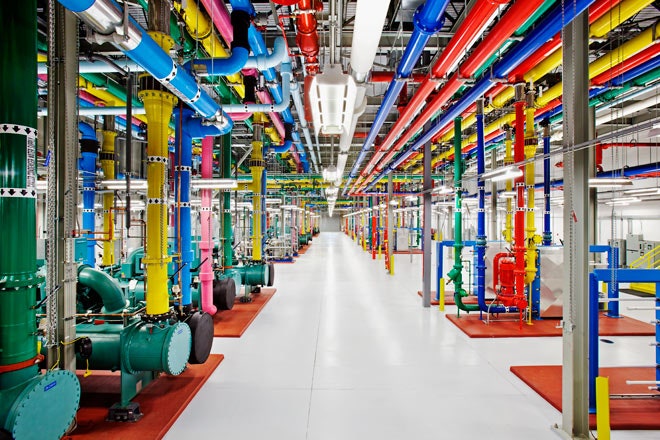
Key Takeaways
- Google's Preference for Owned Infrastructure: Google predominantly builds and operates its own data centers to maintain control over performance, security, and efficiency.
- Strategic Roles of Digital Realty and Equinix: Both providers offer robust colocation and interconnection services that can complement Google's infrastructure needs in specific scenarios.
- Potential for Hybrid Approaches: While Google favors ownership, there are circumstances where renting data center space from Digital Realty or Equinix may be advantageous for rapid expansion or temporary capacity demands.
Introduction
In the rapidly evolving landscape of cloud computing and data management, the strategic decisions made by leading technology companies regarding their data center infrastructure are pivotal. Google, as a hyperscale cloud provider, has been at the forefront of building and operating expansive data centers globally. Concurrently, companies like Digital Realty and Equinix dominate the data center colocation and interconnection market. This analysis delves into the dynamics between Digital Realty, Equinix, and Google's approach to data center management, specifically addressing whether Google is likely to rent data center space from these providers.
Overview of Digital Realty and Equinix
Company Profiles
Digital Realty
Digital Realty is a leading data center Real Estate Investment Trust (REIT) with a vast global footprint. Operating approximately 300 data centers across 32 markets, Digital Realty specializes in delivering customer-driven solutions that emphasize security, reliability, and cost-effectiveness. The company's focus on wholesale data centers caters to large-scale infrastructure needs, making it a preferred partner for enterprises requiring substantial data center assets.
Equinix
Equinix stands as a premier enterprise network, cloud computing, and colocation provider. With around 249 data centers spanning 63 metropolitan areas, Equinix emphasizes carrier hotels and connectivity. The company's robust ecosystem approach facilitates extensive interconnections with numerous networks and service providers, offering businesses unparalleled flexibility and connectivity options. Equinix also places a strong emphasis on sustainability and renewable energy, aligning with modern environmental standards.
Service Offerings and Market Position
Both Digital Realty and Equinix offer comprehensive colocation services, enabling companies to house their servers and networking equipment within secure, scalable facilities. While Digital Realty leans towards serving large-scale enterprises with its wholesale data centers, Equinix attracts a diverse clientele through its interconnected ecosystem, which is particularly beneficial for businesses requiring extensive network access and interconnectivity.
Google's Data Center Strategy
In-House Data Center Development
Google has consistently demonstrated a preference for building and operating its own data centers. This strategy allows Google to tailor its infrastructure to meet stringent requirements related to performance, security, energy efficiency, and integration with its proprietary software stack. By maintaining ownership and control over its data centers, Google ensures optimal alignment with its operational objectives and technological advancements.
Significant Capital Investments
Google's commitment to expanding its data center footprint is evident through its substantial capital expenditures. As of 2025, Google is projected to invest approximately $75 billion in data centers, servers, and networking infrastructure. Notable investments include €3 billion allocated for new data center campuses in Indiana and Virginia, a $600 million wind-powered data center in Minnesota, and expansions in regions such as Navi Mumbai, India. These investments underscore Google's dedication to scaling its infrastructure to support burgeoning services like artificial intelligence and cloud computing.
Renewable Energy and Sustainability Initiatives
Sustainability is a core component of Google's data center strategy. The company is actively developing renewable energy parks to power its data centers, aligning with global environmental standards and reducing its carbon footprint. Initiatives such as the wind-powered data center in Minnesota exemplify Google's efforts to integrate sustainable energy sources into its infrastructure operations.
Potential Interactions Between Google and Colocation Providers
Scenarios Where Google Might Rent Data Center Space
Market Expansion and Rapid Deployment
In situations requiring swift entry into new markets or regions, Google may find it strategically advantageous to rent data center space from established providers like Digital Realty or Equinix. Utilizing existing infrastructure can expedite deployment timelines, allowing Google to meet market demands without the lead time associated with constructing new facilities.
Temporary Capacity Increases
During periods of unexpected surges in demand or for specific short-term projects, renting additional data center capacity can provide Google with the flexibility to scale resources without long-term commitments. This approach can be particularly useful for managing peak loads or pilot initiatives that do not yet warrant permanent infrastructure investments.
Specialized Infrastructure Requirements
Certain projects may necessitate specialized infrastructure or environmental conditions that are readily available through third-party providers. For instance, if a particular project requires enhanced connectivity options or specific security measures that are more efficiently achieved through colocation services, Google might opt to rent space from providers who already offer these specialized features.
Advantages of Collaboration with Colocation Providers
Partnering with Digital Realty or Equinix can offer several benefits to Google, including:
| Benefit | Description |
|---|---|
| Enhanced Connectivity | Access to Equinix's extensive network ecosystem can facilitate better connectivity with various service providers and enterprise clients. |
| Scalability | Digital Realty's expansive global presence allows for scalable solutions that can grow with Google's evolving infrastructure needs. |
| Cost Efficiency | Leasing space can be more cost-effective for temporary projects, avoiding the substantial capital outlay required for building new data centers. |
| Rapid Deployment | Utilizing existing facilities accelerates the deployment process, enabling quicker responses to market demands. |
Challenges and Considerations
Maintaining Control and Security
Entrusting data center operations to external providers introduces challenges related to control, security, and customization. Google's stringent standards necessitate a high degree of oversight to ensure that third-party facilities meet its performance and security benchmarks. While colocation providers offer robust security measures, the level of customization available may not fully align with Google's specialized requirements.
Integration with Existing Infrastructure
Integrating rented data center space with Google's existing infrastructure poses logistical challenges. Ensuring seamless interoperability between owned and leased facilities requires meticulous planning and sophisticated management tools to maintain consistent performance and reliability across all data centers.
Long-Term Strategic Alignment
While renting data center space can offer short-term benefits, it may not align with Google's long-term strategic goals of infrastructure ownership and control. Balancing immediate operational needs with overarching strategic objectives requires careful consideration to avoid potential conflicts between short-term flexibility and long-term infrastructure autonomy.
Industry Trends and Future Outlook
Shift Towards Hybrid Infrastructure Models
The data center industry is witnessing a gradual shift towards hybrid infrastructure models, where organizations combine owned facilities with leased or colocation spaces. This approach allows for greater flexibility and scalability, accommodating varying workload demands and facilitating rapid expansion into new markets. Google's potential adoption of such models could enable a more dynamic and responsive infrastructure strategy.
Advancements in Interconnection Technologies
Continuous advancements in interconnection technologies enhance the value proposition of colocation providers. Improved networking capabilities, low-latency connections, and enhanced data transfer speeds make providers like Equinix and Digital Realty increasingly attractive for companies seeking robust interconnected ecosystems. These technological improvements could influence Google's decision-making regarding infrastructure partnerships.
Sustainability and Green Data Centers
As environmental sustainability becomes a critical consideration, data center providers that prioritize renewable energy and energy-efficient practices are gaining prominence. Google's ongoing investments in renewable energy parks and sustainable data center initiatives align with broader industry trends towards greener operations. Collaborations with providers who share these sustainability goals could further enhance Google's environmental stewardship.
Conclusion
Google's data center strategy has consistently emphasized ownership and control, enabling the company to tailor its infrastructure to meet specific performance, security, and efficiency standards. While Digital Realty and Equinix represent formidable players in the colocation and interconnection market, the prevailing trend indicates that Google prefers to build and manage its own data centers. However, the dynamic nature of the technology and cloud services landscape suggests that there may be niche scenarios where renting data center space from these providers could be beneficial for rapid expansion, temporary capacity increases, or specialized infrastructure needs.
Ultimately, while large-scale renting of data centers from Digital Realty or Equinix is unlikely given Google's strategic orientation towards infrastructure ownership, selective collaborations and hybrid approaches may emerge as pragmatic solutions to address specific operational requirements. Staying attuned to industry developments and evolving technological paradigms will be crucial for understanding the future trajectory of Google's data center partnerships.
References
For further reading and detailed information, please visit the following resources:
Last updated February 17, 2025