
Navigating the Future of E-Resource Access: Google's IP Masking and Academic Libraries
Unpacking the profound implications of browser privacy shifts on scholarly resource accessibility.
Academic libraries are at the forefront of a significant technological shift as Google implements advanced privacy features, notably IP address masking, within Chrome's Incognito mode, with a broader rollout anticipated from the third quarter of 2025. This change, alongside similar initiatives from other major browser developers, aims to bolster user privacy by preventing cross-site tracking and data profiling. However, it presents a substantial challenge to the long-standing model of IP-based authentication, which has traditionally provided seamless access to electronic resources (e-resources) for library patrons.
The core issue lies in the reliance of many academic library e-resource systems on a user's IP address to verify their institutional affiliation. When a user is on campus or connected via a Virtual Private Network (VPN), their IP address is recognized by publishers and vendors, granting automatic access to licensed content. With IP masking, this crucial link is disrupted, leading to potential "Access Denied" scenarios and requiring libraries to adapt their access infrastructure and user support strategies.
Key Insights into the Evolving Landscape
- Disruption of IP Authentication: Google's IP Protection in Chrome's Incognito mode will directly impact traditional IP-based authentication, potentially blocking legitimate access to e-resources for users browsing privately.
- Mandatory Shift to Alternative Methods: Academic libraries must accelerate their transition to federated authentication systems (e.g., OpenAthens, Shibboleth) and leverage proxy servers (e.g., EZproxy) to ensure continuous access to licensed content.
- Heightened Need for User Education: Proactive communication and comprehensive guides are essential to inform patrons about the changes and instruct them on alternative, privacy-preserving methods for accessing e-resources.
Understanding Google's IP Masking Initiative
Google's decision to mask IP addresses in Chrome's Incognito mode is a pivotal step in its broader strategy to enhance user privacy across the web. This initiative, set to roll out progressively from Q3 2025, will route user traffic through privacy proxies, effectively obscuring the user's real IP address from third-party websites and trackers. This move is aligned with a global trend among browser developers to restrict data collection methods that can be used for cross-site tracking, including the deprecation of third-party cookies.
While Incognito mode traditionally focuses on preventing the storage of browsing history, cookies, and form data locally on a user's device, the addition of IP Protection extends its privacy capabilities by anonymizing the user's network identity. This means that even if a user is physically on a university campus or connected via a VPN, their IP address, when browsing in Incognito, may no longer be recognizable by e-resource vendors as belonging to an authorized institutional network.
The Broader Context of Browser Privacy Trends
Google's actions are not isolated; major browsers like Safari and Firefox have already implemented similar privacy-enhancing features, including intelligent tracking prevention and IP obfuscation. These industry-wide changes signal a fundamental shift away from IP addresses as a reliable sole identifier for authentication. For academic libraries, this means that the traditional method of granting access based on a recognized IP range is becoming increasingly fragile. The emphasis is now on more robust, user-centric authentication methods that prioritize privacy without compromising legitimate access to scholarly content.
Impact on E-Resource Access in Academic Libraries
The introduction of IP masking in Chrome's Incognito mode will have several direct and indirect impacts on how academic libraries provide and manage access to their electronic resources.
Disruption of IP-Based Authentication
The most immediate and significant impact will be on e-resources that rely heavily on IP-based authentication. When a user in Incognito mode accesses a resource, their masked IP address will likely not match the institution's whitelisted IP ranges, resulting in "Access Denied" messages. This will particularly affect:
- On-Campus Users: Students, faculty, and staff browsing from within the campus network who choose to use Incognito mode for privacy will find their seamless access disrupted.
- Walk-in and Public Users: Academic libraries often provide access to e-resources for unaffiliated public users from within the library building via IP authentication. These users, if they use Incognito mode, may be blocked.
- VPN Users: While VPNs route traffic through a recognized IP, if the browser itself obfuscates the IP at a layer prior to the VPN's interaction with the resource vendor, access could still be compromised.
Inconsistent User Experience
Users accustomed to seamless access when on campus or via VPN may experience confusion and frustration when Incognito mode suddenly prevents access. This inconsistency will likely lead to an increase in technical support queries for library staff.
Implications for Library Support and Analytics
Libraries will need to adjust their support models and how they analyze resource usage:
- Increased User Education and Troubleshooting: Libraries must proactively educate patrons about the effects of Incognito mode and guide them toward alternative access methods. Help desks will need to be prepared to troubleshoot access issues specifically related to browser privacy settings.
- Impact on Usage Statistics: If a significant number of users access resources via Incognito mode with IP masking, usage data reported by publishers might become less granular or anonymized, making it harder for libraries to analyze resource popularity, inform collection development, and demonstrate value.
This video provides valuable insights into how changes in browser technology, including IP address handling, may impact researchers and the future of authentication to scholarly resources.
Strategies for Academic Libraries to Adapt
To ensure continued, secure, and private access to e-resources, academic libraries must strategically adapt their authentication infrastructure and user support.
Prioritizing Alternative Authentication Methods
The shift away from sole reliance on IP authentication is crucial. Libraries should focus on implementing and promoting robust alternative methods:
- Federated Authentication Systems: Systems like OpenAthens and Shibboleth are paramount. These identity-based authentication protocols link a user's institutional login credentials to resource access, decoupling it from the IP address. Services like SeamlessAccess help streamline the user experience across different platforms.
- Proxy Servers (e.g., EZproxy): Proxy solutions remain highly effective. Since IP obfuscation primarily occurs at the browser level, the communication between the proxy server (which has a recognized IP) and the publisher generally remains unaffected. Libraries should ensure their EZproxy configurations are up-to-date and promoted as a primary access method, especially for off-campus users.
- Google's Campus-Activated Subscriber Access (CASA): Libraries can explore CASA, which links a user's Google profile with their institutional affiliation for scholarly access. While this offers a convenient pathway, libraries should consider the implications for user data transparency.
Enhancing User Education and Support
Clear and consistent communication with library patrons is vital to minimize disruption and ensure a smooth transition.
- Proactive Communication: Develop clear guides, FAQs, and announcements explaining how Chrome's IP Protection (and similar browser features) might affect e-resource access.
- Instructional Materials: Provide step-by-step instructions on using alternative authentication methods (e.g., proxy bookmarklets, institutional login portals, Google Scholar library links).
- Staff Training: Equip library staff, particularly those at help desks, with the knowledge to troubleshoot access issues related to browser privacy settings and guide users effectively.
Example of a Library Computer Lab:
In an academic setting, users often access e-resources from shared computer labs. Even in these environments, if Incognito mode is used, IP masking could lead to access issues, highlighting the need for widespread adoption of alternative authentication methods or clear guidance to avoid Incognito mode for library resources.
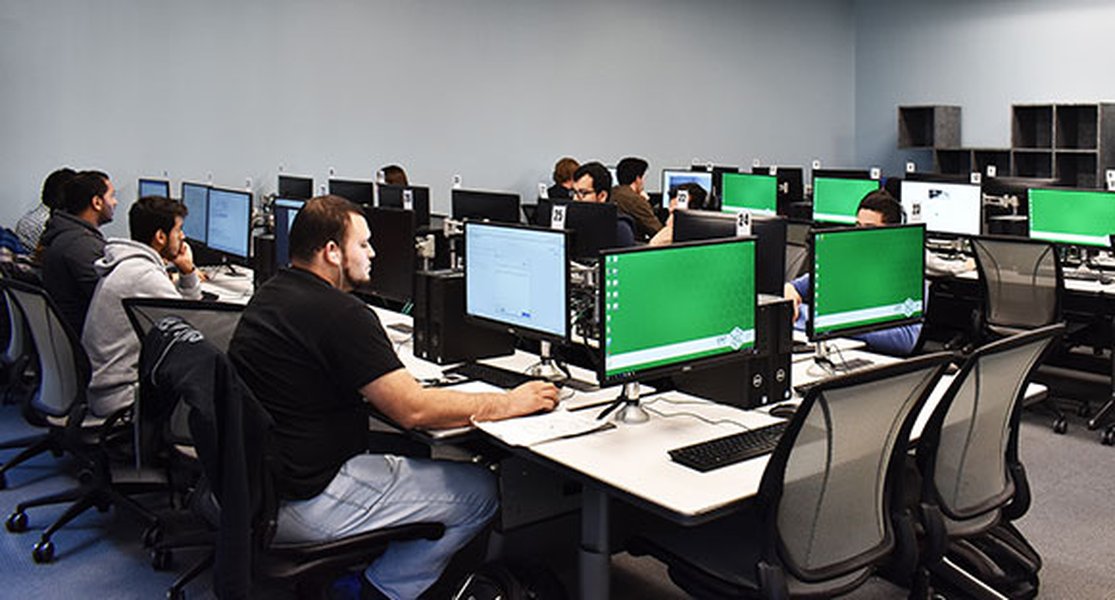
Students working in a university computer lab, a common point of access for e-resources.
Collaboration and Monitoring
The evolving privacy landscape requires ongoing engagement with stakeholders.
- Vendor Engagement: Libraries should maintain close communication with e-resource vendors and publishers to understand their adaptation strategies and ensure compatibility with modern authentication protocols.
- Industry Monitoring: Stay informed about updates from browser developers and industry organizations (e.g., LIBER Europe, SeamlessAccess) regarding privacy changes and their implications for scholarly communication.
- Policy Adaptation: Review and update internal library policies regarding e-resource access to reflect the shift away from sole IP authentication.
Comparative Analysis of Authentication Methods
The landscape of e-resource authentication is rapidly diversifying. Understanding the strengths and weaknesses of different methods is crucial for academic libraries. The following table provides a comparative overview:
| Authentication Method | Description | Impact of IP Masking in Incognito Mode | Advantages | Considerations for Libraries |
|---|---|---|---|---|
| IP Authentication (Traditional) | Access granted based on recognized institutional IP address ranges. | Potentially blocked or disrupted. | Seamless, no login required on-campus. | Becoming unreliable, requires significant adaptation. |
| Proxy Servers (e.g., EZproxy) | User's request routed through a library-managed proxy server with a recognized IP. | Generally unaffected, as masking occurs client-side. | Maintains IP-based access for remote users, robust. | Requires setup and maintenance; user education needed for proxy links. |
| Federated Authentication (e.g., OpenAthens, Shibboleth) | User authenticates with institutional credentials; identity provider confirms affiliation. | Unaffected, as it relies on identity, not IP. | Enhanced privacy, single sign-on experience, scalable. | Requires infrastructure setup, vendor support, user adoption. |
| Google's CASA (Campus-Activated Subscriber Access) | Links Google profile with institutional affiliation for access via Google Scholar. | Unaffected, as it uses Google's internal linking. | Convenient for Google Scholar users. | Data transparency concerns, specific to Google ecosystem. |
| Multi-Factor Authentication (MFA) | Adds a second verification step to login (e.g., through an app or SMS). | Enhances security for existing login methods. | Stronger security, protects user accounts. | Adds friction to login process, requires user setup. |
Strategic Assessment and Future Planning
To effectively navigate these changes, academic libraries can perform a strategic assessment of their current authentication ecosystem. The following radar chart illustrates a hypothetical library's "Readiness for IP Masking," based on various strategic dimensions.
This radar chart provides a visual representation of a hypothetical academic library's preparedness across various dimensions related to the impact of IP masking. A higher score indicates better readiness in that area. For instance, a high score in 'Current IP Auth Reliance' indicates heavy current dependence, highlighting a vulnerability, whereas a high score in 'Federated Auth Adoption' indicates good progress towards a future-proof solution. Libraries can use such a framework to identify areas needing urgent attention and resource allocation.
A Mindmap for Navigating Library Authentication Changes
The following mindmap illustrates the key components and considerations for academic libraries as they adapt to evolving browser privacy changes, specifically the impact of IP masking on e-resource authentication. It outlines the core problem, the types of impacts, and the recommended solutions, providing a structured overview of the complex landscape.
This mindmap serves as a strategic roadmap for libraries, helping visualize the interconnectedness of the challenges and solutions. It emphasizes that a multi-faceted approach, combining technological adoption, user education, and collaborative efforts, is essential for maintaining robust e-resource access in an increasingly privacy-focused digital environment.
Frequently Asked Questions (FAQ)
What is IP masking in Chrome's Incognito mode?
How will this impact my ability to access library e-resources?
What are the recommended alternative authentication methods?
Will this affect all my browsing, or just Incognito mode?
What should I do if I encounter an "Access Denied" error?
Conclusion
Google's plan to mask IP addresses in Chrome's Incognito mode marks a pivotal moment for academic libraries and their approach to e-resource access. While the initiative strongly supports user privacy, it simultaneously dismantles the long-standing reliance on IP-based authentication, a cornerstone of seamless access for decades. Libraries are now compelled to accelerate their transition towards more robust, privacy-preserving authentication methods such as federated identity systems and proxy solutions. This adaptation is not merely a technical adjustment but a strategic imperative that requires comprehensive user education, proactive collaboration with vendors, and continuous monitoring of evolving browser technologies. By embracing these changes and proactively preparing their infrastructure and user communities, academic libraries can ensure that scholarly resources remain accessible while championing enhanced user privacy in the digital age.
Recommended Searches
- How will federated authentication systems benefit academic libraries?
- What is the role of EZproxy in maintaining e-resource access for academic libraries?
- How can academic libraries educate users about new e-resource authentication methods?
- What are the privacy implications of Google's Campus-Activated Subscriber Access (CASA) for libraries?