
Marine Biodiversity around Ghana
Explore the rich and diverse sea life along Ghana’s beautiful coastline
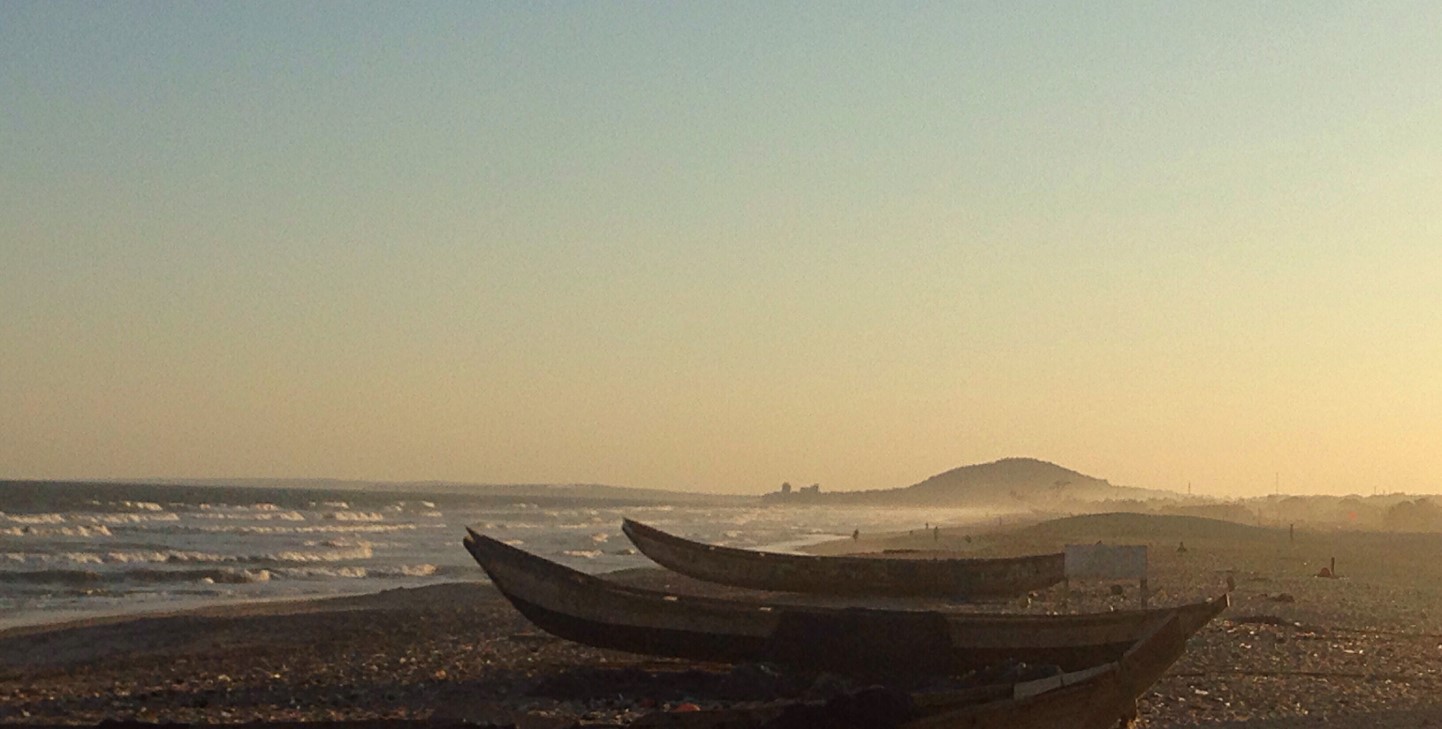
Highlights
- Coastal and Marine Species: Experience a mix of fish, marine mammals, sea turtles, crustaceans and more.
- Vital Habitats: Understand the importance of coastal lagoons, estuaries, mangroves, and upwelling areas in supporting biodiversity.
- Conservation Challenges: Learn about the impacts of coastal erosion, pollution, and overfishing on marine ecosystems.
Introduction to Ghana’s Marine Environment
Ghana, located along the western coast of Africa, boasts a vibrant marine ecosystem primarily due to its location on the Gulf of Guinea. The country's 550-kilometer coastline provides a dynamic interface between land and sea where a wealth of sea life thrives. This marine environment supports various economically important species and offers critical habitats for numerous creatures, from highly migratory fish to resident marine mammals and endangered sea turtles.
Key Aspects of Marine Biodiversity
Rich Diversity of Fish Species
Pelagic and Demersal Species
In Ghana's coastal waters, an assortment of fish species found in both pelagic (open water) and demersal (bottom-dwelling) zones comprise a significant part of the marine biodiversity. Pelagic fish such as sardines, anchovies, tuna, mackerel, and flying fish form the backbone of local fisheries. These species are not only crucial for the local economy, supporting a vibrant fishing industry, but also serve as an essential link in the marine food web.
Meanwhile, demersal fish such as groupers, snappers, sea bream, and sharks are abundant along rocky substrates, estuaries, and near coral formations. Their presence highlights a robust ecosystem where different niches are exploited. These species benefit from the protection provided by coastal structures like mangroves and offshore reefs, which act as natural nurseries.
Marine Mammals in Ghana’s Waters
Cetaceans and Other Marine Mammals
The waters off Ghana's coast are frequented by an impressive array of marine mammals, particularly cetaceans, which include dolphins, whales, and porpoises. More than 28 species have been recorded, making this region a significant migratory passage as well as a foraging ground. Prominent among these are humpback whales, killer whales, sperm whales, and various species of dolphins. Seasonal upwelling events stimulate nutrient-rich waters that attract these mammals by increasing the abundance of prey.
Although their sightings are seasonal or migratory, these marine mammals are indicators of the health of the ecosystem, signifying robust food chains and ecological balance. From a conservation perspective, ongoing challenges such as accidental bycatch in fishing nets and habitat disturbance pose risks that need careful management.
Sea Turtles: Guardians of the Coastal Edge
Species and Habitat
Sea turtles are among the most charismatic and ecologically important species found along Ghana’s coastline. The five notable species include leatherback, olive ridley, loggerhead, green, and hawksbill turtles. These turtles frequent critical nesting sites on Ghana's beaches, while the Gulf of Guinea serves as a prime foraging habitat where juvenile turtles grow before returning to their nesting grounds.
Conservation initiatives in Ghana focus on mitigating the threats to these endangered creatures, such as accidental capture in fishing gear and habitat loss due to coastal development. Local community efforts coupled with international collaborations are paving the way for better monitoring and protection strategies.
Crustaceans and Mollusks: The Understudied Components
Ecological Role and Economic Importance
Beyond the larger visible species, Ghana's coastal waters are teeming with crustaceans such as shrimp, crabs, and various types of mollusks. Although these species may often go unnoticed, they are significant contributors to both the ecological dynamics and local economy. They help maintain biodiversity and provide critical support for larger species through both predation and nutrient cycling.
In many Ghanaian communities, fisheries geared towards catching these smaller species complement the capture of larger fish and play an essential role in sustaining food security and livelihoods.
Coastal Ecosystems and Habitats
Mangroves, Lagoons, and Estuaries
Natural Nurseries and Ecological Buffers
The formation of mangroves, coastal lagoons, and estuaries along Ghana’s coast provides key breeding grounds and protective habitats for marine life. These areas act as natural nurseries where young fish, crustaceans, and other organisms find shelter from predators. Mangroves, in particular, serve as vital buffers between the land and the sea, protecting coastal communities from storm surges and reducing erosion.
Coastal lagoons such as the Keta Lagoon Complex are essential not only for marine biodiversity but also for migratory birds, linking terrestrial and aquatic ecosystems. The biodiversity in these regions is under threat from pollution, urbanization, and climate-induced sea level rise. Efforts to preserve and restore these habitats are critical for the long-term sustainability of marine and coastal life.
Offshore Reefs and Rocky Substrates
Reefs as Biodiversity Hotspots
Offshore reefs, though less pronounced than those in the tropics further east, are a fundamental component of Ghana’s marine landscape. These structures provide anchorage for diverse communities of fish species, invertebrates, and algae. Rocky substrates along the coast also host various specialized species, contributing to the overall diversity.
Reefs in this region, however, face threats from indiscriminate fishing practices and damage due to coastal development. The ecological services provided by these reefs, including coastal protection and supporting fisheries, underscore the need for their conservation.
Environmental Challenges and Conservation Strategies
Threats to the Marine Ecosystem
Pollution and Coastal Erosion
Like many marine environments around the globe, Ghana’s coastal waters are increasingly vulnerable to human-induced challenges. Land-based pollution, which includes industrial discharge, agricultural runoff, and urban waste, significantly impacts water quality and disrupts the marine food web. This pollution not only diminishes water quality but also compromises the health of marine species.
Co-occurring with pollution is the pervasive issue of coastal erosion. Human activities such as improper coastal development have exacerbated natural erosion processes, threatening both natural habitats and the human populations that rely on them. The consequences of coastal flooding, particularly in vulnerable fishing villages and densely populated coastal areas, directly impact livelihoods and long-term ecological balance.
Conservation Efforts and Policy Initiatives
Local and International Collaboration
To curb these environmental challenges, several conservation initiatives have been implemented in Ghana. Organizations like the Marine Ghana Foundation actively work toward the protection of marine biodiversity through research, awareness campaigns, and community engagement. The focus is on protecting key species such as sea turtles and marine mammals by enforcing regulations against illegal fishing, managing coastal development, and promoting sustainable practices.
Besides local initiatives, international bodies such as UNESCO and various environmental NGOs contribute by highlighting the ecological significance of Ghana’s coastline and advocating for sustained conservation measures. These collaborative efforts are critical in balancing development with environmental preservation.
Detailed Overview: Species and Habitat Matrix
The following table provides a comprehensive overview of the key marine life categories found in Ghana’s coastal waters, along with their notable habitats and conservation notes:
| Category | Species/Examples | Key Habitats | Conservation Challenges |
|---|---|---|---|
| Fish | Sardines, Anchovies, Tuna, Groupers, Snappers, Sea Bream, Sharks | Open waters, near reefs, estuaries | Overfishing, habitat degradation, pollution |
| Marine Mammals | Humpback Whales, Killer Whales, Sperm Whales, Dolphins (e.g., Bottle-nosed) | Seasonal migratory routes, upwelling zones | Bycatch, ship strikes, habitat disruption |
| Sea Turtles | Leatherback, Olive Ridley, Loggerhead, Green, Hawksbill | Nesting beaches such as Ada Foah, foraging in the Gulf of Guinea | Bycatch, coastal development, illegal harvesting |
| Crustaceans & Mollusks | Shrimp, Crabs, Various Bivalves and Gastropods | Mangroves, coastal lagoons, estuaries | Pollution, habitat loss, overharvesting |
| Coastal Habitats | — | Mangroves, Lagoons (Keta Lagoon Complex), Reefs, Rocky Shores | Coastal erosion, urbanization, climate change |
Integrative Perspectives on Sustainable Marine Management
Balancing Human Needs with Conservation
Community Involvement and Sustainable Practices
The robust marine environment of Ghana holds both ecological and economic value. To support the local communities and the overall ecosystem, sustainable fishing practices, coupled with community-driven resource management, are imperative. Educating local populations about the long-term benefits of sustainable practices can help reduce overfishing and mitigate habitat destruction. Collaborative management approaches ensure that both conservation efforts and local livelihood concerns are addressed simultaneously.
Programs focusing on eco-tourism, particularly in marine mammal and sea turtle conservation, also contribute to raising awareness and generating revenue that can be channeled back into environmental protection initiatives. The integration of scientific research and traditional knowledge plays a vital role in aligning conservation strategies with everyday practices.
Future Prospects for Ghana’s Marine Environment
Research, Policy, and Innovation
As the impacts of climate change and human activities continue to exert pressure on marine ecosystems, future efforts in Ghana must include enhanced research to monitor changes and predict future trends. Innovative technological solutions, such as satellite tracking and underwater sensor networks, can provide real-time data on conditions affecting marine life.
Policy-makers are encouraged to integrate these research findings into regulatory frameworks that promote both environmental protection and sustainable economic growth. By fostering international partnerships for knowledge exchange and resource mobilization, Ghana can lead initiatives that not only safeguard its marine life but can also serve as a model for other coastal nations facing similar challenges.
References
- Marine Ghana Foundation - Marine Ghana
- Safeguarding Ghana's Treasures - Myjoyonline
- Cetacean Strandings in Ghana - Wikipedia
- Ghana State of the Marine Environment - Mami Wata Project
-
Ghana’s Coastline Swallowed by the Sea - UNESCO
Recommended Queries
Last updated March 6, 2025