
Exploring the Gothic Parallels: Melmoth & Dracula Unveiled
A critical exploration of Gothic themes, narrative structure, and social commentary
Key Highlights
- Shared Gothic Atmosphere: Both texts use eerie, foreboding settings and supernatural elements to immerse the reader in an atmospheric world.
- Themes of Immortality and Damnation: Central to each narrative is the curse of eternal life and the moral implications of the Faustian bargain.
- Narrative Complexity & Duality: Both novels embed complex narrative structures, using framed stories and multiple perspectives to explore the dual nature of their protagonists.
A Critical Analysis of Gothic Similarities
The Atmosphere of Dread and Foreboding
In both Melmoth the Wanderer by Charles Maturin and Dracula by Bram Stoker, the creation of an eerie and oppressive atmosphere is paramount. The Gothic tradition thrives on settings that evoke isolation, decay, and menace. In Melmoth the Wanderer, the decaying monastic landscapes, deserted islands, and spectral environments project the psychological torment inherent in the wanderer’s curse. Equally, in Dracula, the Gothic settings range from the ominous Carpathian Mountains and the brooding confines of Castle Dracula to the fog-laden streets of Victorian London.
Both novels utilize these settings not simply as a backdrop but as active participants in their narratives. The spatiotemporal juxtapositions – the antiquated castles meeting the encroaching modernity of London in Dracula, or the ancient, almost ageless settings echoing the curse of Melmoth – serve a dual purpose. They both heighten the emotional isolation of the protagonists and mirror their inner turmoil. This atmospheric mirroring is a fundamental aspect of Gothic literature and underscores the emotional and psychological landscape explored by these works.
Themes of Immortality, Curses, and the Faustian Bargain
A core aspect of Gothic literature is the exploration of deals with diabolical forces, most notably represented by the Faustian bargain. In Melmoth the Wanderer, the protagonist’s pact with the devil condemns him to eternal wandering—a symbol of the human soul’s eternal struggle against damnation. His curse is not simply chronological immortality; it is a living torment filled with the endless search for redemption or an escape from his fate.
In parallel, Dracula conceptualizes immortality through vampirism. Count Dracula exists in a paradoxical state: eternally alive yet cursed to a parasitic existence that preys on others for sustenance. While his curse manifests physically and societally, it represents a metaphorical pact—a relinquishment of normal human vitality in exchange for an unending existence marked by moral deterioration. Both texts, therefore, critically engage with the theme of cursed immortality as an exploration of personal and collective morality.
Narrative Complexity: Framed Tales and Multiple Perspectives
The narrative structures of Melmoth the Wanderer and Dracula serve as ingenious devices to amplify the Gothic experience. Maturin’s use of a layered, framed narrative—where the story is told through a series of interwoven accounts and perspectives—deepens the sense of mystery and highlights the emotional fragmentation of its characters.
Similarly, Stoker’s epistolary format in Dracula, composed of letters, diary entries, and newspaper clippings, not only generates an immediacy and realism to the supernatural events but also allows the reader to witness the gradual unraveling of a community in the face of an insidious modern threat. This multifaceted narrative technique brings about a rich texture of subjective experiences that are critical to the Gothic tradition: the blurred line between reality and nightmare, and the exploration of identity through dispersed voices.
The Duality of Characters and the Concept of the Gothic Double
Another central theme is the dual nature and mirror images present within the characters. Both novels explore the idea of the "double"—the mirroring of human capacities for both good and evil. In Melmoth the Wanderer, the titular character himself represents a dark, duplicitous nature, willing to seduce others into accepting a fate similar to his own. His encounters act as reflections for the intrinsic conflict between human aspiration and moral decay.
In Dracula, the vampire count embodies both refined elegance and monstrous brutality simultaneously. The duality in Dracula’s character symbolically represents the coexistence of light and shadow within society and within the self – a recurring exploration in Gothic literature. This doubling is further enhanced by the counterpoint characters, such as Jonathan Harker and Mina Harker, whose interactions with Dracula evoke themes of temptation and resistance, thereby depicting a constant battle between civilized order and primal chaos.
Social Commentary through the Supernatural
Gothic literature often functions as a mirror to the prevailing societal anxieties, and both Melmoth the Wanderer and Dracula are exemplary in this regard. While Maturin’s work delves into the anxieties of a post-Enlightenment society, marked by an impending industrial revolution and concerns over religious influence, it fundamentally critiques the nature of ambition and the isolation it creates. The supernatural in Melmoth the Wanderer provides a stark commentary on the consequences of unchecked desire and the moral cost of transcendence.
In Dracula, Victorian anxieties come to the forefront: immigration, the clash between modernity and tradition, and the fear of the "other." Dracula becomes an allegory for foreign intrusion and the erosion of the British patriarchal ideals. Through the lens of the supernatural, Stoker critiques the vulnerabilities of an evolving society. In both works, supernatural elements are not merely fantastical devices but critical vehicles through which social tensions and fears are articulated.
Visual Comparisons through Data
The radar chart below represents an opinionated analysis of various Gothic elements in both texts. Each dataset reflects our critical evaluation of themes such as Atmosphere, Immortality & Curse, Narrative Structure, Duality/Character Complexity, and Social Commentary. While the ratings are subjective reflections, the chart provides a visual synthesis of the relative strengths and themes prevalent in each work.
Tabular Overview of Key Similarities
The table below synthesizes the critical similarities identified between the two novels, offering a concise yet comprehensive comparison of thematic elements, narrative strategies, and cultural critiques.
| Aspect | Melmoth the Wanderer | Dracula |
|---|---|---|
| Atmospheric Setting | Decaying, isolated, and spectral landscapes that mirror inner torment. | Ominous castles, the eerie Carpathian backdrop, and foggy modern urban locales evoke dread and tension. |
| Immortality & Curse | A Faustian pact curses the protagonist, representing the eternal torment of condemned existence. | Vampirism serves as a metaphorical curse, blending physical immortality with spiritual degradation. |
| Narrative Structure | Frame narrative with interwoven accounts and layered storytelling. | Epistolary style using letters, diaries, and multiple perspectives to dissect reality. |
| Duality & Identity | Explores the Gothic double where the protagonist’s curse mirrors inner darkness and moral ambiguity. | Dracula’s character incarnates a double nature – elegant yet monstrous, evoking the duality of human existence. |
| Social & Cultural Commentary | Critiques the consequences of ambition and isolation in a changing society. | Interrogates Victorian societal anxieties, including fears of foreign invasion and the erosion of traditional values. |
Illustrative Images of Gothic Motifs
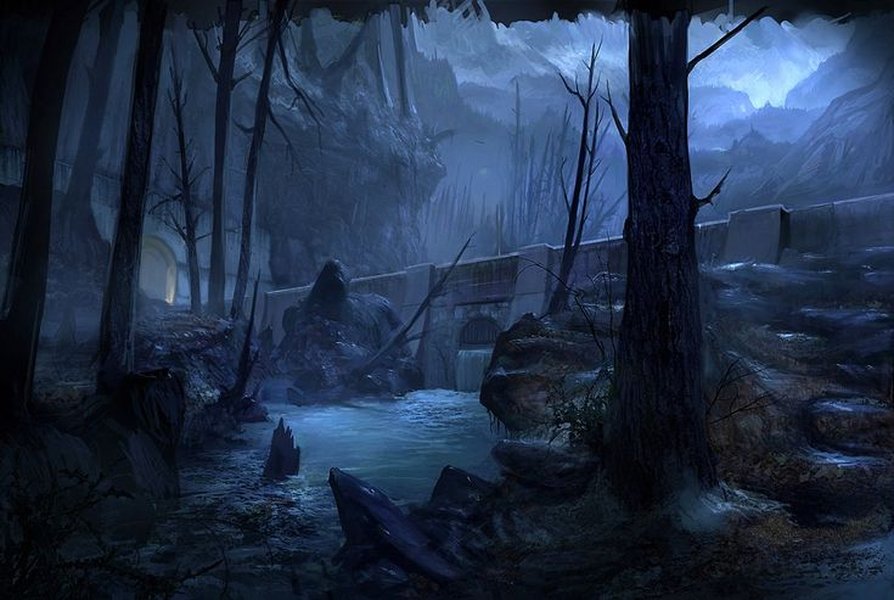
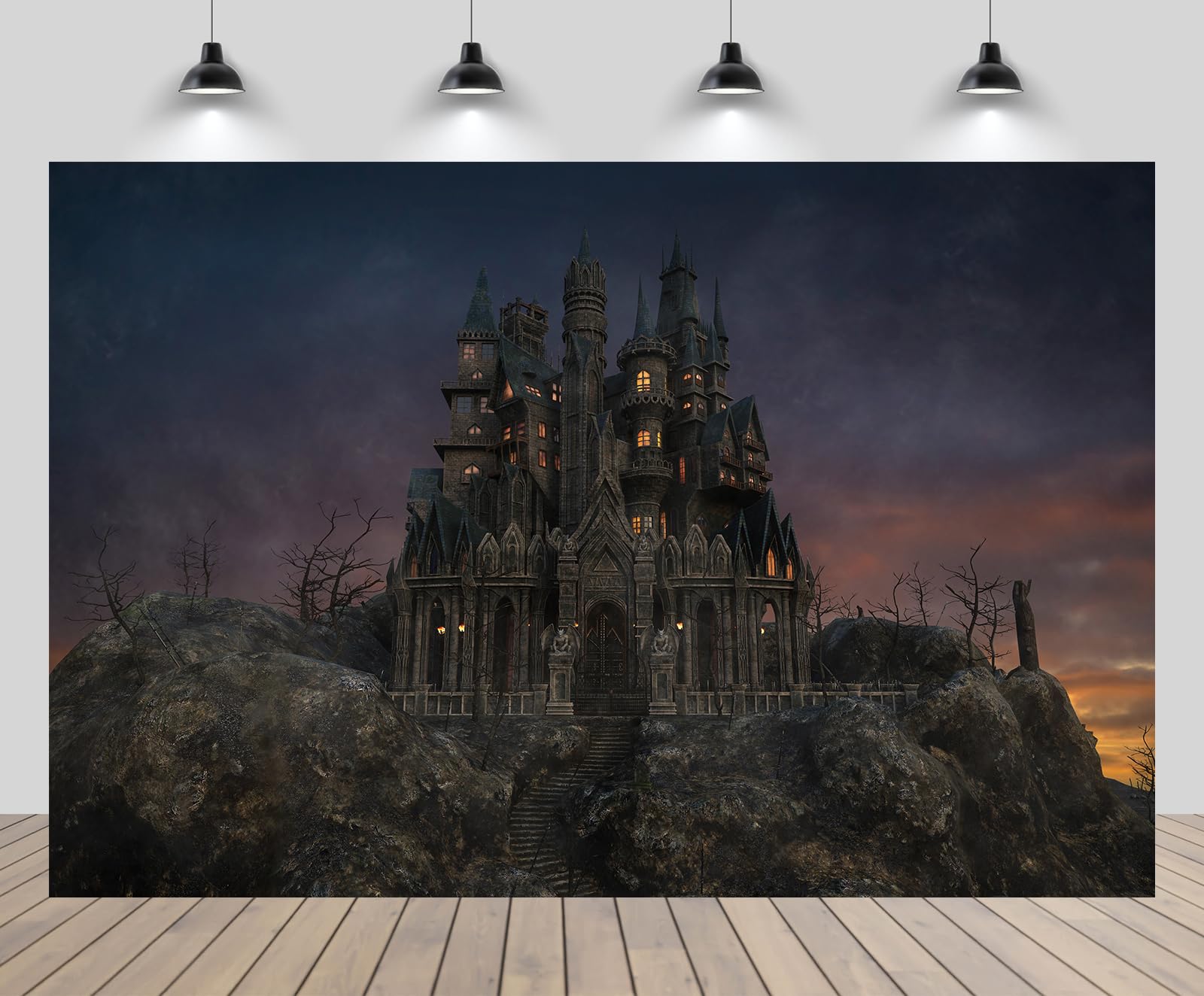
The images below encapsulate the Gothic aesthetic that permeates both works. The first image portrays a haunting Gothic castle, symbolizing the oppressive and decaying architecture central to both narratives. The second image captures an eerie night landscape, evoking the sense of isolation and foreboding atmosphere crucial to the gothic experience.
Gothic Critical Insights: Frequently Asked Questions
References
- OCR A level Gothic comparison essay: The Bloody Chamber - YouTube
- Compare and contrast the ways in which Dracula and The Bloody Chamber present settings - YouTube
- The Gothic and the Sublime ¦ Dracula: A Reader's Guide - YouTube
- Dracula | Bram Stoker | Gothic Elements - YouTube
- Gothic Literature in England | Introduction | Famous Writers - YouTube
Recommended for Further Exploration
 thegothicwanderer.wordpress.com
thegothicwanderer.wordpress.com
Last updated April 3, 2025