
Transparency in Government Compensation
A comprehensive overview of public salary disclosure and its impact
Key Highlights
- Public Accountability – Open disclosure of salary data reinforces public trust and fiscal responsibility.
- Legal and Regulatory Advances – Recent laws and rules at federal, state, and local levels enhance equitable pay practices.
- Data Accessibility – Enhanced platforms and technologies enable transparency in government payroll information.
Overview of Government Compensation Transparency
Transparency in government compensation is the proactive disclosure of salary, bonus, and benefit information for public employees. This practice is a critical component of modern public administration, designed to foster accountability, deter misuse of funds, and guarantee equality and fairness in the allocation of public resources. It allows citizens to scrutinize how taxpayer money is spent by making detailed wage data readily accessible through online databases and official platforms.
By unveiling compensation details, governments ensure that public officials and employees are held accountable for their pay structures. This system not only discourages excessive or unwarranted compensation but also offers an important tool to detect potential discrepancies such as nepotism, gender or racial pay gaps, and other inequities. While traditionally government salary data was difficult to obtain, recent initiatives have significantly improved public access, ultimately strengthening democratic oversight and informing policy debates.
Legal and Policy Frameworks
National and Federal Initiatives
At the federal level, transparency measures have been bolstered by new policies and proposed rules meant to revolutionize the governance of employee compensation. One significant development is the prohibition on the use of salary history during hiring, implemented by the Office of Personnel Management (OPM). By preventing past salary data from influencing current compensation, the federal government aims to eliminate embedded biases, thereby advancing pay equity. The measures extend to federal contracting, where proposed rules now require contractors to disclose full details of compensation packages.
These federal initiatives, including tools like the Federal Pay Dataset, not only provide a window into government expenditure but also set stringent standards for punitive measures against discriminatory pay practices. Such policies support the ethical treatment of public employees and precipitate a broader movement to enhance trust in government systems.
State and Local Legislation
On the state and local levels, numerous jurisdictions have embraced transparency as a cornerstone of public administration. States such as California and New York have built comprehensive online repositories where public salary information is available for millions of government employees. These initiatives, often backed by robust pay transparency laws, require job postings to include clear salary ranges as well as mechanisms for employees to discuss and compare their pay without fear of reprisal.
Local governments are not far behind. Various municipalities have established databases that empower citizens to easily search for compensation details based on job titles, departments, and individual employee names. Such legislation has played a pivotal role in encouraging fair compensation practices, reducing wage gaps, and ultimately aiding public scrutiny. Moreover, the legal frameworks across different states are closely modeled to ensure consistent standards with built-in protections, reinforcing both accountability and equal employment opportunities.
Technological Advancements and Tools
Digital Platforms Enhancing Data Accessibility
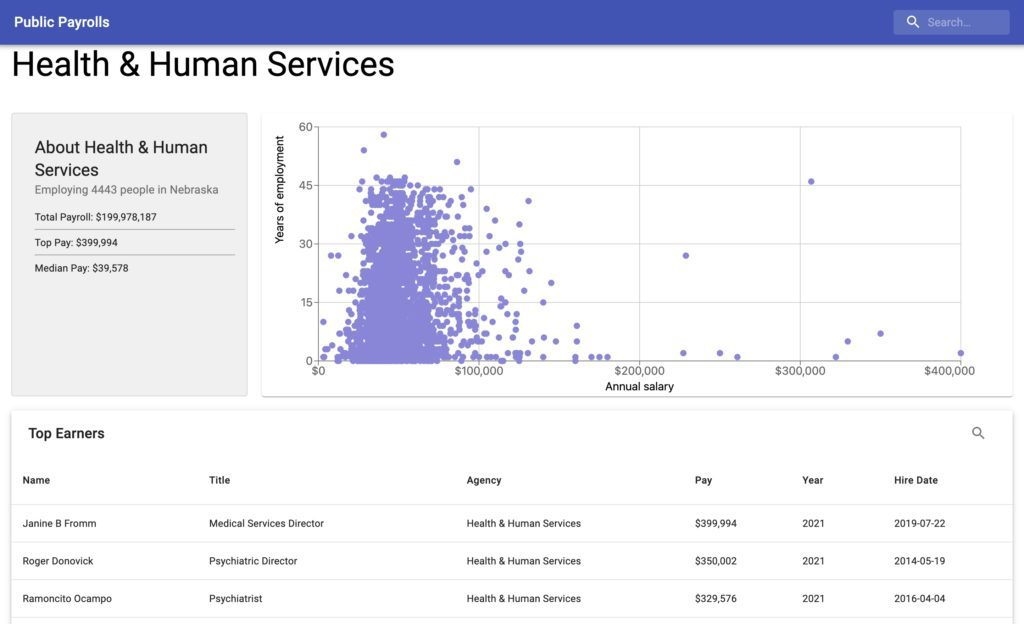
The digital age has brought about a paradigm shift in how government compensation data is handled and disseminated. Numerous online platforms have emerged that aggregate public salary records from federal, state, and local agencies. These platforms serve as interactive tools that allow citizens to search for information by name, department, geographic location, or job title. The convenience of these digital repositories plays a significant role in demystifying public payroll data, ensuring that detailed compensation records are just a few clicks away.
Exemplary platforms include OpenGovPay and Transparent California, which facilitate nationwide and state-specific investigations into salary records. These sites provide extensive databases by collecting millions of salary records across various levels of government. The use of advanced search capabilities, filter options, and regularly updated data enhances transparency even further, positioning these tools as essential for any stakeholder interested in the nuances of public sector compensation.
Tools and Databases
Governments increasingly integrate state-of-the-art software and technology to manage compensation records more efficiently. State offices, like the California State Controller's Office, have dedicated websites that not only provide salary details but also offer financial insights into government spending. Furthermore, federal platforms such as FedsDataCenter.com enable users to perform detailed searches across various agencies, offering practical ways for researchers, journalists, and concerned citizens to hold government entities accountable.
These technology-driven initiatives have led to a more transparent public sector by removing barriers to information. They ensure that the public and regulatory bodies have comprehensive oversight of government expenditure on human resources, thereby optimizing accountability and fairness.
Recent Federal Developments in Compensation Transparency
Reforming Federal Hiring Practices
Recent federal reforms have sparked significant changes in the way government compensation is determined and disclosed. A notable reform is the decisive move to ban the use of salary history during the hiring process. This step is designed to prevent historical pay inequities from perpetuating inequality in current compensation decisions. By severing the tie between past and present salaries, federal agencies are setting a healthcare model for equitable salary determination based solely on qualifications and job requirements.
In addition to the prohibition of salary history, the Federal Acquisition Regulatory Council (FAR Council) has introduced proposals that extend transparency to federal contractors. Under the proposed rules, contractors must include detailed compensation and benefits information in job advertisements. This measure is not only geared towards ensuring fair hiring practices but also aims to reduce pay inequities that have long been a subject of public concern.
Impact on Pay Equity and Accountability
Transparency in government compensation is intrinsically linked with broader goals such as promoting pay equity and ensuring fair treatment across all demographics. By making salary details public, potential pay disparities related to gender, race, and ethnicity are more easily identified. This paves the way for corrective measures that ensure compensation is based on objective factors such as role requirements and job performance.
Enhanced transparency deters discriminatory practices and fosters a more inclusive work environment. It also encourages internal accountability within government agencies, pushing them to adhere to standardized and fair salary practices. Furthermore, public oversight serves as an external check that bolsters trust in the administration of compensation policies while ensuring that government spending remains justifiable and transparent.
State and Local Initiatives: A Closer Look
Examples of State-Level Transparency Efforts
Numerous states have recognized the importance of transparency in government compensation and have taken significant steps to implement it. California stands out with its comprehensive online database that allows residents to easily access salary, pension, and benefit information for public employees. Other states like New York, Connecticut, Hawaii, Illinois, Maryland, Nevada, and Washington have enacted similar laws requiring the disclosure of government compensation details.
Such initiatives are typically supported by legislative mandates ensuring that salary ranges are posted in job advertisements, and further, that employees are protected when discussing their pay. These measures have proven effective in narrowing wage gaps, providing a channel for public accountability, and ensuring that public resources are utilized ethically.
Municipal Transparency Platforms
At the local level, many cities have also adopted transparency practices. Municipal governments have taken advantage of technology to compile and display salary data for their workforce. This initiative allows local citizens to monitor public spending more effectively, identify any discrepancies or irregularities in pay and wages, and hold their elected officials accountable for financial decisions.
By combining state-mandated oversight with local innovation, these tools demonstrate that transparency in government compensation is not only feasible but also highly beneficial. They offer an effective remedy to the opacity that once characterized public administrative pay. The dual approach of national legislation and local database management paves the way for a highly accountable and transparent public sector.
Interactive Table: Key Platforms and Legal Resources
| Platform/Resource | Scope | Key Features |
|---|---|---|
| OpenGovPay | Nationwide | Over 170 million salary records; searchable by name, department, and role |
| Transparent California | California | Public employee salaries, pensions, and benefits; comprehensive data access |
| FedsDataCenter.com | Federal | Federal pay data searchable by employee name, job title, agency, and location |
| GovSalaries | Nationwide | Extensive database covering multiple government sectors |
| California State Controller's Office | California | Tools and data on government spending and employment salaries |
Implications for Stakeholders
Benefits for the Public
The availability of extensive data on government compensation provides several benefits to the public. Citizens can monitor governmental integrity, ensure that taxpayer money is being used appropriately, and even spot potential discrepancies in compensation practices. This transparency builds a layer of accountability where government officials and administrators are motivated to adhere to fair and standardized practices.
Research and journalism also gain a considerable boost from such transparency. Investigative reporters widely rely on disclosed salary information to report on discrepancies and to uncover stories of undue compensation or potential corruption. In addition, policy makers use these insights to reform outdated practices and to push for more equitable public administration.
Employee Empowerment and Internal Reforms
For government employees, transparency is an empowering tool. With open access to information, employees can compare compensation across roles and departments, which can contribute to narrowing internal pay disparities. It provides the groundwork for collective bargaining and can strengthen efforts aimed at closing wage gaps based on gender, ethnicity, or other factors.
Moreover, internal accountability is reinforced by transparency measures. When pay structures are open for public examination, there is less room for arbitrary or biased salary decisions. This cultural shift within government institutions encourages a re-evaluation of compensation strategies to better align with merit and fair market practices.
Future Directions and Challenges
Expanding Accessibility and Data Quality
Although significant strides have been made towards transparency in government compensation, continuous improvements remain necessary. A major avenue for future development lies in expanding the accessibility and comprehensiveness of data. As more jurisdictions adopt online databases and as technology evolves, ensuring that the reported data is accurate, up-to-date, and easily navigable will be paramount.
Governments must invest in modernizing IT infrastructure to handle the increasing volume of data and to integrate seamless user interfaces. Improving data quality not only helps in better public monitoring but also paves the way for automated systems that could flag potential irregularities or inconsistencies in compensation records.
Balancing Transparency with Privacy
Ensuring full transparency must be balanced against protecting the privacy of individuals. While public access to government salary data is central to accountability, it is also essential to ensure that personal information is safeguarded and that measures are in place to protect sensitive details. Government agencies balance these priorities carefully by adhering to strict data protection standards while still providing necessary compensation information.
Additionally, there is an ongoing discussion regarding the extent to which private employee compensation should be disclosed. In the public sector, transparency in government compensation has already set benchmarks; however, as similar principles are applied in larger private enterprises, new privacy protocols may need to be formulated to appropriately protect individual rights without compromising public accountability.
Resources and Further Information
For those interested in exploring transparency in government compensation in greater detail, there are numerous reliable resources available online. These platforms not only offer raw data for analysis but also provide context, legal insights, and updates on new policies and reforms in this domain.
Many websites have evolved into significant repositories where you can search for public salaries, review the latest legislative changes regarding pay transparency, and even compare how different jurisdictions manage government compensation. These resources continue to serve as critical tools for both public oversight and internal review processes in government institutions.
References
- OpenGovPay - Government Salaries Database
- Transparent California - Public Employee Compensation
- FedsDataCenter.com - Federal Pay Data
- GovSalaries - Nationwide Salary Database
- California State Controller's Office - Government Spending Data
Recommended Further Queries
Last updated March 7, 2025