
Comparing RTX 2080 Ti 22GB vs RTX 3090 for Running LLMs
A detailed analysis of performance and capabilities for large language model tasks
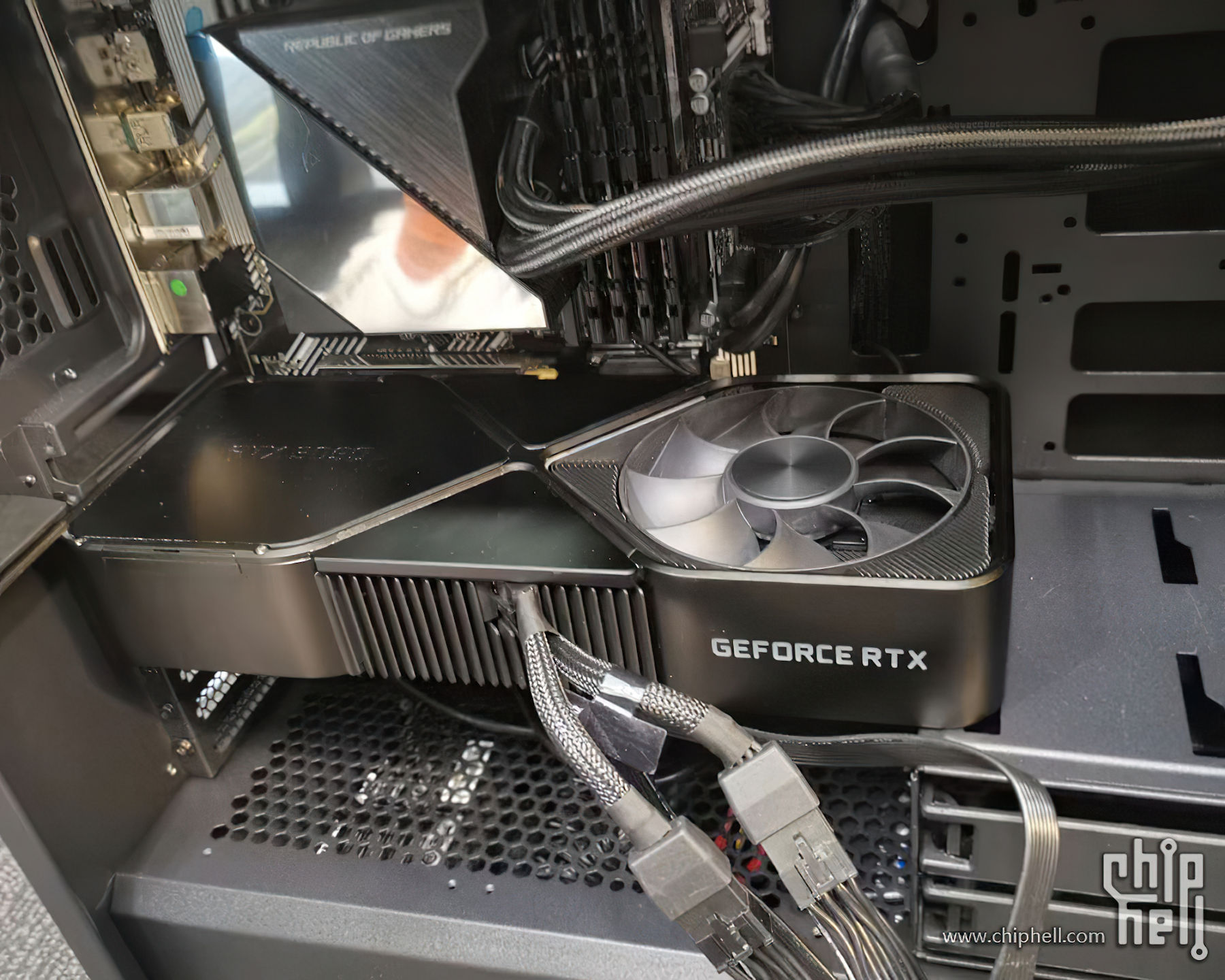
Key Highlights
- Higher VRAM and Advanced Memory: The RTX 3090 offers 24GB of faster GDDR6X memory, crucial for handling large models and datasets.
- Superior Processing Power: With significantly more CUDA cores and improved tensor core technology from the Ampere architecture, the RTX 3090 provides better performance in LLM tasks.
- Enhanced Reliability and Future-Proofing: Despite the availability of a modded 22GB RTX 2080 Ti, the RTX 3090 is generally more stable and widely supported for modern deep learning workloads.
Introduction
Running large language models (LLMs) requires substantial computational resources including high memory capacity, a large number of CUDA cores, and efficient memory bandwidth. For enthusiasts and professionals alike, choosing the appropriate GPU can have a consequential effect on processing efficiency, speed, and overall workflow.
In this comprehensive analysis, we compare two popular GPUs for LLM tasks: a modified RTX 2080 Ti featuring 22GB of VRAM and the newer RTX 3090 with its 24GB VRAM and advanced Ampere architecture. The discussion will focus on architecture differences, memory specifications, processing performance, thermal and power efficiency, and cost-effectiveness. This detailed breakdown will assist you in making an informed decision based on your specific LLM requirements.
Technical Comparison Overview
GPU Architecture and CUDA Core Comparison
One of the most influential factors when running LLMs is the underlying GPU architecture. The RTX 3090 is built on NVIDIA's Ampere architecture, which brings significant improvements over the older Turing architecture in the RTX 2080 Ti. The advancements include:
CUDA and Tensor Cores
The RTX 3090 features an impressive 10,496 CUDA cores, more than double the CUDA cores of the RTX 2080 Ti in its standard configuration. This higher core count is essential for parallel processing-intensive deep learning operations. In addition, Tensor Cores are significantly enhanced in the Ampere architecture. These specialized cores boost mixed-precision performance, particularly beneficial for inference and training acceleration in LLM tasks.
Memory Capacity and Bandwidth
Memory plays a pivotal role when it comes to loading and processing large language models. The RTX 3090 boasts a native 24GB of GDDR6X memory that not only provides higher capacity but also higher memory bandwidth than the modified RTX 2080 Ti with 22GB of VRAM. The fast GDDR6X memory in the 3090 is critical for sustained performance during large-scale matrix operations and simultaneous batch processing.
VRAM Considerations
While a modified RTX 2080 Ti can offer around 22GB of VRAM, its memory technology and bandwidth fall short compared to the RTX 3090. Larger memory allows for loading bigger models and enables more extensive batch sizes, which is crucial for the high memory demands of LLMs. The 3090's additional gigabytes of VRAM, combined with its faster memory speeds, make it better-suited for handling huge models and datasets without encountering memory bottlenecks.
Performance in LLM Tasks
Inference and Training Speed
The performance of a GPU during deep learning tasks, including LLM inference and fine-tuning, is largely influenced by both its processing capability and memory subsystems. The RTX 3090 outperforms the modified RTX 2080 Ti in several critical performance metrics:
| Specification | RTX 2080 Ti 22GB (Modified) | RTX 3090 |
|---|---|---|
| VRAM | 22GB (Modified) | 24GB (Native GDDR6X) |
| CUDA Cores | Approximately 4352 | 10,496 |
| Architecture | Turing (Older) | Ampere (Newer and more efficient) |
| Memory Bandwidth | Lower compared to RTX 3090 | Higher - better suited for large-scale tasks |
| Tensor Cores | Less optimized for current deep learning demands | Enhanced for improved FP16 and INT8 performance |
This table clearly outlines the performance-critical differences. The RTX 3090’s superior hardware and architecture provide a notable edge in both speed and reliability while working with demanding LLM applications.
Thermal and Power Efficiency
Power consumption and thermal management are also vital, particularly when algorithms run over prolonged periods. The RTX 3090 typically offers sustained performance due to its improved power efficiency and better management of thermal loads. However, it does consume more power overall than the RTX 2080 Ti. This higher power draw necessitates effective cooling solutions and a robust power supply to fully exploit the 3090’s capabilities.
Stability in Continuous Operation
The design of the RTX 3090 is aimed at offering longer sustained uptime during computation-intensive tasks, making it less prone to throttling under heavy loads. Meanwhile, the modified RTX 2080 Ti, though potentially viable in less demanding scenarios, might encounter limitations in extreme LLM workloads, particularly when working close to its memory and processing thresholds.
Cost and Practical Considerations
Cost Efficiency
From a cost perspective, a modified RTX 2080 Ti with upgraded VRAM may seem attractive due to its lower market price compared to the premium RTX 3090. This can be an appealing proposition for those operating under tight budgets. However, while the initial cost is lower, it’s important to consider:
Performance-to-Cost Ratio
The RTX 3090, despite its higher price point, delivers significantly improved performance for LLM tasks. Users who routinely run inference on large models or require regular fine-tuning operations may find that the extra investment pays off in the form of reduced training times and higher throughput.
Moreover, future-proofing is an essential factor. As LLMs and their accompanying models evolve to demand even larger memory and faster compute times, the RTX 3090’s architecture provides more headroom for upcoming requirements and software optimizations. While the RTX 2080 Ti 22GB variant might manage current tasks, it may soon be outpaced by the growing computational needs of modern deep learning frameworks.
Supported Ecosystem and Community
Another practical component is community and framework support. The RTX 3090 benefits from wide community validation, robust driver support, and compatibility with the latest AI and deep learning libraries. The broader community and extensive documentation provide an advantage in troubleshooting, optimization tips, and ensuring stability in production environments. Conversely, a specialized or modified version of the RTX 2080 Ti may not offer the same level of community or software support, potentially limiting its long-term viability.
Comparative Analysis in Real-World LLM Workloads
Inference Performance
In the context of LLM inference, the primary challenge lies in efficiently loading and processing massive neural network architectures. The RTX 3090’s extensive memory capacity and higher memory bandwidth allow it to load larger models with fewer compromises. As a direct result, it can manage bigger batch sizes, speed up model latency, and afford researchers the ability to work with various model scales without running into memory shortages.
On the other hand, while a 22GB RTX 2080 Ti may handle many models effectively, its relative limitations in memory speed and CUDA core count might result in longer processing times, particularly as the complexity of tasks increases.
Training and Fine-Tuning Considerations
In training and fine-tuning scenarios, the computational intensity further escalates. Here, the efficient use of tensor cores significantly accelerates matrix multiplications and mixed-precision computations. The Ampere architecture’s enhancements in the RTX 3090 bring substantial speed improvements, reducing the time taken for iterative model training. This efficiency can be crucial when running experiments, optimizing hyperparameters, or scaling up the training process over extremely large datasets.
Although certain budget-conscious operations may find the RTX 2080 Ti modified model acceptable for smaller scale operations, high-demand training regimes benefiting from sustained, high throughput will unequivocally favor the performance offered by the RTX 3090.
Making the Right Choice for Your LLM Workload
Balancing Budget and Performance
The decision between a modified RTX 2080 Ti with 22GB VRAM and the RTX 3090 comes down to evaluating your specific LLM workloads and budget constraints. Here are the key considerations:
- If your workload primarily involves inference on moderately sized models and you are operating on a strict budget, a 22GB RTX 2080 Ti variant might suffice. It provides acceptable performance in many scenarios and can manage less demanding tasks effectively.
- For extensive training or handling very large language models that place higher demands on memory bandwidth, batch processing, and processing speed, the RTX 3090 is the superior option due to its enhanced CUDA and tensor core performance combined with larger and faster memory.
- Future-proofing your investment is also a major concern. As LLM research advances, the benefits of the RTX 3090's cutting-edge architecture will likely become more pronounced.
Application-Specific Requirements
Different applications may emphasize different aspects of GPU performance. For instance, if your LLM use case revolves around real-time inference in production environments, faster latency and reduced processing times are essential benefits. Here, the RTX 3090’s robust memory and processing capabilities offer clear advantages.
Conversely, some research or development setups might prioritize cost efficiency while still achieving acceptable performance levels, where a modified RTX 2080 Ti could serve as a viable alternative. However, it is important to note that as models grow in scale, the limitations of older architectures become increasingly evident.
Conclusion and Final Thoughts
In summary, while the modified RTX 2080 Ti 22GB version may provide a cost-effective solution for certain LLM tasks, the RTX 3090 clearly stands out as the more robust and future-proof option for running large language models. Its superior memory capacity, faster GDDR6X technology, significantly higher CUDA core count, and advanced tensor core optimizations together provide an impressive performance boost. This makes it better equipped for intensive deep learning demands, reducing training times and ensuring efficient utilization of resources.
Those who require the absolute best in handling large and complex LLMs, or who plan to push the boundaries of deep learning research, will find the RTX 3090 invaluable. On the other hand, for less demanding or budget-restricted setups, the RTX 2080 Ti 22GB version may still deliver reasonable performance, albeit with some limitations in speed, memory bandwidth, and future compatibility.
Ultimately, your decision should take into account your specific needs, workload demands, and budget considerations. The RTX 3090 is recommended for most high-end LLM applications, providing a more stable and high-performance experience in both inference and training tasks.
References
- RTX 3090 vs RTX 2080 Ti Comparison - UserBenchmark
- GPU Comparison - HardwareDB
- GeForce RTX Comparison - Gagadget
- RTX 3090 Benchmarks for Deep Learning - Exxact Corp
Recommended Related Queries
Last updated February 20, 2025